Giant pandas are often viewed as gentle, playful animals that spend their days eating bamboo and lounging in the forest. Their adorable appearance has made them global conservation icons, but this cuddly image does not tell the whole story. Pandas are still wild bears with powerful instincts, impressive strength, and behaviors that can surprise many people.
Looking beyond their charming reputation reveals a more complex animal shaped by millions of years of evolution. Understanding these lesser known traits helps us appreciate pandas for what they truly are rather than the cartoon like image they often portray.
Pandas Are Much Stronger Than They Look
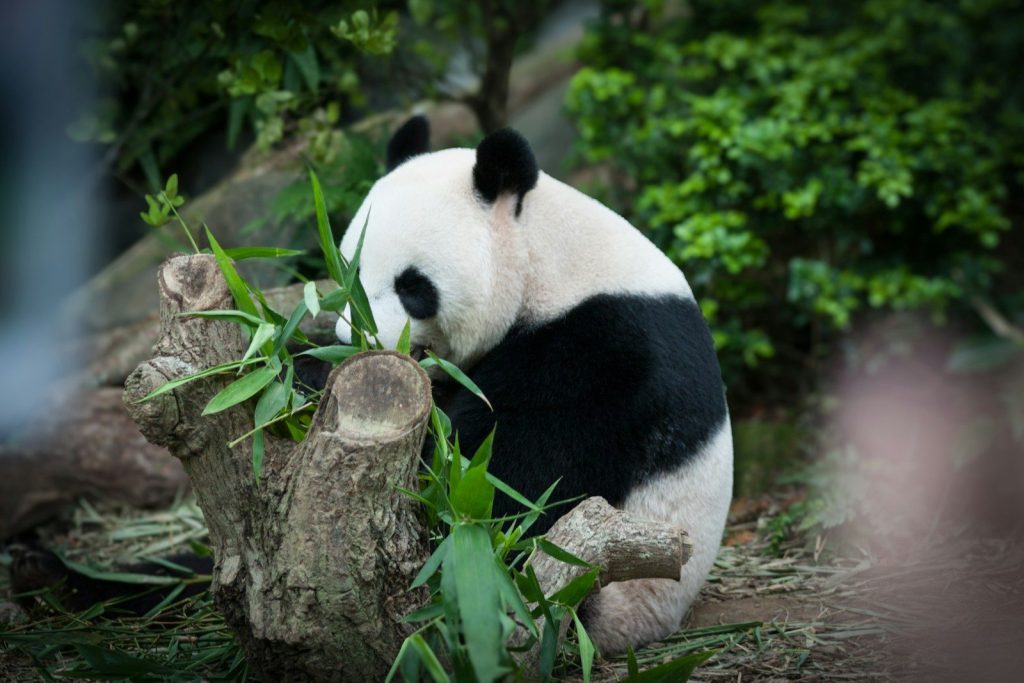
Despite their relaxed lifestyle, giant pandas possess powerful jaws, sharp claws, and muscular limbs. These physical traits help them crush thick bamboo stalks and defend themselves when necessary.
Although attacks on humans are uncommon, pandas are capable of inflicting serious injuries if they feel threatened. Zoo professionals always treat adult pandas with caution because they remain wild animals.
They Can Be Surprisingly Territorial
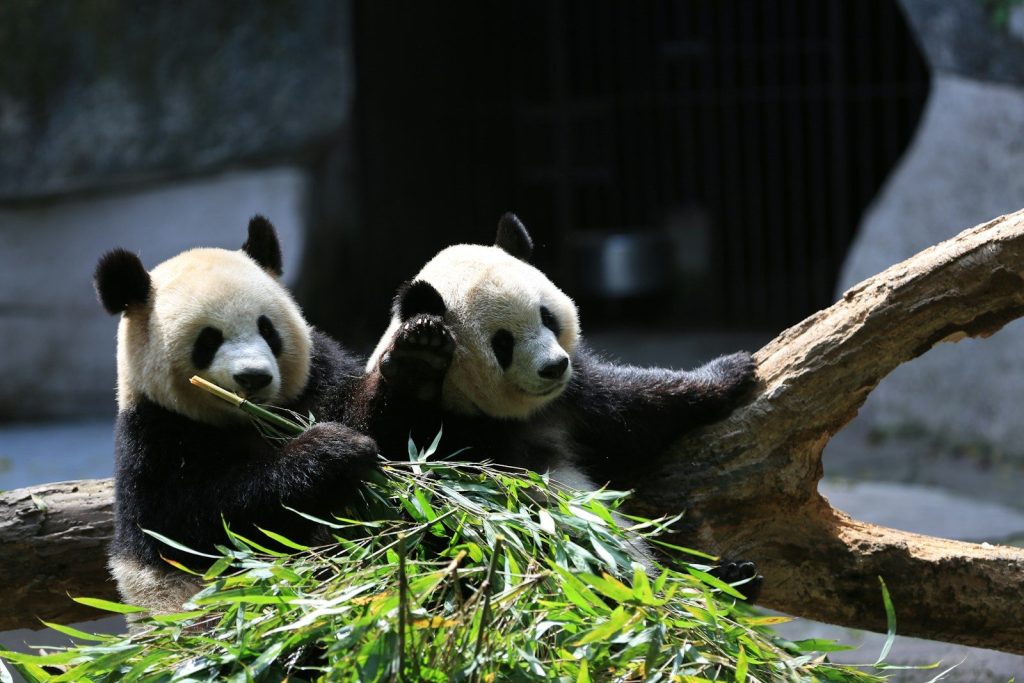
Pandas usually prefer living alone and maintain individual territories across their forest habitats. Adult pandas communicate through scent marking and vocalizations to avoid unnecessary confrontations.
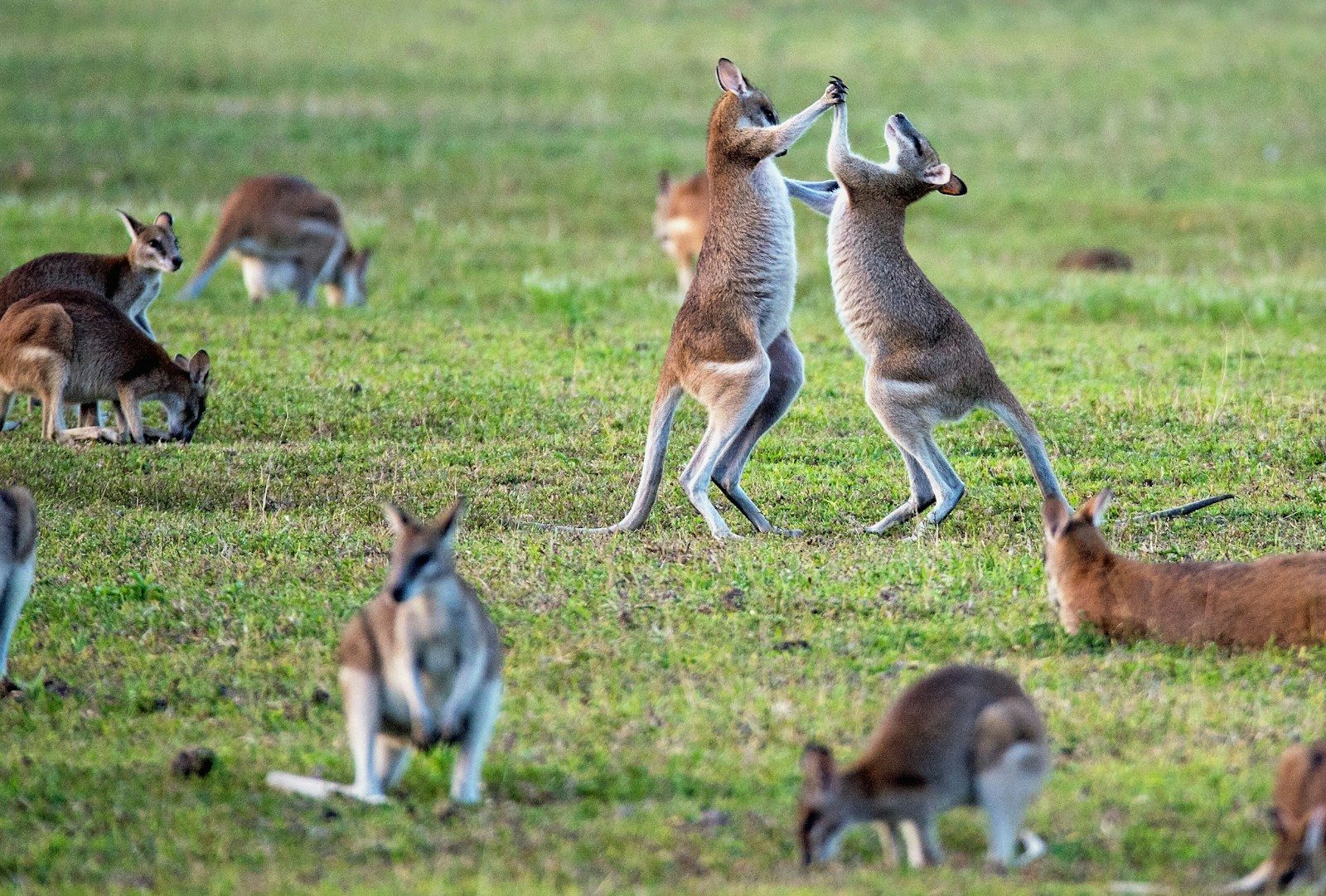
When another panda enters its territory, conflicts can occur, especially between competing males during the breeding season. These encounters sometimes result in injuries as individuals fight to establish dominance.
Mother Pandas Face Difficult Survival Decisions
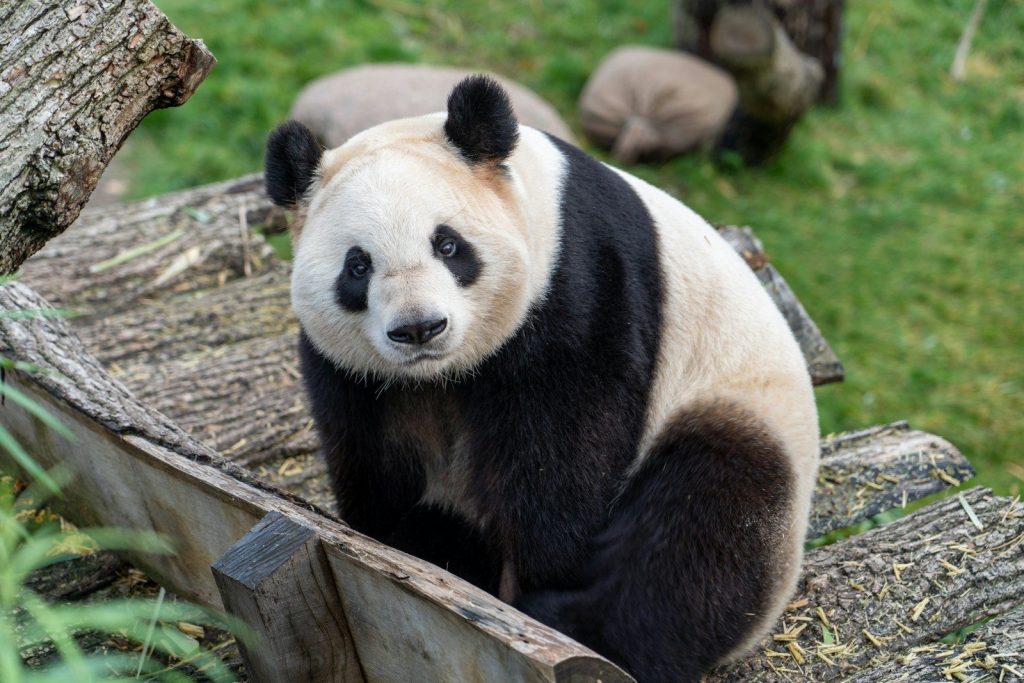
Female pandas occasionally give birth to twins, but raising two cubs in the wild is extremely challenging because of limited energy and resources. As a result, mothers often focus their care on the stronger cub while the other may not survive.
This behavior may seem harsh from a human perspective, but it reflects the realities of survival in nature. Conservation breeding programs often step in to help raise both cubs under managed care.
Their Bamboo Diet Is Surprisingly Demanding
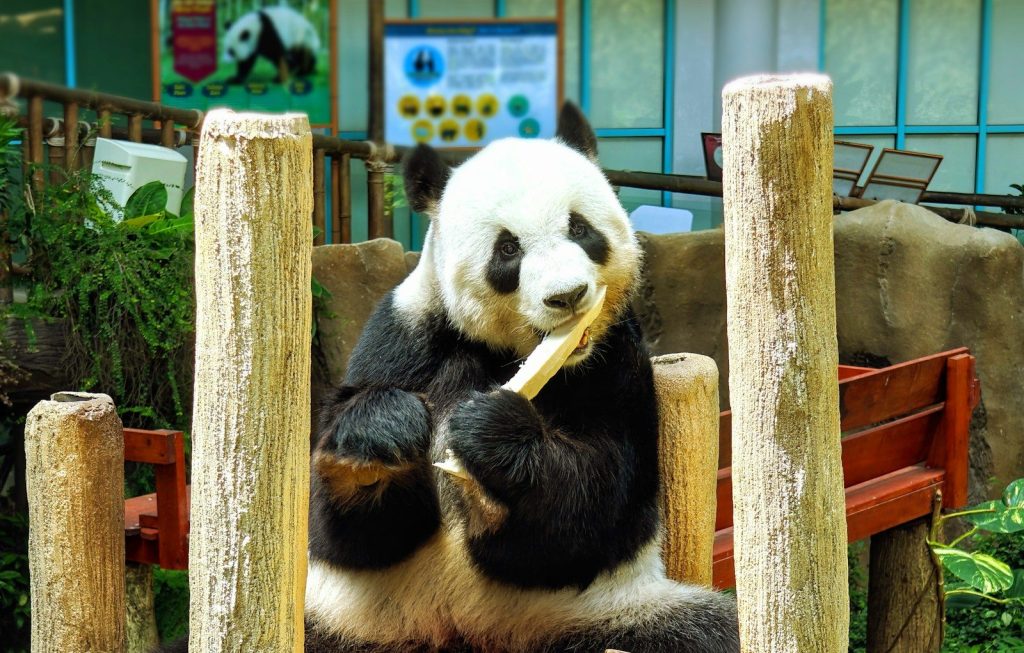
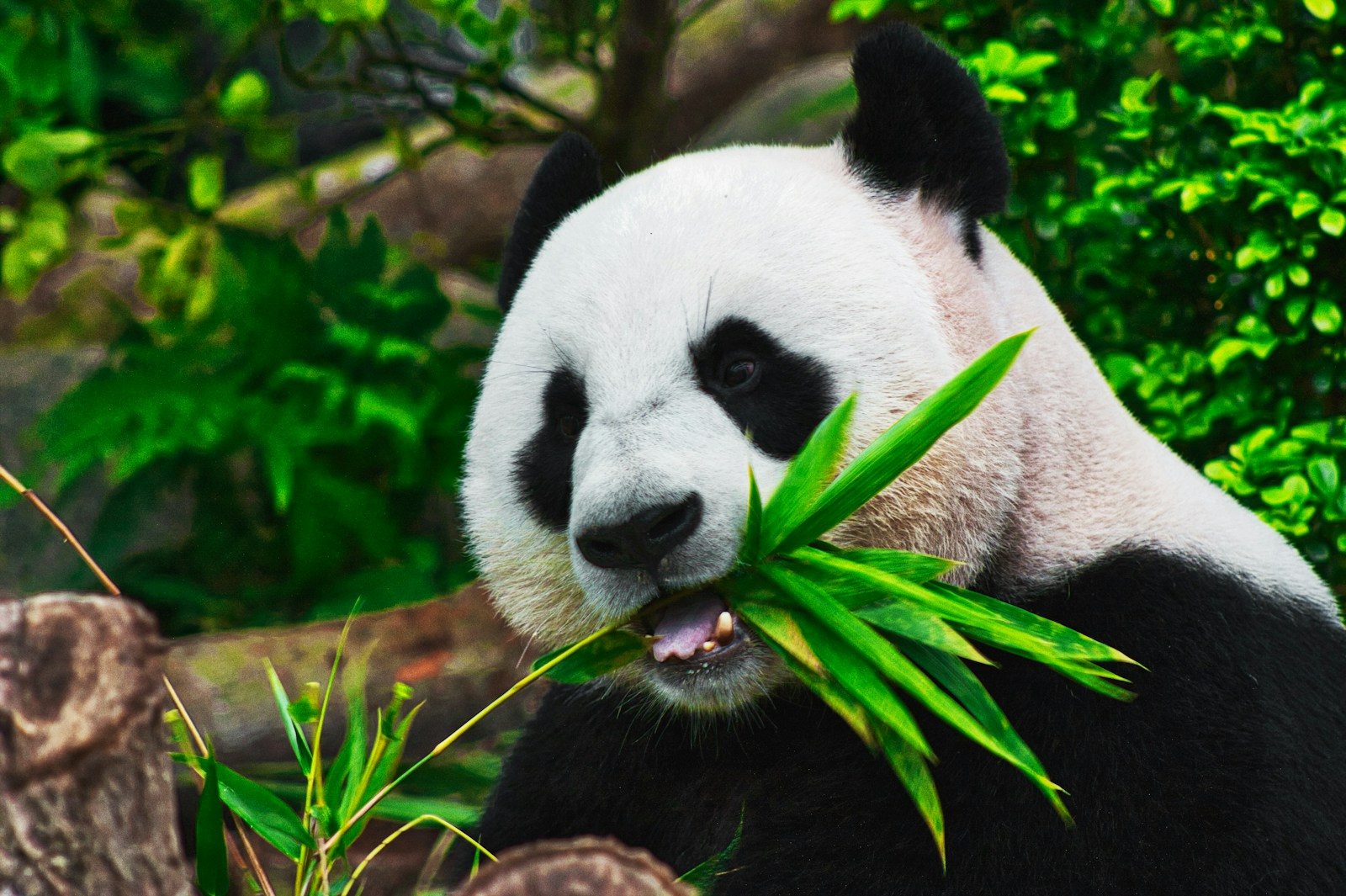
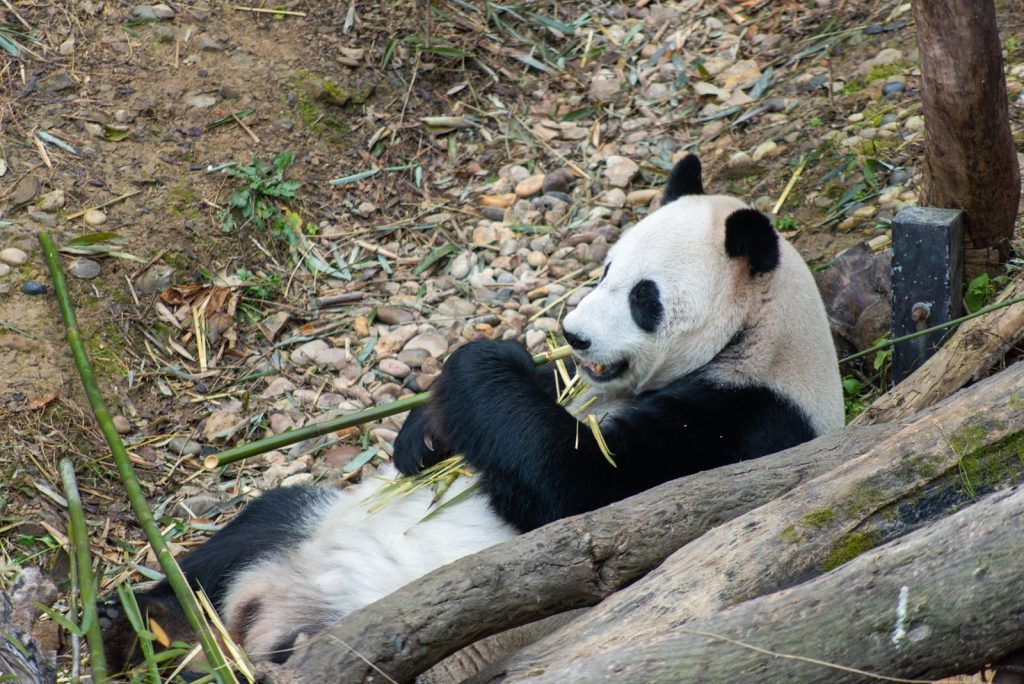
Although bamboo makes up almost all of a panda’s diet, it provides relatively little nutritional value. To meet their energy needs, pandas spend much of the day eating large quantities of bamboo.
This low energy diet explains why pandas are often seen resting between meals. Conserving energy is an essential part of their daily routine rather than a sign of laziness.
Pandas Will Defend Themselves When Provoked
Wild pandas generally avoid confrontations with humans whenever possible. However, if cornered, startled, or protecting cubs, they can respond aggressively like any other bear species.
Experts advise people never to approach or attempt to touch a wild panda. Respecting their space is the safest way to prevent dangerous encounters.
Their Cute Appearance Can Be Misleading

The black and white coat, round face, and playful behavior have helped pandas become one of the world’s most beloved animals. While these traits make them seem harmless, they should never be mistaken for domesticated pets.
Pandas deserve admiration not only for their charm but also for their remarkable adaptations as wild bears. Appreciating both their gentle and formidable qualities gives us a more accurate understanding of these extraordinary animals.