
A tiger encounter is one of the rarest wildlife emergencies, but knowing how to respond can make a critical difference. Wildlife experts emphasize that staying calm and avoiding impulsive decisions gives you the best chance of safely leaving the area.
Tigers generally avoid people and prefer to remain hidden, but they may become defensive if they feel threatened, cornered, or surprised. Understanding what not to do is just as important as knowing the correct response during an unexpected encounter.
Never Turn Around and Run

Running is one of the worst reactions because it can trigger a tiger’s instinct to chase moving prey. Instead, remain as calm as possible and slowly back away while keeping the animal in view without staring directly into its eyes.
Moving slowly gives the tiger space and reduces the chance that it will perceive you as prey. Quick, panicked movements are far more likely to escalate the situation.
Do Not Try to Get Closer

Some people may be tempted to take photographs or get a better look, but approaching a tiger is extremely dangerous. Even a resting tiger can react with incredible speed if it feels disturbed.
Always increase the distance between yourself and the animal whenever it is safe to do so. Respecting its space is the safest course of action for both people and wildlife.
Avoid Looking Small or Vulnerable

Crouching, bending over, or sitting down can make you appear more like natural prey. Experts recommend standing upright and making yourself appear as large as possible while remaining calm.
If you are with others, staying together as a group can also make you appear more intimidating. Maintaining your posture while slowly retreating is generally advised.
Do Not Corner or Challenge the Tiger

A tiger that feels trapped is more likely to defend itself aggressively. Avoid blocking its escape route or attempting to scare it by moving toward it.
Giving the animal a clear path to leave often helps reduce tension. Most tigers prefer avoiding conflict when they have an opportunity to retreat.
Never Approach Cubs or a Fresh Kill
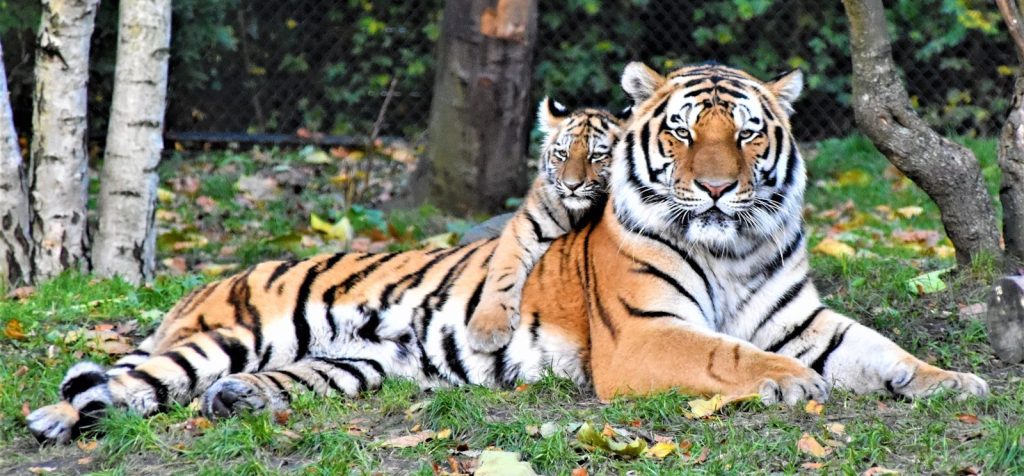
Tiger cubs may appear harmless, but their mother is usually nearby and highly protective. Likewise, approaching a tiger feeding on prey greatly increases the risk of a defensive attack.
If you notice cubs or an animal carcass, leave the area quietly without attempting to investigate. Creating distance is the safest response in either situation.
Do Not Ignore Warning Signs

Growling, roaring, flattened ears, or repeated bluff charges indicate that a tiger is feeling threatened or agitated. Ignoring these signals or responding aggressively can make the situation much more dangerous.
If the tiger continues approaching despite your retreat, keep backing away slowly while looking for a safe route to leave the area. Once you are safe, report the encounter to local wildlife authorities so they can assess the situation and help protect both people and the animal.