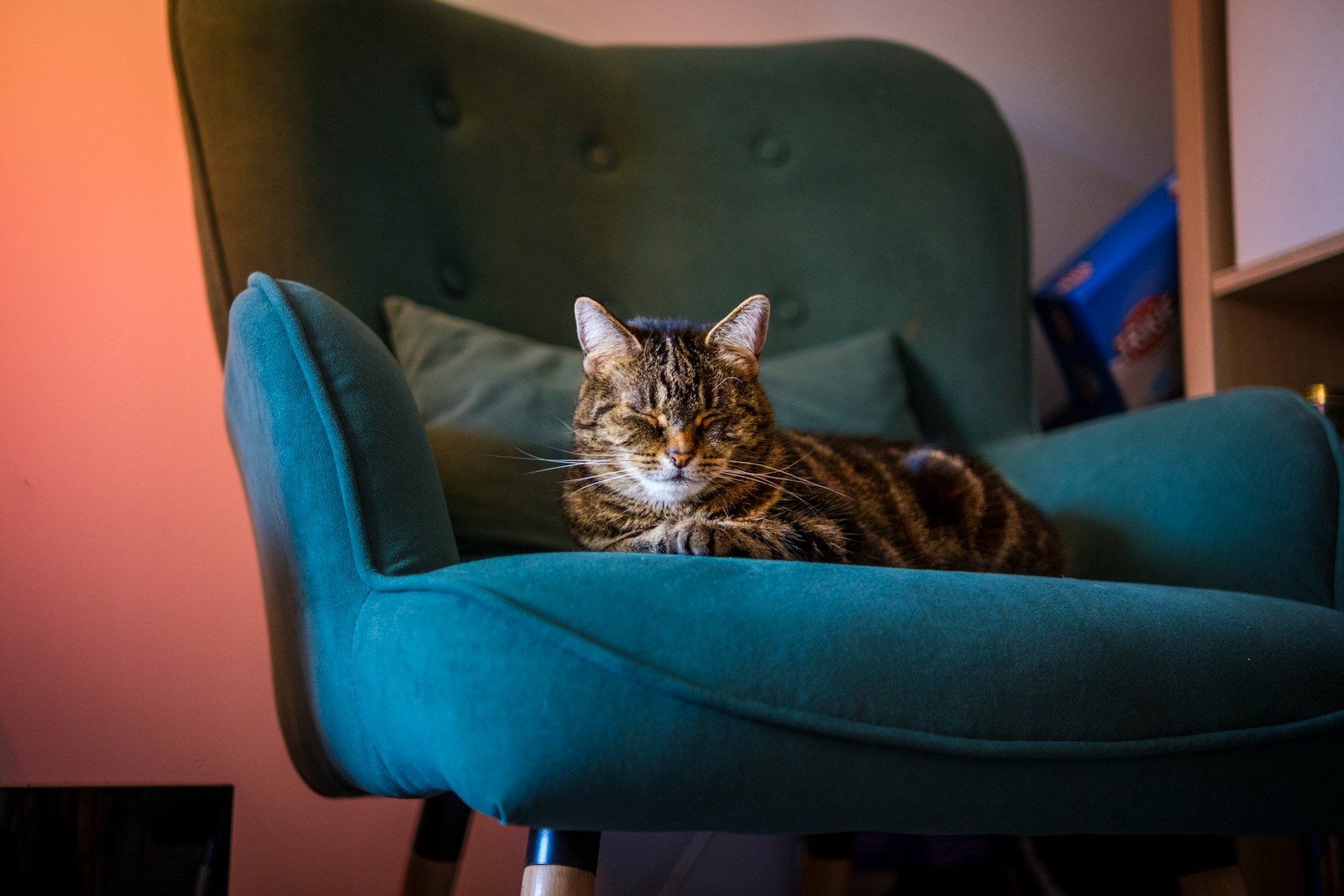
Every cat owner accidentally startles or upsets their pet from time to time. Whether you stepped on a tail, interrupted a nap, or handled your cat in a way it did not enjoy, repairing that moment is less about saying the words “I’m sorry” and more about showing your intentions through your actions.
Unlike people, cats do not understand verbal apologies in the same way humans do. Instead, they rely on body language, tone of voice, consistency, and positive experiences to determine whether they can trust you again.
Give Your Cat Time to Calm Down

If your cat becomes frightened or irritated, avoid trying to force immediate interaction. Giving it a few moments or even several hours to relax allows stress levels to return to normal.
Respecting your cat’s personal space shows that you understand its boundaries. Approaching too quickly can make the situation worse and prolong its discomfort.
Speak in a Calm and Gentle Voice

Although cats do not understand every word you say, they are very sensitive to tone and volume. Speaking softly can help reassure your pet that there is no longer a threat.
A familiar and soothing voice often helps reduce anxiety after an upsetting event. Remaining calm yourself also encourages your cat to relax more quickly.
Let Your Cat Make the First Move
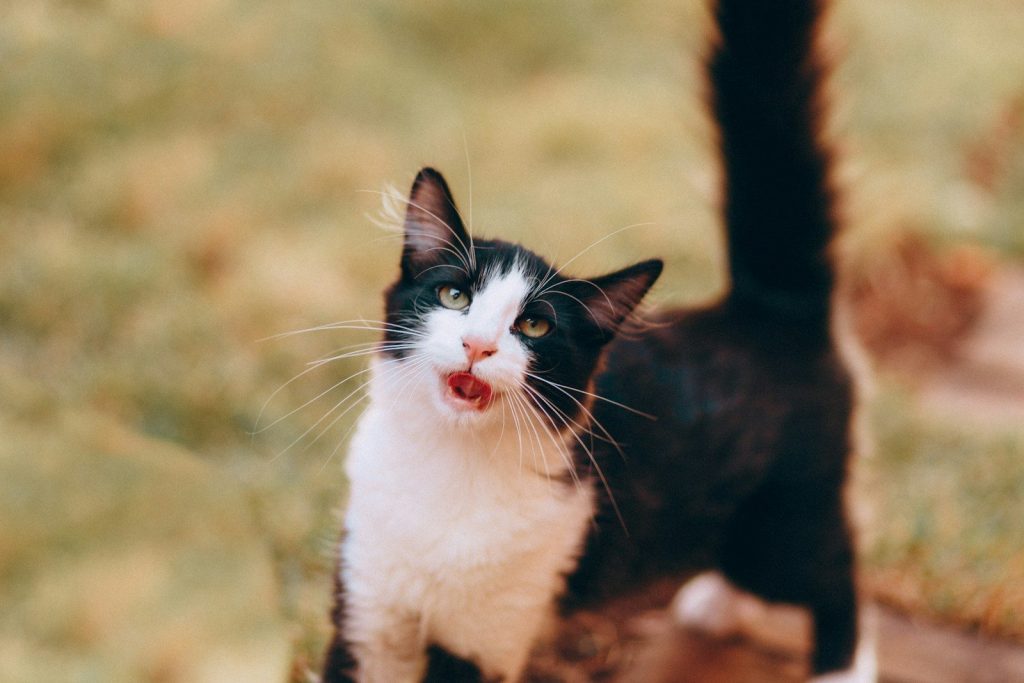
After an unpleasant experience, many cats prefer deciding when they are ready to interact again. Allow your pet to approach you rather than trying to pick it up or hold it.
When your cat chooses to come closer, respond with gentle affection if it seems comfortable. This gives your pet a sense of control and helps rebuild confidence.
Use Positive Reinforcement
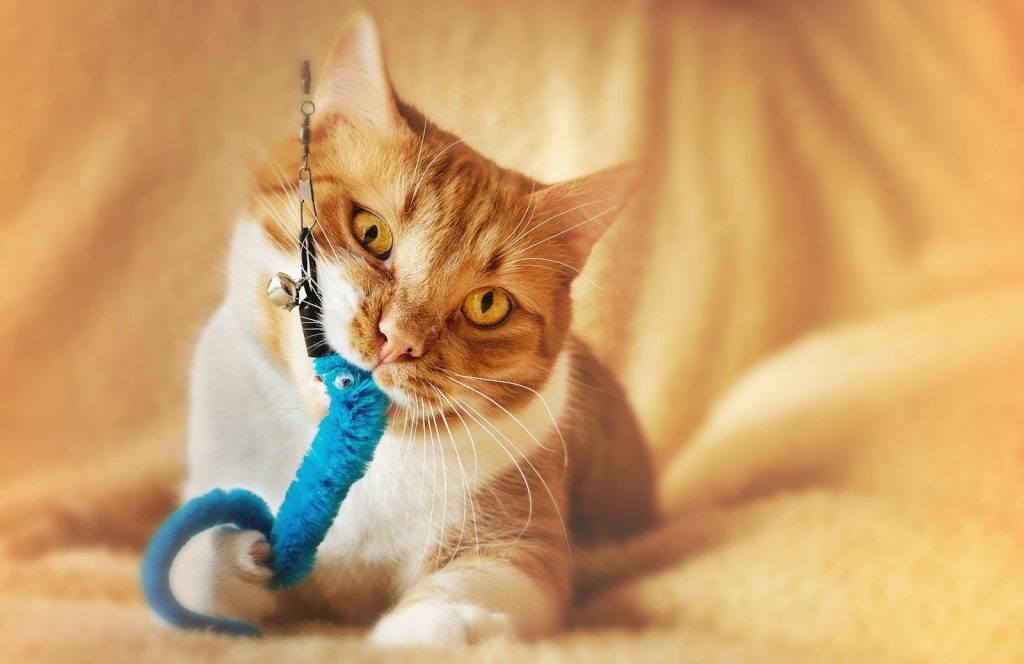
Offering a favorite treat or engaging in a fun play session can help create a positive association after a stressful moment. Rewards encourage your cat to replace fear with pleasant experiences.
Interactive toys, puzzle feeders, or a short game using a feather wand can also redirect your cat’s attention. Positive reinforcement is often far more effective than repeated attempts at physical affection.
Watch Your Cat’s Body Language

Cats communicate their emotions through posture, ear position, tail movement, and facial expressions. Paying attention to these signals helps you understand when your pet is feeling relaxed or when it still needs more space.
Slow blinking, relaxed ears, and a loosely held tail usually indicate your cat is becoming comfortable again. Recognizing these cues helps strengthen communication between you and your pet.
Build Trust Through Daily Consistency

Trust is developed over time through predictable routines and gentle interactions. Feeding your cat on schedule, respecting its boundaries, and providing regular play all contribute to a stronger relationship.
Even after an accidental mistake, most cats forgive when they continue to feel safe and secure in their environment. Consistent care demonstrates reliability far better than words alone.