Sudden mass die-offs of animals often appear shocking and mysterious, especially when large numbers of fish, birds, or wildlife are found dead within a short period of time.
These events can spark public concern and speculation about unusual or unknown causes. In reality, scientists explain that most of these die-offs are the result of natural environmental stressors, disease outbreaks, or human-related pressures rather than single unexplained events.
Researchers describe these incidents as “mass mortality events,” where a large portion of a population dies quickly in a specific area. Although they can look sudden, they are often the result of multiple underlying factors building up over time, eventually triggering a collapse in survival conditions for a species.
Environmental Stress and Extreme Conditions
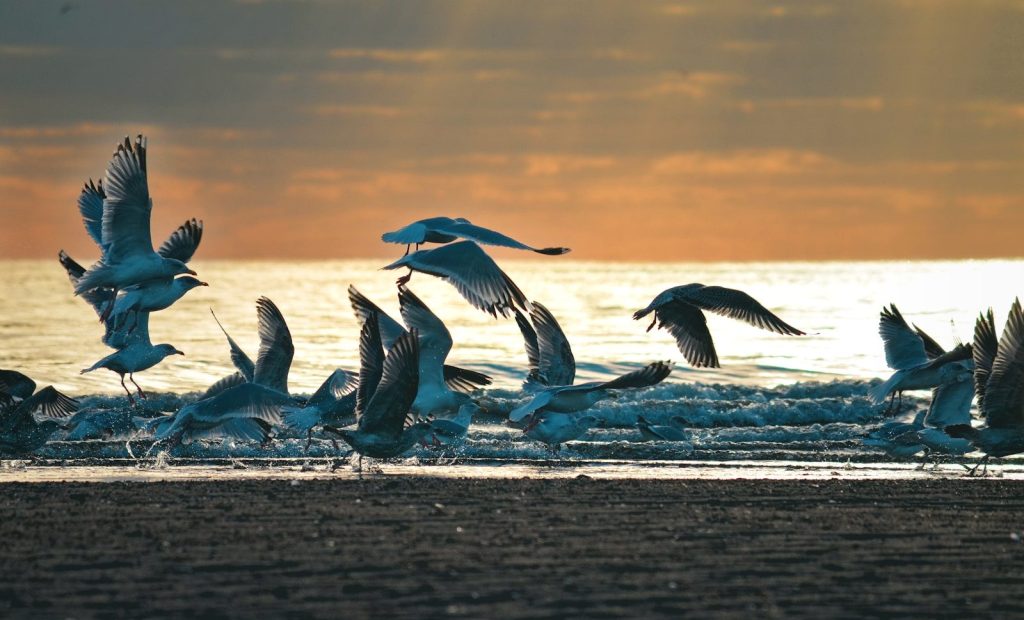
One of the most common drivers of sudden die-offs is extreme environmental change. Temperature spikes, droughts, floods, and oxygen loss in water bodies can all push animals beyond their survival limits.
In aquatic systems, fish kills frequently occur when oxygen levels drop too low, often due to algae blooms, overheating water, or overcrowding in limited habitats. These conditions can rapidly suffocate large numbers of fish at once.
On land, extreme heat waves, wildfires, or sudden freezes can overwhelm animals that are unable to escape or adapt quickly enough. These environmental shocks are increasingly important in understanding modern wildlife mortality patterns.
Disease Outbreaks and Pathogens
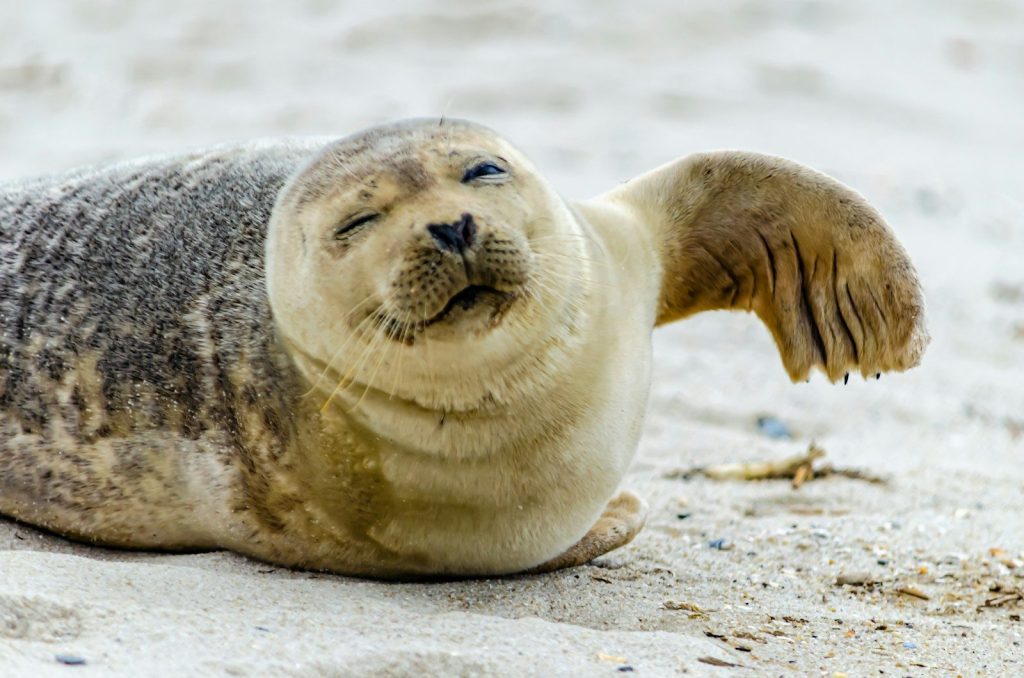
Disease is another major cause of mass animal die-offs across species. Viruses, bacteria, and parasites can spread quickly through dense populations, especially when animals are already stressed by environmental changes.
In many cases, disease outbreaks do not act alone. They often combine with environmental stressors, making animals more vulnerable and increasing mortality rates. Researchers note that disease is one of the most frequently documented causes of mass mortality events worldwide.
Some outbreaks can wipe out a large percentage of a population in a very short time, especially in species with limited genetic diversity or restricted habitats.
Algal Blooms and Water Toxicity
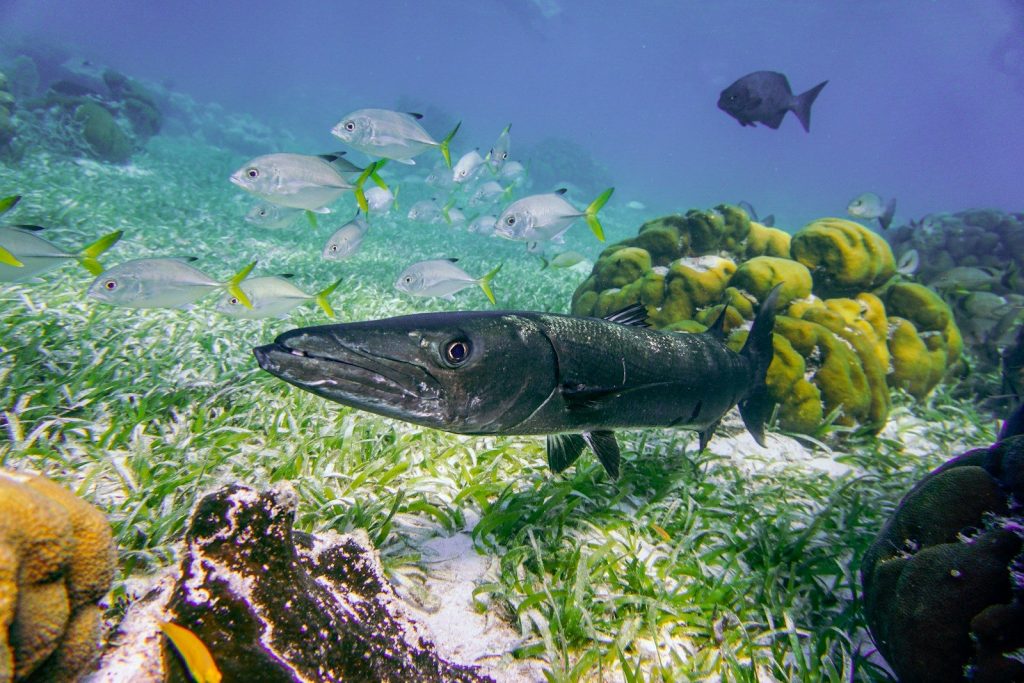
In aquatic environments, harmful algal blooms are a major trigger of sudden die-offs. These blooms reduce oxygen levels in the water and can also release toxins that directly harm fish and other marine life.
Such events are often linked to nutrient pollution from agriculture, wastewater, and industrial runoff. When algae grow uncontrollably, they can create “dead zones” where most aquatic organisms cannot survive.
These toxic and low-oxygen conditions are responsible for many of the large-scale fish mortality events reported around the world.
Human Activity and Environmental Disruption
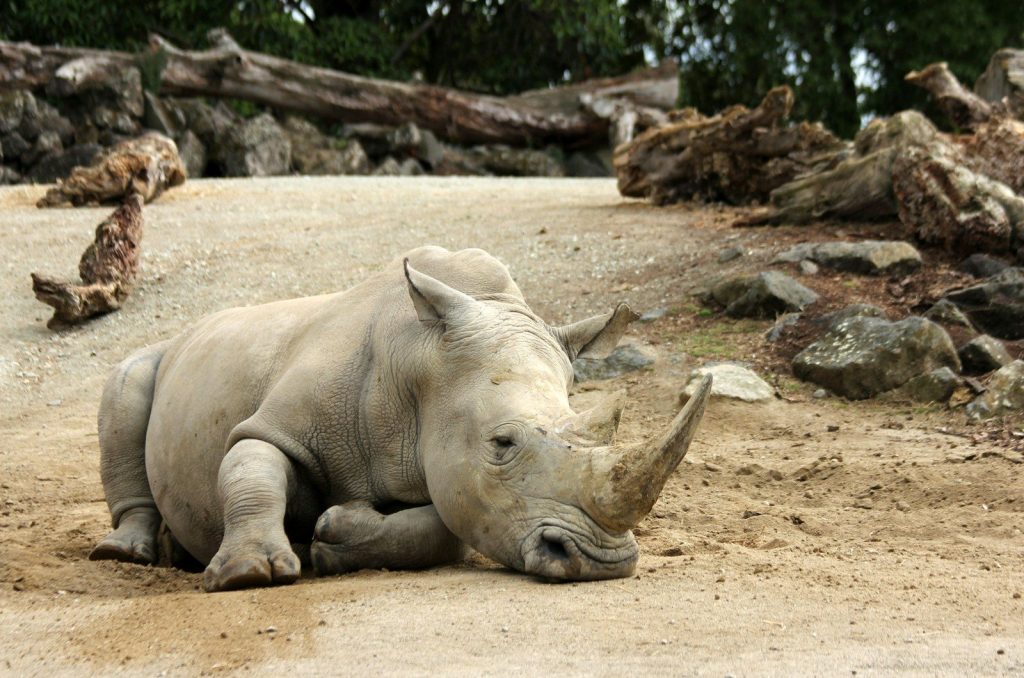
Human influence plays a significant role in many modern die-offs, even when it is not immediately obvious. Pollution, habitat destruction, overfishing, and land-use changes can all weaken ecosystems and make species more vulnerable to sudden collapse.
In some cases, human infrastructure such as dams, agricultural runoff systems, or urban expansion alters natural water flow and temperature patterns. These changes can create unstable environments where even small disturbances lead to large-scale deaths.
Scientists also point out that many mass mortality events are now more frequently reported due to improved monitoring and media coverage, which can make the problem appear more common than in the past, even though it is also influenced by real environmental pressures.
Multiple Causes Working Together
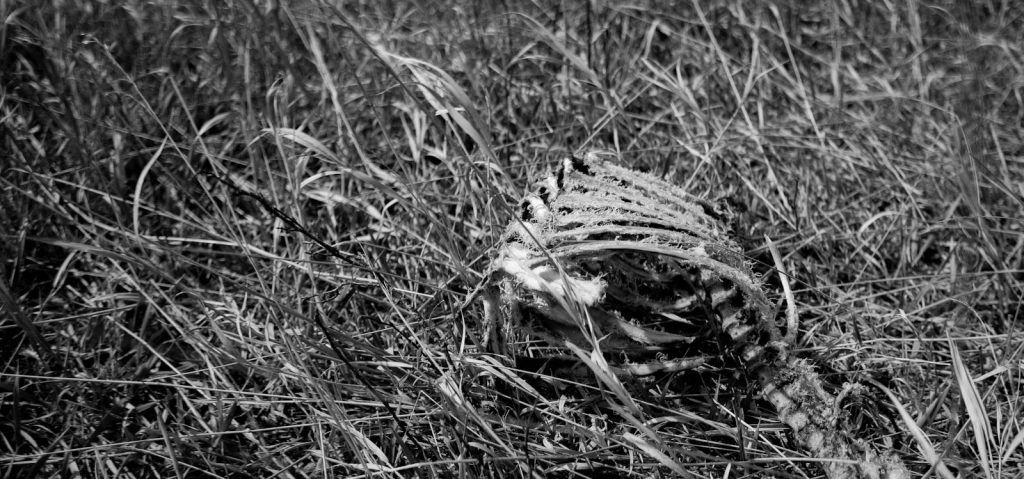
One of the key scientific insights is that most die-offs are not caused by a single factor. Instead, they often result from a combination of stressors such as disease, pollution, climate extremes, and habitat disruption acting together.
These overlapping pressures weaken populations over time until a tipping point is reached. Once that threshold is crossed, large numbers of animals can die within days or even hours, creating the appearance of a sudden and unexplained event.
Why These Events Matter for Ecosystems
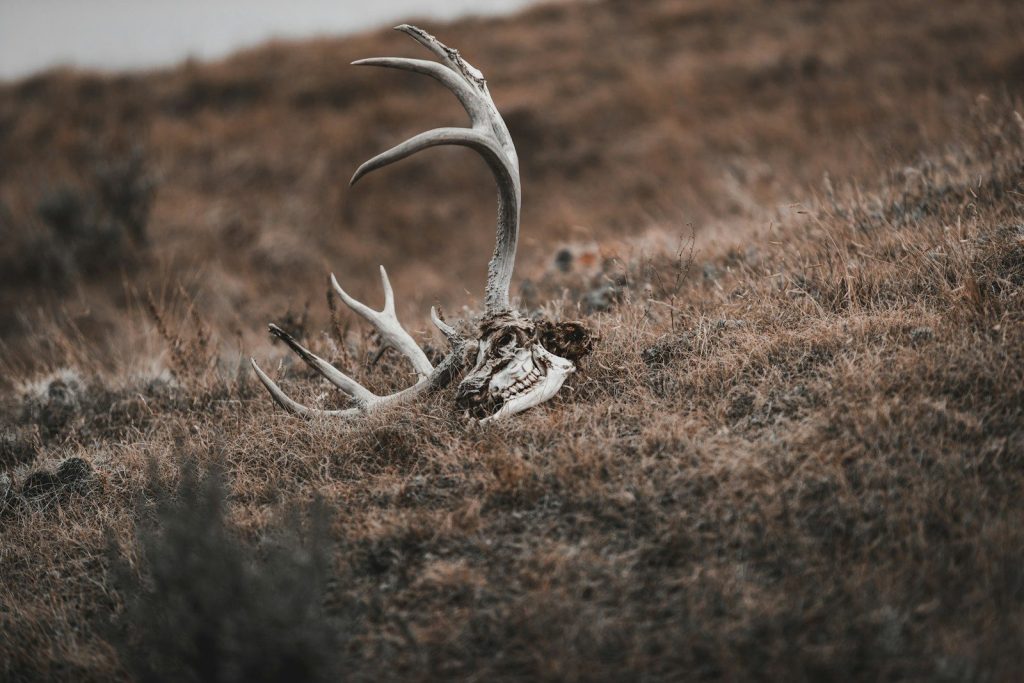
Mass die-offs can have lasting effects on ecosystems, changing food webs and altering how energy flows through environments. When large numbers of animals die at once, scavengers and decomposers respond quickly, and nutrient cycles can shift dramatically.
In some cases, these events also serve as warning signals of deeper environmental problems. They can indicate pollution, climate stress, or ecosystem imbalance that may also affect other species, including humans.
Understanding the real science behind these events helps separate natural ecological processes from unusual or unexplained phenomena, while also highlighting the growing impact of environmental change on wildlife populations.