The natural world is full of surprises that often feel more like myths than science. Some animals have evolved abilities and behaviors so unusual that they sound made up at first hearing. Yet these facts are all backed by research, showing just how creative and unpredictable evolution can be. Here are 7 fascinating animal facts that prove nature is far stranger than fiction.
1. Wombats produce cube-shaped poop
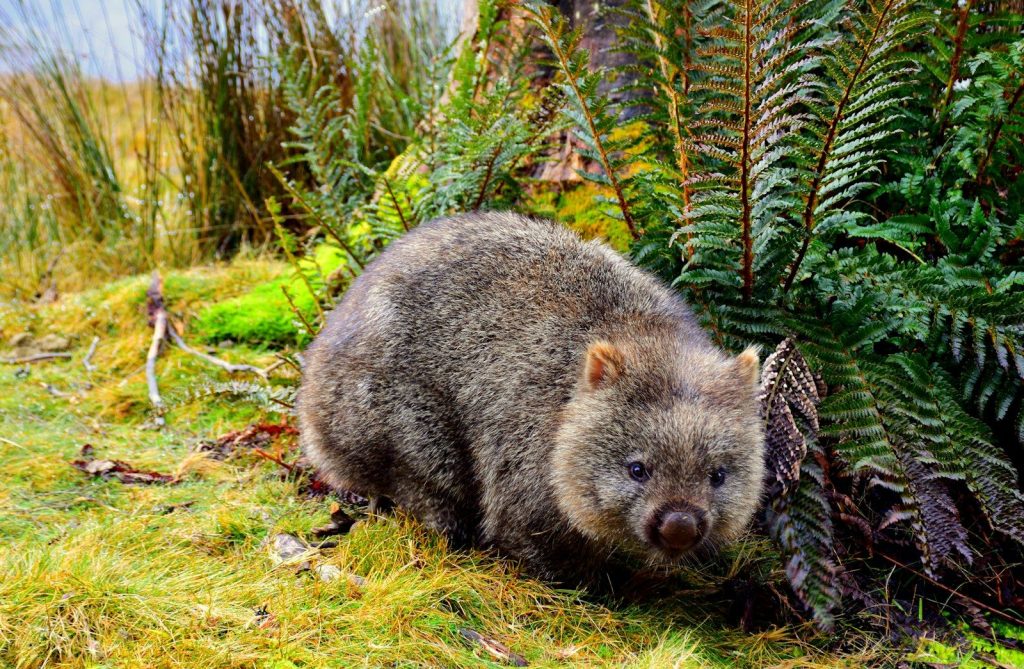
One of the most unusual biological facts in the animal kingdom comes from wombats. These Australian marsupials produce feces shaped like small cubes. This isn’t a random quirk—it’s the result of how their intestines function. As food moves through the digestive tract, varying elasticity in the intestinal walls shapes the waste into cubes.
The reason behind this unusual shape is practical. Cube-shaped droppings don’t roll away, which helps wombats stack and mark territory more effectively. In a world where scent marking is important for communication, this strange adaptation gives them a unique advantage.
2. Octopuses have three hearts and blue blood
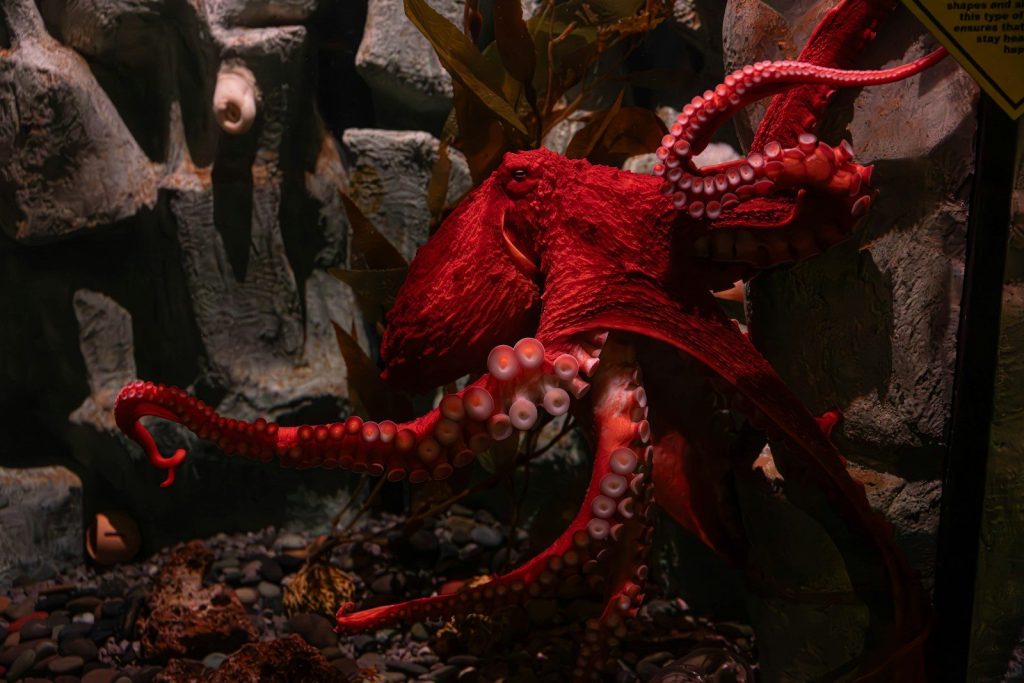
Octopuses are among the most intelligent invertebrates on Earth, but their biology is just as fascinating as their behavior. They have three hearts: two pump blood to the gills, and one circulates oxygenated blood to the rest of the body.
Even more unusual is their blue blood, which contains copper-based hemocyanin instead of iron-based hemoglobin like humans. This adaptation helps them survive in cold, low-oxygen environments deep in the ocean. However, when an octopus swims vigorously, its main heart temporarily stops beating, which is one reason they prefer crawling over swimming.
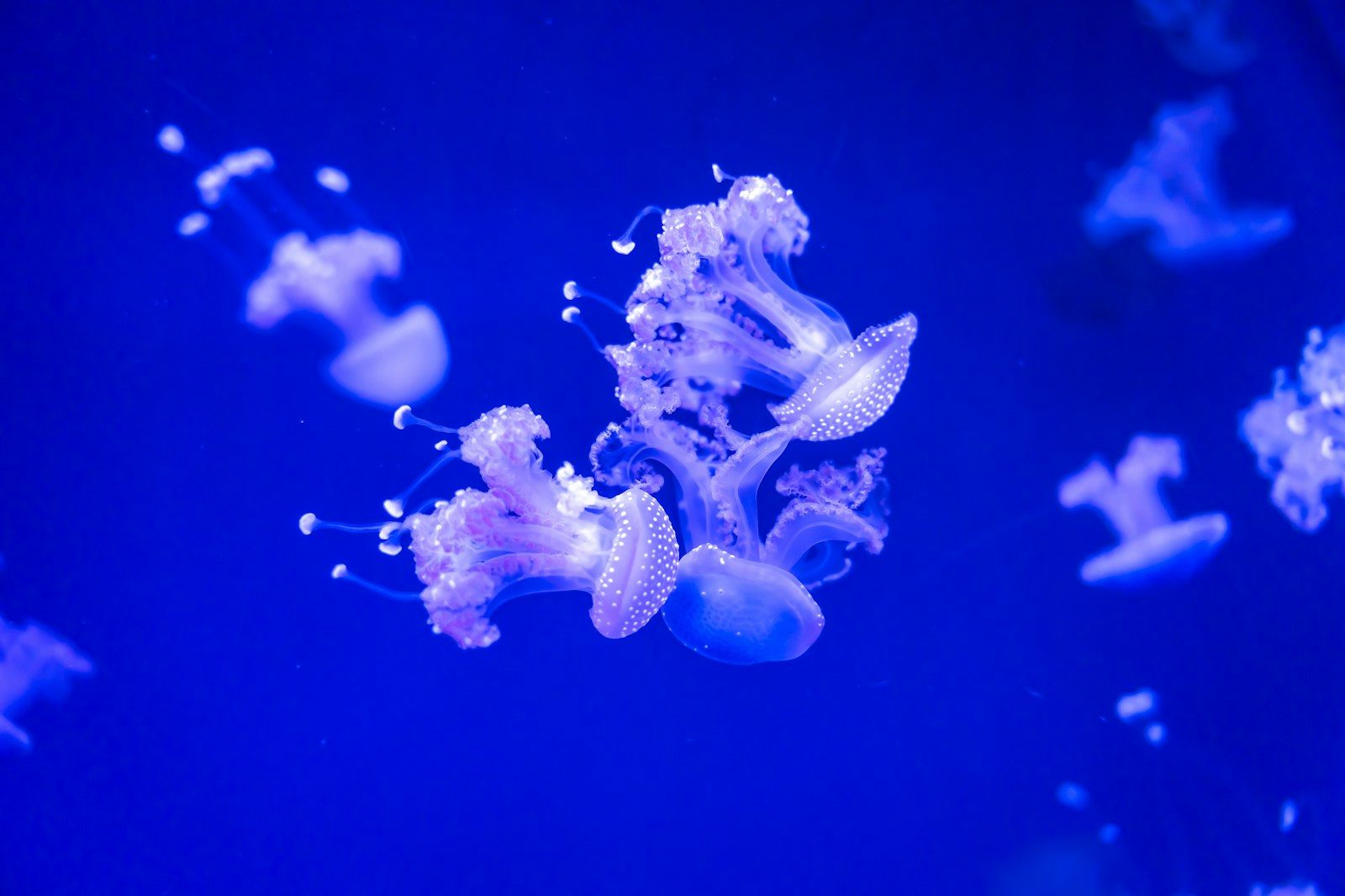
3. A jellyfish can reverse its aging process
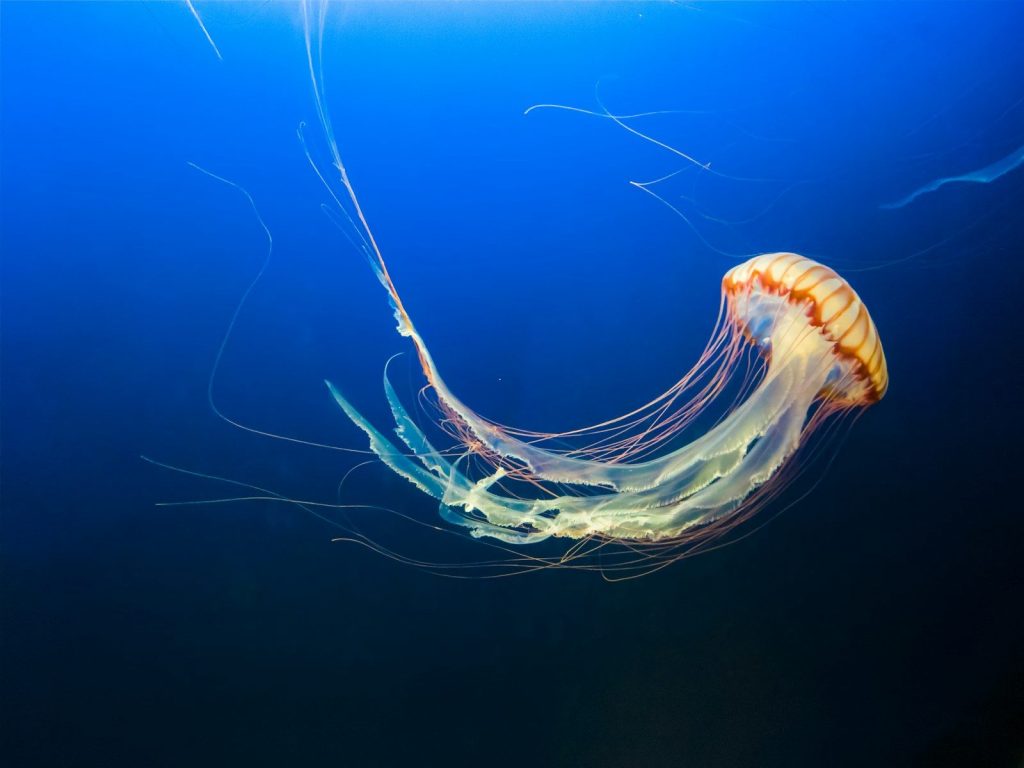
The species Turritopsis dohrnii, often called the “immortal jellyfish,” has an extraordinary ability. When faced with stress, injury, or aging, it can transform its cells back into an earlier stage of life.
In simple terms, it can restart its life cycle. Instead of dying from old age, it reverts to a juvenile form and begins again. While it is not truly invincible in the wild due to predators and disease, this biological reset makes it one of the closest known examples of “biological immortality” in nature.
4. Penguins can “fly” underwater
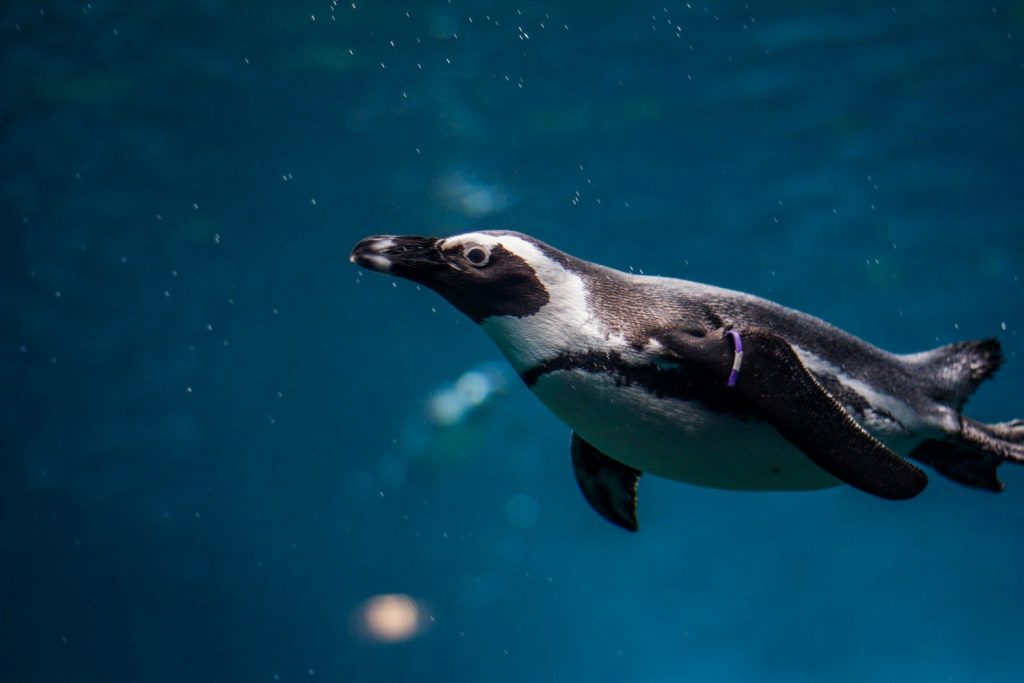
Although penguins are birds, they cannot fly through the air. Instead, they have adapted their wings into flippers that make them powerful underwater swimmers. When diving, penguins move through the water with such speed and precision that it looks like flying.
Some species can reach speeds of over 20 miles per hour underwater. This adaptation helps them escape predators and catch fish efficiently in cold ocean environments.
5. Butterflies taste with their feet
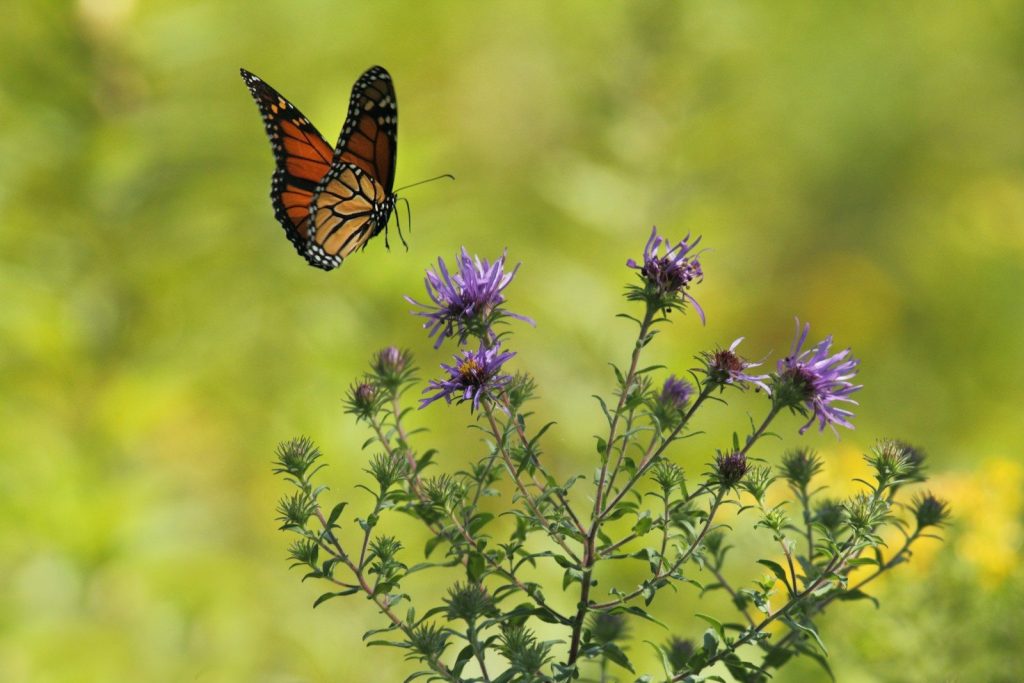
Butterflies have a surprisingly unusual way of interacting with the world. They use sensors on their feet to taste surfaces. When a butterfly lands on a plant, it can instantly determine whether it is suitable for laying eggs.
This ability helps ensure their larvae hatch on the right food source. Instead of relying only on vision or smell, butterflies “taste” their environment through direct contact.
6. Axolotls can regrow entire body parts
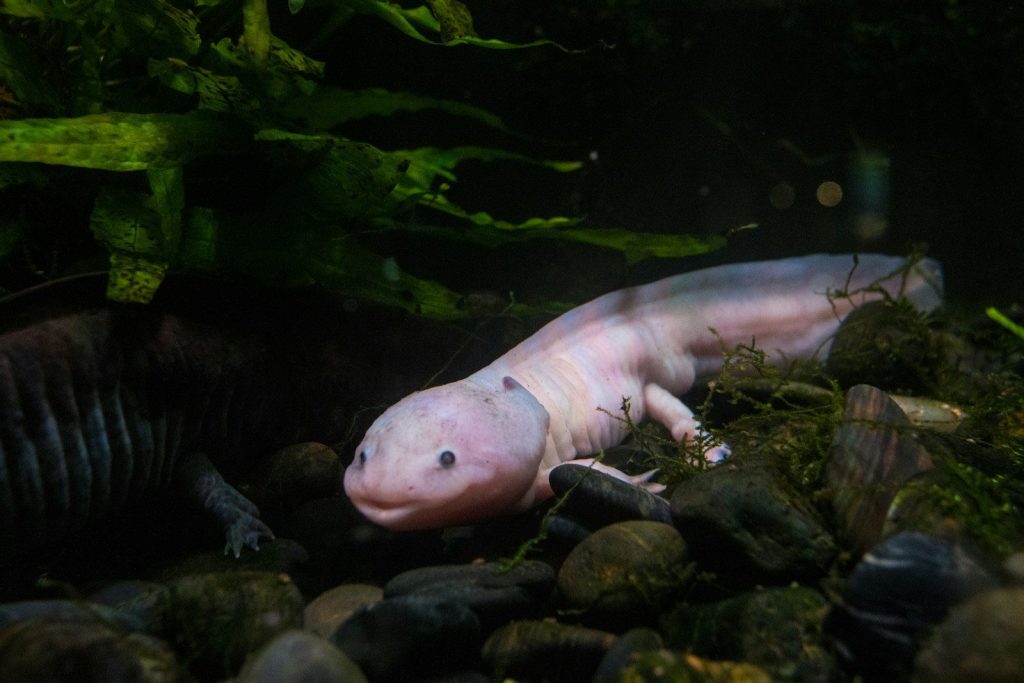
The axolotl, a type of salamander native to Mexico, is famous for its regenerative abilities. Unlike most animals, it can regrow entire limbs, parts of its spinal cord, heart tissue, and even sections of its brain.
What makes this even more remarkable is that axolotls do not scar during healing. Scientists study them closely in hopes of understanding how regeneration could one day be applied to human medicine.
7. Honey never spoils
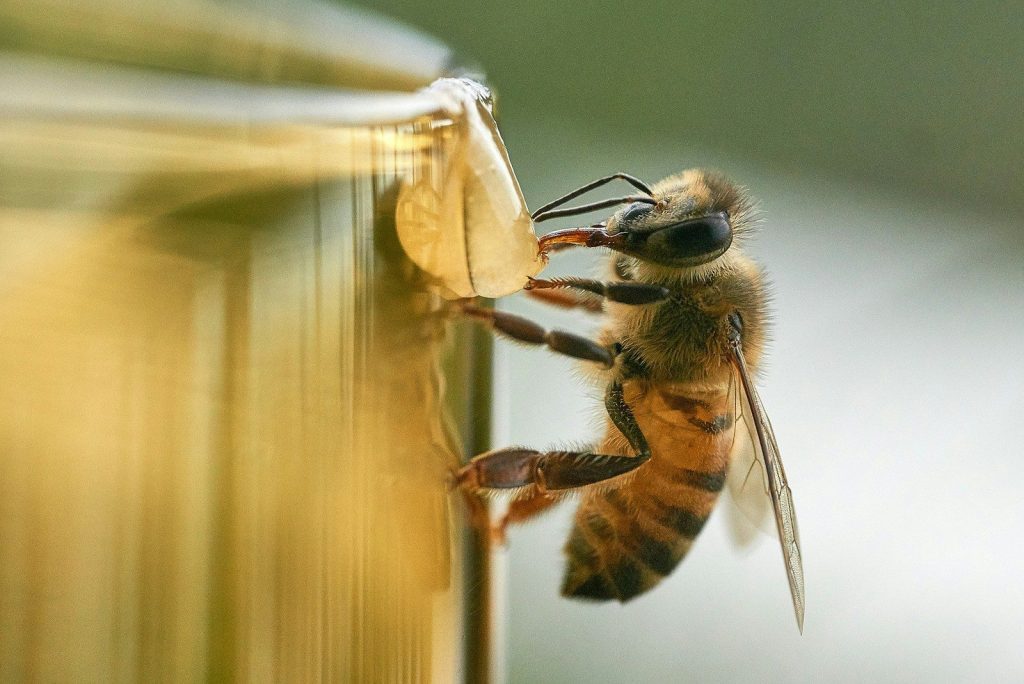
Honey is one of the few natural foods that can last indefinitely. Archaeologists have discovered pots of honey in ancient Egyptian tombs that are still edible after thousands of years.
This is due to honey’s low moisture content, acidic pH, and natural antibacterial properties. These conditions make it nearly impossible for bacteria or microorganisms to survive, allowing honey to remain preserved for extremely long periods.