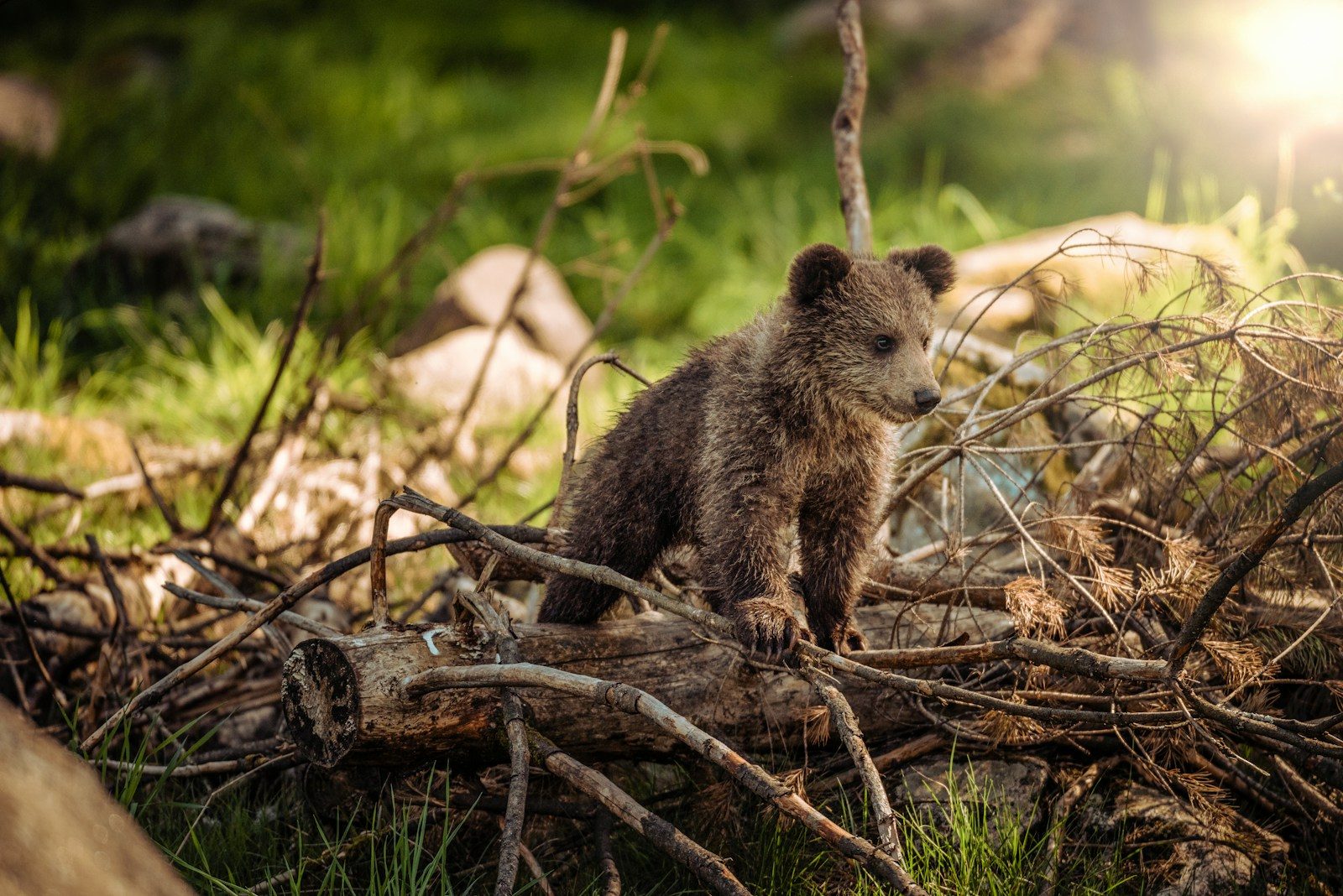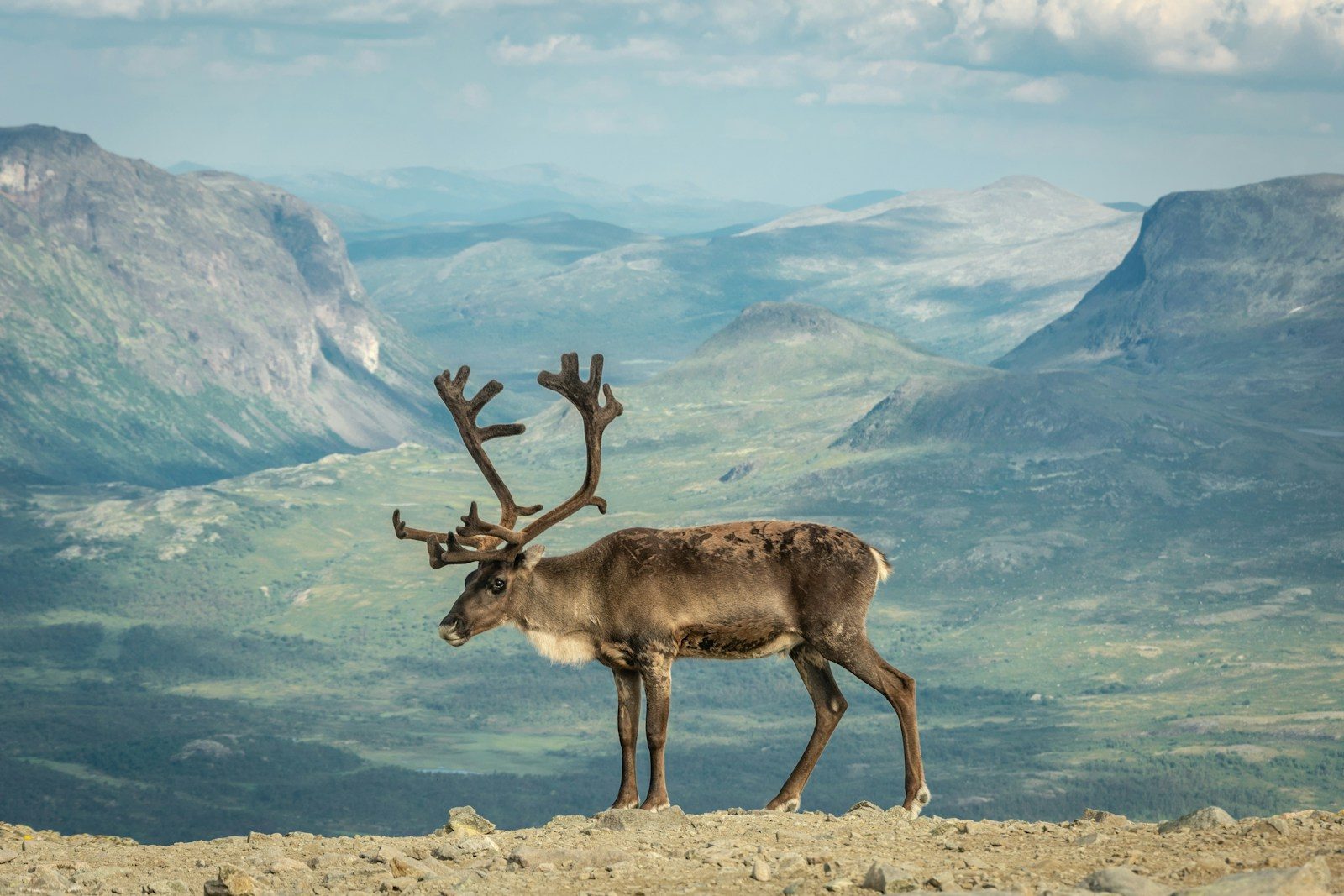
For wildlife lovers, few experiences compare to seeing animals in their natural habitat. Watching lions stalk across African plains, whales rise from icy oceans, or orangutans move through rainforest canopies creates moments that feel almost unreal. Some countries stand out above the rest because of their extraordinary biodiversity, protected ecosystems, and unforgettable wildlife encounters. Here are seven destinations where nature feels straight out of a documentary film.
1. Kenya
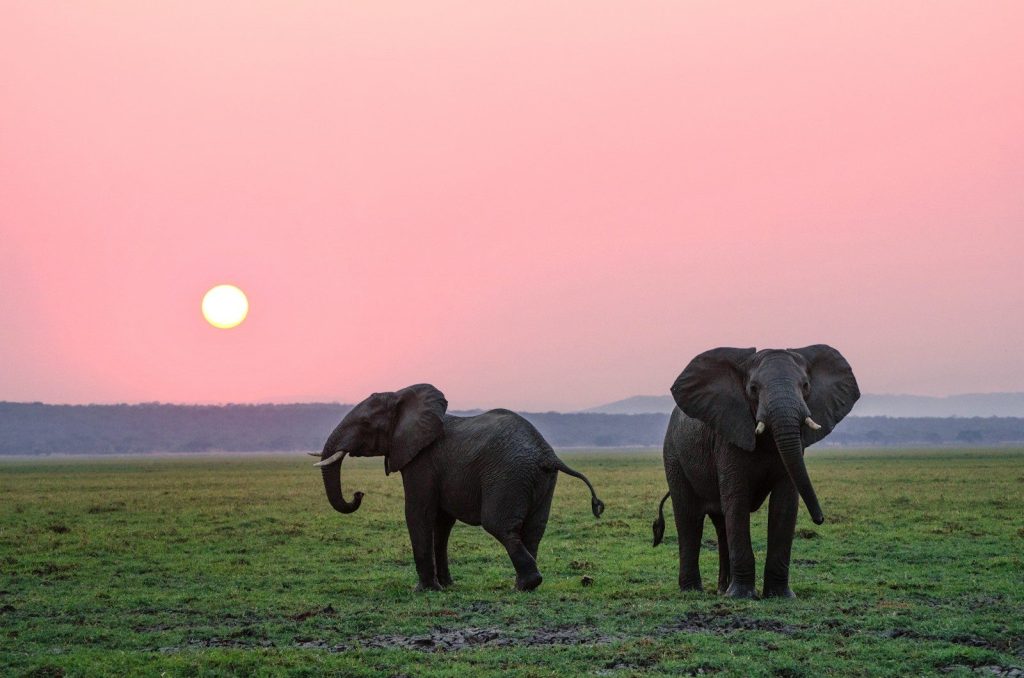
Kenya is one of the world’s most legendary safari destinations. The country’s Maasai Mara ecosystem hosts the Great Migration, where millions of wildebeest and zebras cross dangerous rivers while predators wait nearby. Lions, cheetahs, elephants, giraffes, and rhinos roam freely across vast grasslands, creating scenes that look identical to classic wildlife documentaries.
Kenya’s mix of open landscapes and rich animal populations makes sightings frequent and dramatic, especially during migration season.
2. Costa Rica
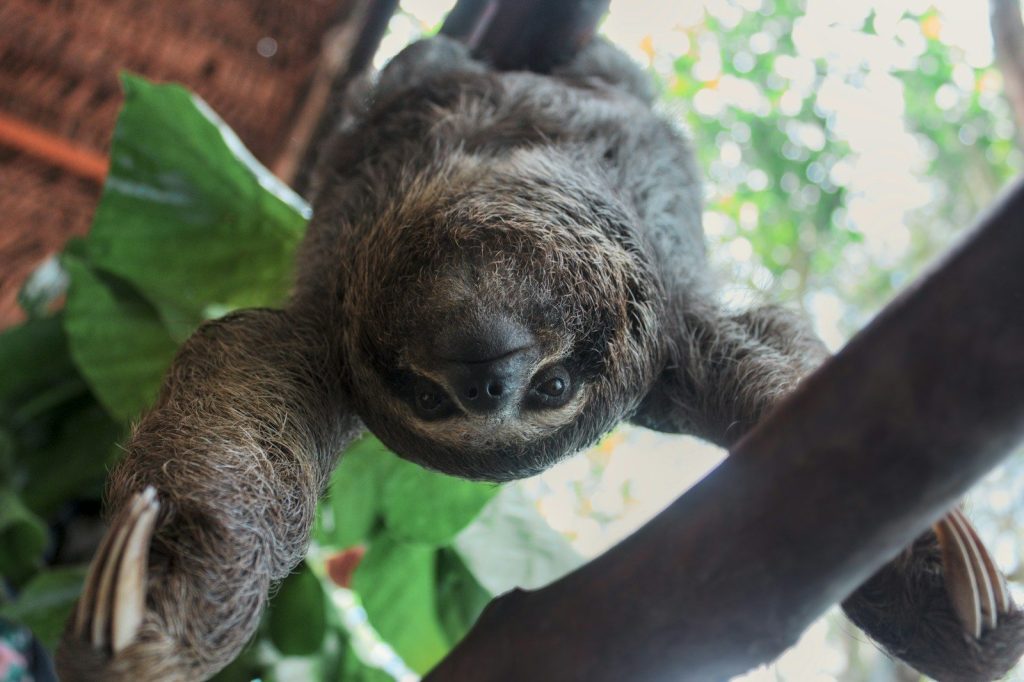
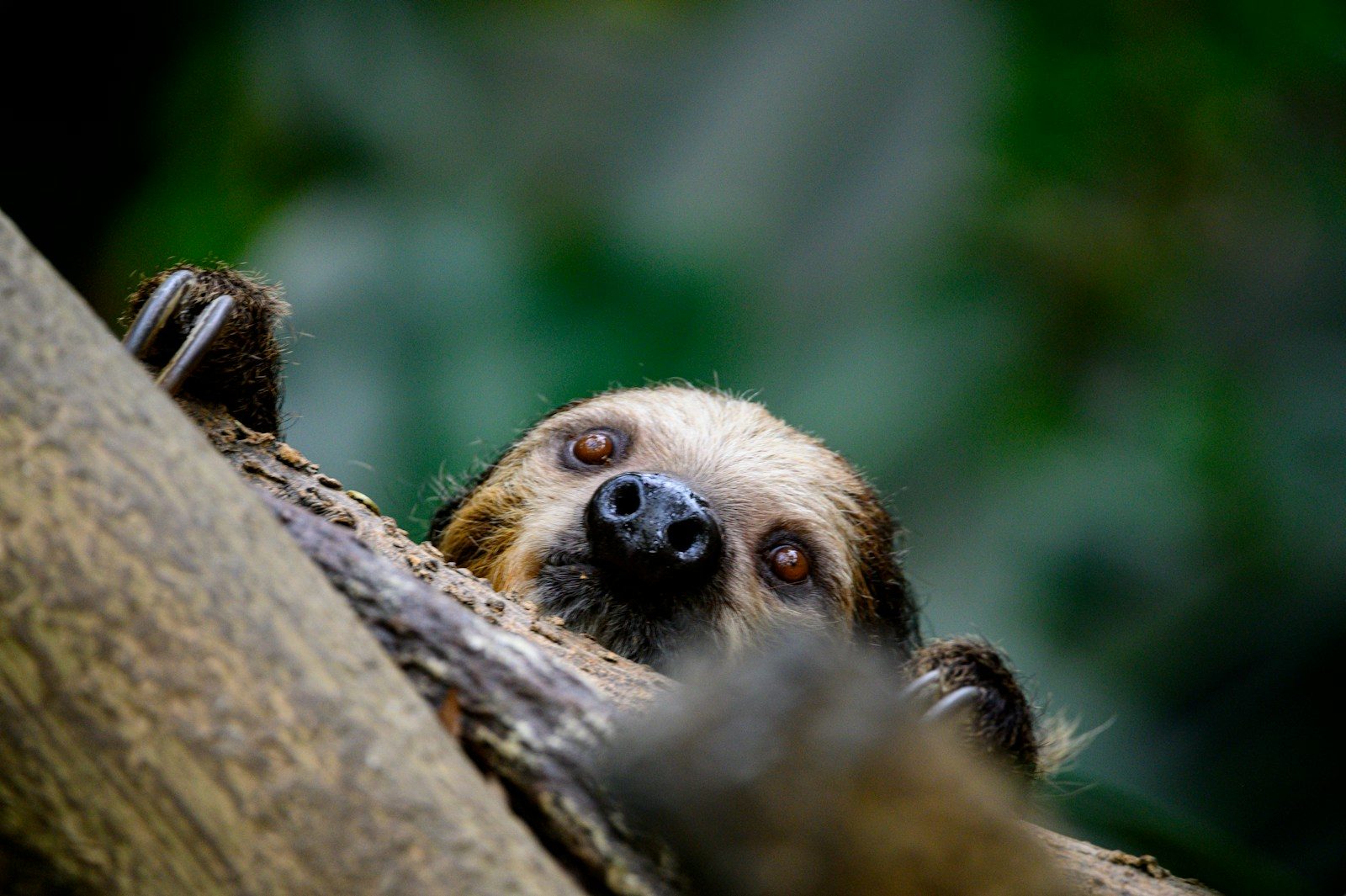
Costa Rica may be small, but it contains an astonishing amount of biodiversity. Dense rainforests, volcanoes, mangroves, and coastlines provide habitat for sloths, monkeys, toucans, poison dart frogs, and sea turtles.
Wildlife often appears incredibly close to visitors because many species thrive inside protected national parks. Whether hiking through jungle trails or boating along rivers, travelers constantly encounter animals in their natural environment.
3. South Africa
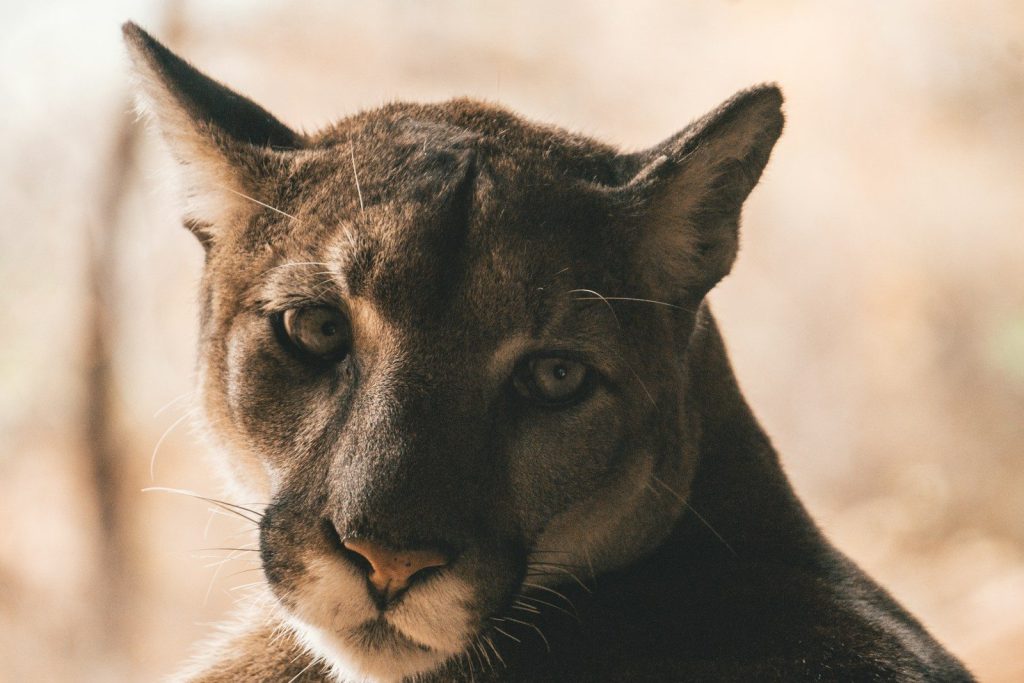
South Africa combines excellent wildlife viewing with modern tourism infrastructure, making it one of the easiest places to experience African safaris. Kruger National Park is famous for the “Big Five” — lion, leopard, elephant, rhino, and buffalo.
Beyond safaris, the country also offers marine wildlife experiences like whale watching, penguin colonies, and even shark cage diving. Few destinations offer such a wide variety of animal encounters in one country.
4. Australia
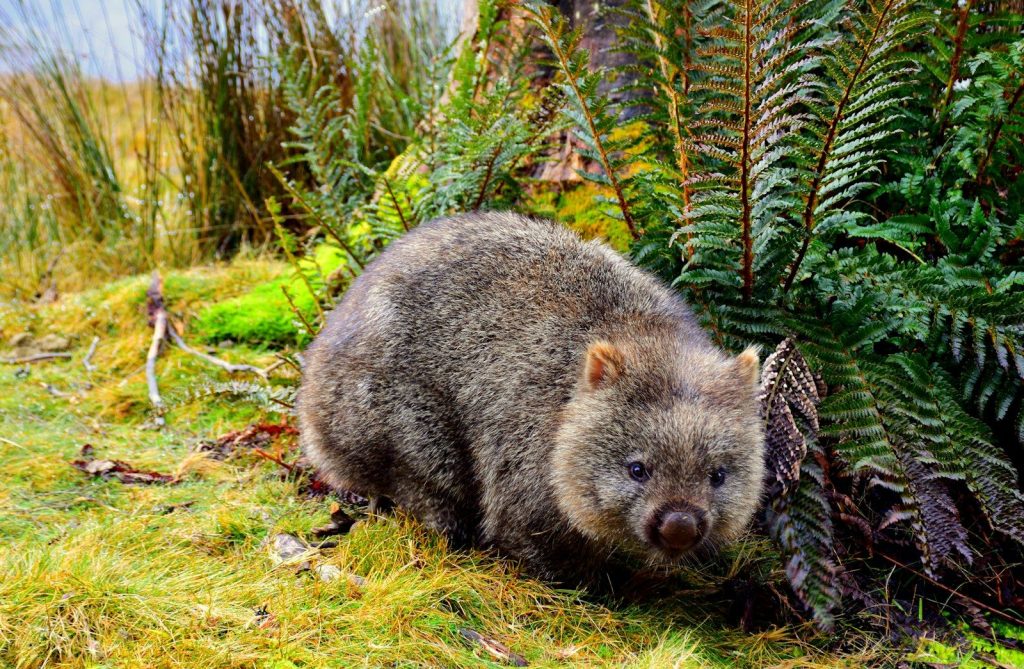
Australia’s wildlife feels unlike anything else on Earth. Kangaroos, koalas, wombats, platypuses, and cassowaries evolved in isolation, creating some of the strangest and most recognizable animals in the world.
The country’s marine ecosystems are equally impressive. The Great Barrier Reef supports sea turtles, reef sharks, manta rays, and thousands of colorful fish species. Australia feels like stepping into a completely different biological world.
5. Tanzania
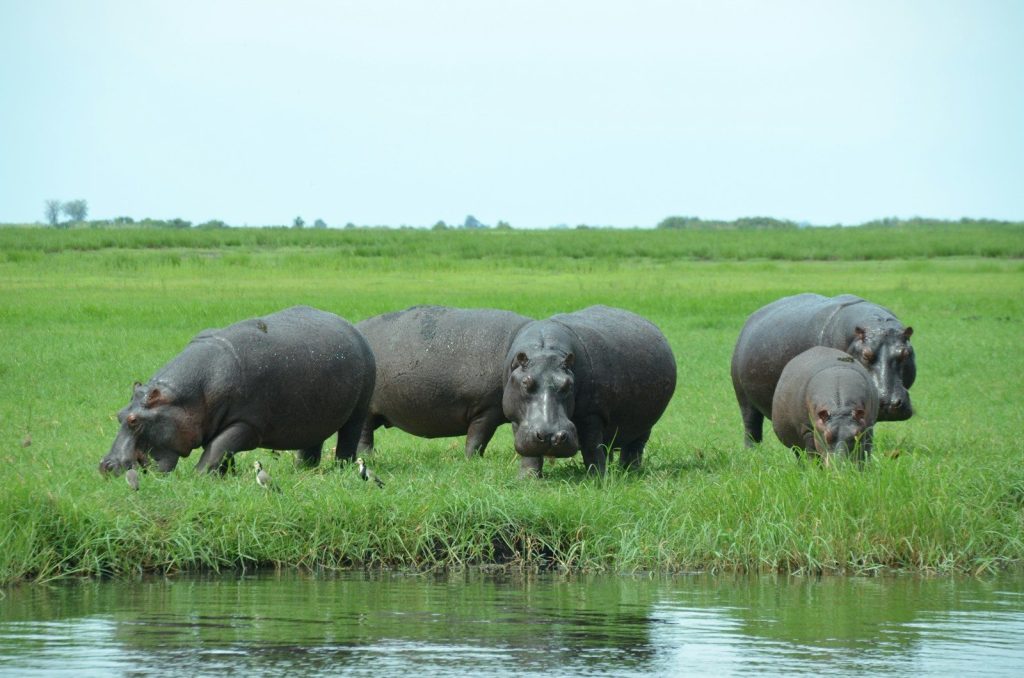
Tanzania is home to some of Africa’s most spectacular wildlife landscapes. Serengeti National Park hosts massive predator populations and endless herds of grazing animals, while the Ngorongoro Crater acts like a giant natural wildlife enclosure.
Safaris here often include close encounters with elephants, lions, hyenas, hippos, and leopards. The scale of the ecosystems makes every drive feel cinematic and unpredictable.
6. Brazil
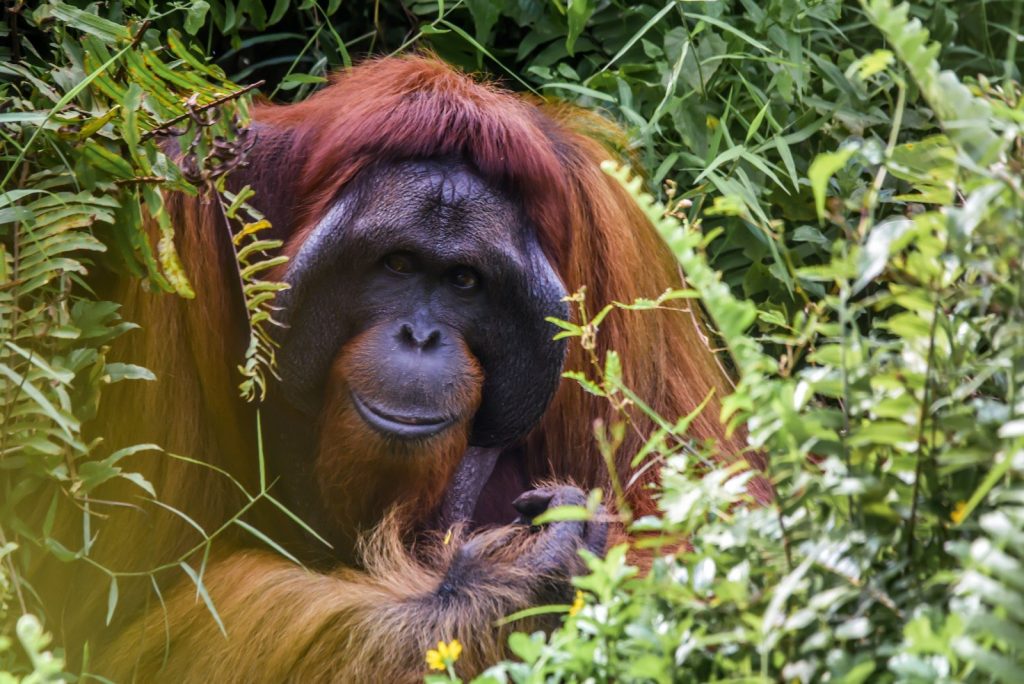
Brazil’s Pantanal wetlands are considered one of the best places on Earth to spot jaguars in the wild. Unlike dense rainforests where animals remain hidden, the Pantanal’s open waterways make wildlife easier to observe.
The Amazon rainforest adds another layer of biodiversity with pink river dolphins, macaws, monkeys, giant otters, and countless insects and reptiles. Brazil offers some of the richest ecosystems on the planet.
7. India
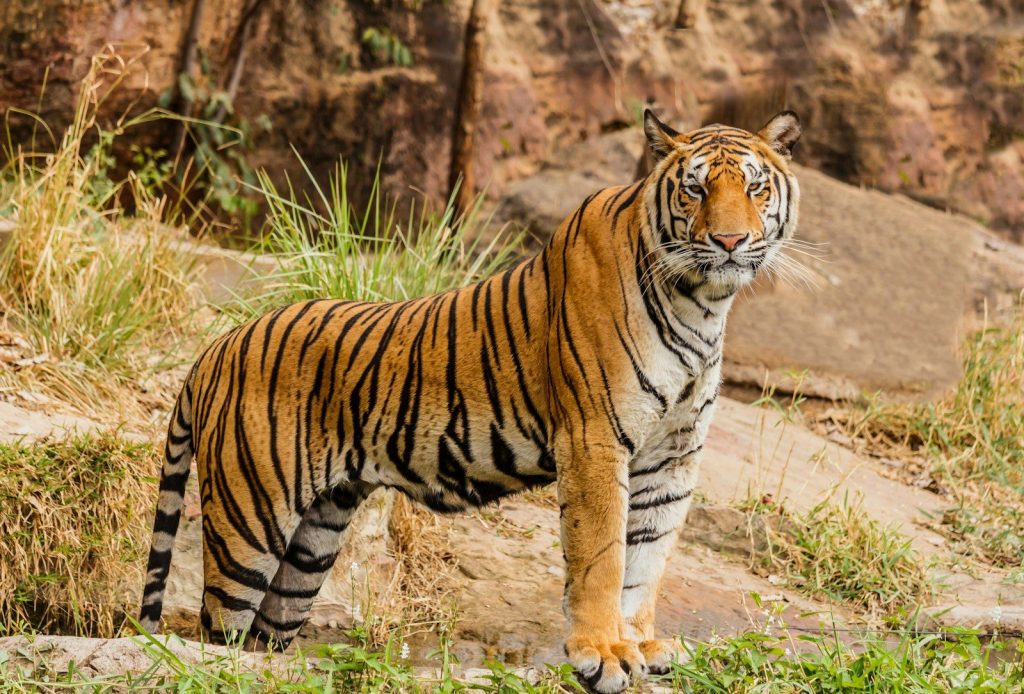
India provides a wildlife experience unlike anywhere else. National parks like Ranthambore and Bandhavgarh are famous for Bengal tiger sightings, often in dramatic jungle settings.
The country also protects elephants, leopards, rhinos, crocodiles, and rare birds across its varied landscapes. India’s combination of ancient forests, grasslands, and wetlands creates incredible opportunities for wildlife photography and exploration.