The natural world is full of surprising adaptations, and one of the most remarkable is the ability of some animals to change their gender during their lifetime. This phenomenon, known as sequential hermaphroditism, allows certain species to respond to environmental conditions, social structures, or reproductive needs.
For these animals, changing gender can improve reproductive success and help maintain healthy populations. While it may seem unusual, this strategy has evolved independently in several groups of animals.
Clownfish
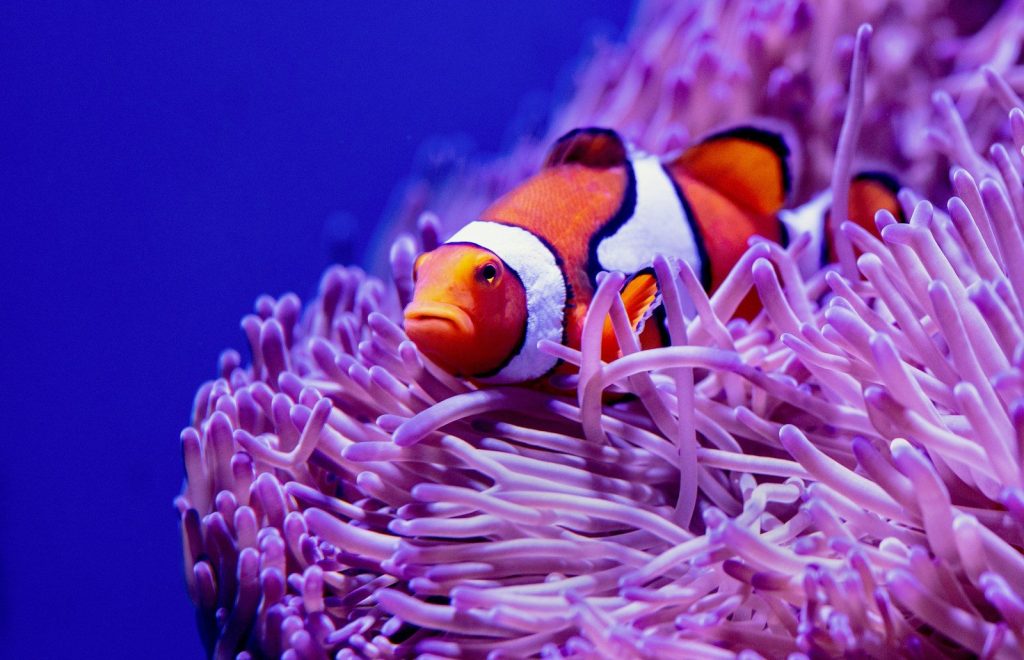
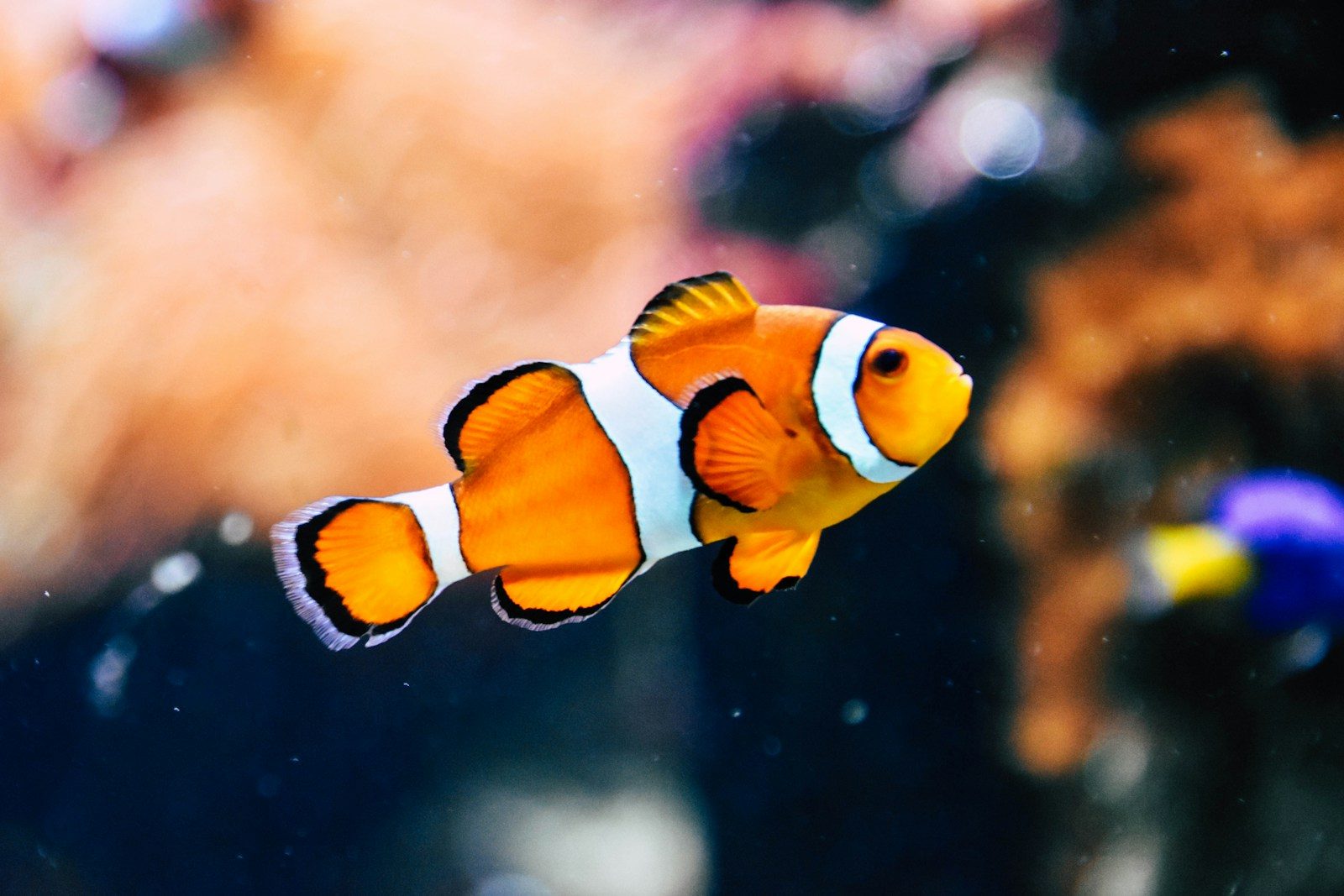
Clownfish are among the most famous gender changing animals in the world. Within a group, the largest individual is typically the breeding female, while the second largest is the breeding male.
If the female dies, the dominant male transforms into a female. Another male from the group then takes over the breeding role.
Grouper
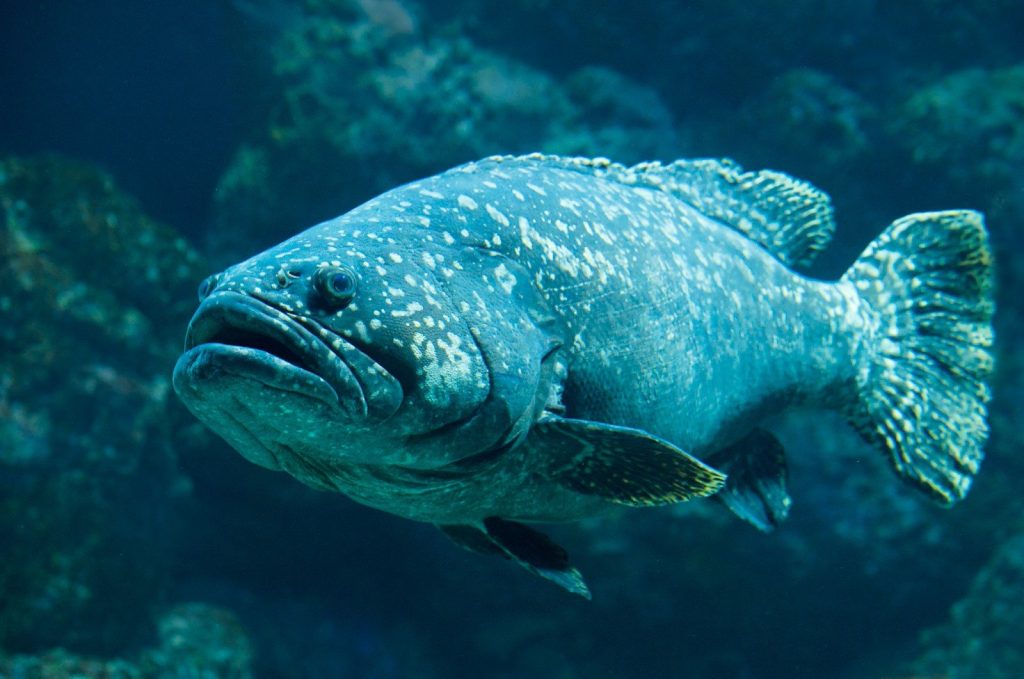
Many grouper species begin life as females and later become males. This strategy is particularly effective because larger males can fertilize the eggs of multiple females.
The transition often occurs as individuals grow older and larger. Size plays an important role in determining reproductive success.
Parrotfish
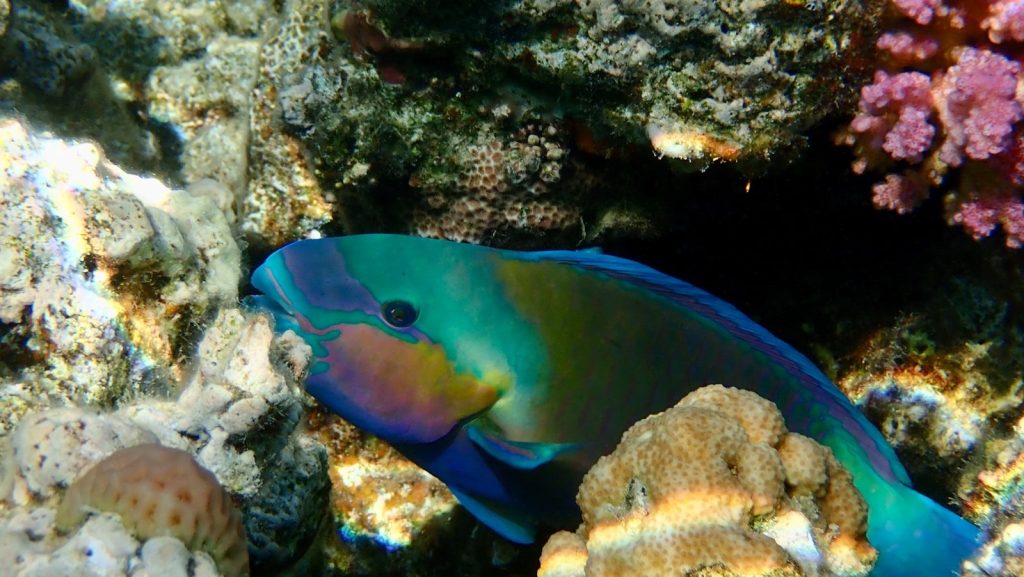
Parrotfish are colorful reef dwellers known for their ability to change gender during their lives. Some species begin as females before transforming into males later in adulthood.
This change is often accompanied by dramatic shifts in coloration. The new appearance helps establish social status within the group.
Black Porgy
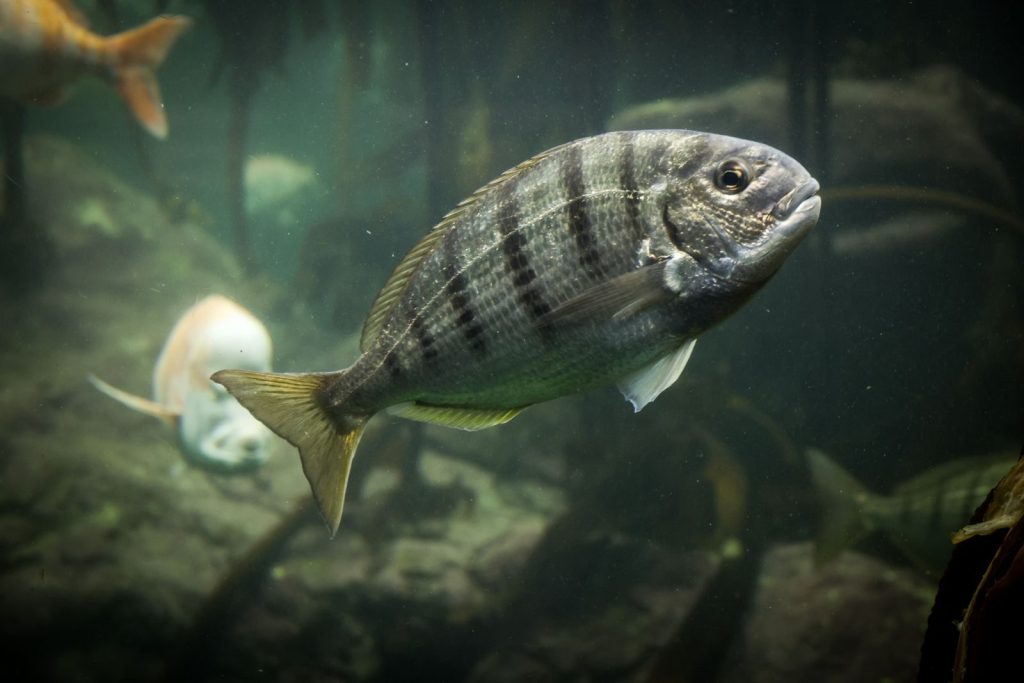
The black porgy is unusual because it possesses both male and female reproductive tissues at different stages of life. Many individuals function as males when young and become females as they age.
Researchers study this species to better understand the biological mechanisms behind gender change. It provides valuable insight into reproductive flexibility.
Oyster
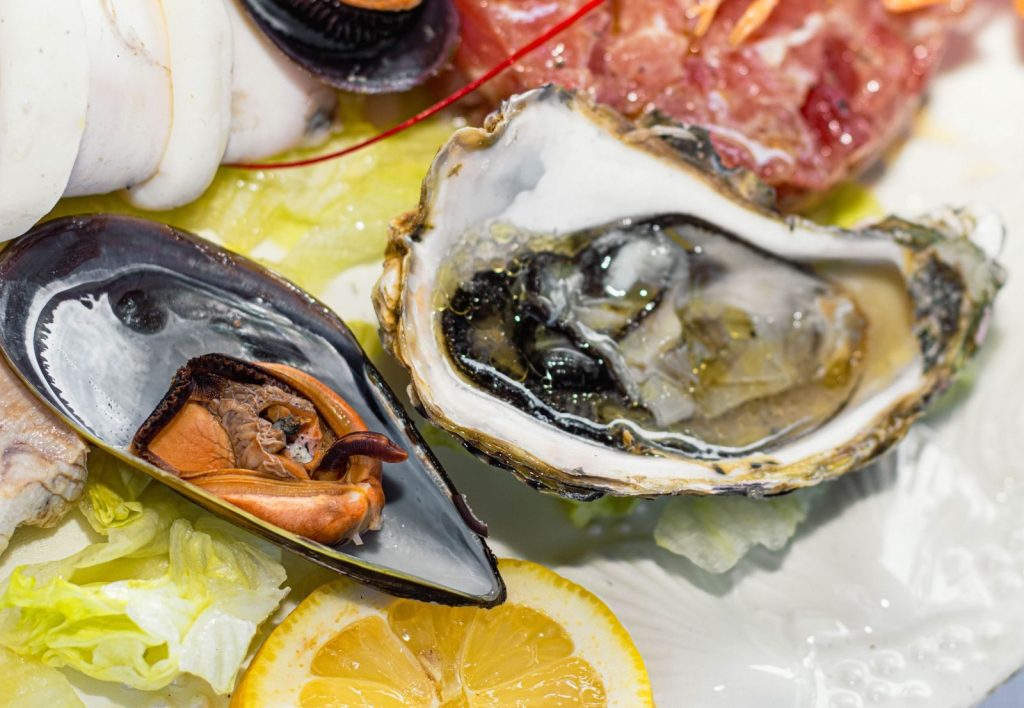
Many oyster species can switch between male and female reproductive roles depending on environmental conditions. Factors such as age, size, and resource availability may influence the transition.
This flexibility helps maximize reproductive opportunities. It is particularly useful in changing aquatic environments.
Goby
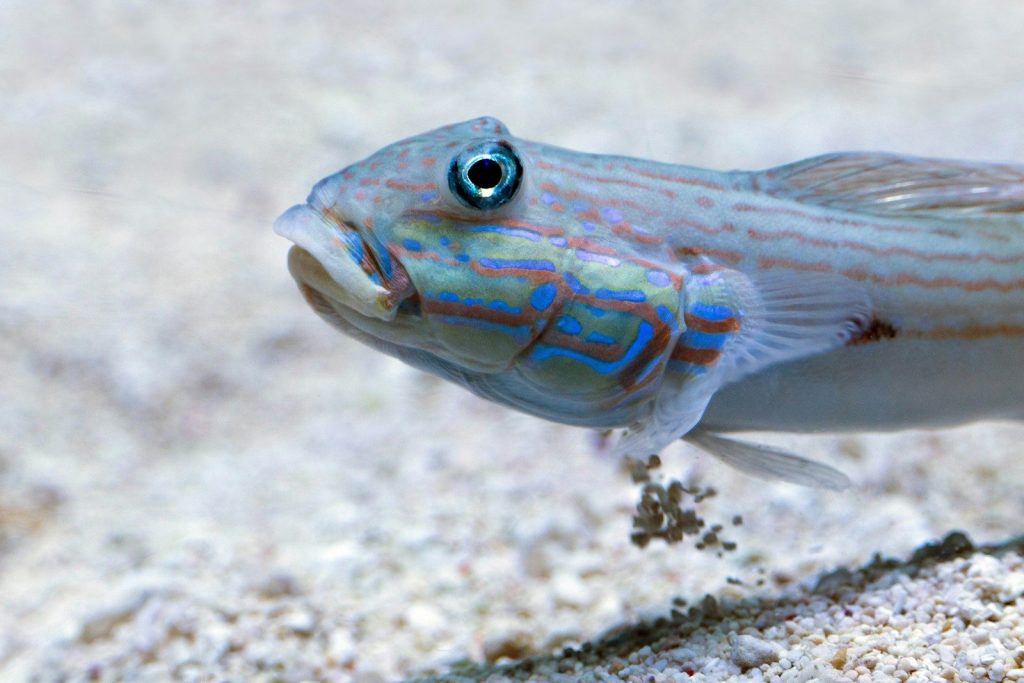
Gobies are small fish that display a wide range of reproductive strategies, including gender change. Some species can switch from male to female or vice versa depending on social circumstances.
This adaptability allows them to respond quickly to changes in population structure. It improves their chances of successful reproduction.