
Cats don’t understand human language the way people do, but they are highly sensitive to tone, repetition, and emotional cues. Certain sounds or words can become associated with negative experiences, causing stress or avoidance behavior.
Animal behavior experts suggest that what matters most is not the exact word, but how it is used and the emotional response it triggers in your cat.
Harsh or Angry Commands

Cats react strongly to loud or aggressive tones. Words shouted in frustration can make them feel threatened rather than understood.
Over time, repeated exposure to harsh commands can cause anxiety or avoidance behavior. Calm communication is far more effective for training and bonding.
“No” Said Repeatedly
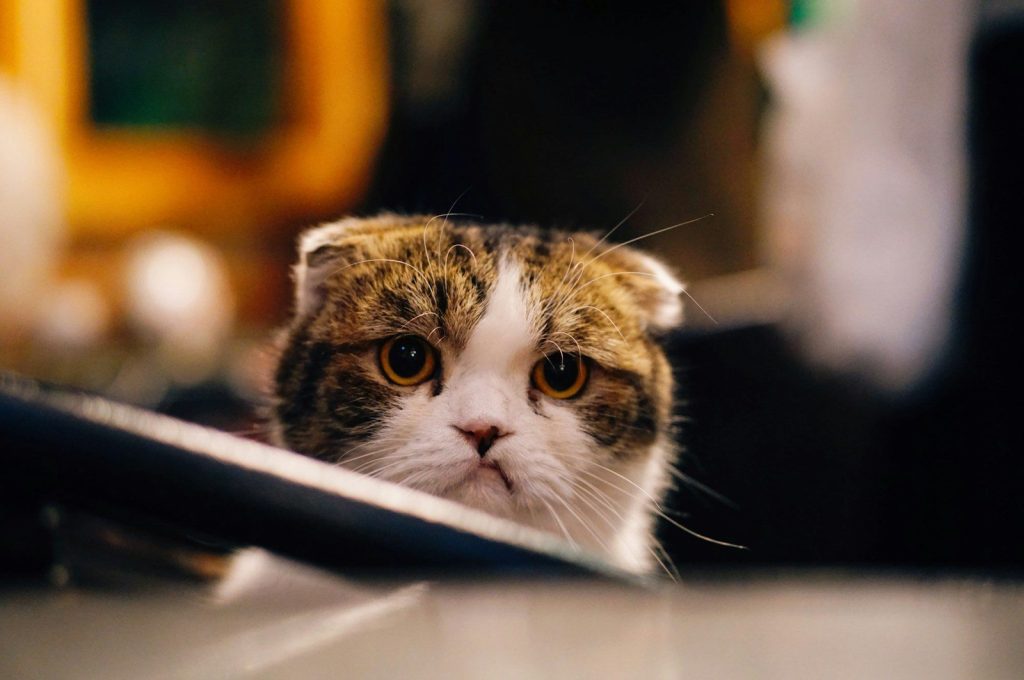
The word “no” is often used when a cat misbehaves. However, constant repetition without guidance can confuse the animal.
Cats learn better through redirection and positive reinforcement. Simply saying “no” without offering an alternative may not change behavior.
Their Name Used During Punishment

Using a cat’s name in a negative context can weaken recall. If a cat consistently hears its name during punishment, it may start ignoring it.
This can make training and communication less effective. It is better to associate their name with positive experiences like feeding or affection.
Sudden Loud Words
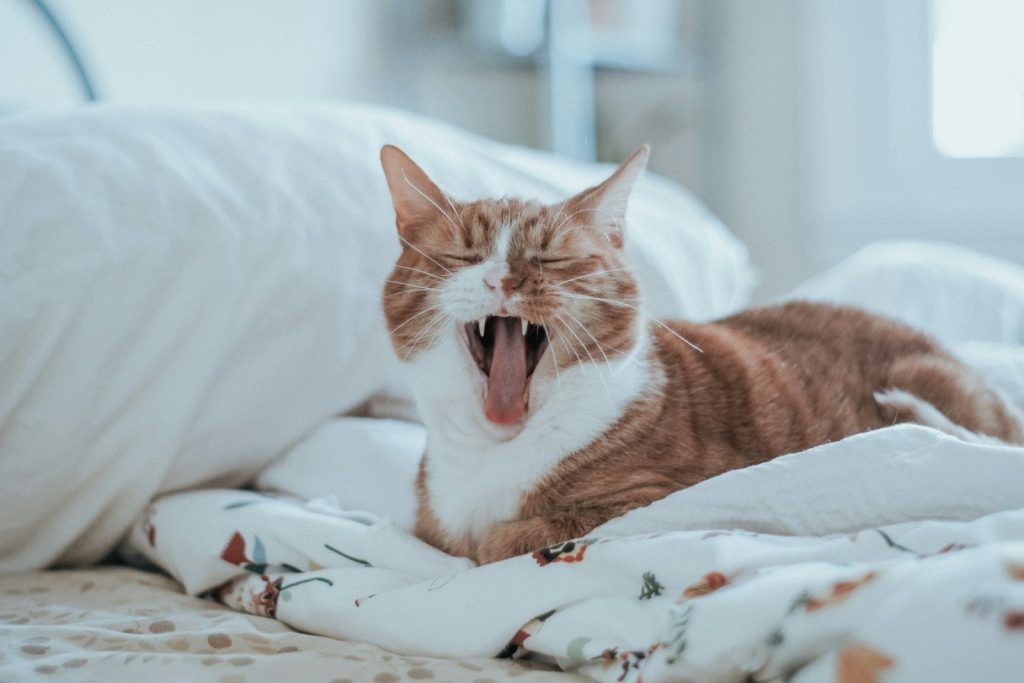
Sudden loud sounds or sharp words can startle cats. Cats have highly sensitive hearing and may perceive loud speech as a threat.
This can lead to hiding, stress, or defensive behavior. Gentle and consistent tone helps maintain trust.
Words Linked to Vet Visits

Many cats learn to associate certain cues with stressful events like vet visits. Even if they don’t understand the word itself, they recognize patterns.
Carriers, bags, or repeated routines can trigger anxiety. Reducing stress associations can help improve their experience.
Repeated Negative Phrases

Constant negative language can create a stressful environment. Cats may not understand meaning, but they respond to emotional energy.
A calm and positive environment helps build stronger bonds and reduces behavioral issues.