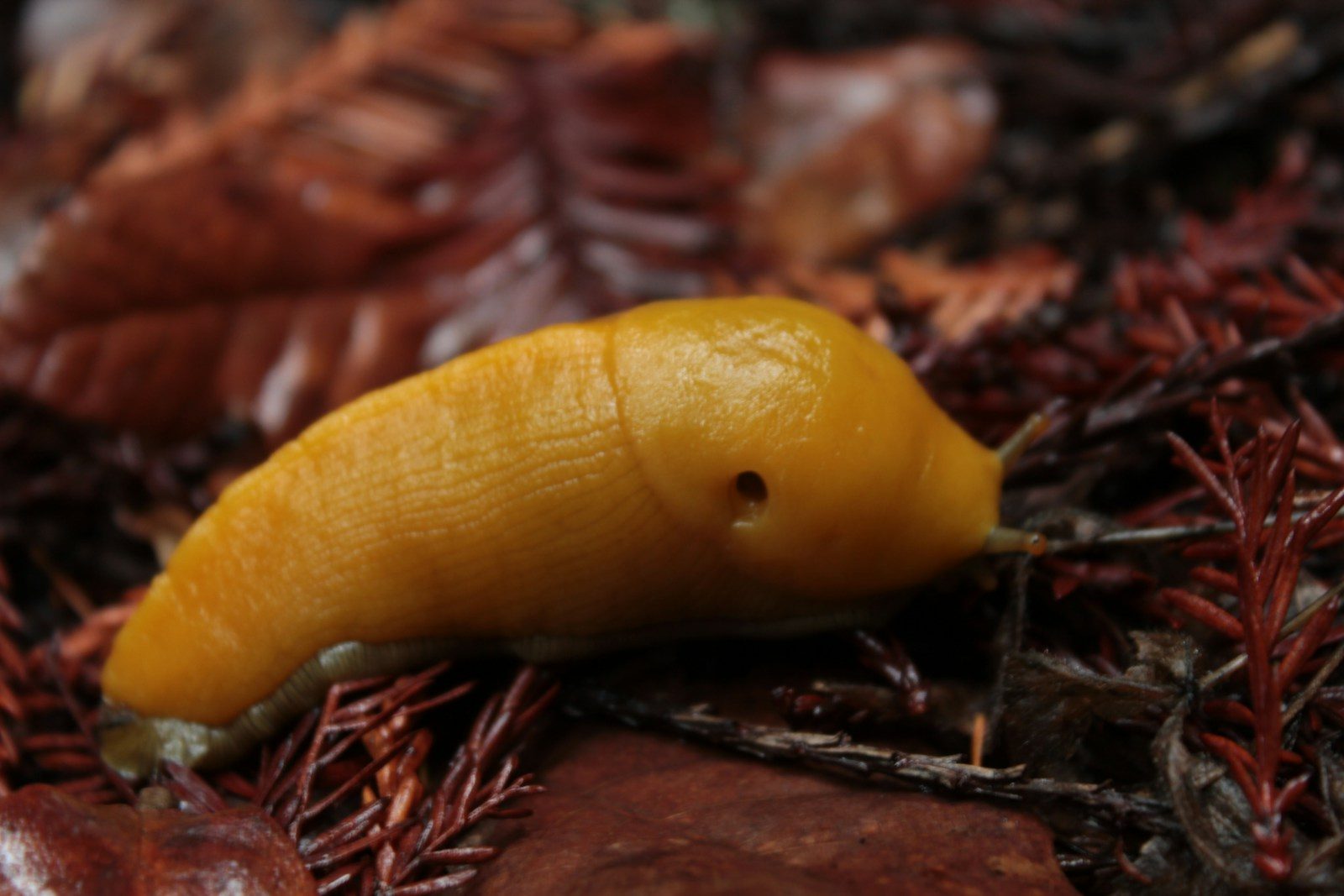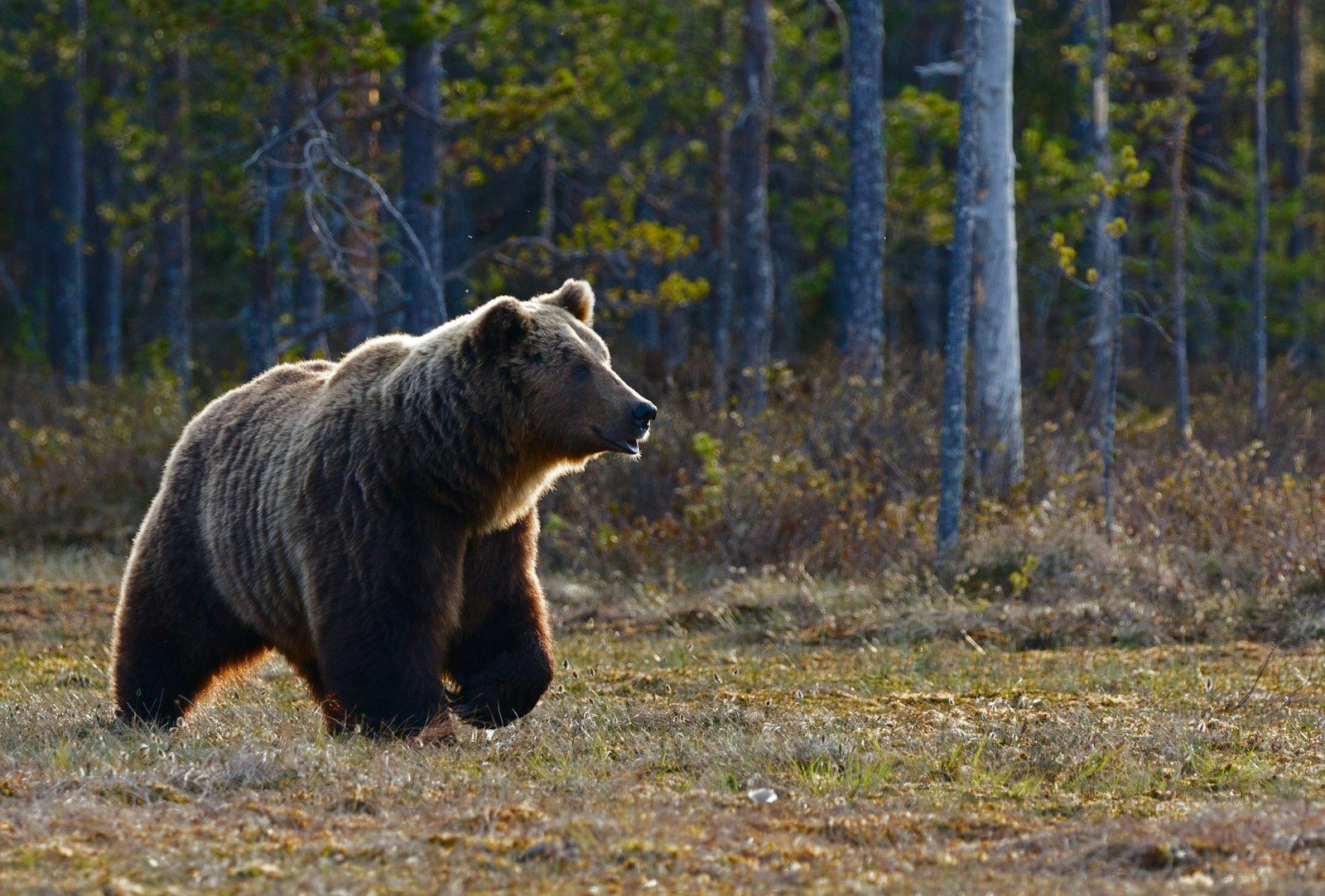
The animal kingdom is full of creatures that look like they belong in science fiction. Many of these species remain unfamiliar to most people because they live in remote habitats or have unusual appearances and behaviors.
From deep oceans to hidden forests, these animals show how diverse and surprising life on Earth can be. Their adaptations often seem strange, but each one plays an important role in its ecosystem.
Axolotl
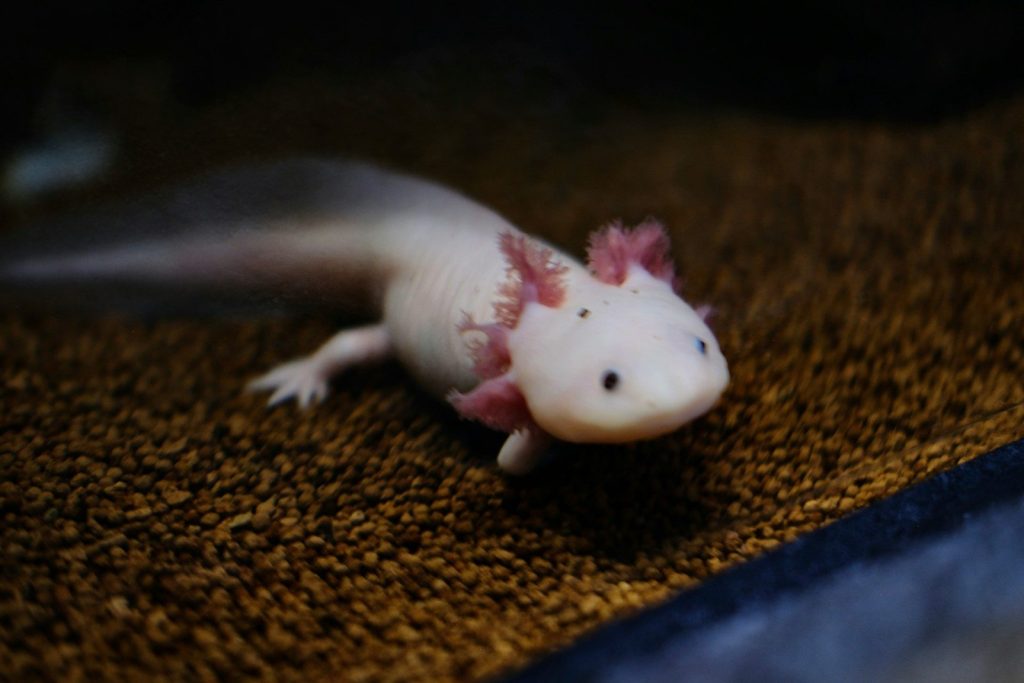
The axolotl is a rare aquatic salamander known for its ability to regenerate body parts, including limbs and parts of its heart. Unlike most amphibians, it remains in its juvenile form throughout its life.
This unusual trait, called neoteny, allows it to stay fully aquatic. It is also widely studied in science due to its regenerative abilities.
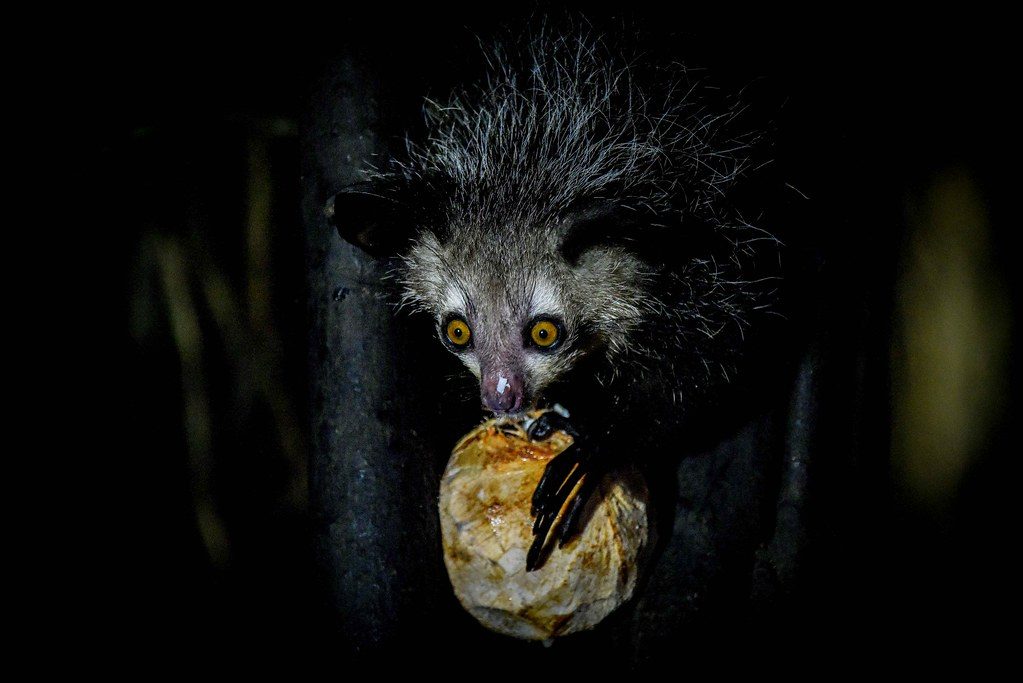
Aye-Aye
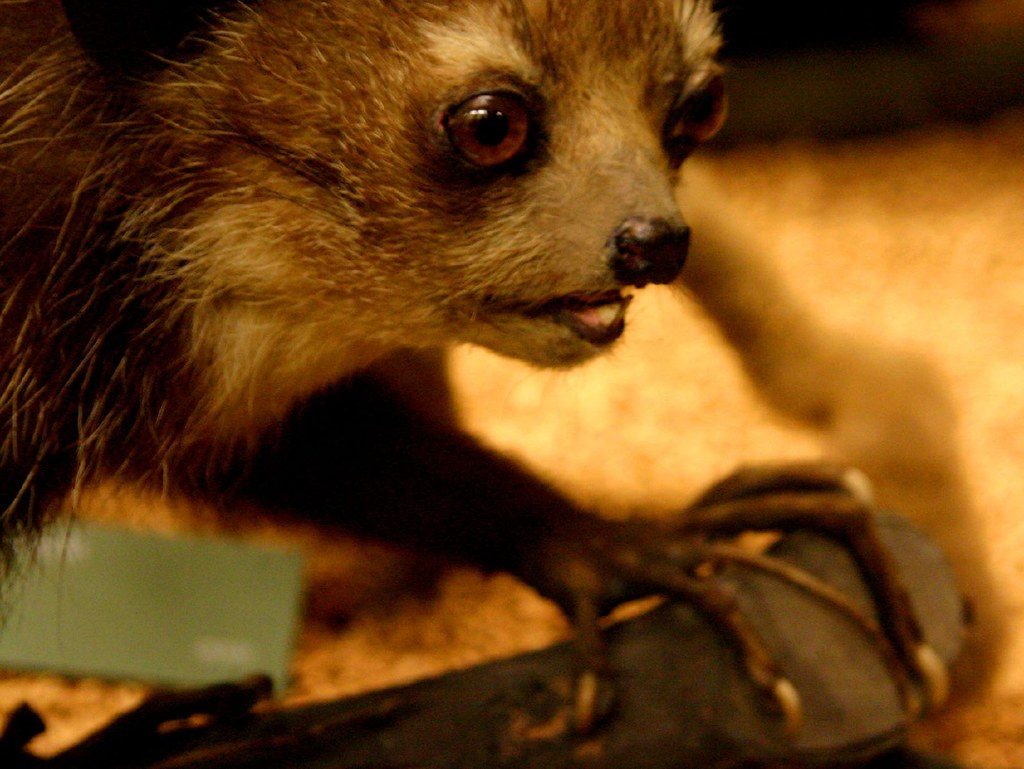
The aye-aye is a nocturnal lemur with an extremely unusual method of finding food. It taps on wood to locate insects and then uses its long finger to extract them.
Its strange appearance has led to myths in some cultures, but it is a harmless and important forest species. It plays a key role in controlling insect populations.
Shoebill Stork
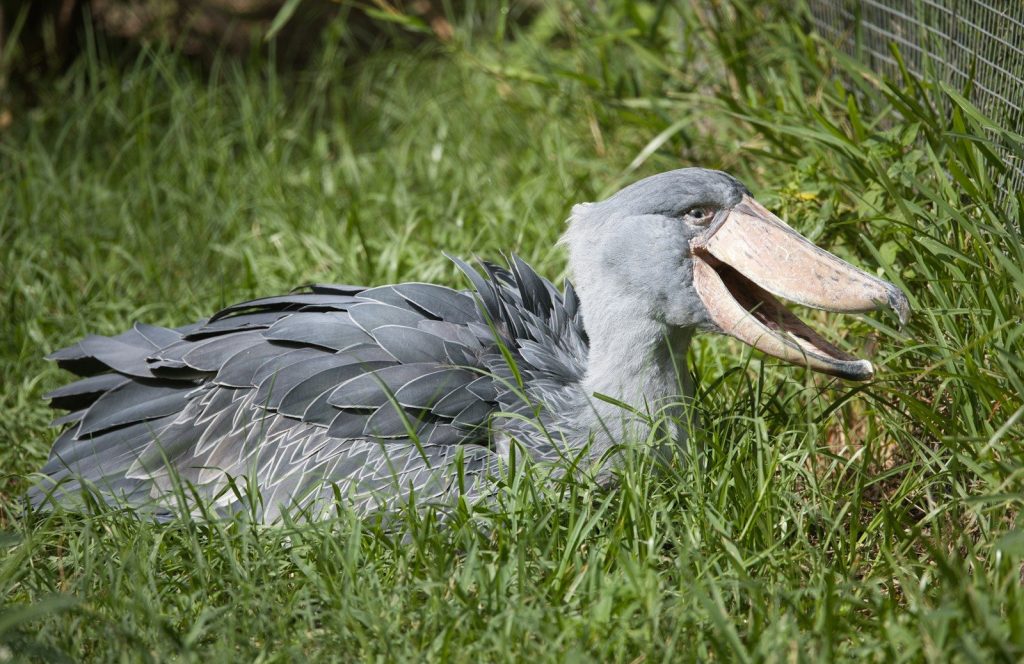
The shoebill stork is a large bird known for its massive shoe-shaped bill. It uses this powerful beak to hunt fish, including lungfish.
Despite its intimidating look, it is relatively slow-moving and patient when hunting. It is found in wetland regions of Africa.
Proboscis Monkey
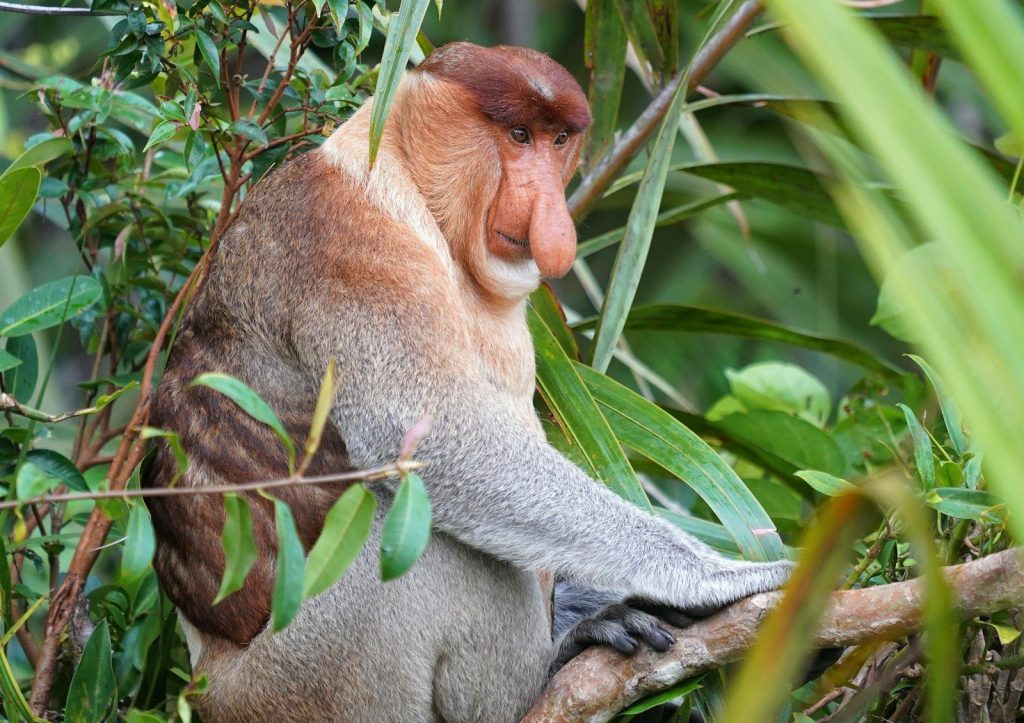
The proboscis monkey is easily recognized by its large, elongated nose. Males use their noses to amplify vocal calls.
These monkeys are strong swimmers and often live in mangrove forests. Their unusual appearance helps them stand out among primates.
Star-Nosed Mole
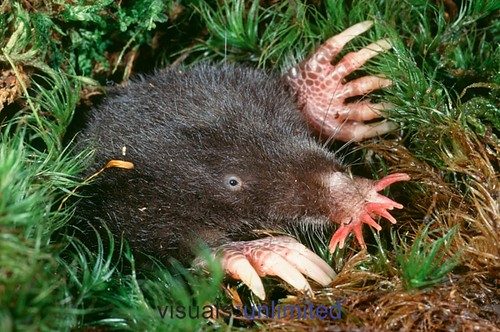
The star-nosed mole has a unique star-shaped nose used for touch-based sensing. It can detect and identify prey in milliseconds.
It lives in dark underground tunnels where vision is limited. Its nose is one of the most sensitive touch organs in the animal kingdom.
Okapi
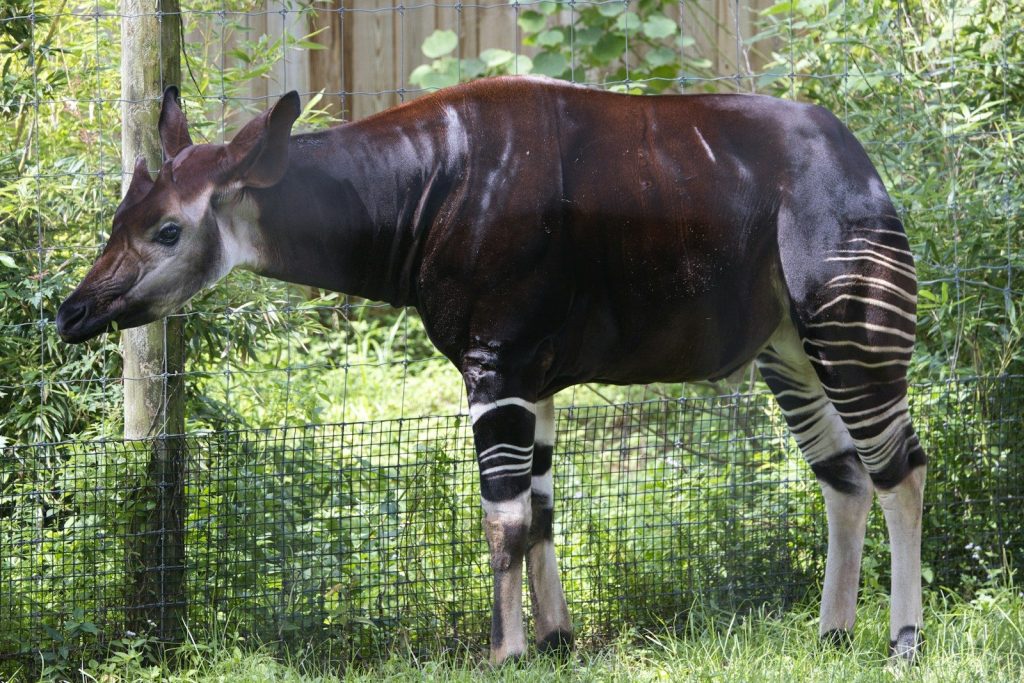
The okapi looks like a mix between a zebra and a giraffe, but it is actually closely related to giraffes. It lives in dense rainforests where it is rarely seen.
Its striped legs help it blend into forest shadows. Despite its shy nature, it is an important herbivore in its habitat.