Cats are generally long-living pets compared to many other animals, but some breeds are especially known for their longevity. While genetics play a role, factors like diet, indoor living, veterinary care, and lifestyle have a much bigger impact on how long a cat lives.
Veterinarians often emphasize that breed can influence health tendencies, but responsible care is the strongest predictor of a long and healthy life.
Siamese Cat
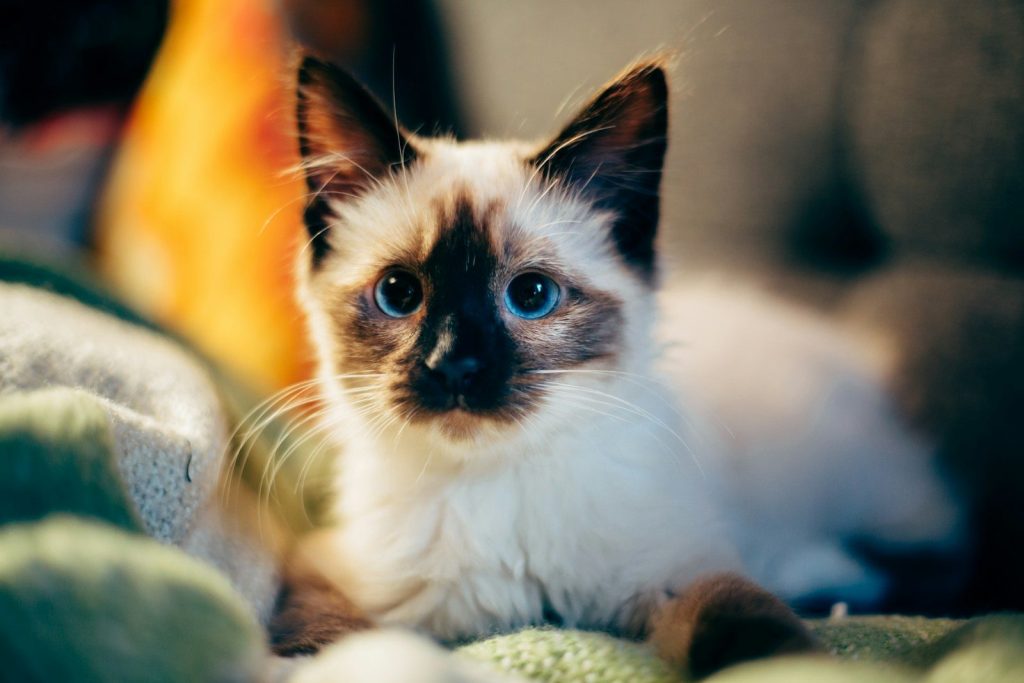
Siamese cats are often recognized for their long lifespans. They are active, social, and tend to maintain good health well into older age.
Their slim body structure and energetic nature may contribute to fewer obesity-related issues. With proper care, they can live well beyond the average feline lifespan.
Burmese Cat
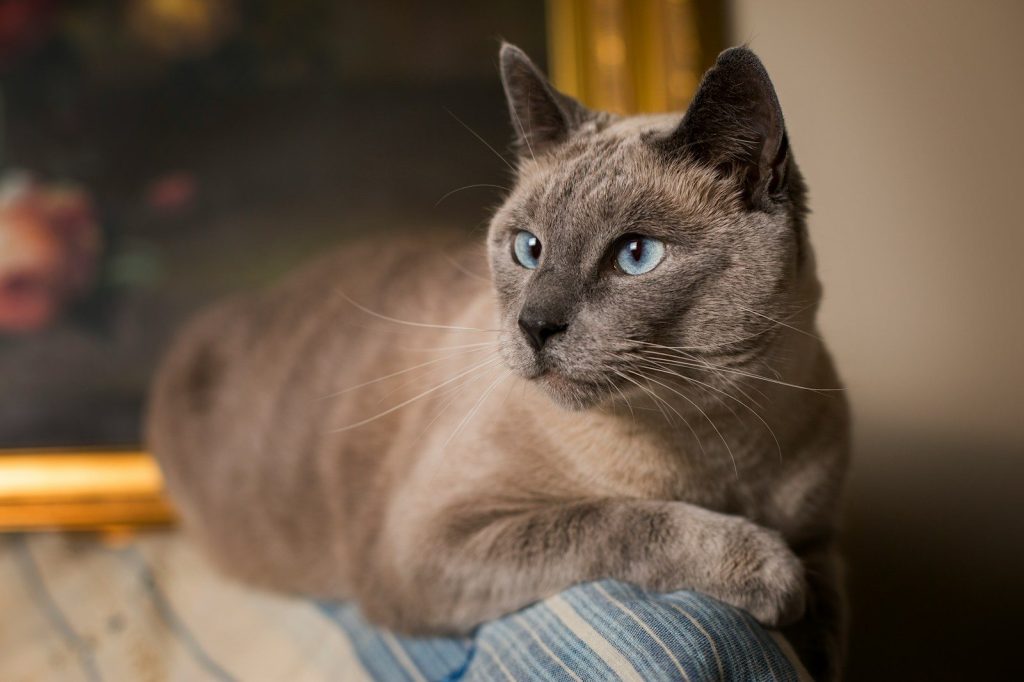
Burmese cats are known for their affectionate personality and relatively long lifespan. They remain playful and social even as they age.
This breed is generally healthy, though regular checkups are important to prevent common age-related issues. Their strong bond with humans also encourages consistent care.
Ragdoll
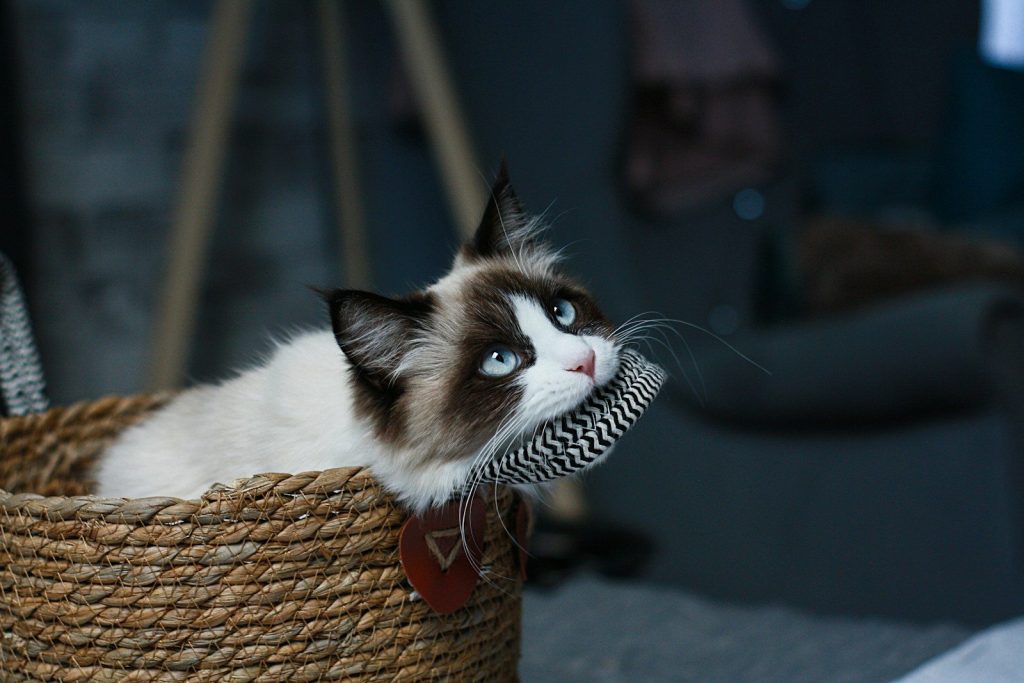
Ragdolls are gentle indoor cats that often live long lives when properly cared for. Their calm temperament makes them less prone to stress-related behaviors.
Indoor living significantly increases their lifespan due to reduced exposure to outdoor risks. They thrive in stable, low-stress environments.
Russian Blue
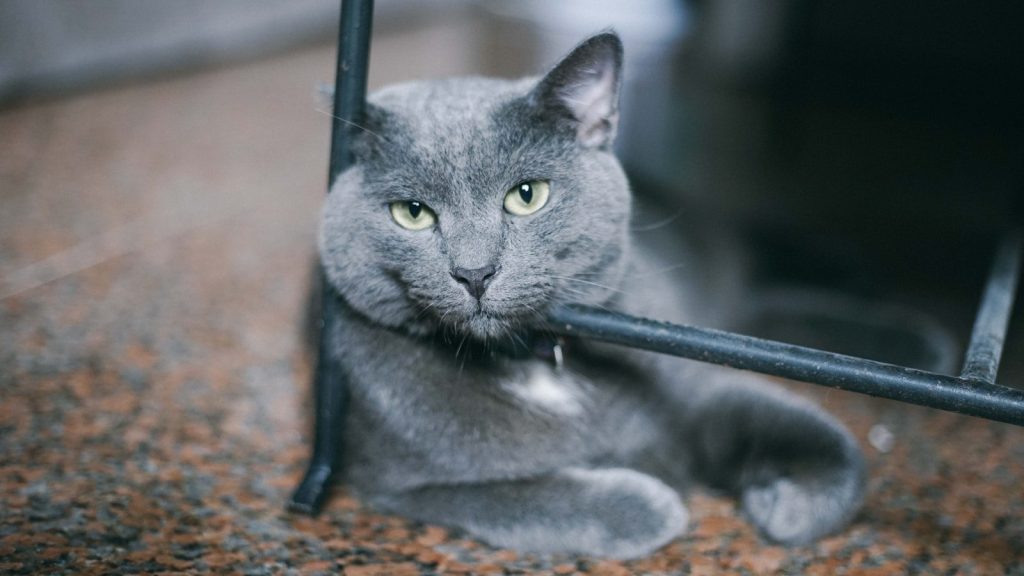
Russian Blues are known for their robust health and long lifespan. They are typically low-maintenance and adapt well to indoor environments.
Their quiet nature and strong immune system contribute to overall longevity. They are often considered one of the healthier purebred cats.
Balinese Cat
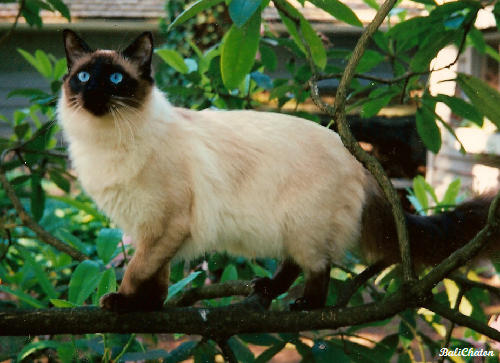
Balinese cats are closely related to Siamese cats and share their long lifespan traits. They are intelligent, active, and emotionally responsive.
Their active lifestyle helps maintain physical health throughout life. With proper care, they often live longer than many other breeds.
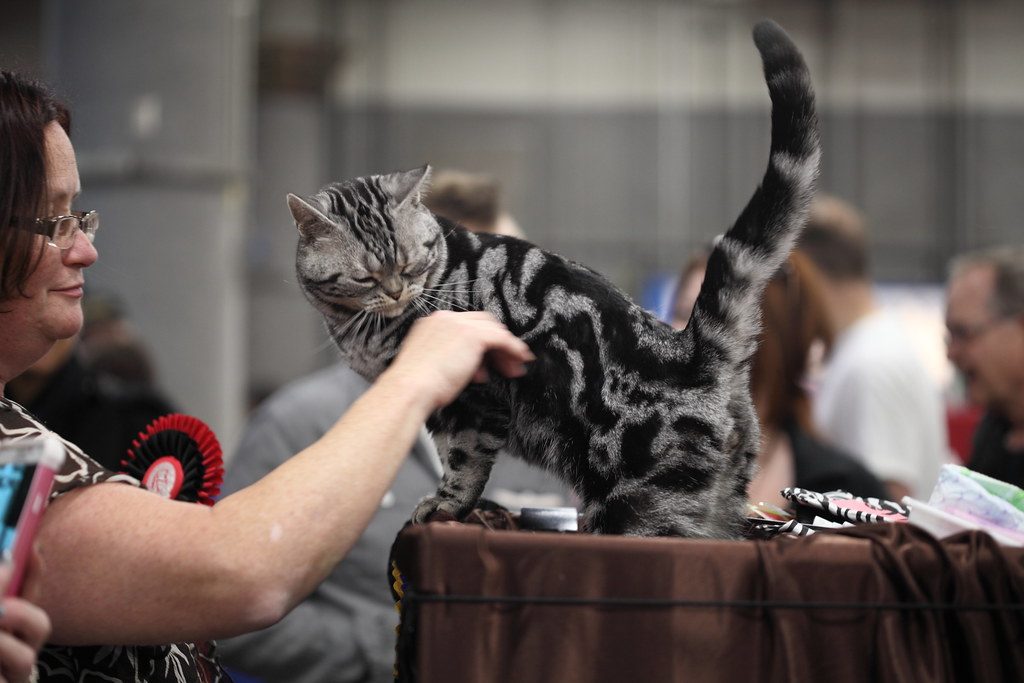
American Shorthair
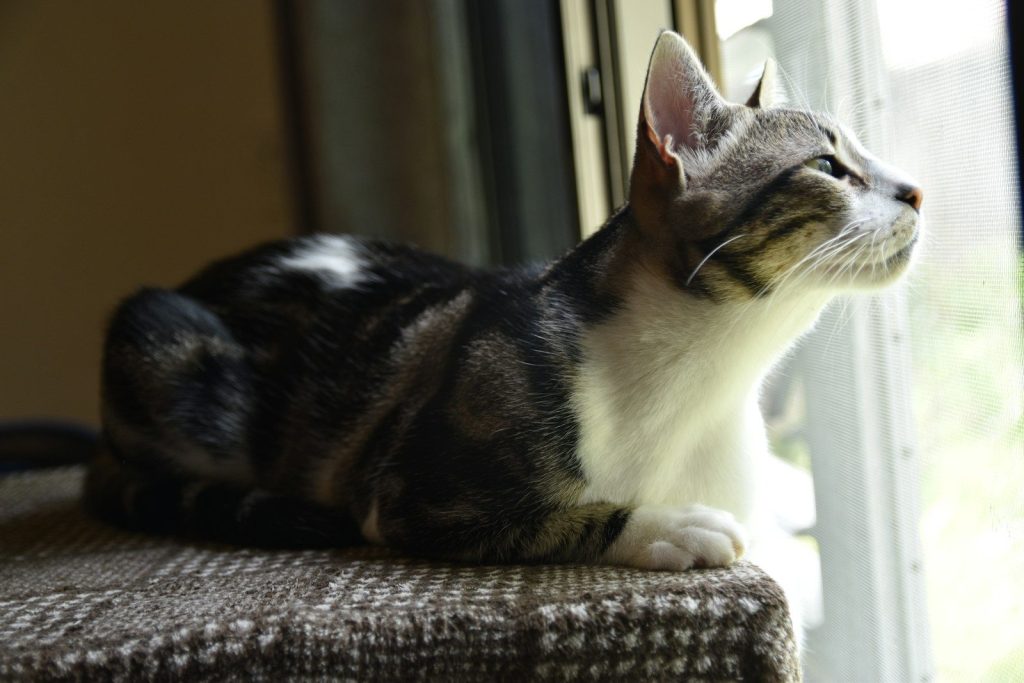
American Shorthairs are hardy cats known for their strong health. They were originally working cats, which contributed to their resilience.
They are less prone to genetic disorders compared to some purebred cats. Their balanced lifestyle supports long-term health.