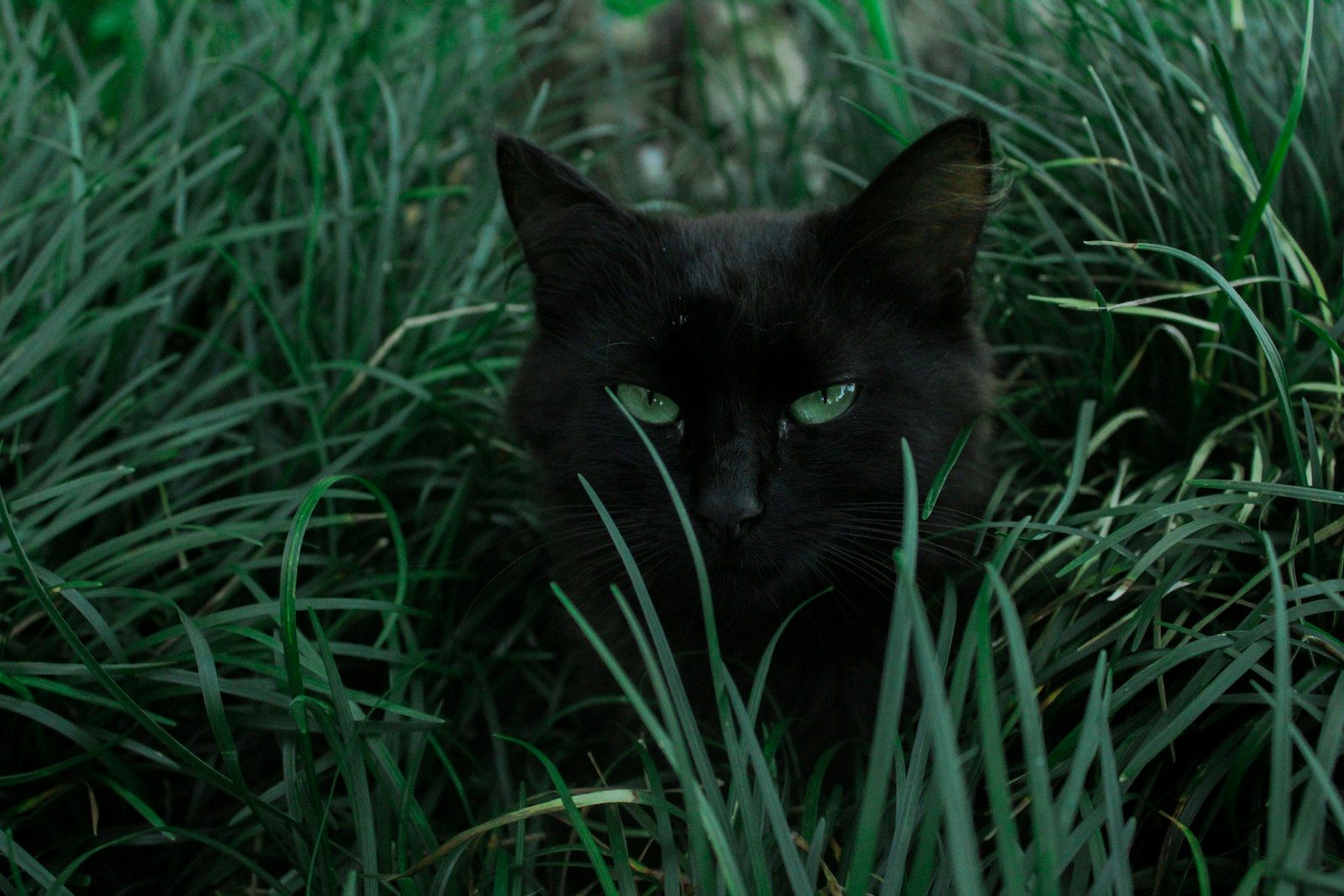
Few animals have inspired as much folklore, superstition, and cultural symbolism as the black cat Black Cat. Across different societies and historical periods, black cats have been viewed as everything from omens of bad luck to symbols of protection, prosperity, and mystery.
These contrasting beliefs have helped shape the black cat’s unique place in human culture. Even today, attitudes toward black cats vary widely depending on tradition and location.
Black Cats and Ancient Egypt
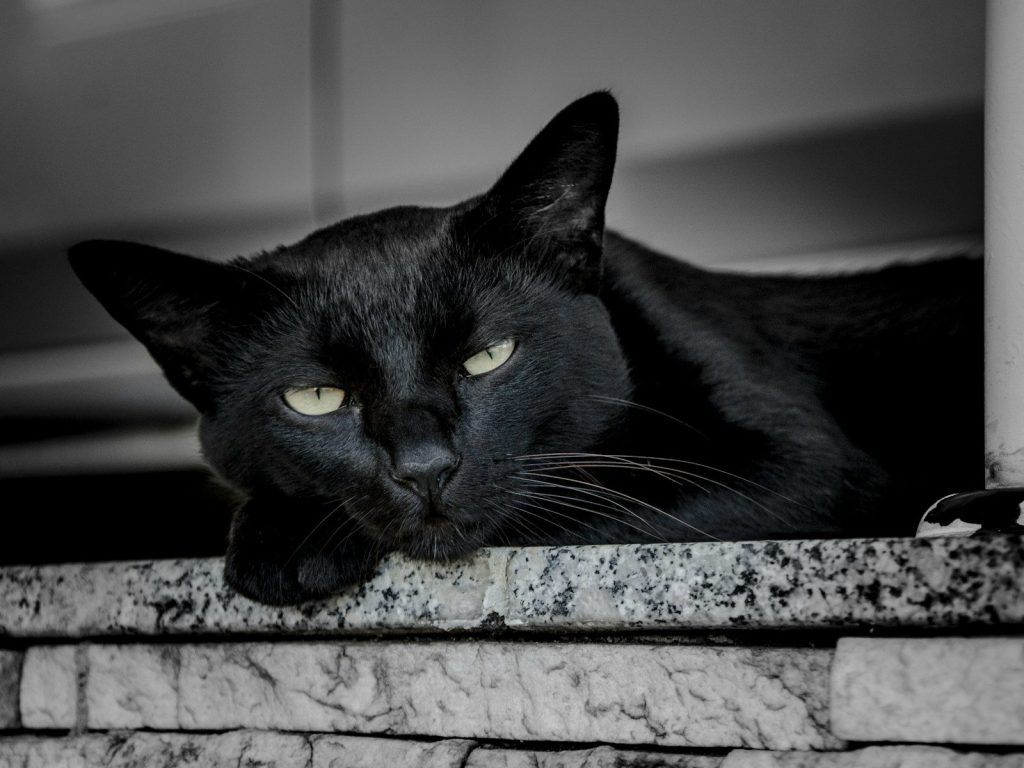
In ancient Egypt, cats were highly respected and often associated with protection and divinity. Black cats, like other felines, benefited from this cultural reverence.
They were valued for their ability to protect food supplies from pests and were linked to spiritual beliefs. Harming a cat was considered a serious offense in many cases.
Medieval European Superstitions
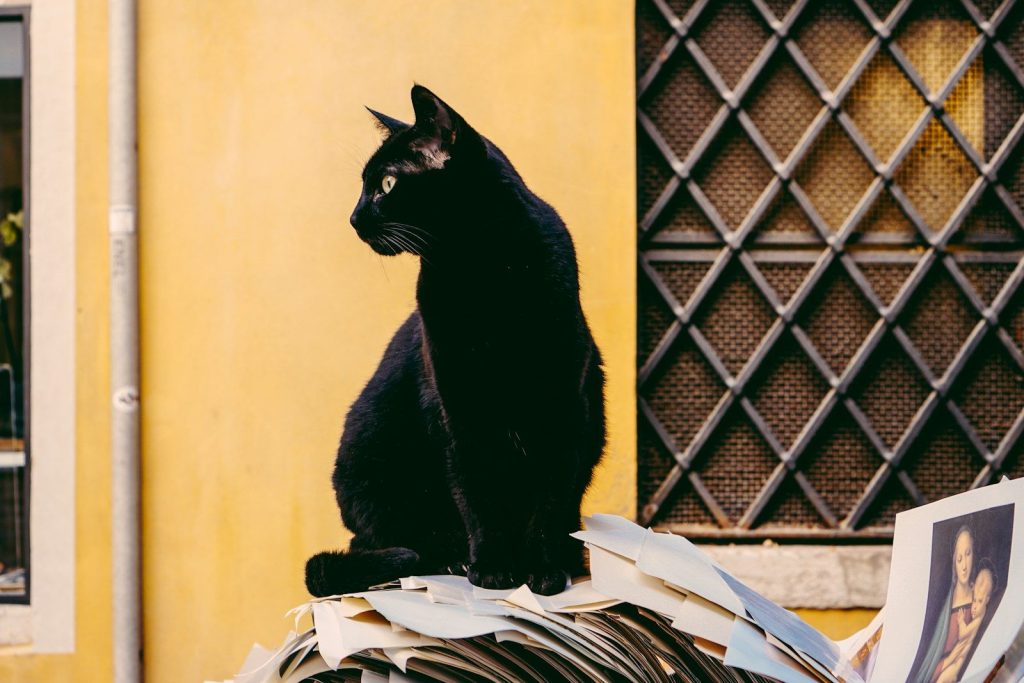
During the Middle Ages, black cats became associated with witchcraft and the supernatural in parts of Europe. These beliefs contributed to widespread fear and suspicion.
Many people viewed them as companions of witches or symbols of bad fortune. Such superstitions persisted for centuries and influenced public attitudes.
Symbols of Good Luck
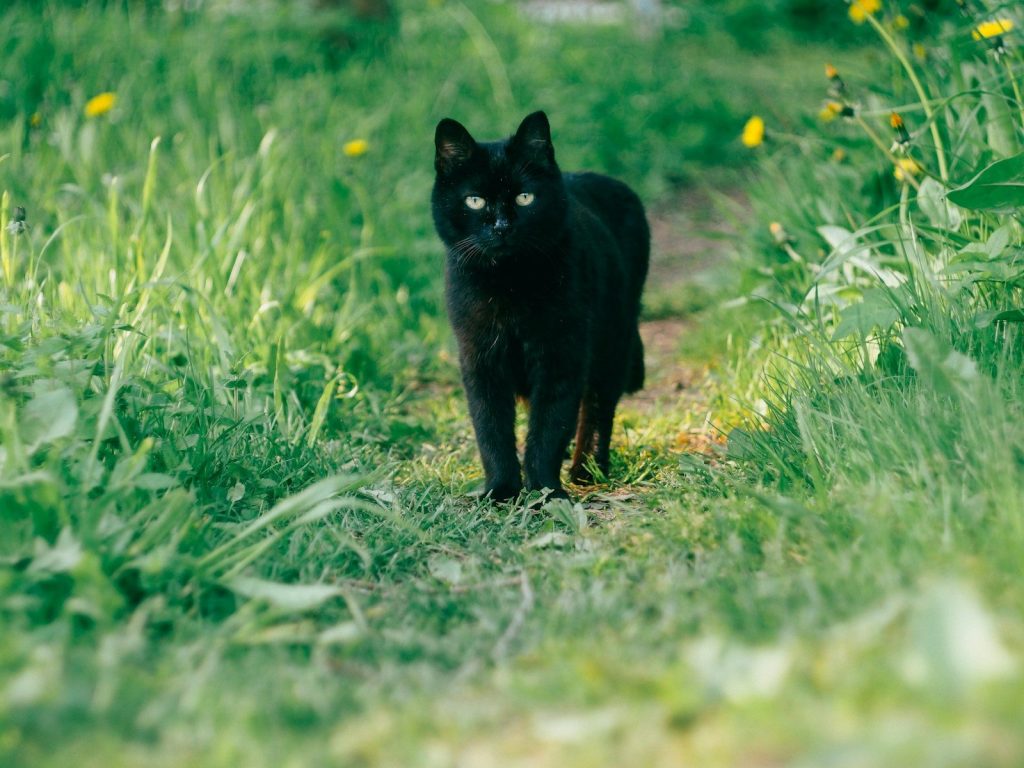
Not all cultures view black cats negatively. In several countries, black cats are considered signs of good luck, prosperity, or protection.
Sailors and their families often believed that black cats could bring safe voyages and ward off misfortune. These positive associations remain popular in some regions today.
Black Cats in Folklore
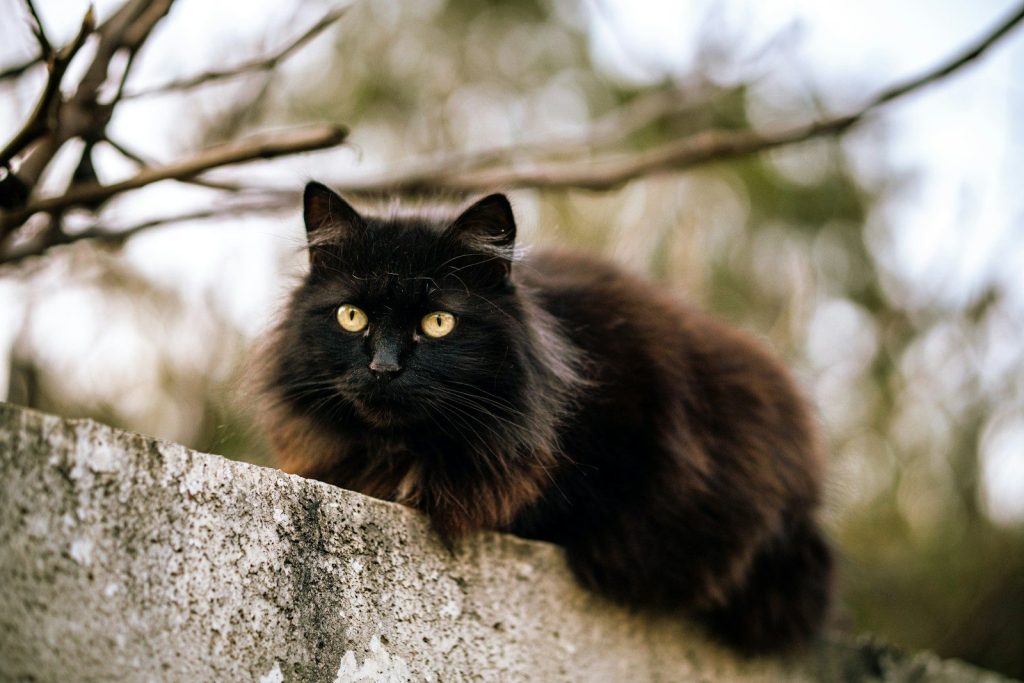
Folklore around the world features black cats in a wide variety of roles. They appear as magical companions, mysterious guardians, and symbols of transformation.
These stories often reflect broader cultural attitudes toward mystery and the unknown. Their striking appearance has made them memorable figures in legends and myths.
Halloween and Popular Culture
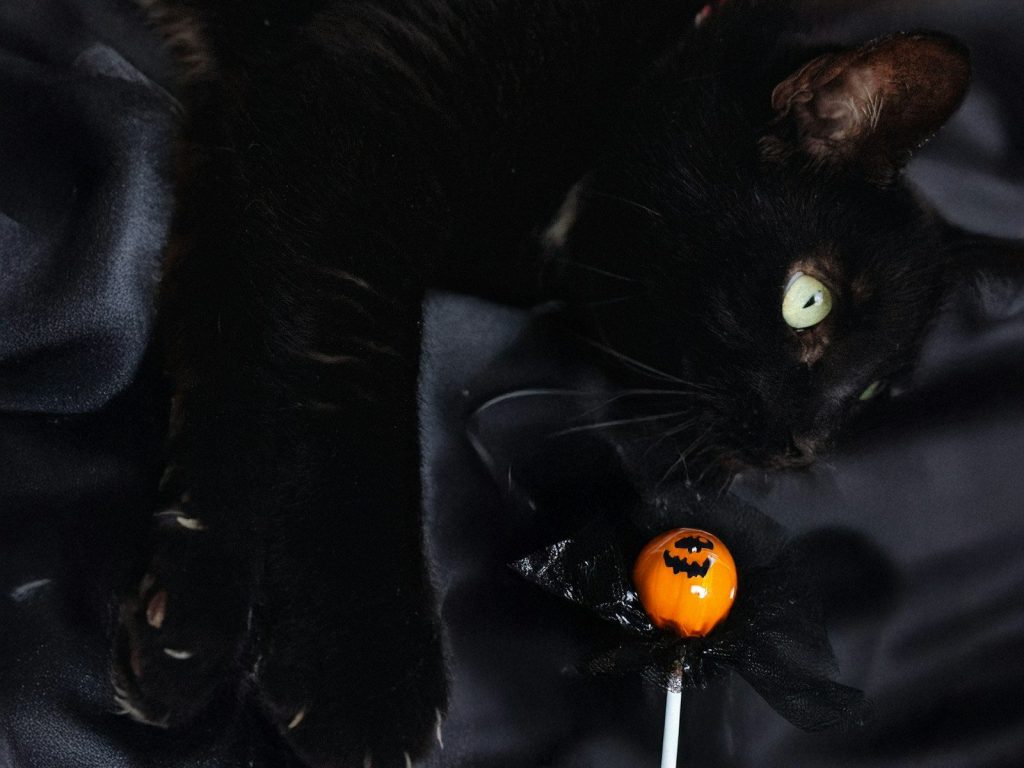
Black cats have become closely linked with Halloween imagery and seasonal traditions. Their association with mystery and the supernatural makes them a common symbol during the holiday.
Movies, books, and artwork have further strengthened this connection. As a result, black cats are often featured prominently in popular culture.
The Reality Behind the Myths
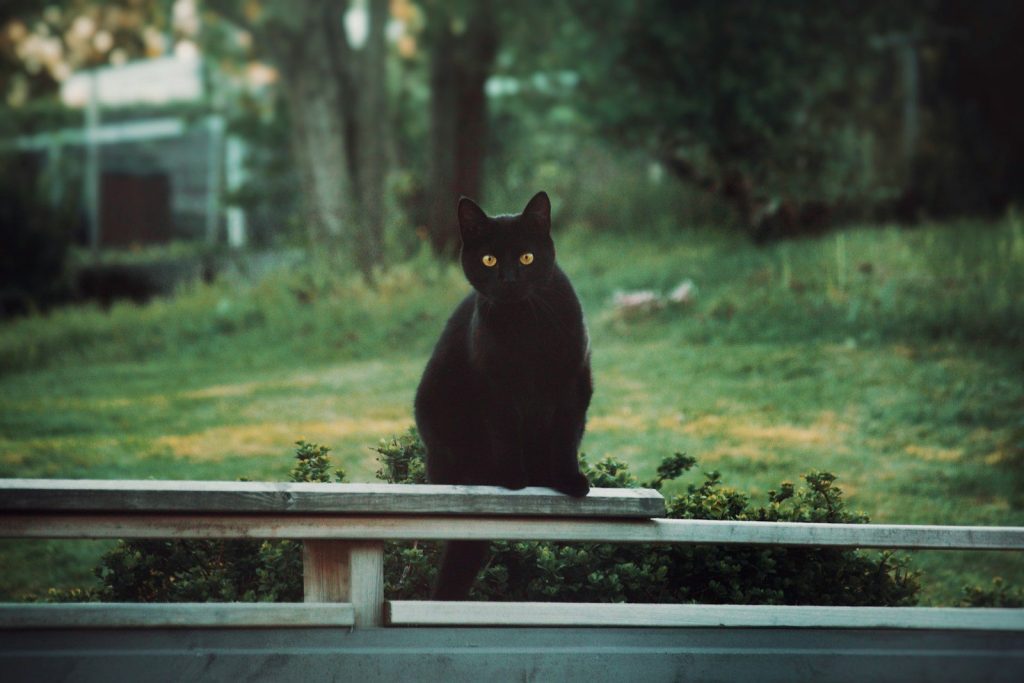
Despite centuries of superstition, black cats are no different from other domestic cats in terms of behavior or temperament Cat. Their personalities depend on individual traits rather than coat color.
Animal welfare organizations frequently work to challenge outdated myths. Education has helped improve perceptions of black cats in many communities.