One of the most common questions prospective dog owners ask is how long their future companion is likely to live. While factors such as diet, exercise, healthcare, and genetics all play important roles, lifespan can vary significantly between breeds.
In general, smaller dogs tend to live longer than larger breeds, although there are exceptions. Understanding average life expectancy can help owners prepare for the long term commitment of caring for a dog.
Chihuahua

The Chihuahua is one of the longest living dog breeds and often reaches well into its teenage years. Many healthy individuals can live between 14 and 18 years with proper care.
Its small size is believed to contribute to its impressive longevity. Regular veterinary care helps support a long and healthy life.
Toy Poodle
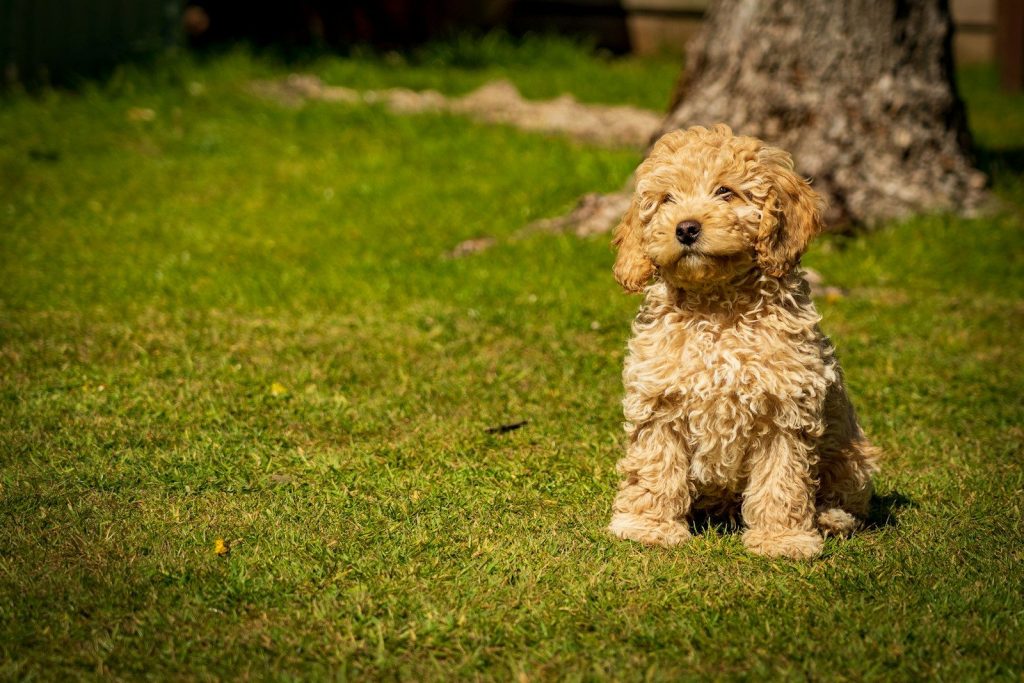
Toy Poodles are known for both intelligence and longevity. Many live for 12 to 18 years and remain active well into old age.
Their relatively small size and generally robust health contribute to their lifespan. Proper grooming and healthcare remain important throughout their lives.
Dachshund
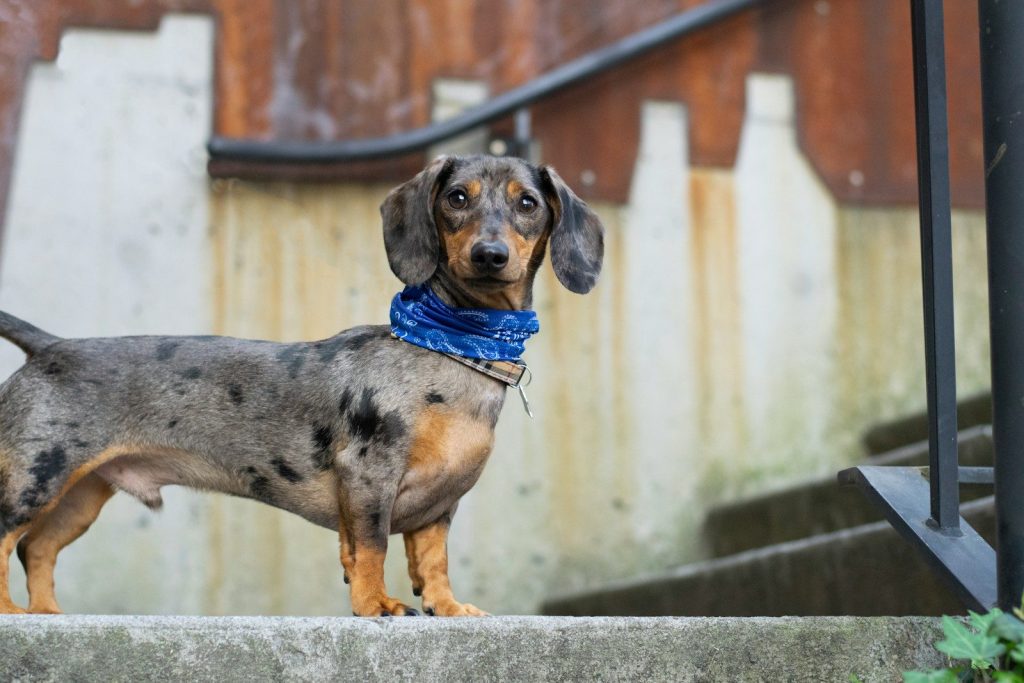
Dachshunds frequently enjoy long lives compared with many other breeds. It is not uncommon for them to reach 12 to 16 years of age.
Maintaining a healthy weight is particularly important for this breed. Excess weight can place strain on their distinctive long backs.
Jack Russell Terrier

The Jack Russell Terrier is an energetic breed often associated with excellent longevity. Many individuals live between 13 and 16 years.
Their active lifestyle may contribute to overall health and vitality. Regular exercise is an important part of their wellbeing.
Beagle

Beagles are generally healthy dogs that often live between 12 and 15 years. Their friendly nature and adaptability have made them popular family pets.
Routine exercise and a balanced diet help support a healthy lifespan. Preventive veterinary care is also essential.
Golden Retriever

Golden Retrievers are beloved for their friendly personalities, but they typically have shorter lifespans than many smaller breeds. Most live around 10 to 12 years.
Certain health conditions can affect longevity within the breed. Responsible breeding and regular health screenings are important considerations.