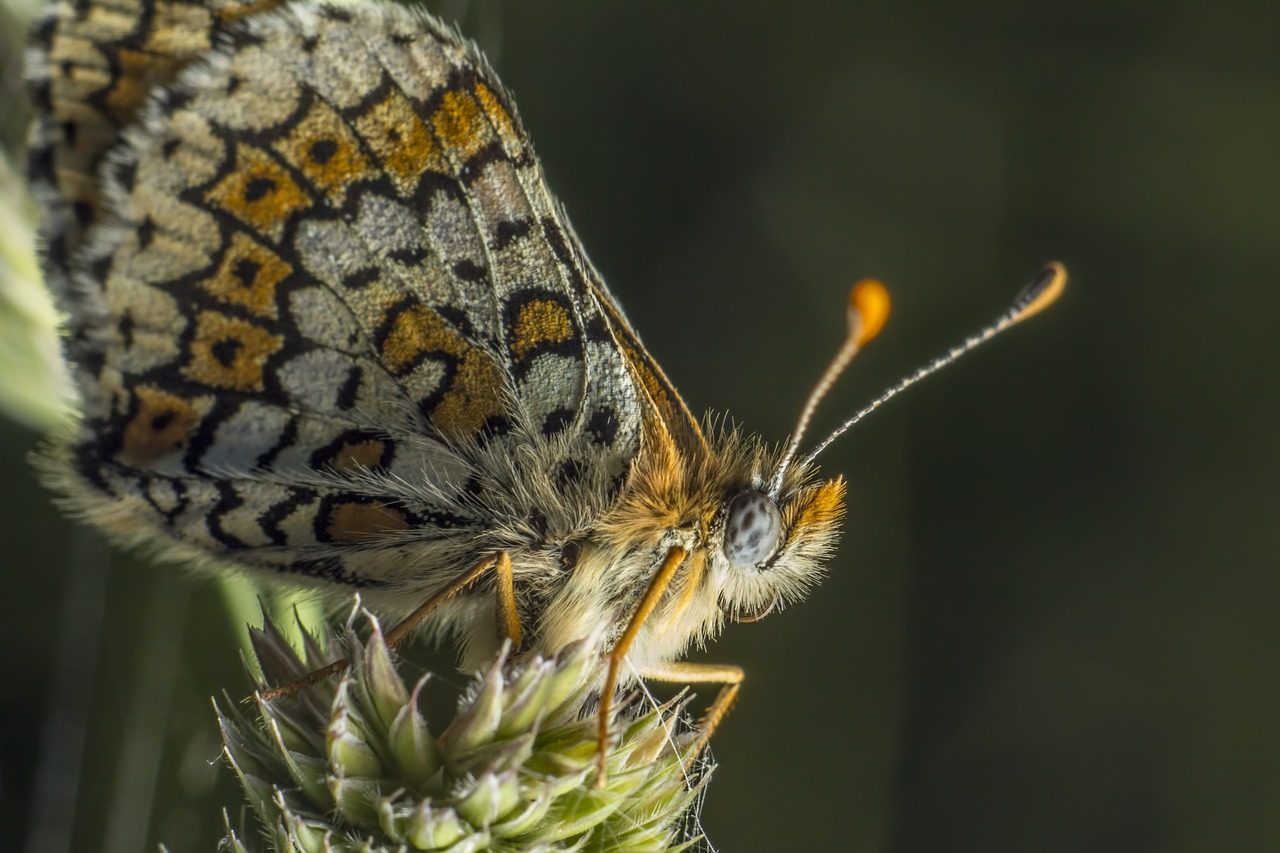
Centuries before women were welcomed into scientific circles, one Englishwoman was quietly making her mark on the natural world. Eleanor Glanville, a passionate butterfly collector and naturalist, devoted her life to studying insects at a time when such pursuits were considered unusual for women. Today, her fascinating story is being brought to life through a new stage production that celebrates both her scientific achievements and her resilience in the face of societal expectations.
A Trailblazer in Early Natural History

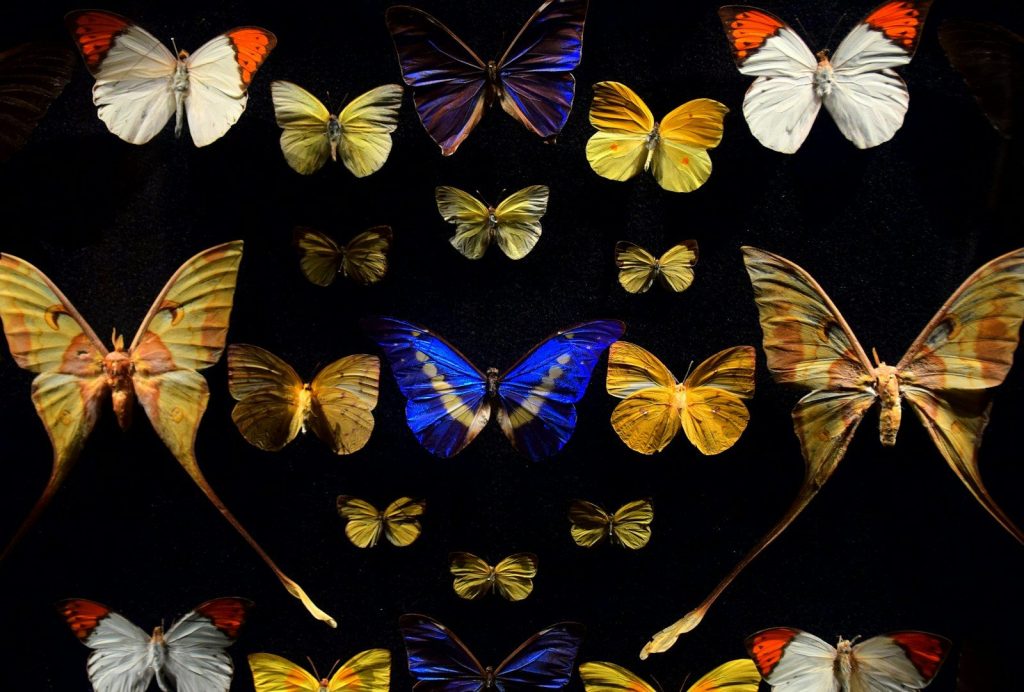
Born in the 17th century, Eleanor Glanville developed a deep fascination with butterflies and insects long before natural history became a recognized scientific discipline. Through years of careful observation and collection, she assembled one of the most significant butterfly collections in England.
Her dedication contributed valuable knowledge about British insect species and helped advance the study of entomology. Although she lacked the formal opportunities available to male scholars of her time, her work earned respect among fellow naturalists and left a lasting impact on the field.
Pursuing Science in a Man’s World
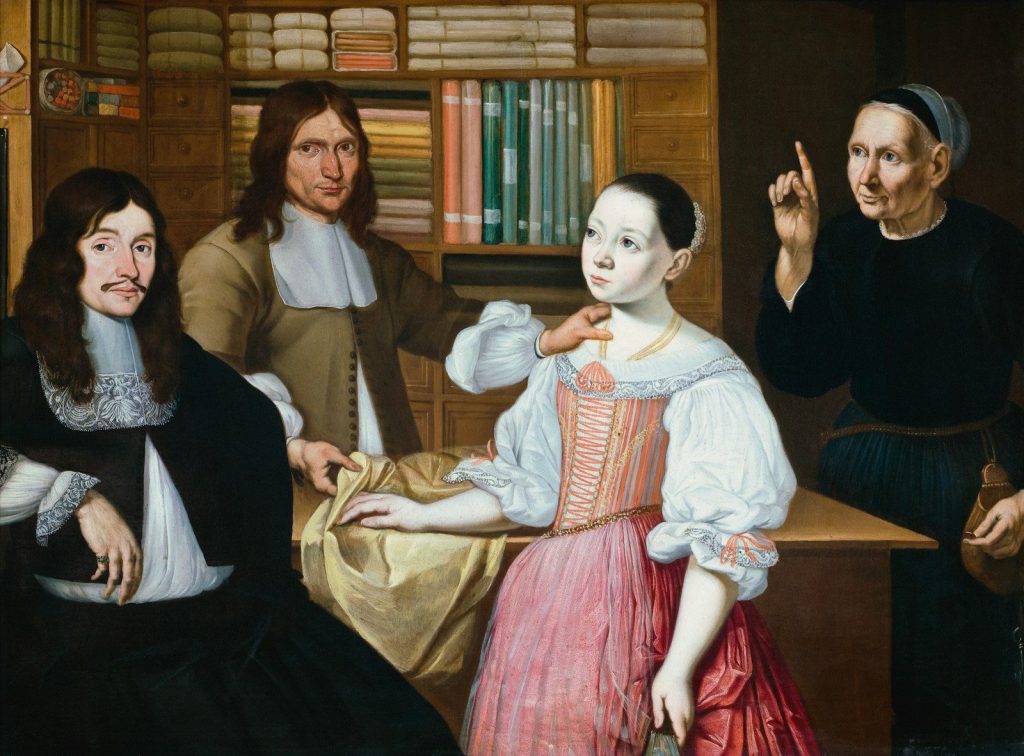
Glanville’s achievements came during an era when women were largely excluded from education, scientific societies, and professional recognition. Despite these barriers, she continued to pursue her passion for studying the natural world.
Unfortunately, her curiosity was not always celebrated. Historical accounts suggest that some people viewed her devotion to butterfly collecting as eccentric rather than intellectual. What modern audiences recognize as scientific dedication was often misunderstood by those who believed women should conform to more traditional roles.
A Legacy Written in Butterfly Wings
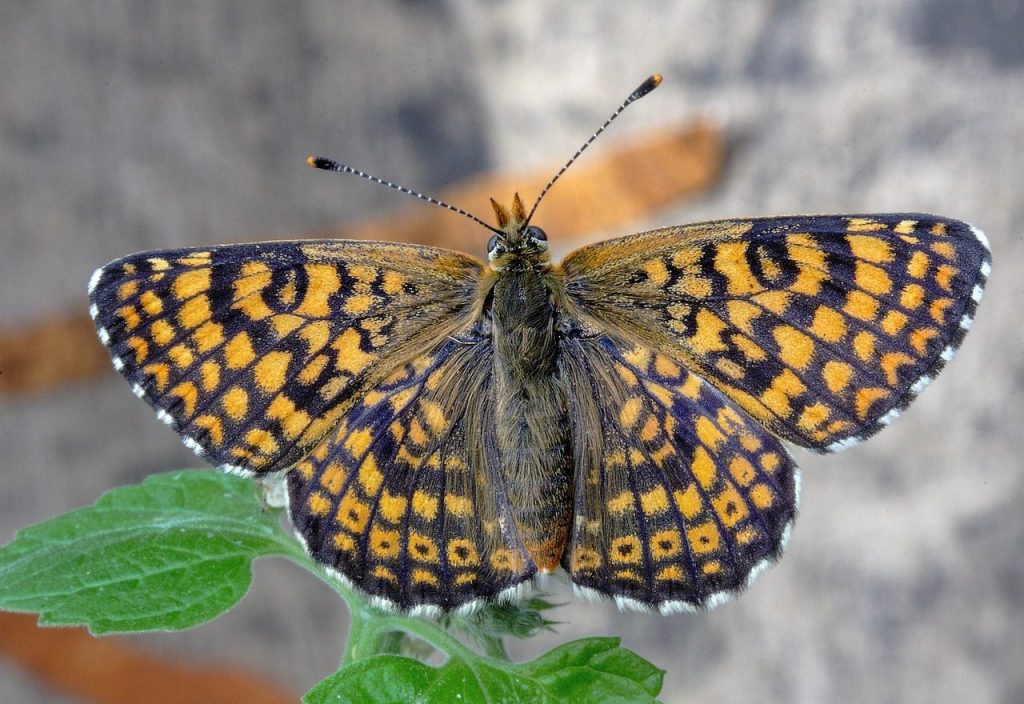
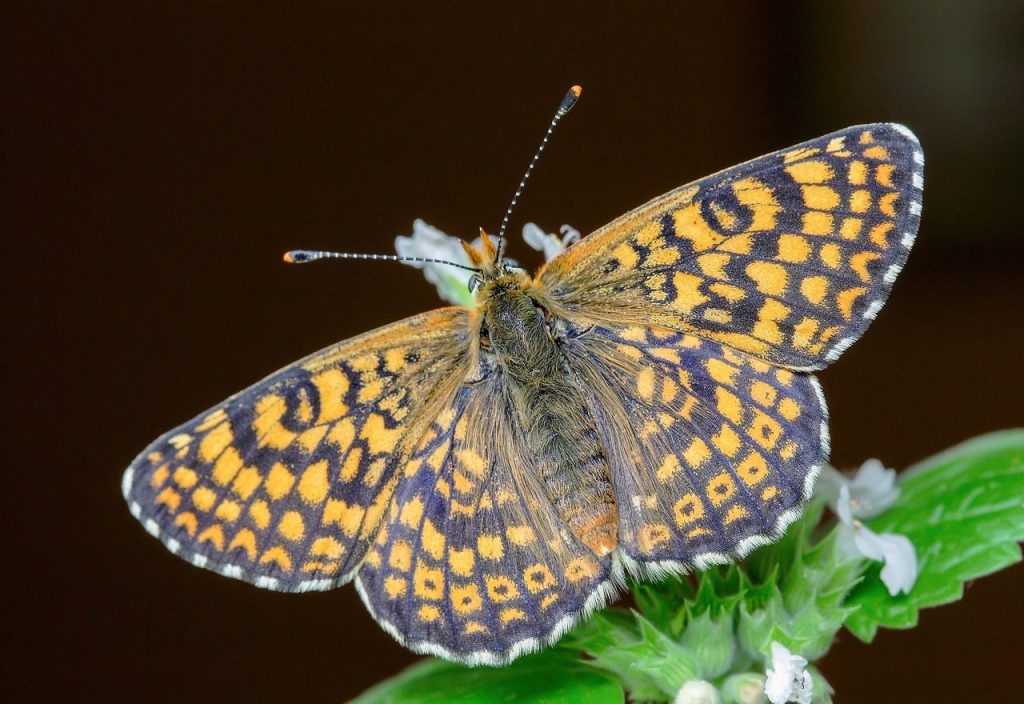
Perhaps the most enduring tribute to Glanville’s work is the Glanville fritillary butterfly (Melitaea cinxia), which was named in her honor. The species serves as a lasting reminder of her contributions to natural history and ensures her name remains connected to the field she loved.
Long after her lifetime, the butterfly continues to symbolize her passion, perseverance, and commitment to understanding the natural world.
Why Her Story Matters Today
Interest in overlooked scientific pioneers has grown in recent years, with historians working to uncover the contributions of individuals whose achievements were overshadowed by social barriers. Glanville’s story is a powerful example of how important discoveries can come from people working outside the spotlight.
The new theatrical production offers audiences a chance to rediscover her life while highlighting the challenges many women faced in pursuing science throughout history.
A Well-Deserved Moment of Recognition
Eleanor Glanville never sought fame. Her motivation was simple curiosity and a love for nature. Yet her work helped expand scientific knowledge at a time when women rarely received credit for such contributions.
Today, centuries later, her story is finally receiving the attention it deserves. Through theatre, history, and the butterfly that still bears her name, Eleanor Glanville’s legacy continues to inspire new generations of nature lovers and aspiring scientists.