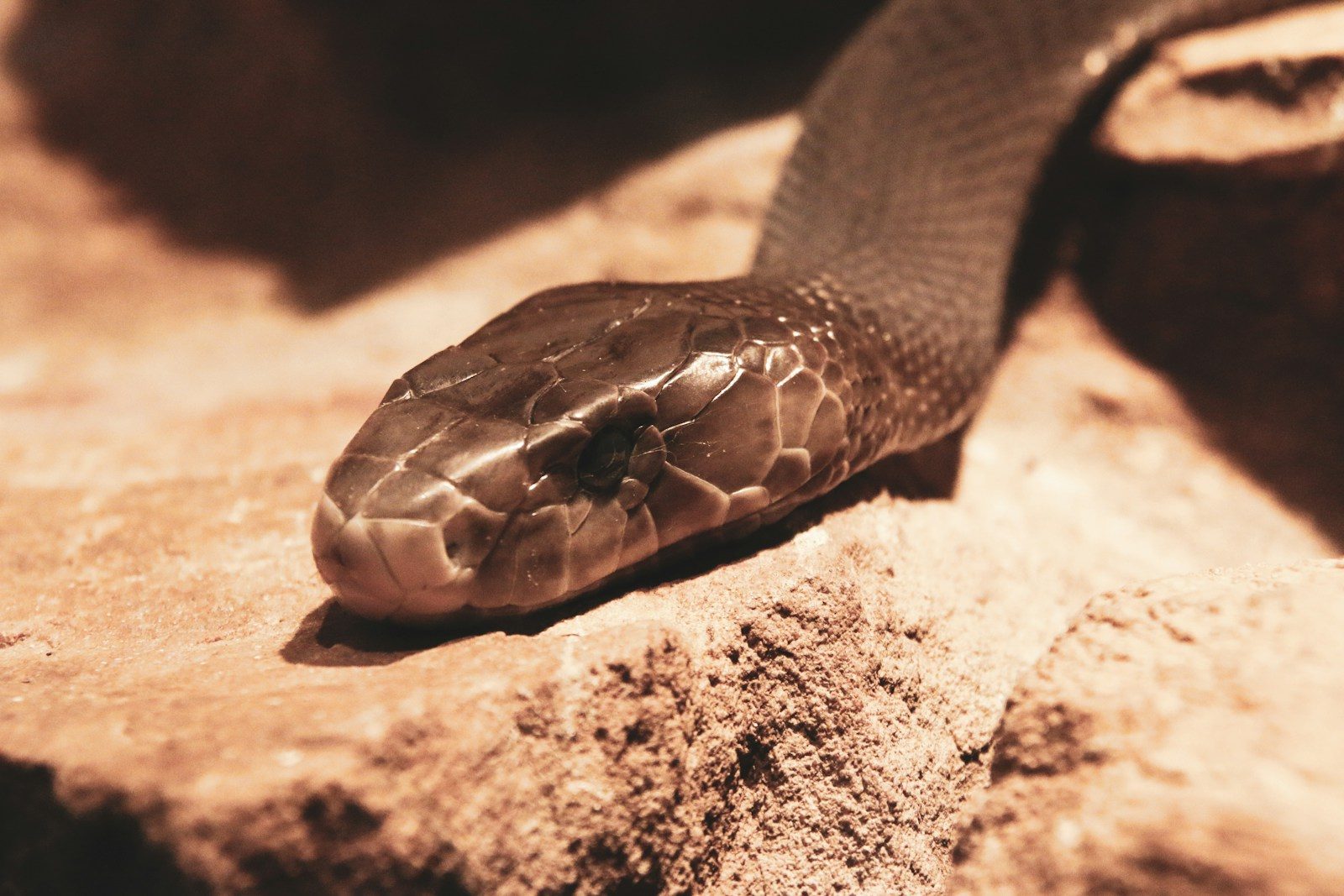
The black mamba is one of the most feared snakes in the world, known for its speed, potent venom, and reputation as one of Africa’s deadliest reptiles. Stories about black mambas have fueled myths and fears for decades, but one question remains common: can a person survive a black mamba bite? The answer is yes—but only if medical treatment is received quickly.
Why the Black Mamba Is So Dangerous
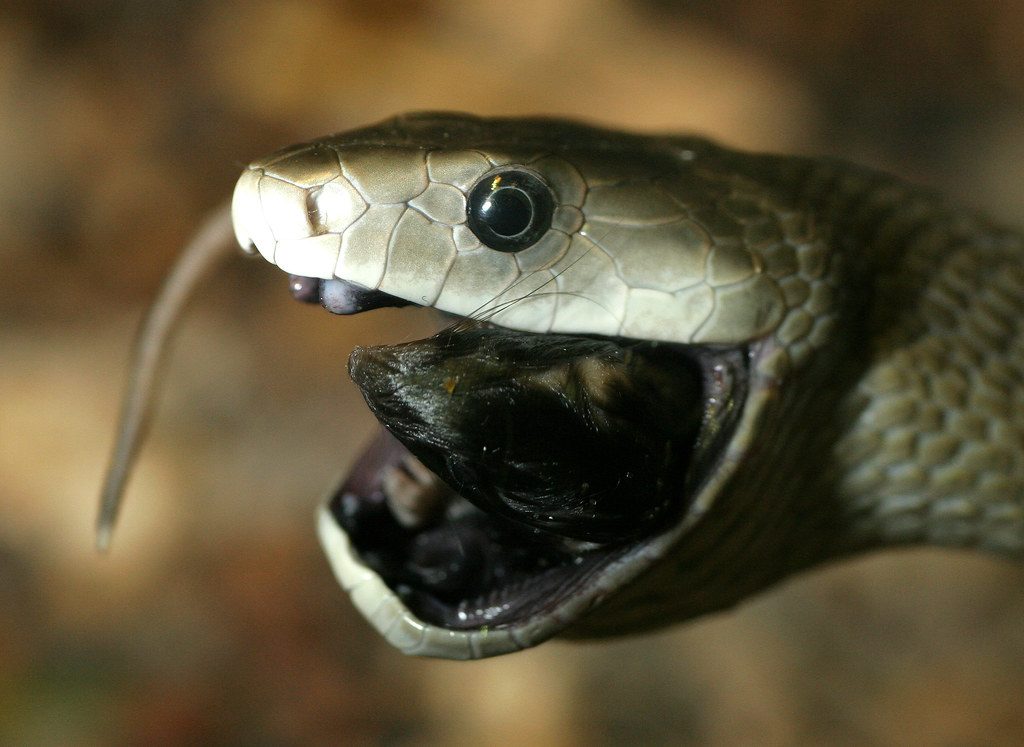
The black mamba is native to parts of sub-Saharan Africa and can grow to more than 14 feet in length. Despite its name, the snake is usually gray or olive in color. Its name comes from the dark interior of its mouth, which it displays as a warning when threatened.
What makes the species particularly dangerous is its highly toxic venom and its ability to deliver multiple bites in a single encounter.
How the Venom Affects the Body
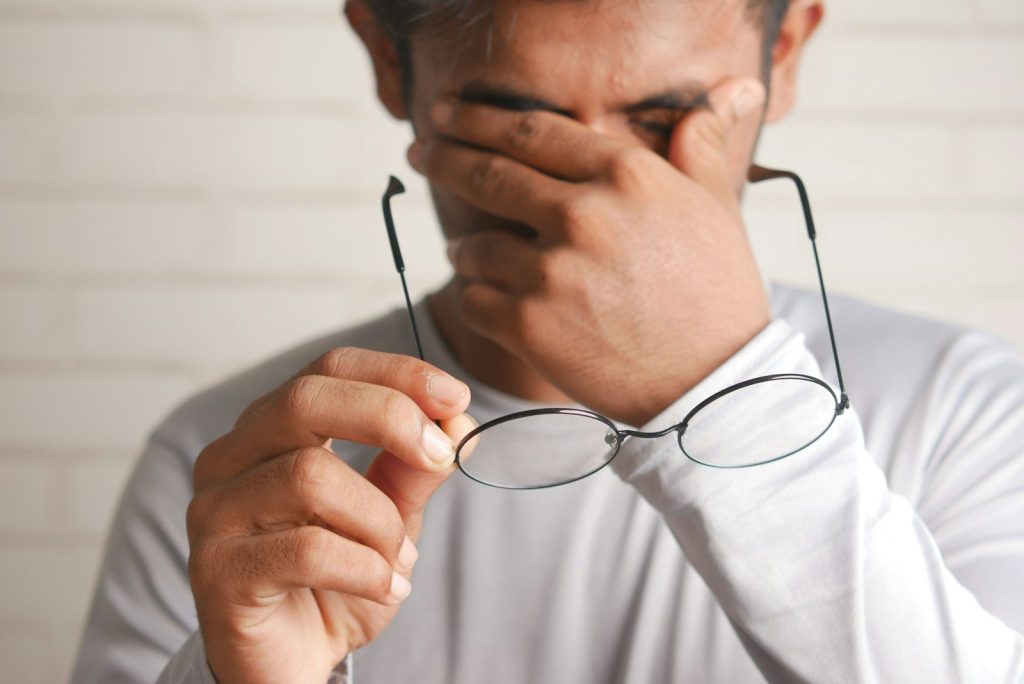
Black mamba venom is primarily neurotoxic, meaning it attacks the nervous system. After a bite, symptoms can develop rapidly and may include dizziness, drooping eyelids, difficulty speaking, blurred vision, muscle weakness, and breathing problems.
Without treatment, the venom can eventually cause respiratory failure as the muscles needed for breathing become paralyzed.
Survival Depends on Fast Medical Care
Today, survival is possible thanks to modern antivenom and emergency medical treatment. The most important factor is how quickly the victim receives care. Immediate medical attention can significantly improve the chances of recovery and reduce the risk of severe complications.
In areas where antivenom and advanced medical care are available, survival rates are much higher than in the past.
What Happens After a Bite
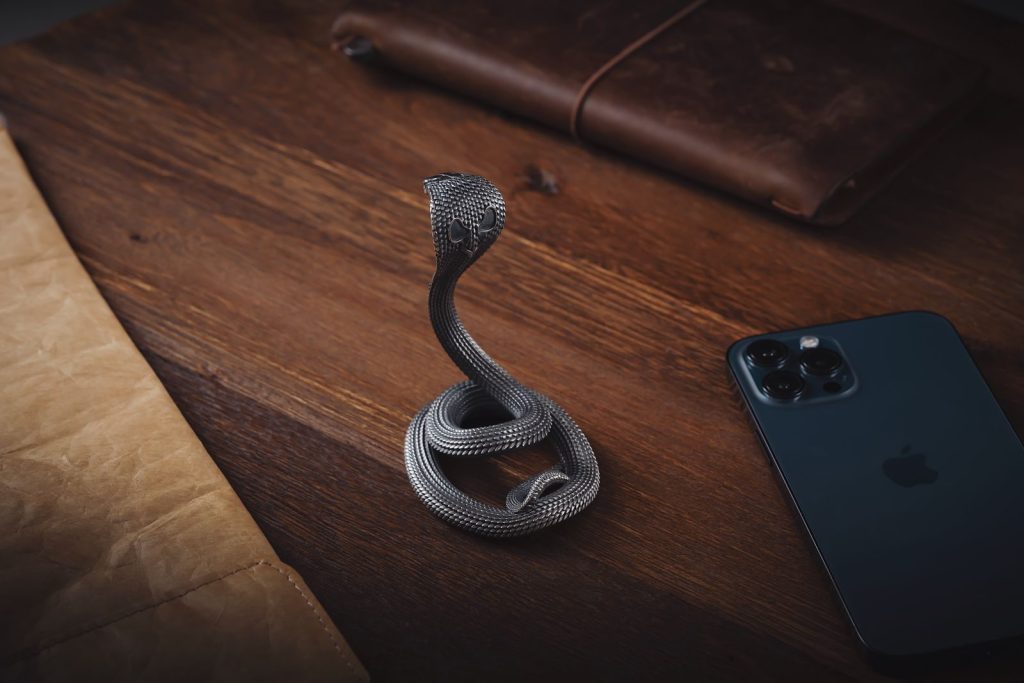
Victims typically require urgent hospital treatment, where doctors can monitor breathing, circulation, and neurological symptoms. Antivenom is used to neutralize the venom, while supportive care helps manage complications that may arise during recovery.
The severity of symptoms can vary depending on factors such as the amount of venom injected, the location of the bite, and the victim’s overall health.
Common Myths About Black Mambas

The black mamba is often portrayed as an aggressive snake that actively hunts people, but this reputation is exaggerated. Like most snakes, black mambas generally prefer to avoid humans and will usually retreat if given the opportunity.
Most bites occur when the snake feels cornered, threatened, or accidentally disturbed.
Prevention Is the Best Defense
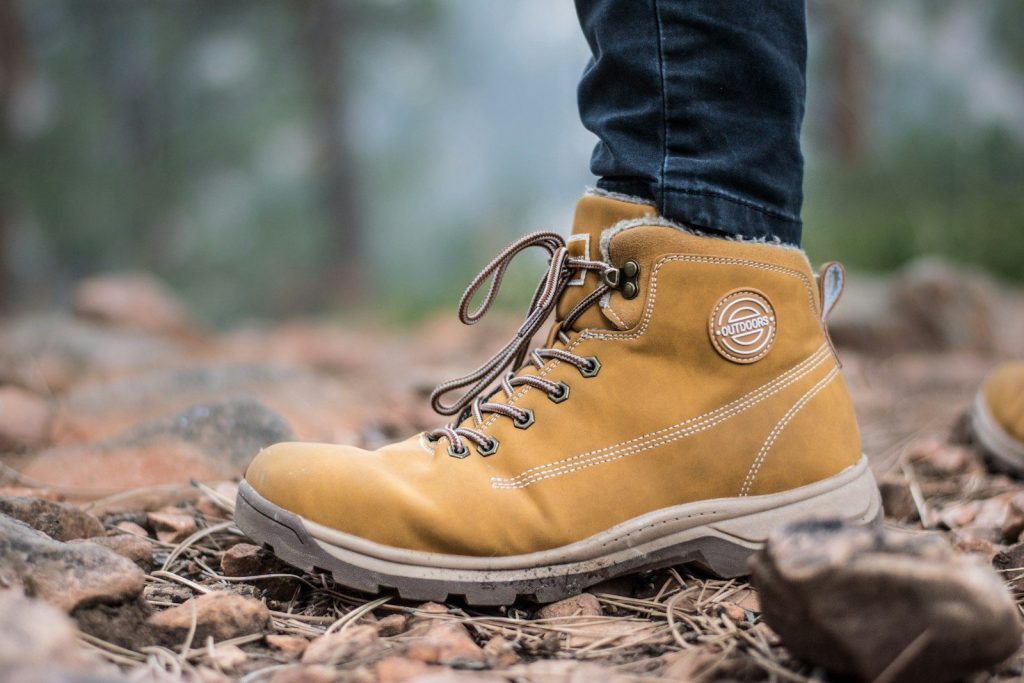
People living in or visiting regions where black mambas occur can reduce risk by staying alert in snake habitat, wearing protective footwear, avoiding tall grass when possible, and never attempting to handle or approach wild snakes.
Awareness and caution remain the most effective ways to prevent dangerous encounters.
A Bite Is a Medical Emergency, Not a Death Sentence

A black mamba bite is one of the most serious snakebite emergencies in the world, but it is no longer automatically fatal. With rapid access to antivenom and professional medical treatment, many victims can survive and recover. The key is recognizing the urgency of the situation and seeking help immediately rather than relying on myths or home remedies.