Skip to content

Recent Posts

  • Study Highlights Welfare Concerns for Britain’s Often-Overlooked Working Donkeys
  • Hidden Mineral Deficiency May Be Quietly Reducing Farm Productivity, Veterinarians Warn
  • The Forgotten Butterfly Pioneer Finally Gets the Recognition She Deserves
  • How Volunteers Are Protecting Britain’s Most Vulnerable Shorebirds
  • The Abandoned Foal That Turned Into a Mission of Hope

Most Used Categories

  • Nature & Wildlife (253)
  • Risk (45)
  • Human Interest (20)
  • Hunting (17)
  • Survival (15)
  • Bees/Swarms fear (13)
  • Exotic Animals (9)
  • Suspense (6)
  • Adventure (3)
  • Gears (2)
Skip to content
  • About Us
  • Contact Us
  • Disclaimer
  • Privacy Policy
  • Terms & Conditions

Hive Hunters Tales

  • Suspense
  • Nature & Wildlife
  • Human Interest
  • Hunting
  • Bees/Swarms fear
  • Exotic Animals
  • Risk
  • Survival
  • Adventure
  • Gears
  • Home
  • Nature & Wildlife
  • Colombia’s Escobar Hippos Are Becoming an Unstoppable Invasive Species

Colombia’s Escobar Hippos Are Becoming an Unstoppable Invasive Species

JakeJune 16, 2026June 16, 2026

What began as an eccentric collection of exotic animals on drug lord Pablo Escobar’s private estate has evolved into one of the most unusual wildlife management challenges in the world. Decades after Escobar’s death, a small group of imported hippos has multiplied into a growing wild population across Colombia. While many locals have embraced the animals as a unique part of the landscape, scientists warn that their expanding numbers could have serious consequences for native ecosystems.

How Escobar’s Hippos Ended Up in Colombia
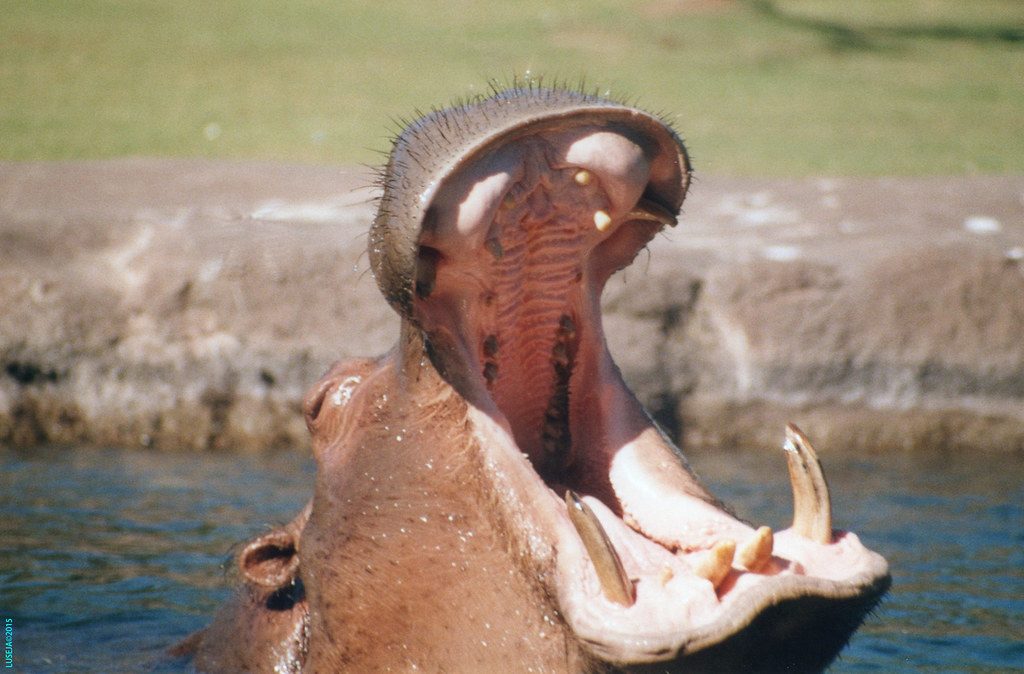
“Hippo” by LUSEJA is licensed under CC BY-NC-SA 2.0

During the 1980s, Pablo Escobar imported several exotic animals to his Hacienda Nápoles estate, including four hippopotamuses. After his death in 1993, most of the animals were relocated, but the hippos remained behind. With plentiful water, warm temperatures, and no natural predators, they adapted surprisingly well to their new environment.

A Population That Keeps Growing
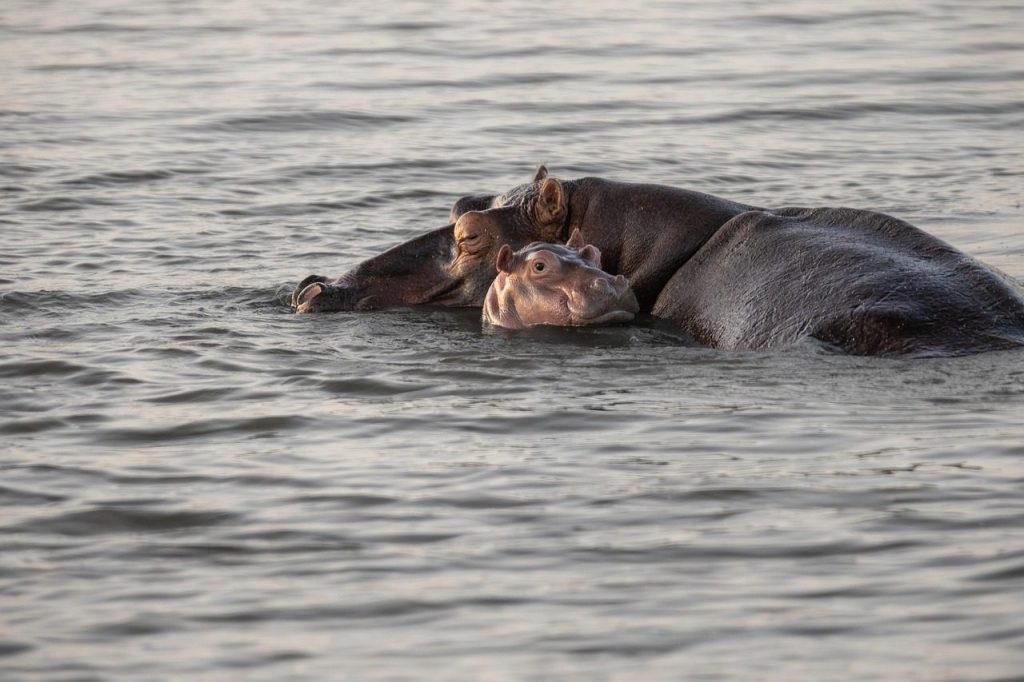
hippopotamus, hippo, baby hippo, wildlife, nature, family, child, africa
Photo by butti_s on Pixabay

Over the years, the descendants of those original hippos have spread far beyond the former estate. Researchers estimate that the population has grown steadily and could continue expanding if left unmanaged. Although hippos reproduce relatively slowly, their long lifespan and favorable conditions have allowed their numbers to increase year after year.

Why Scientists Are Concerned
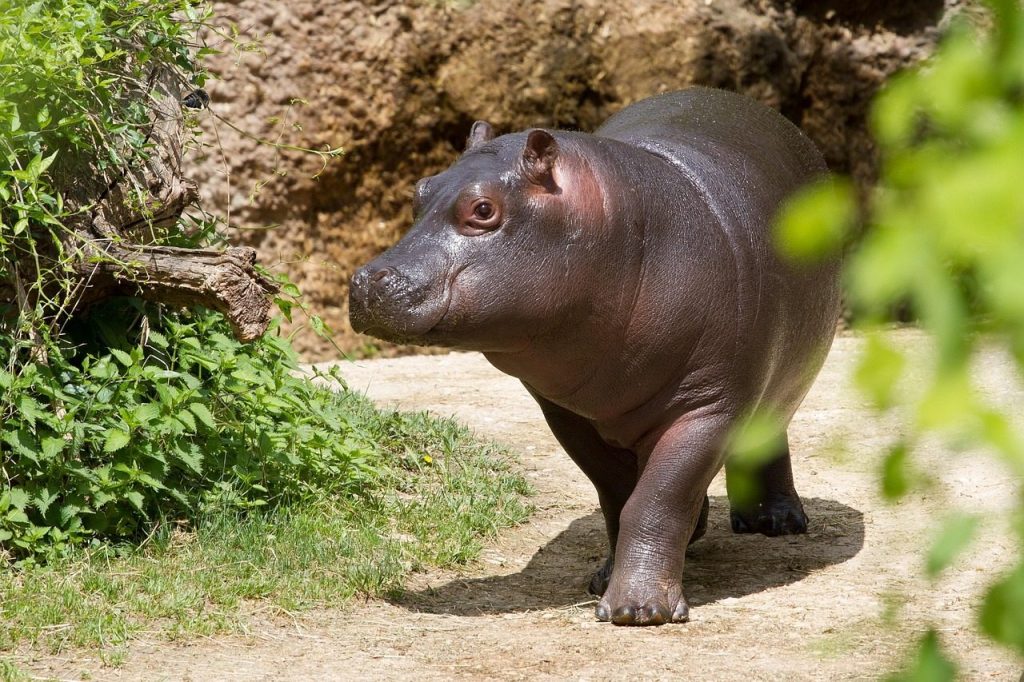
hippopotamus, zoo, young hippo, hippo, hippopotamus, hippopotamus, hippopotamus, hippo, hippo, hippo, hippo, hippo
Photo by adege on Pixabay

Hippos play an important ecological role in Africa, but Colombia’s ecosystems did not evolve alongside them. Scientists worry that large amounts of hippo waste could alter water quality, disrupt aquatic habitats, and affect native fish and wildlife. Because the population is still relatively new, some long-term environmental impacts may not yet be fully understood.

The Animals Have Won Public Support

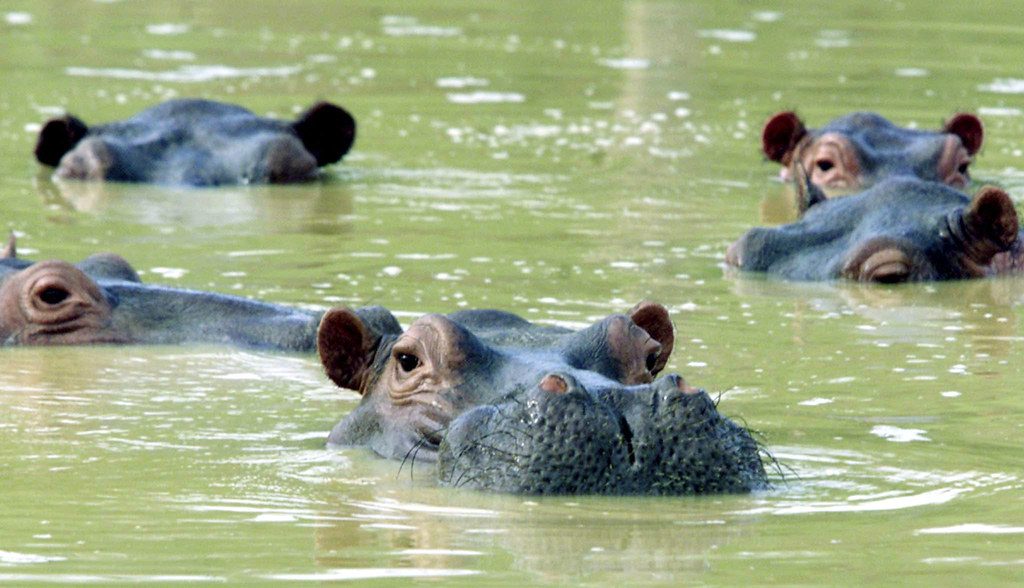
A group of hippopotamuses relaxing in their lush indoor habitat at Berlin Zoo.
Photo by Memory Lane on Pexels

Despite environmental concerns, many Colombians have developed a fondness for the hippos. The animals attract tourists, generate international attention, and have become an unexpected symbol of local identity in some regions. This popularity has made it difficult for authorities to pursue aggressive population-control measures.

Why Sterilization Is the Leading Strategy
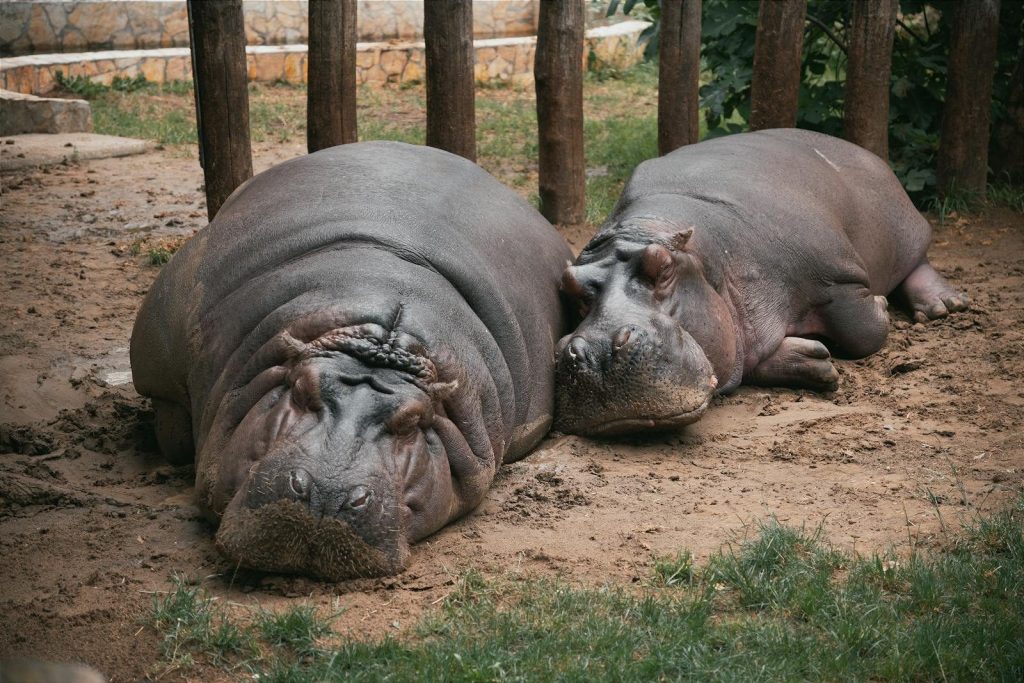
Two hippos lounging peacefully in an outdoor zoo enclosure, captured in Hungary.
Photo by Molnár Tamás Photography™ on Pexels

To balance animal welfare concerns with ecological protection, authorities have increasingly focused on sterilization programs. Veterinary teams have successfully sterilized some hippos, but the process is expensive, dangerous, and logistically challenging. Capturing and treating enough animals to significantly slow population growth remains a major hurdle.

A Conservation Debate With No Easy Answers
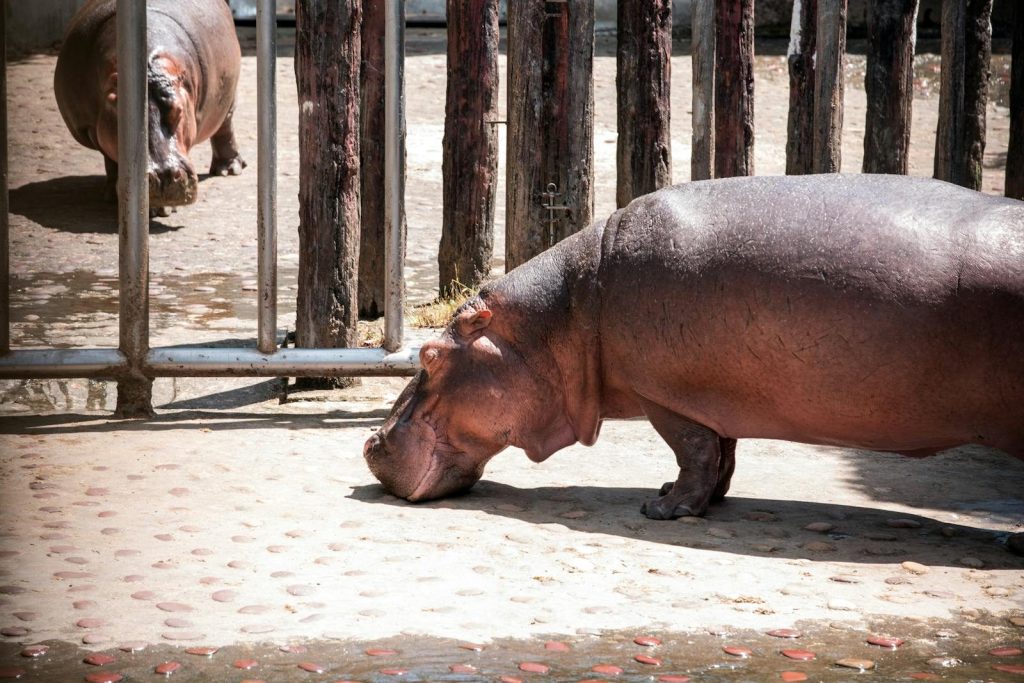
Two hippos bask in the sun inside their enclosure at Taipei Zoo, Taiwan.
Photo by Charles Chen on Pexels

The hippo dilemma highlights a broader challenge faced by conservationists worldwide. Protecting ecosystems sometimes requires managing species that people have grown attached to, even when those species are invasive. Colombia must now balance environmental protection, public opinion, animal welfare, and long-term costs as it decides how to handle one of the world’s most unusual invasive animal populations.

Post navigation

Previous: Swimming Snakes Are Threatening Ibiza’s Native Lizards
Next: This Tiny Puppy Refused To Leave Until Someone Found His Hidden Family

Related Posts

Two donkeys standing next to each other near a fence

Study Highlights Welfare Concerns for Britain’s Often-Overlooked Working Donkeys

June 17, 2026June 17, 2026 Jake
brown and white cow on green grass field during daytime

Hidden Mineral Deficiency May Be Quietly Reducing Farm Productivity, Veterinarians Warn

June 17, 2026June 17, 2026 Jake
glanville fritillary, melitaea cinxia, butterfly, beautiful flowers, flower wallpaper, spring, beetle, branch, bough, stick, limb, blossom, flower, bloom, tillering, estonia, face, flower background, summer, parasite, bug, wildlife, outdoor, nature, forest, examine, probe

The Forgotten Butterfly Pioneer Finally Gets the Recognition She Deserves

June 17, 2026June 17, 2026 Jake

Leave a Reply Cancel reply

Your email address will not be published. Required fields are marked *

Recent Posts

  • Study Highlights Welfare Concerns for Britain’s Often-Overlooked Working Donkeys
  • Hidden Mineral Deficiency May Be Quietly Reducing Farm Productivity, Veterinarians Warn
  • The Forgotten Butterfly Pioneer Finally Gets the Recognition She Deserves
  • How Volunteers Are Protecting Britain’s Most Vulnerable Shorebirds
  • The Abandoned Foal That Turned Into a Mission of Hope
Copyright All Rights Reserved | Theme: BlockWP by Candid Themes.