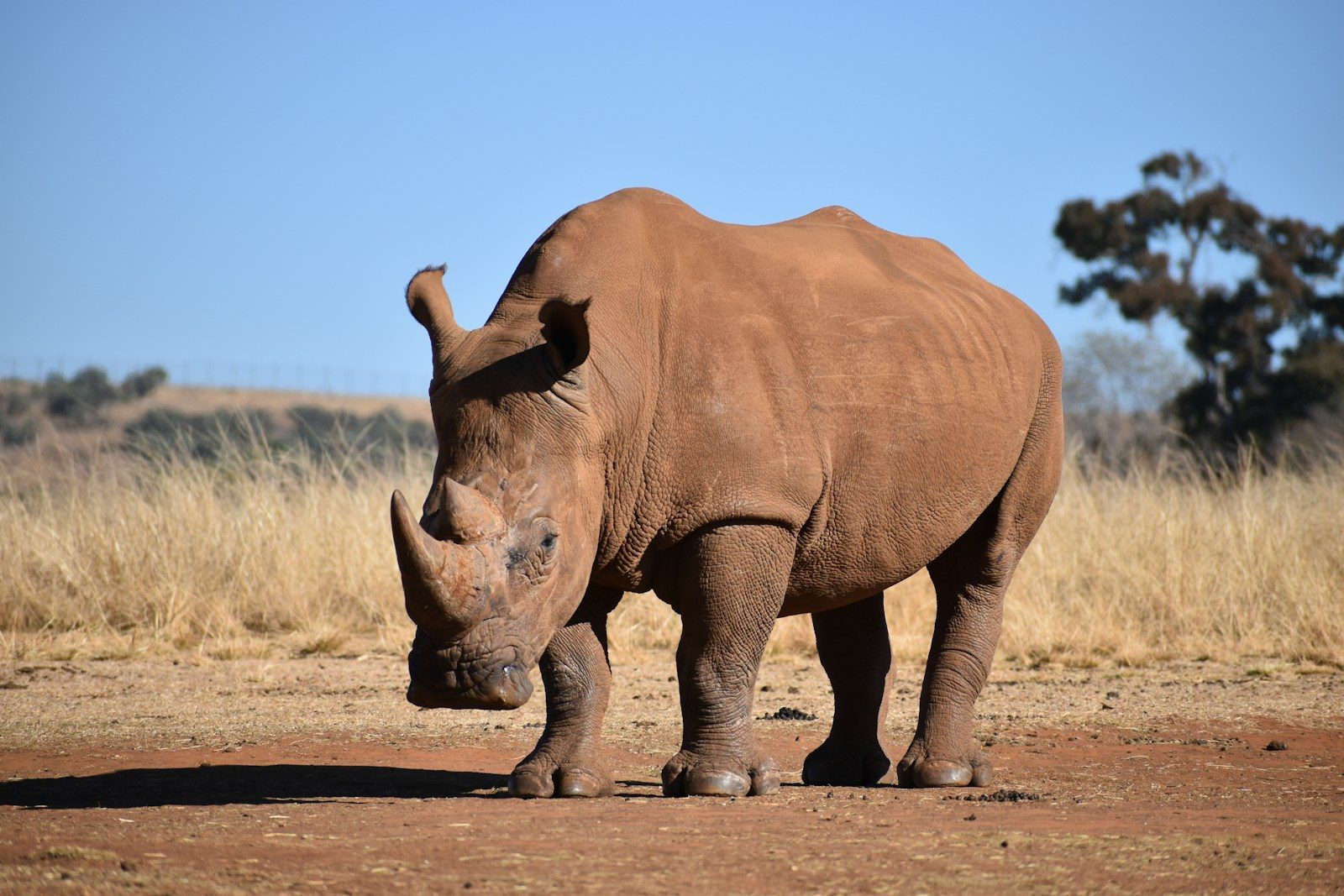
Rhinos often look slow and heavy, like prehistoric giants that move at a gentle pace. But this impression is misleading. Despite their bulky frames and enormous weight, rhinos are capable of surprising bursts of speed that make them one of the most dangerous animals to encounter on land. The idea that a human could outrun a charging rhino is far from reality.
How Fast Can a Rhino Actually Run?
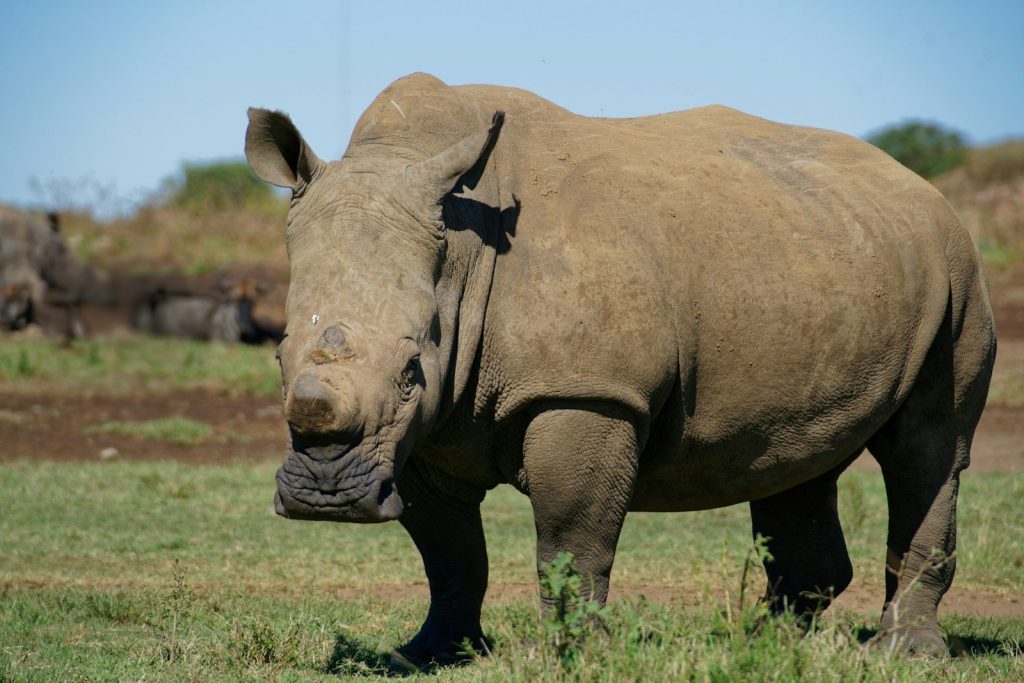
A fully grown rhinoceros can reach speeds of around 30 to 35 miles per hour in short bursts. That is faster than most cars travel in residential areas and well beyond human running ability.
By comparison, the average person runs at roughly 6 to 8 miles per hour. Even elite sprinters, who train for peak performance, max out at around 20 to 25 miles per hour for very short distances. This means a rhino can easily outpace any human in a straight sprint.
Why Rhinos Are So Fast Despite Their Size
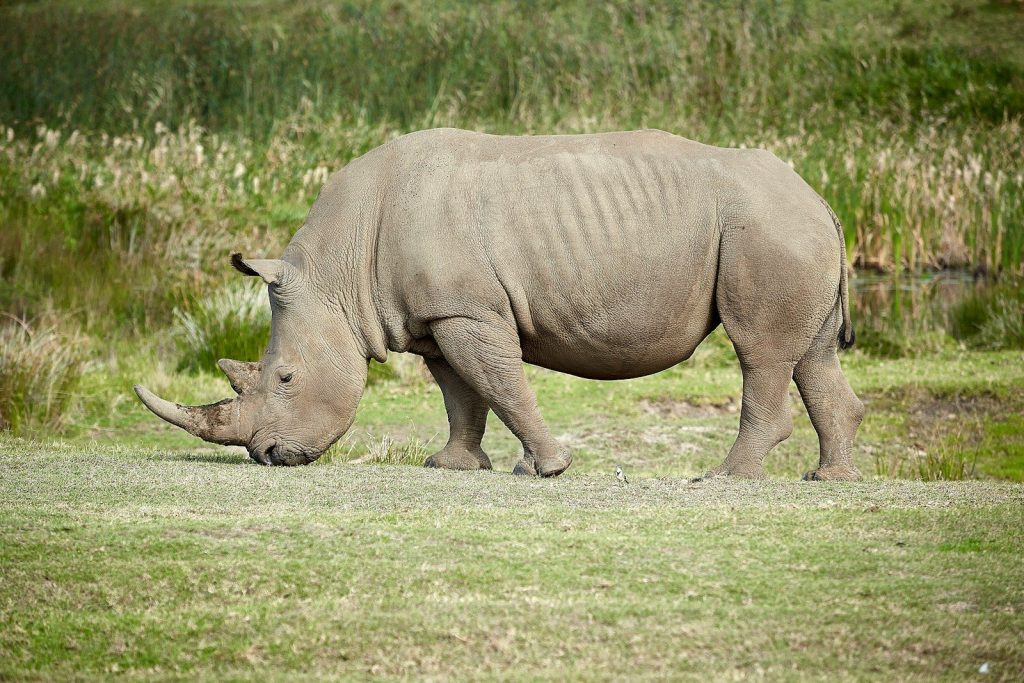
Rhinos have powerful leg muscles and a strong skeletal structure that supports their massive bodies. While they may appear slow when walking or grazing, they are built for sudden acceleration when needed.
This speed is not for chasing prey but for defense. Rhinos use their momentum to charge at perceived threats, making them one of the most intimidating animals in the wild. When they decide to run, very little can stop them.
What Triggers a Rhino Charge?

Rhinos are generally calm animals and prefer to avoid confrontation. However, they can become aggressive if they feel threatened, startled, or cornered.
One important factor is their poor eyesight. Rhinos often rely on smell and sound more than vision, which means they may charge at unfamiliar shapes or movements out of caution. In many cases, what looks like an attack is actually a defensive reaction.
Can a Human Escape a Charging Rhino?
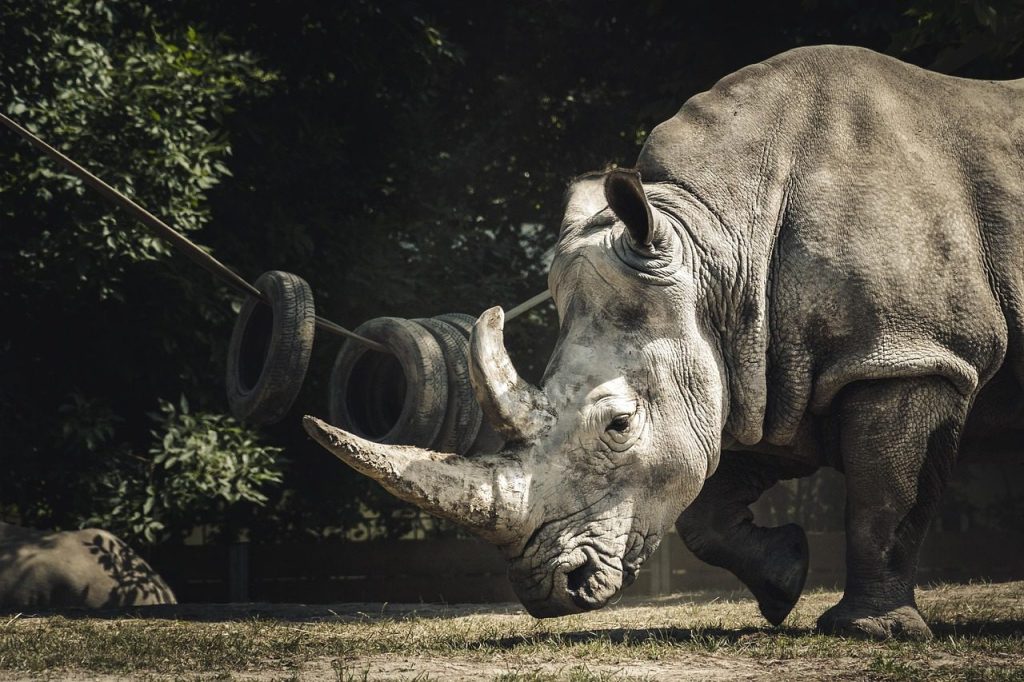
In most situations, escaping a charging rhino by running is extremely unlikely. Their speed and mass give them a significant advantage over humans.
Wildlife experts suggest that survival depends more on environment than speed. Large obstacles such as trees, rocks, or uneven terrain may slow a rhino down or force it to change direction. However, these situations are rare, and relying on them is not a safe strategy.
The most effective way to avoid danger is prevention. Keeping a safe distance and respecting wildlife boundaries is the best approach when in rhino territory.
White Rhino vs Black Rhino Speed Differences
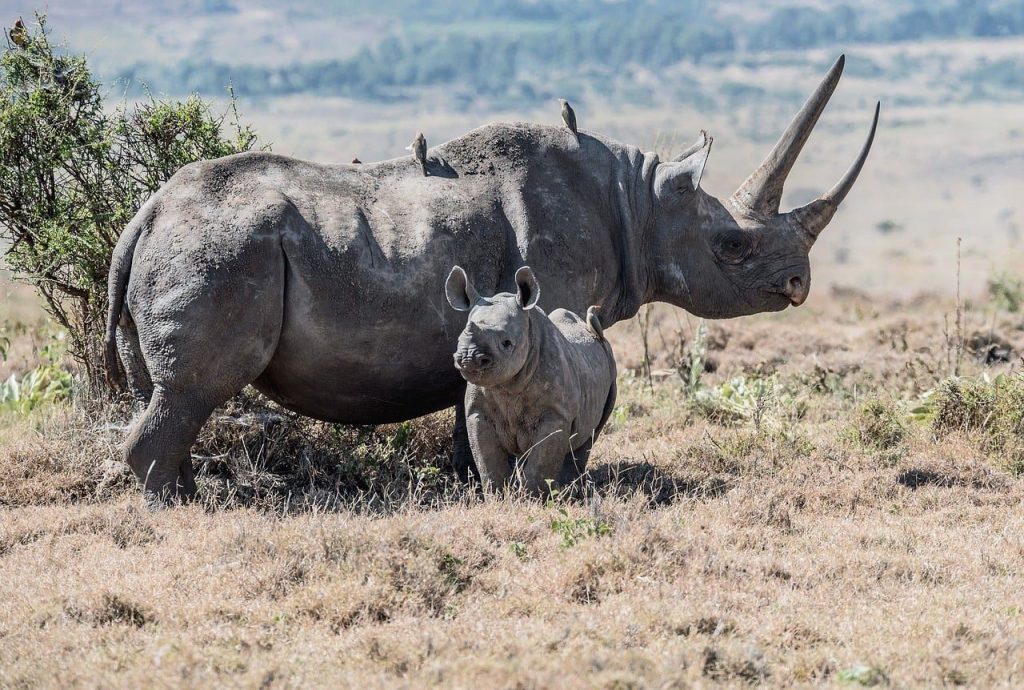
There are five species of rhino, but the most commonly discussed are the white and black rhinos. White rhinos are larger but surprisingly fast, capable of sustained charges when necessary.
Black rhinos are smaller and more aggressive in behavior. They are often quicker to react and may charge more readily if they feel threatened. Despite differences in temperament, both species are capable of speeds that far exceed human ability.
The Power Behind the Charge
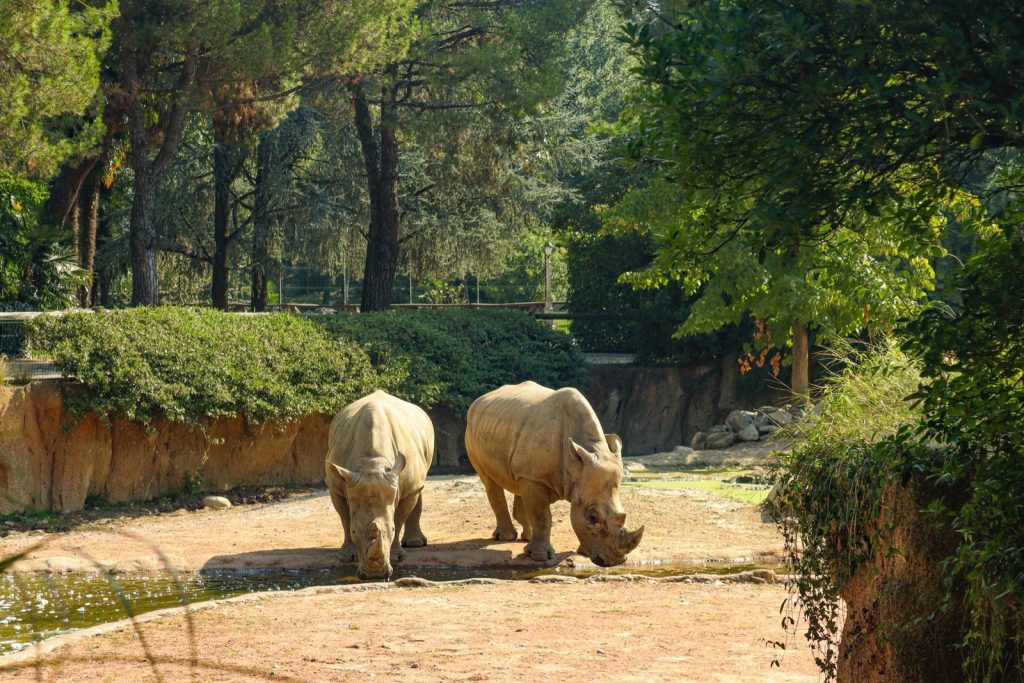
A rhino charge is not just about speed. It is also about force. With body weights that can exceed several tons, a running rhino generates enormous momentum. This makes it extremely dangerous even without direct contact.
Fortunately, rhinos are not naturally aggressive toward humans. Most encounters end without incident, as rhinos prefer to avoid confrontation unless provoked.