The American bison is one of the most powerful and iconic animals in North America. Often mistaken as “buffalo,” this massive herbivore once ruled the plains in enormous herds, shaping ecosystems, landscapes, and even human history.
Today, bison are a symbol of survival and restoration, after being nearly wiped out in the 1800s. Their comeback is one of the most remarkable wildlife recoveries ever recorded.
The Largest Land Animal in North America
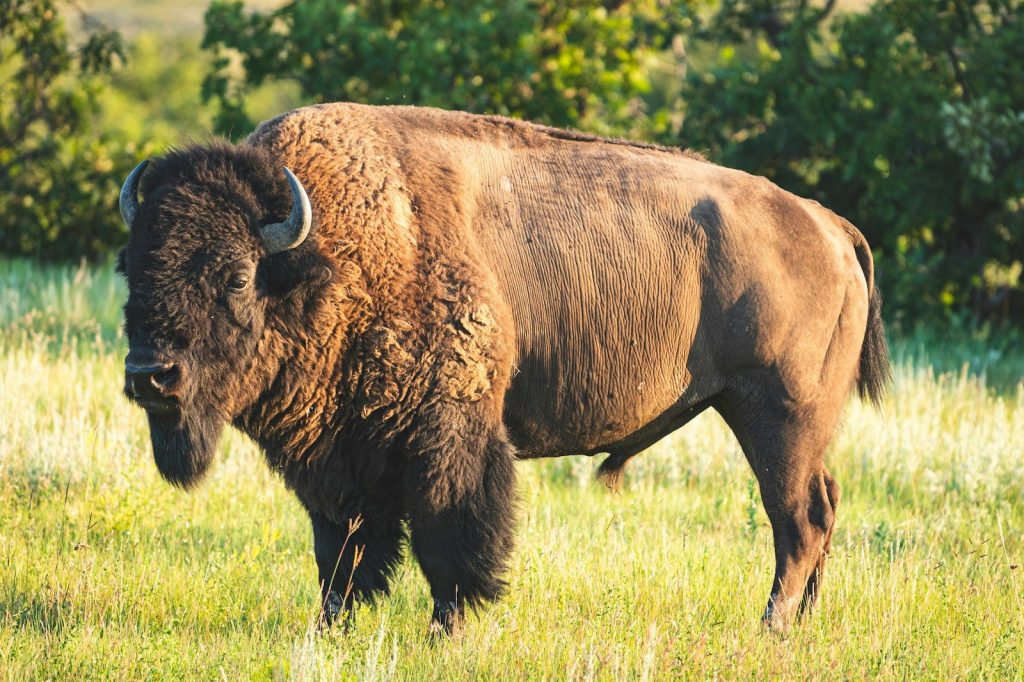
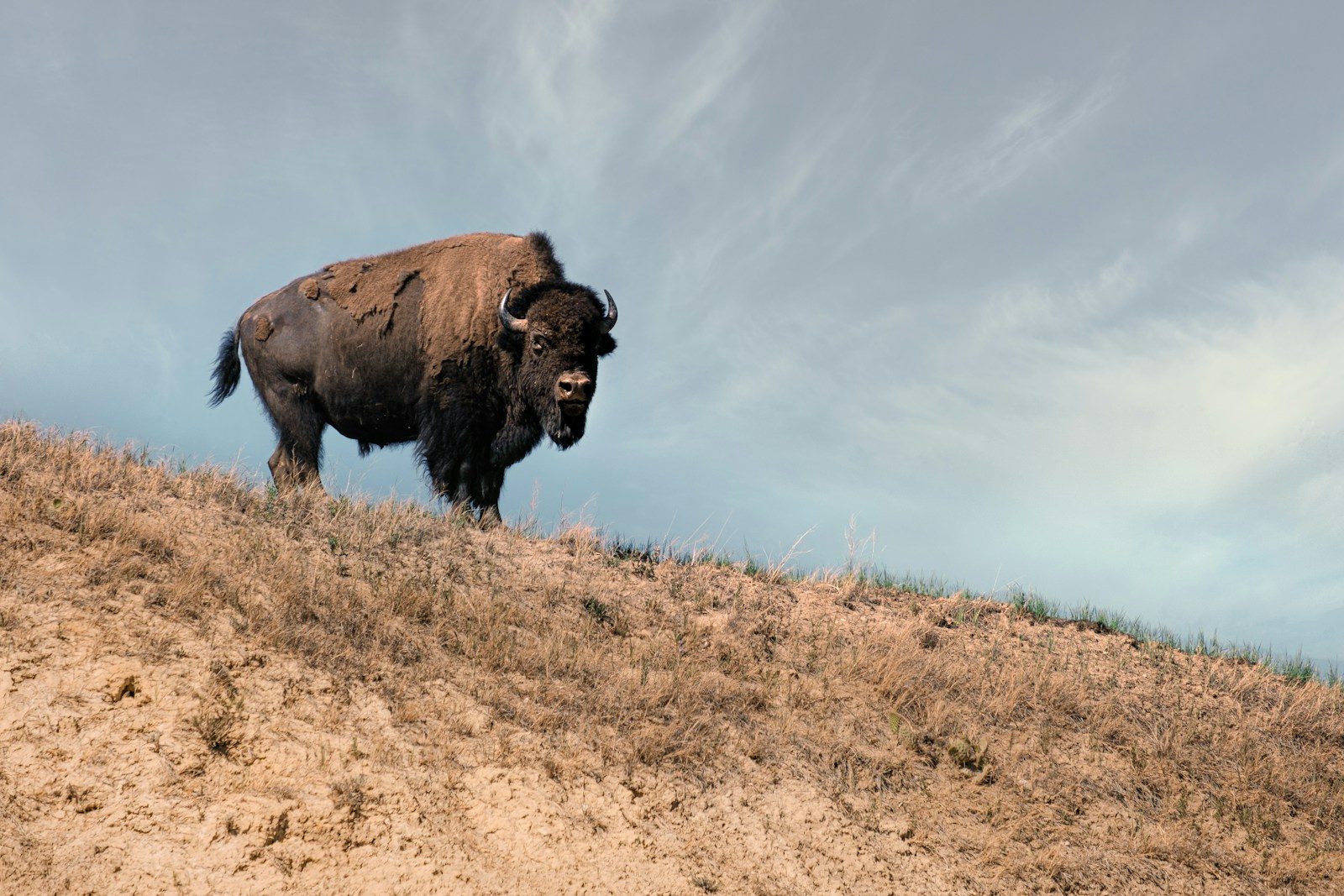
The American bison is the heaviest land animal in North America, with some bulls weighing over 2,000 pounds. Despite their size, they can run at speeds of up to 40 miles per hour.
They have a massive head, strong shoulders, and a thick shaggy coat that helps them survive harsh winters. Their build makes them look slow, but they are surprisingly fast and agile.
Once Nearly Erased from the Wild
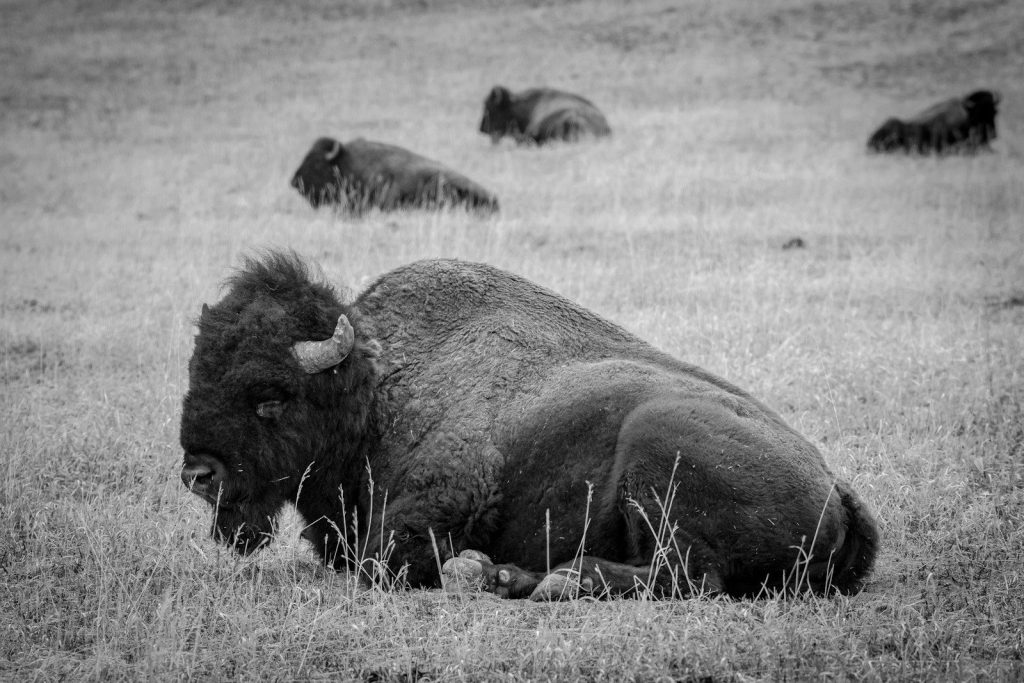
Before European expansion, tens of millions of bison roamed across North America in massive herds. They played a crucial role in shaping grassland ecosystems.
However, overhunting in the 1800s reduced their numbers to fewer than 1,000 individuals, pushing the species to the edge of extinction.
The Great Plains Ecosystem Engineers
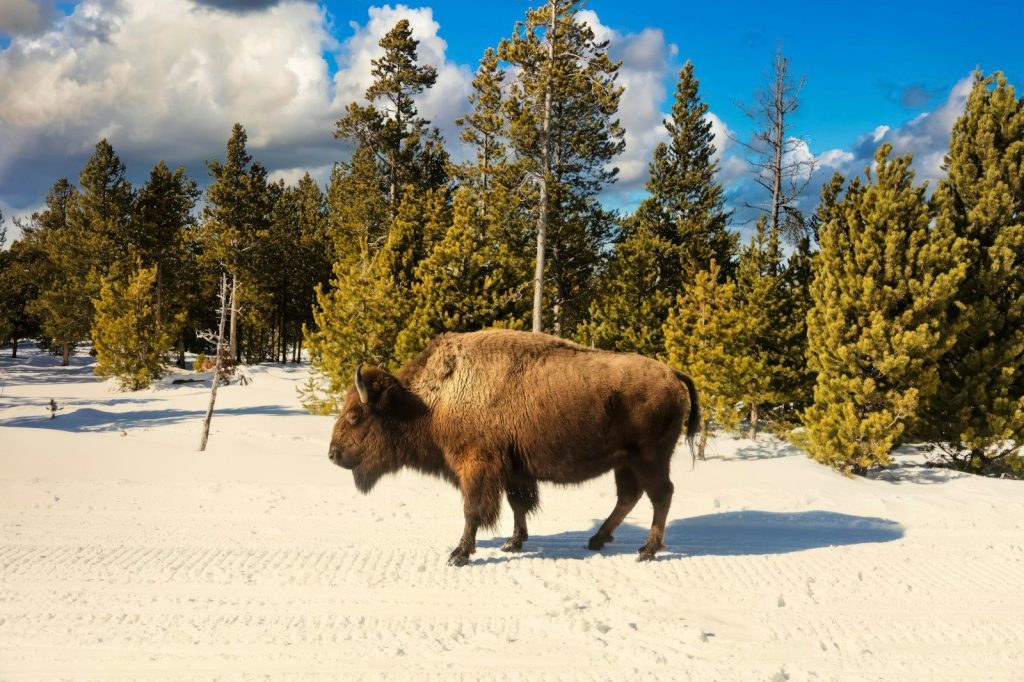
Bison are not just animals, they actively shape the land around them. As they graze, they help maintain healthy grasslands and promote plant diversity.
Their movement across plains once influenced migration patterns of other wildlife and even the survival strategies of predators.
Built for Survival in Extreme Conditions
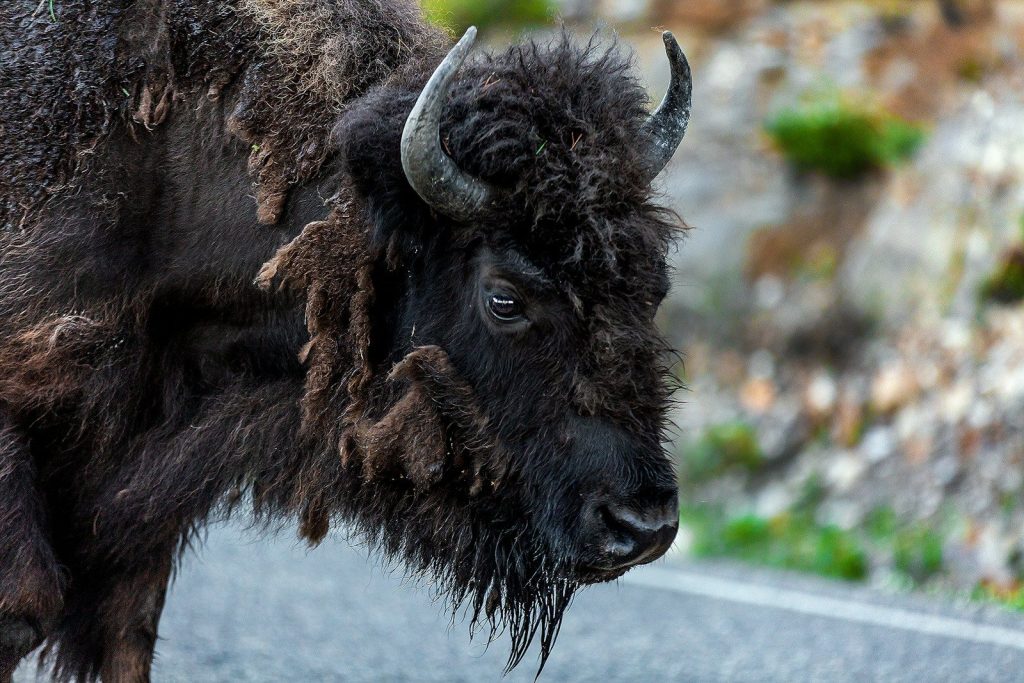
Bison have thick coats and a powerful hump of muscle over their shoulders, which helps them move through deep snow. They often face into blizzards instead of turning away.
This adaptation allows them to survive in some of the harshest climates in North America, from freezing winters to hot summers.
Behavior: Calm Until It Isn’t
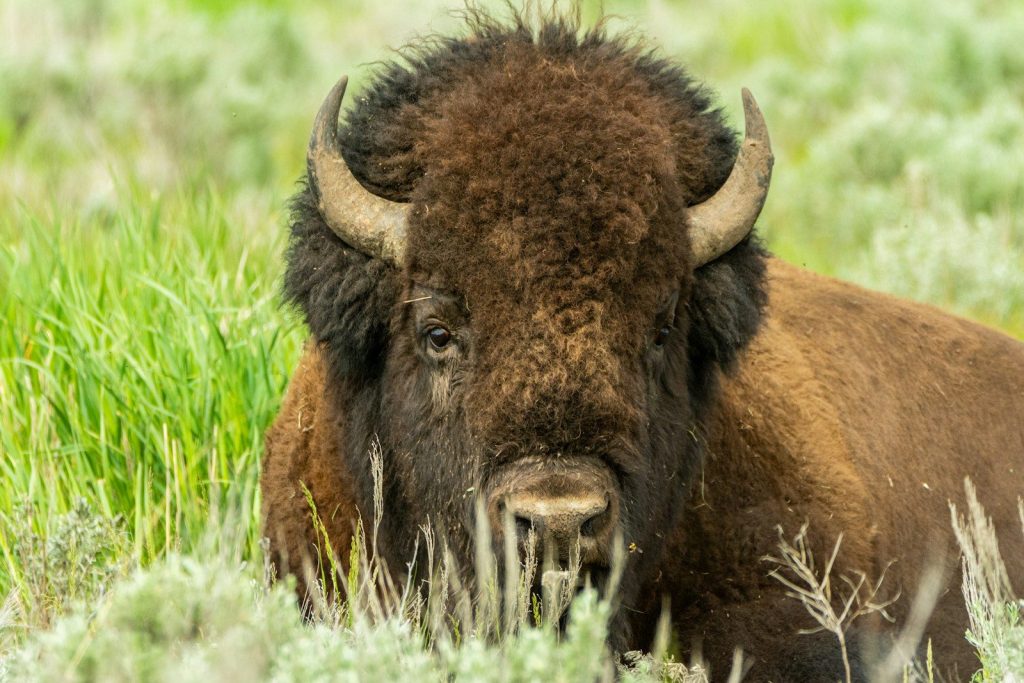
Most of the time, bison are calm grazers living in herds separated by age and sex. But when threatened, they can become extremely dangerous.
They use their horns and sheer body weight to defend themselves, and can charge with little warning if they feel provoked.
The Great Comeback Story
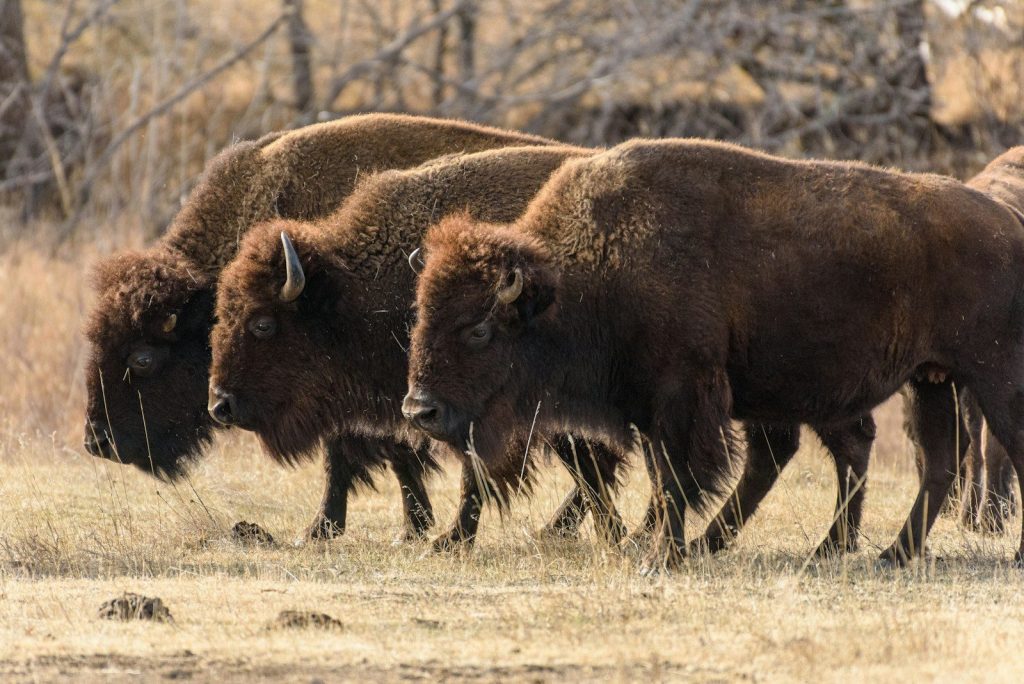
Thanks to conservation efforts, bison have returned to protected lands and national parks. Today, hundreds of thousands exist in managed herds across North America.
While most are not fully wild, they represent one of the greatest wildlife recovery stories in modern history, proving nature can rebound when given a chance.
A Living Symbol of the Wild
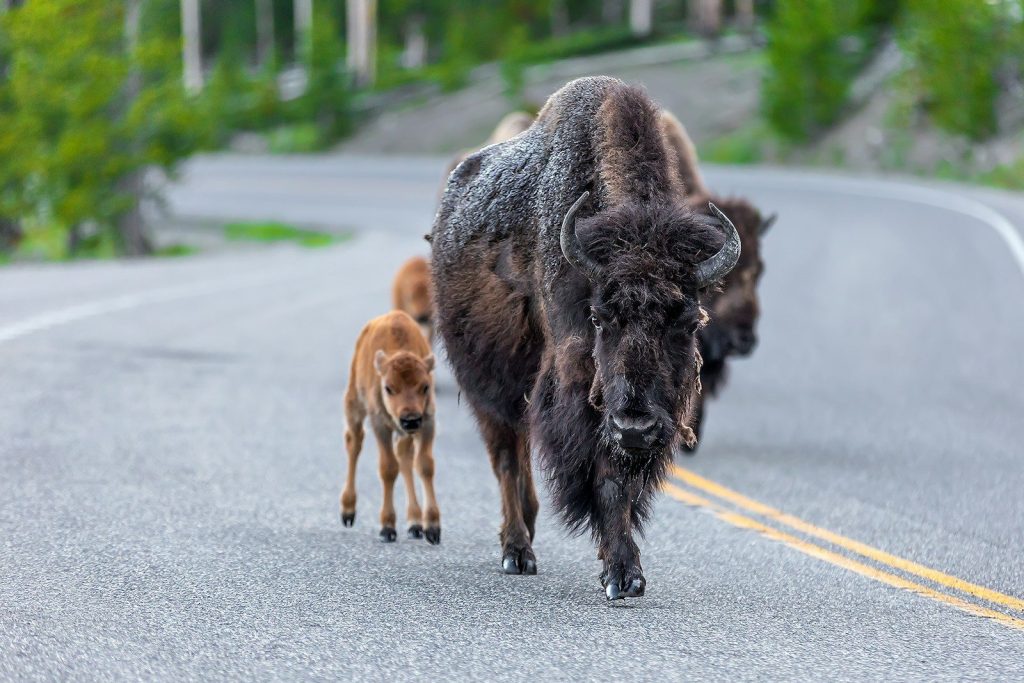
The American bison is more than just a large animal; it is a symbol of resilience, wilderness, and survival against human impact.
From near extinction to recovery, its story reflects both the destruction and healing power of human influence on nature.