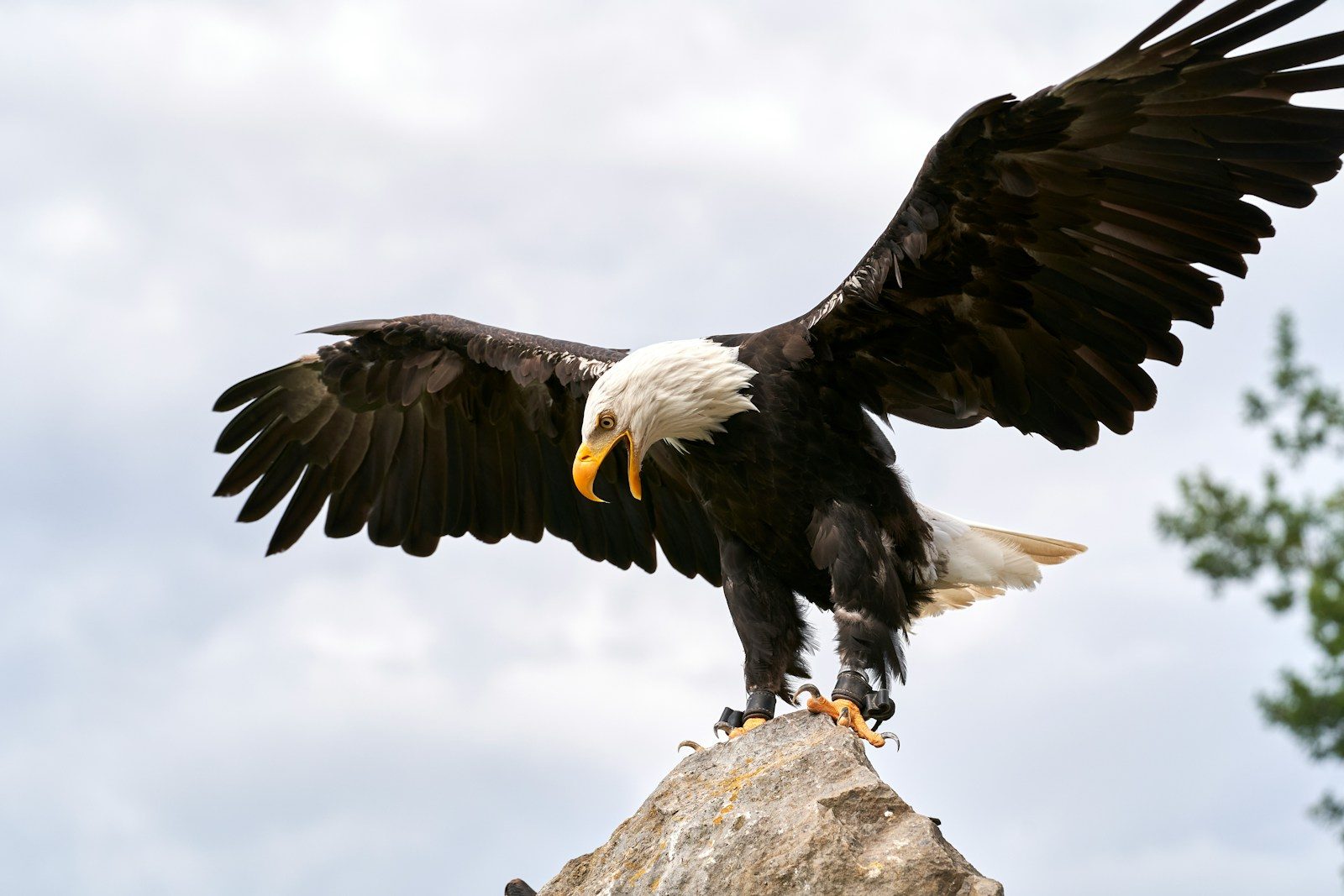
The bald eagle was once dangerously close to disappearing from much of the United States. Today, however, the iconic bird has made one of the greatest wildlife recoveries in American history, with thriving populations now found across several states.
While Alaska remains the undisputed stronghold for bald eagles, several other states also support surprisingly large populations thanks to protected habitats, abundant waterways, and decades of conservation work.
Alaska Dominates Bald Eagle Numbers
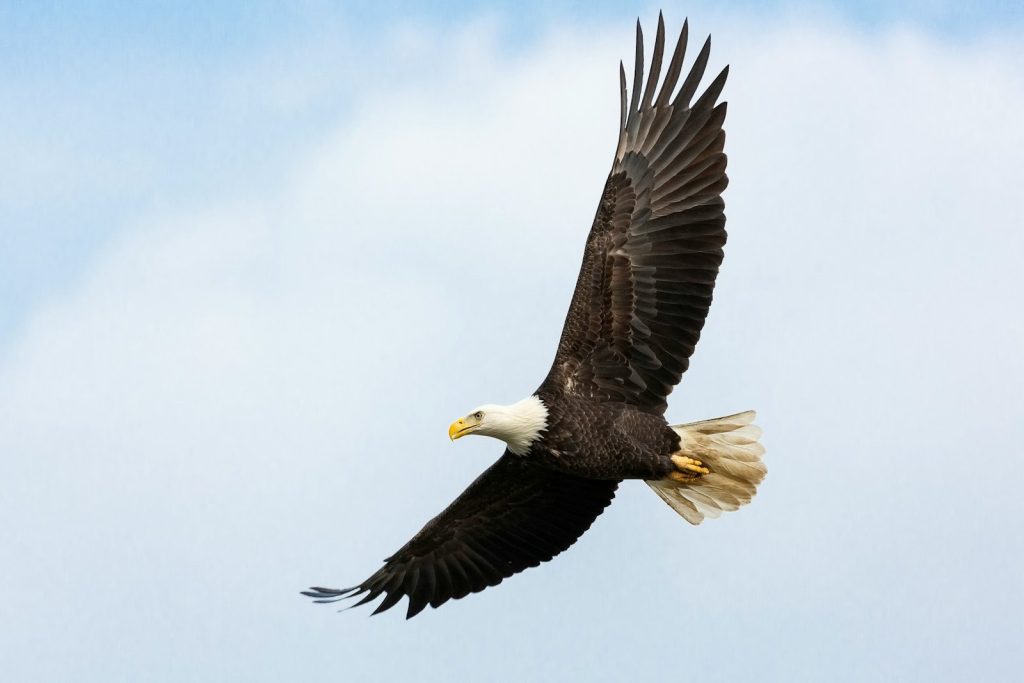
No state comes close to Alaska when it comes to bald eagle populations. Experts estimate the state supports tens of thousands of breeding pairs, with many regions hosting eagles year round.
Alaska’s endless coastlines, salmon rich rivers, and remote wilderness provide near perfect conditions for the birds to thrive.
Minnesota Has Become a Bald Eagle Hotspot
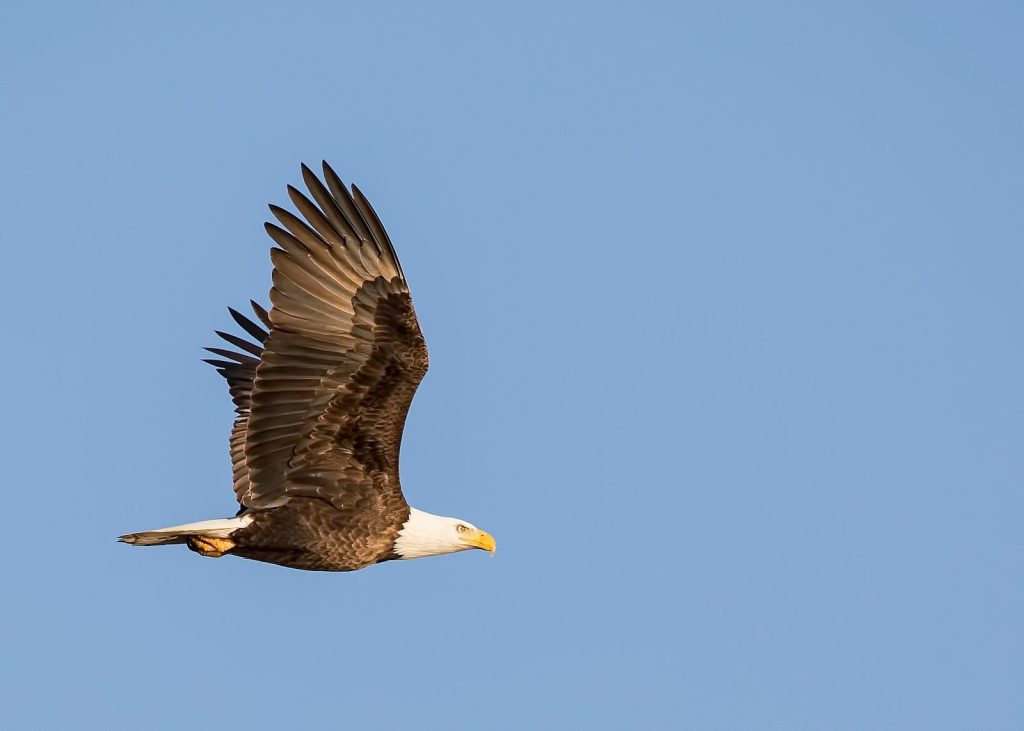
Minnesota now holds one of the largest bald eagle populations in the lower 48 states. Thousands of breeding pairs nest throughout the state, particularly near lakes and river systems.
Residents frequently report seeing bald eagles near suburban areas, something that was far less common decades ago.
Wisconsin’s Eagle Recovery Has Been Remarkable
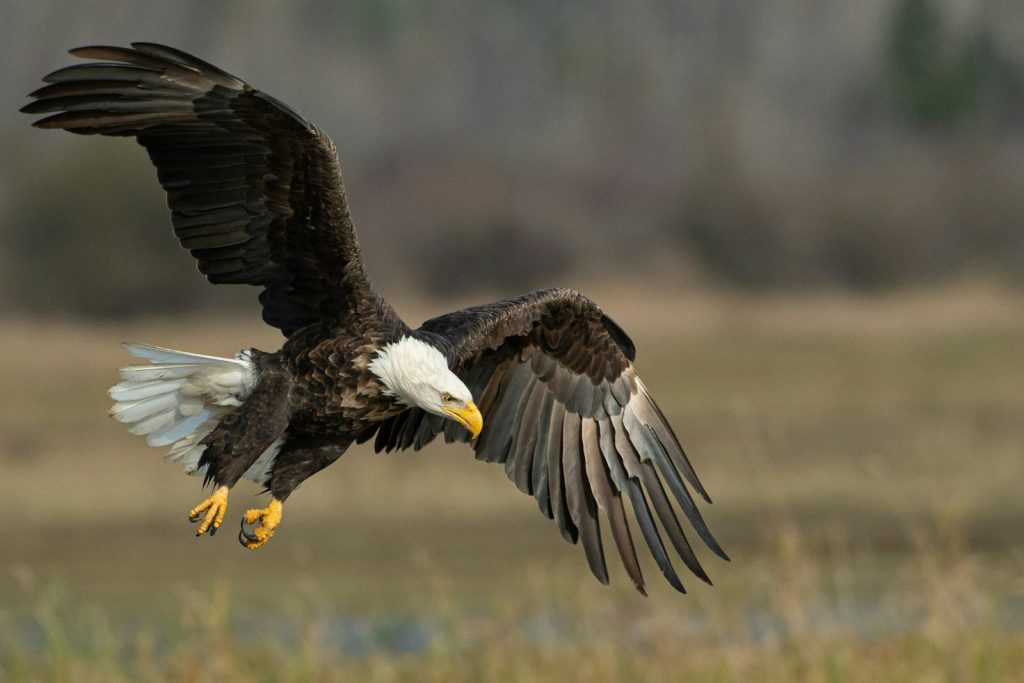
Wisconsin has also emerged as a major bald eagle stronghold following years of conservation efforts. Large nesting populations can now be found along rivers, forests, and wetlands across the state.
Locals say sightings have become increasingly common even near populated communities.
Florida Still Supports Huge Eagle Populations
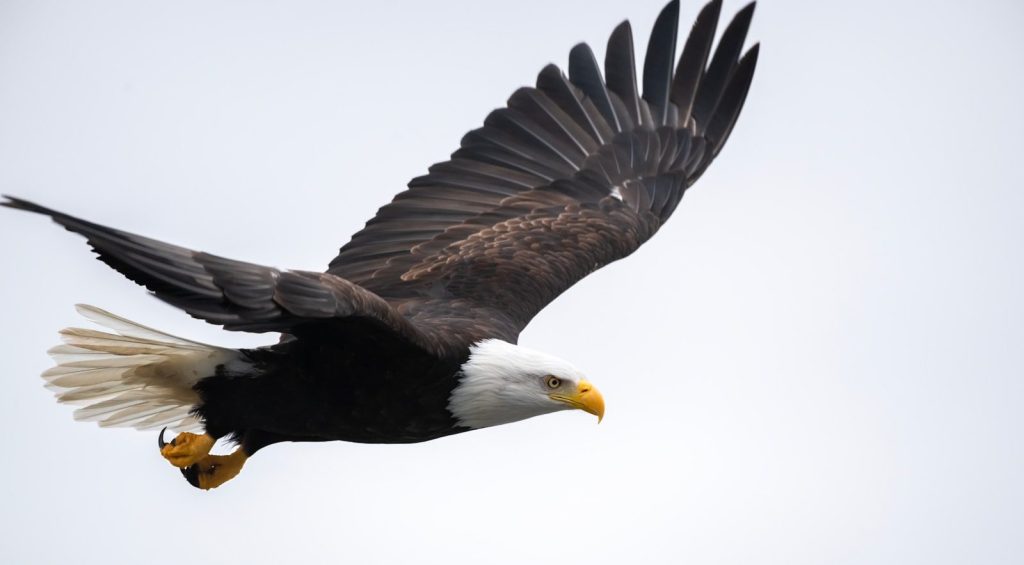
Although many people associate bald eagles with northern forests, Florida remains one of the country’s top states for breeding pairs.
Its warm climate, coastal estuaries, and freshwater lakes provide excellent nesting conditions throughout the year.
Maryland Has One of the Densest Populations
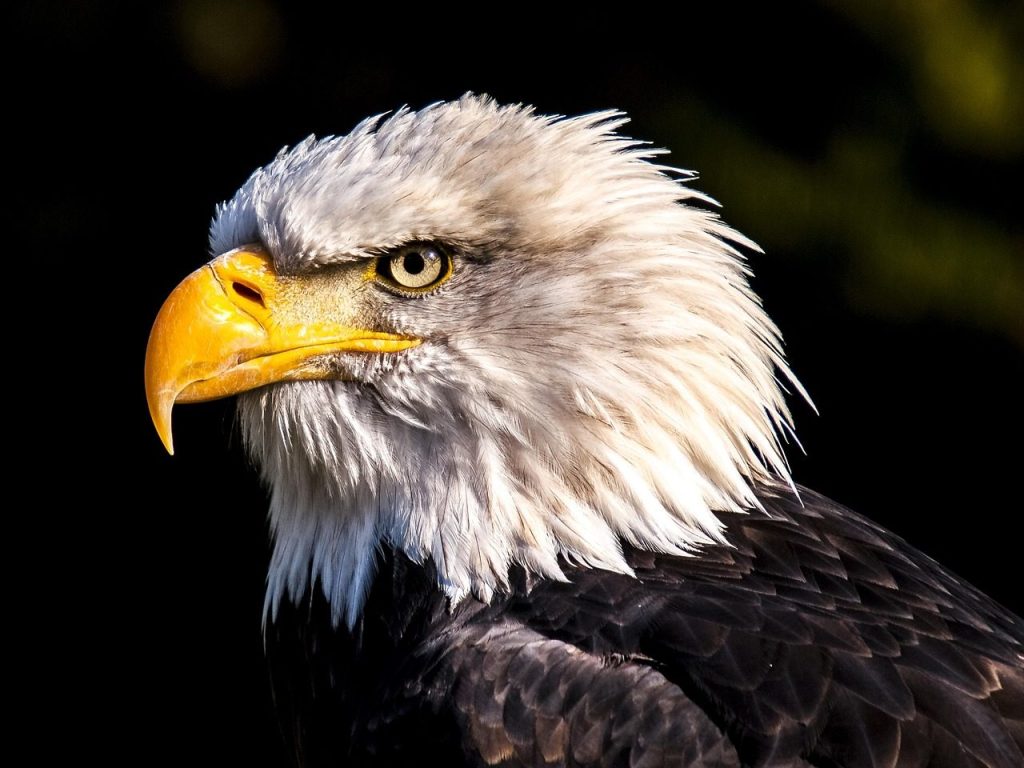
Maryland consistently ranks among the leading states for bald eagle breeding pairs. The Chesapeake Bay watershed gives eagles access to rich fishing grounds and extensive nesting habitat.
The state’s population growth reflects how adaptable bald eagles can be when protected ecosystems remain healthy.
Virginia’s Rivers Attract Growing Numbers
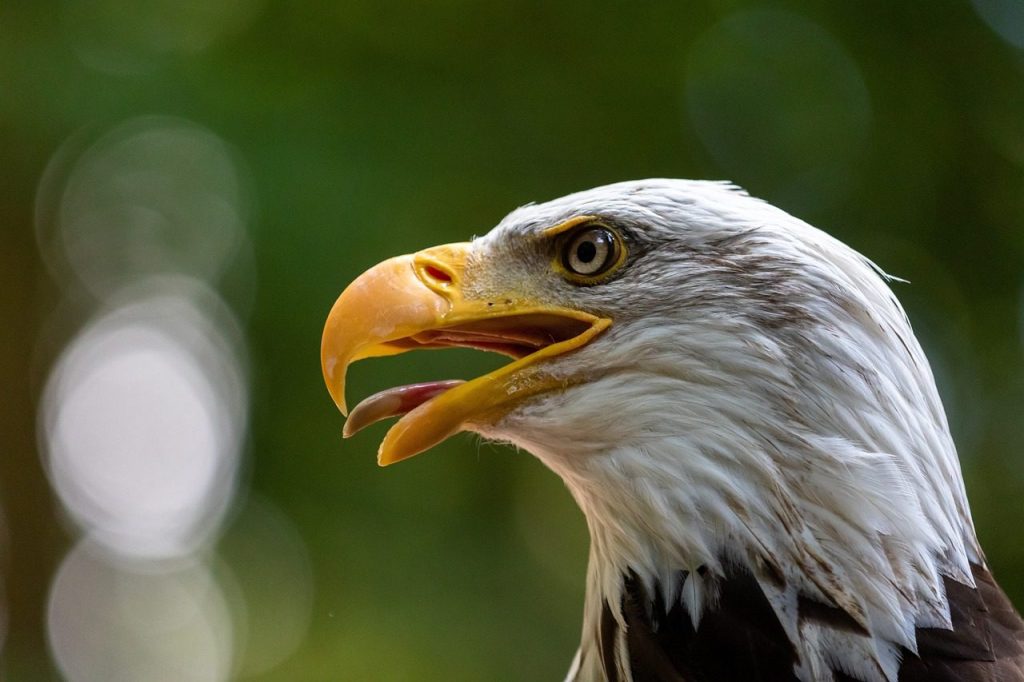
Virginia has seen steady growth in its bald eagle population over the past several decades. Eagles are now commonly found along major rivers, reservoirs, and coastal marshes.
Conservation programs and habitat restoration have played a major role in the species’ recovery across the state.
Michigan Continues to See Strong Eagle Growth
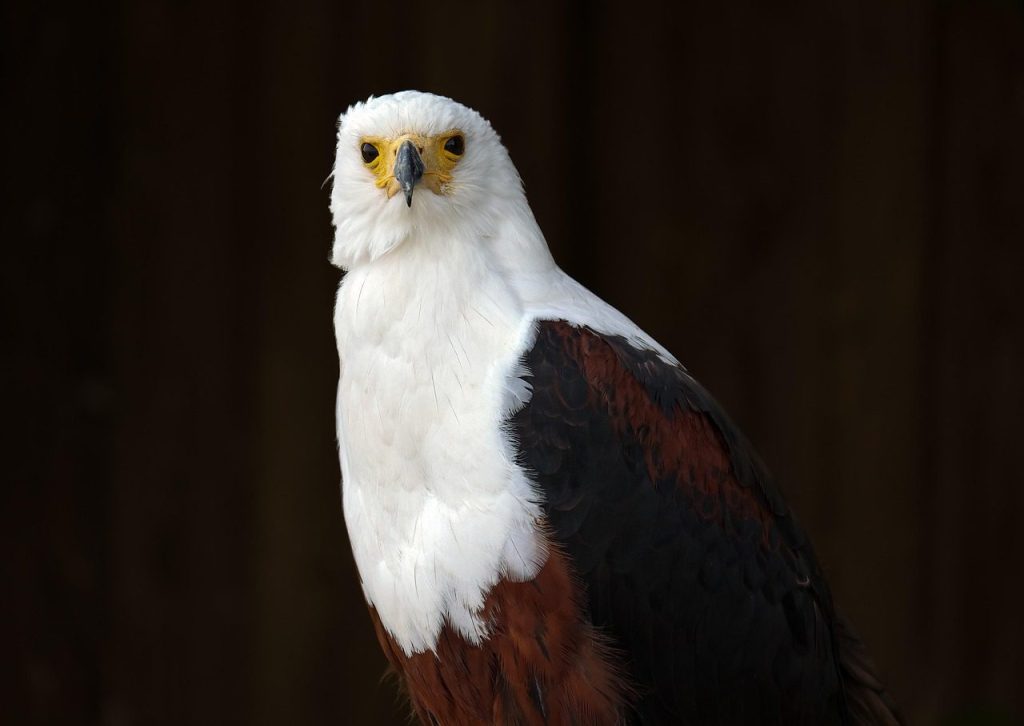
Michigan’s Great Lakes coastline and inland waterways make it another ideal habitat for bald eagles. The state now supports hundreds of breeding pairs spread across both the Upper and Lower Peninsulas.
Winter migrations also bring additional eagles into the region during colder months.
Bald Eagles Are One of America’s Greatest Conservation Success Stories
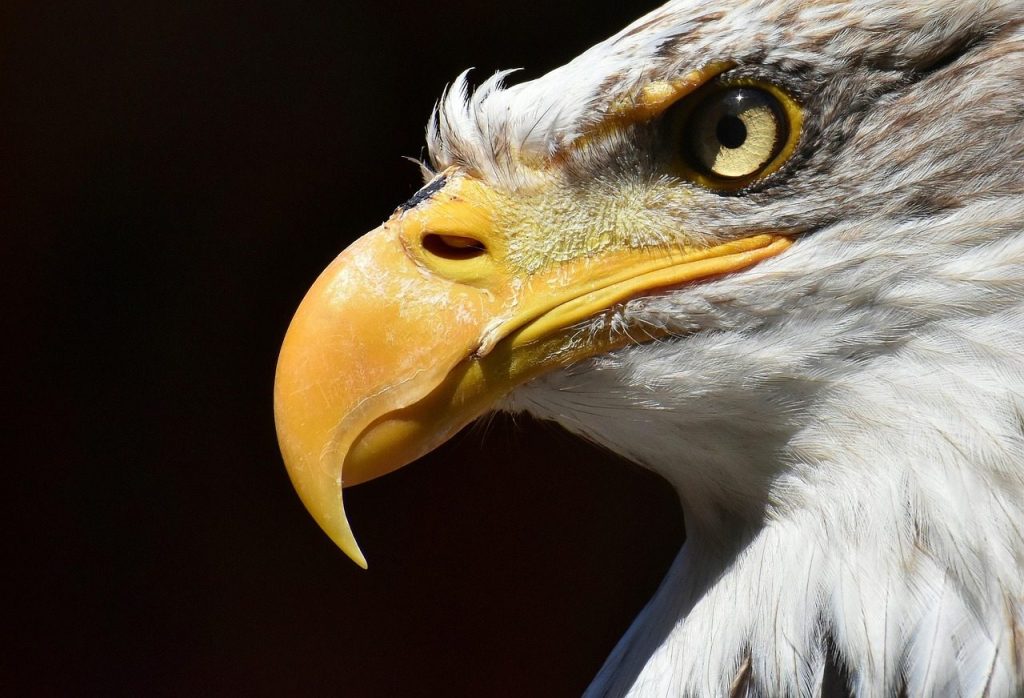
The bald eagle population collapse during the twentieth century was largely linked to habitat destruction and pesticide use, especially DDT. Conservation laws, hunting protections, and environmental reforms helped reverse the decline.
Today, bald eagles can be found in nearly every U.S. state except Hawaii, serving as one of the clearest examples of successful wildlife recovery in modern conservation history.