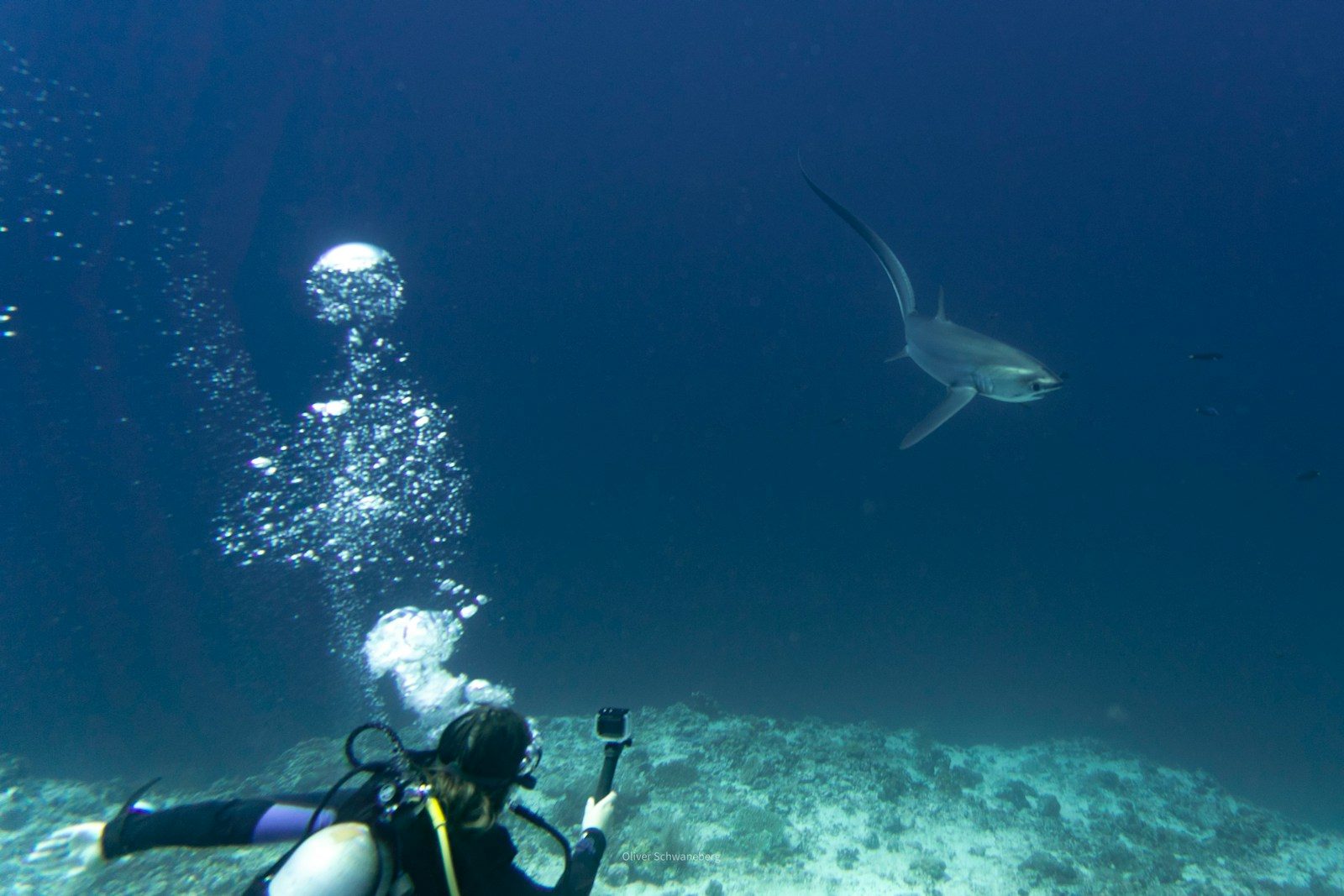
A stunning underwater encounter has captured the attention of ocean lovers online after a diver filmed a rare thresher shark swimming gracefully through deep blue waters. The video, shared on Reddit, gave viewers an unusually close look at one of the ocean’s most distinctive and mysterious predators.
With its impossibly long tail trailing behind like a ribbon, the shark looked almost unreal as it passed calmly in front of the camera.
A Shark Unlike Any Other

Thresher sharks are instantly recognizable because of their enormous upper tail fin, which can be as long as the rest of their body.
Unlike most sharks, they use this oversized tail as a hunting tool. By whipping it through schools of fish, they can stun or corral prey before feeding. The behavior is so unusual that many people seeing a thresher for the first time assume the tail cannot possibly be real.
A Rare Close-Up Encounter
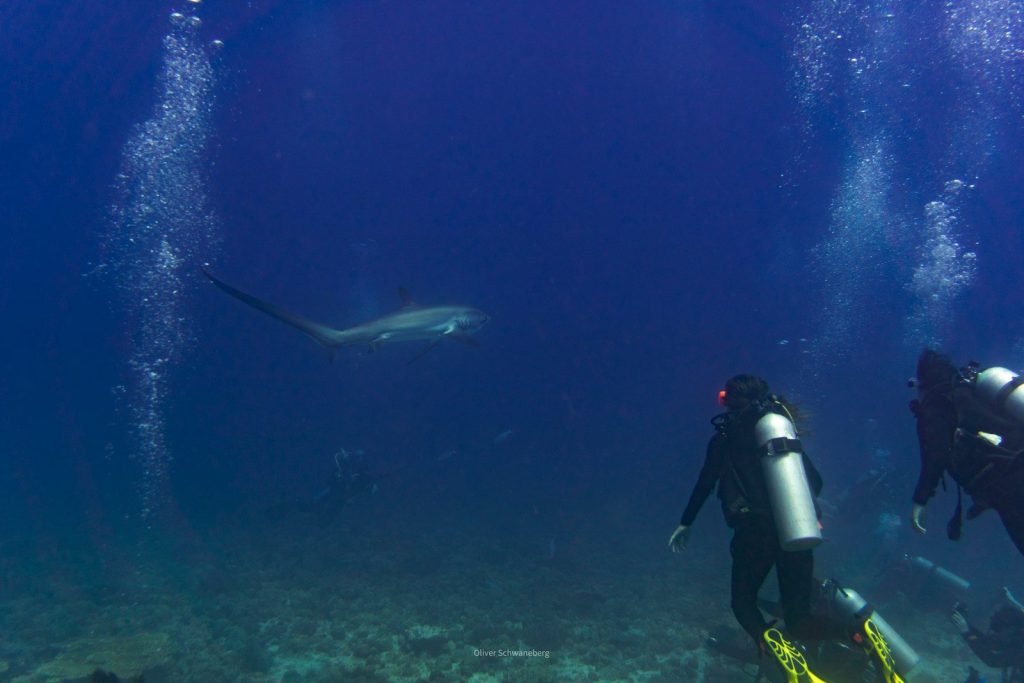
The diver’s footage offered an incredibly rare view of the species in its natural habitat. Thresher sharks are known for being shy and elusive, often avoiding human interaction.
Many viewers online described the shark as prehistoric or alien-like because of its unique shape and slow, smooth movement through the water.
Possibly Filmed Near the Philippines
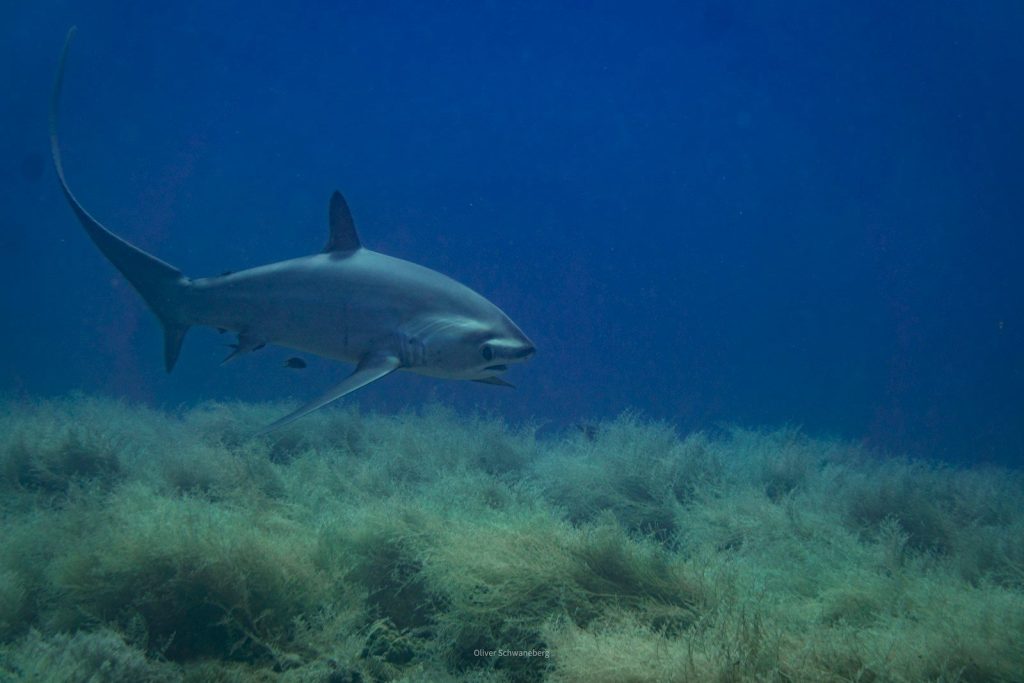
Some commenters suggested the video may have been captured near Malapascua Island in the Philippines, one of the few places in the world where divers regularly encounter thresher sharks.
The area has become internationally known for responsible shark tourism and early morning dives where the species can sometimes be seen visiting cleaning stations deep underwater.
Why Thresher Sharks Matter

Thresher sharks play an important role in maintaining healthy marine ecosystems. As predators, they help regulate fish populations and contribute to the balance of ocean food webs.
Healthy shark populations are also closely connected to thriving coastal tourism industries and stable marine environments.
A Species Facing Growing Threats

Despite their beauty, thresher sharks are under increasing pressure from human activity. According to conservation groups, several thresher species are declining due to overfishing, accidental bycatch, and habitat disruption.
Because sharks reproduce slowly, populations can take decades to recover once numbers begin to fall.
The Rise of Responsible Shark Tourism
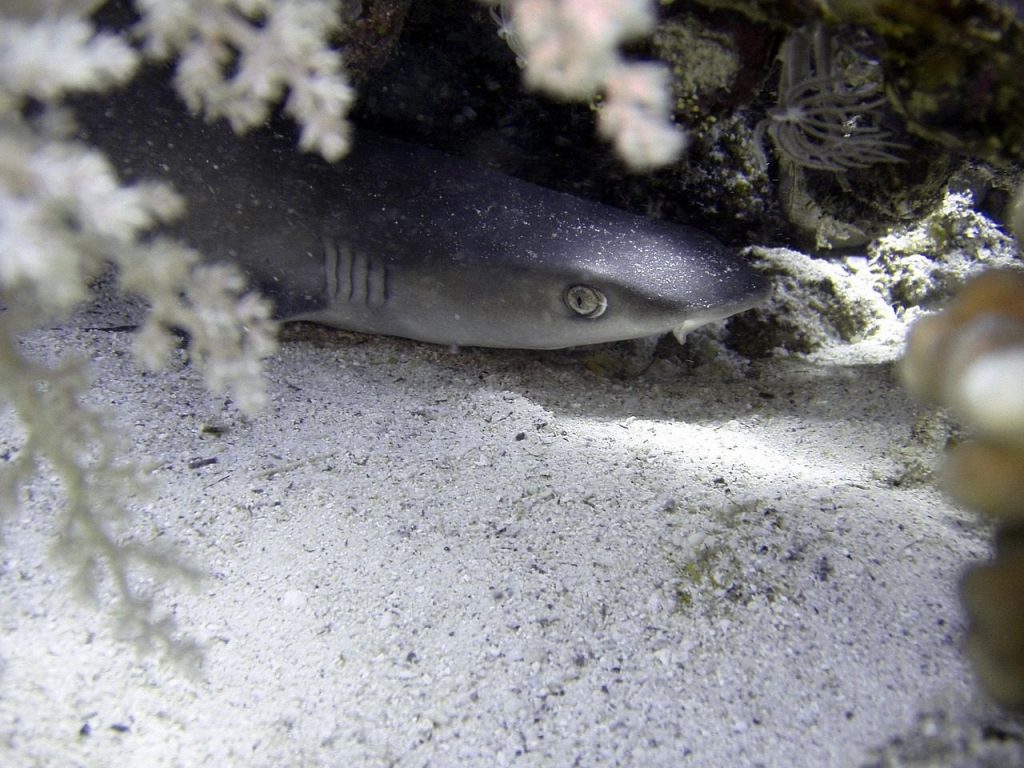
Places like Malapascua have shown that tourism can help protect marine wildlife when done responsibly. Many local dive operators now follow strict viewing guidelines designed to minimize stress on sharks and avoid harmful interactions.
Conservation-minded tourism can create economic incentives to protect species that might otherwise be threatened by fishing pressures.
A Reminder of the Ocean’s Hidden Wonders

The viral video is more than just a beautiful wildlife moment. It is a reminder that some of the planet’s most extraordinary animals still exist beneath the surface, even if many people never get the chance to see them firsthand.
For a few brief moments, the diver’s camera captured a creature that seemed almost mythical, gliding silently through the blue depths like a living relic of the ancient ocean.