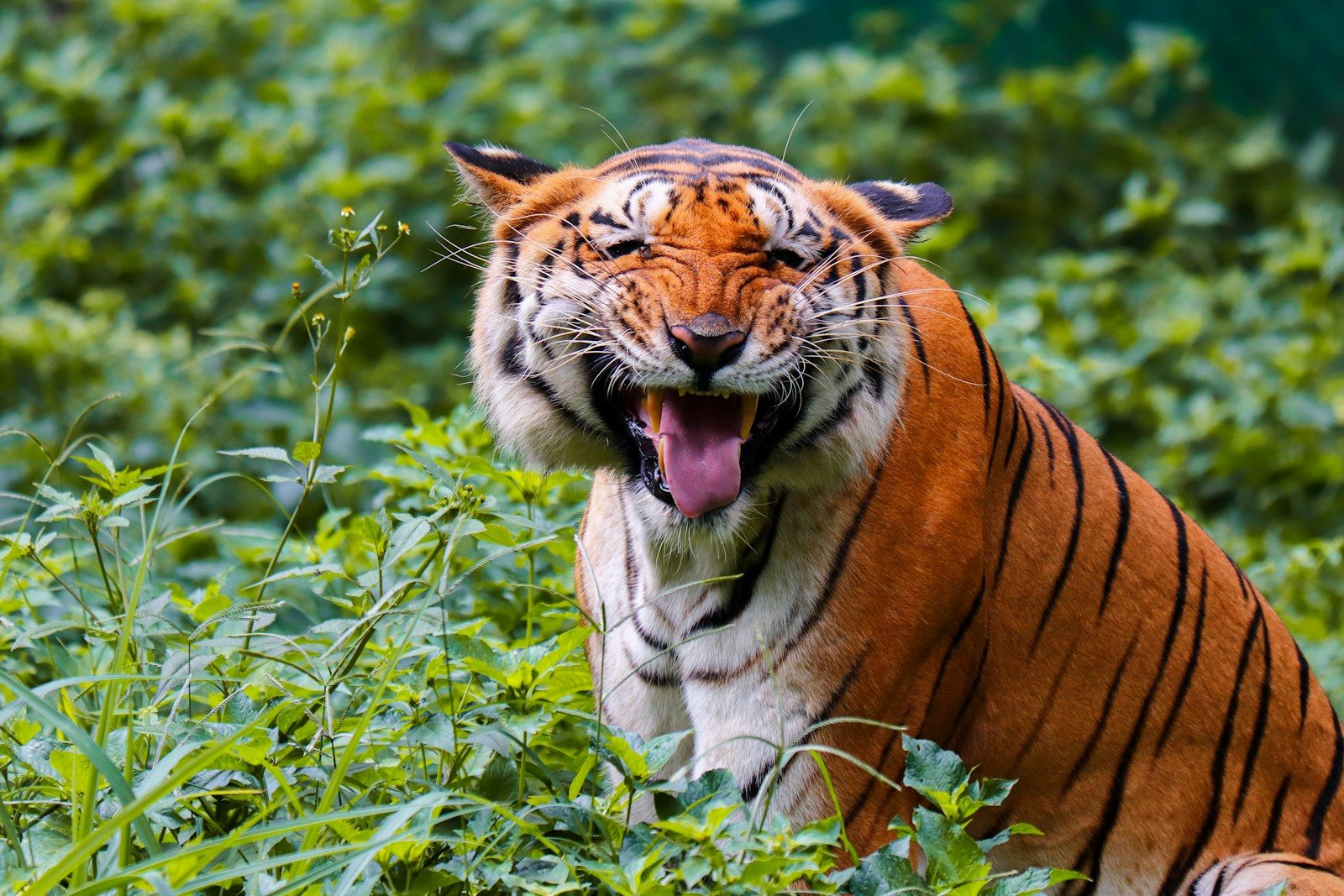
Humans are not the only creatures capable of laughter-like behavior. Scientists have discovered that several animals make playful sounds, show joy during social interactions, and even react to tickling in ways that closely resemble human laughter.
Here are some fascinating animals researchers believe can truly laugh.
Chimpanzees
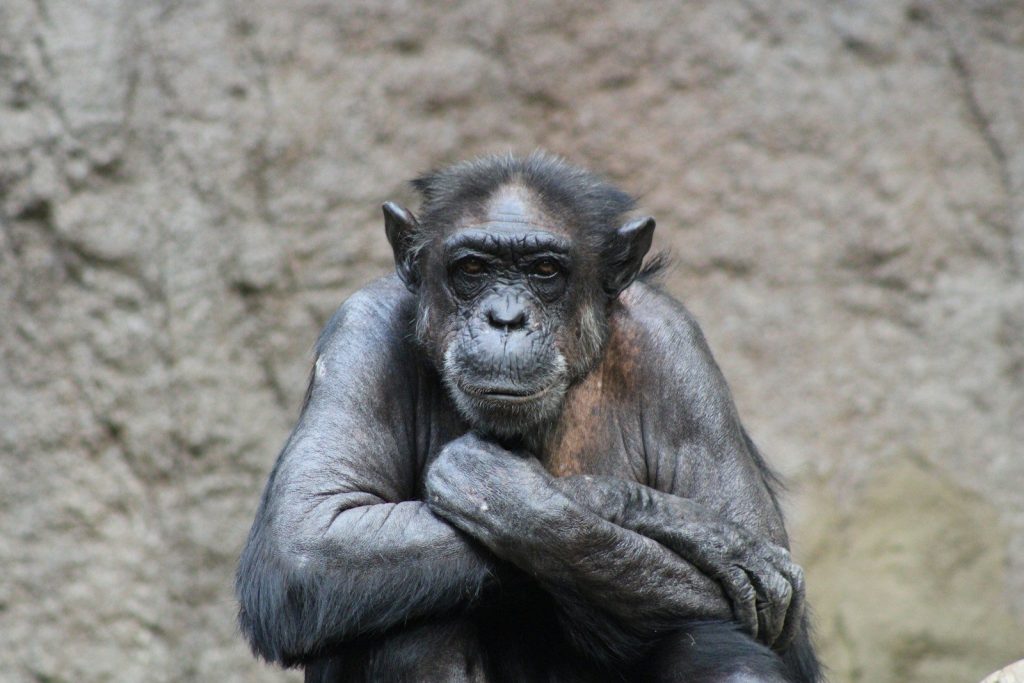
Chimpanzees produce breathy panting sounds during play, wrestling, and tickling sessions. Researchers say these vocalizations closely resemble the evolutionary roots of human laughter and help strengthen social bonds within groups.
Rats
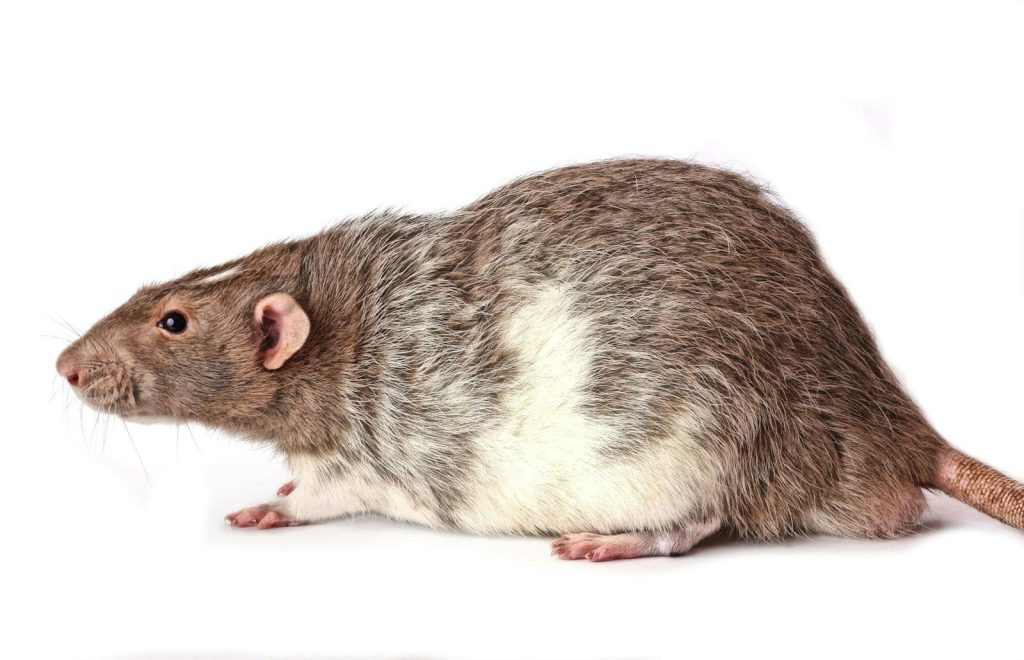
One of the most surprising discoveries came from laboratory rats. Scientists found that rats emit high-frequency chirping sounds when tickled, and they even appear to seek out playful interactions afterward.
Dolphins
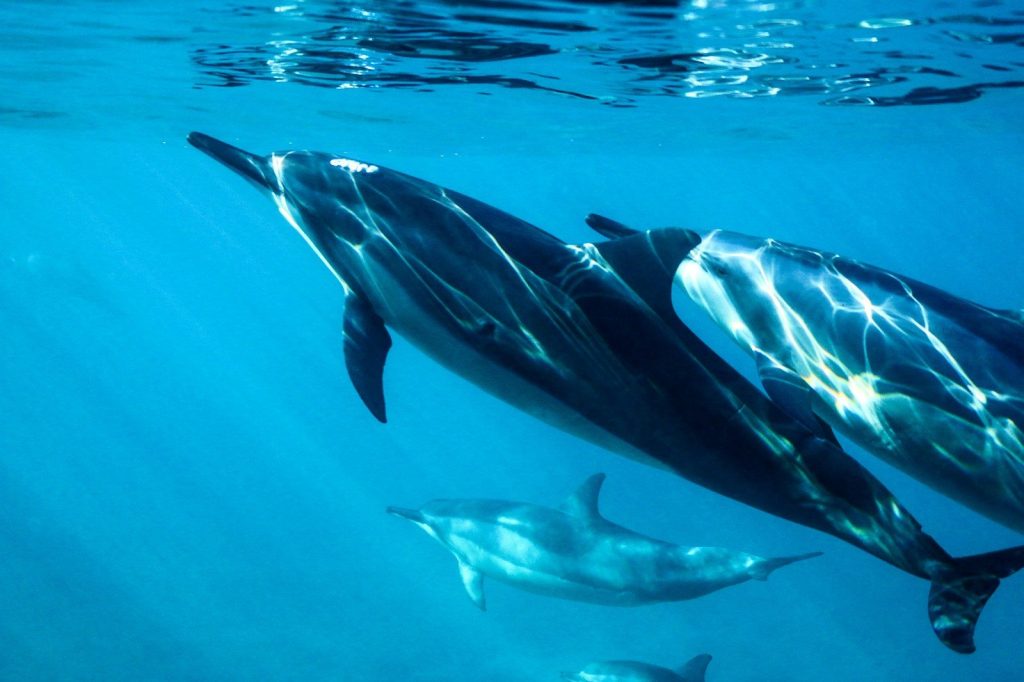
Dolphins communicate with whistles and clicking sounds, but they also display playful behaviors that scientists associate with joy and amusement. During games and social interactions, dolphins can produce burst-like sounds similar to laughter responses.
Dogs

Dogs often make playful panting noises while playing with humans or other dogs. Researchers believe these vocalizations help signal friendliness and excitement, functioning similarly to laughter in social situations.
Gorillas
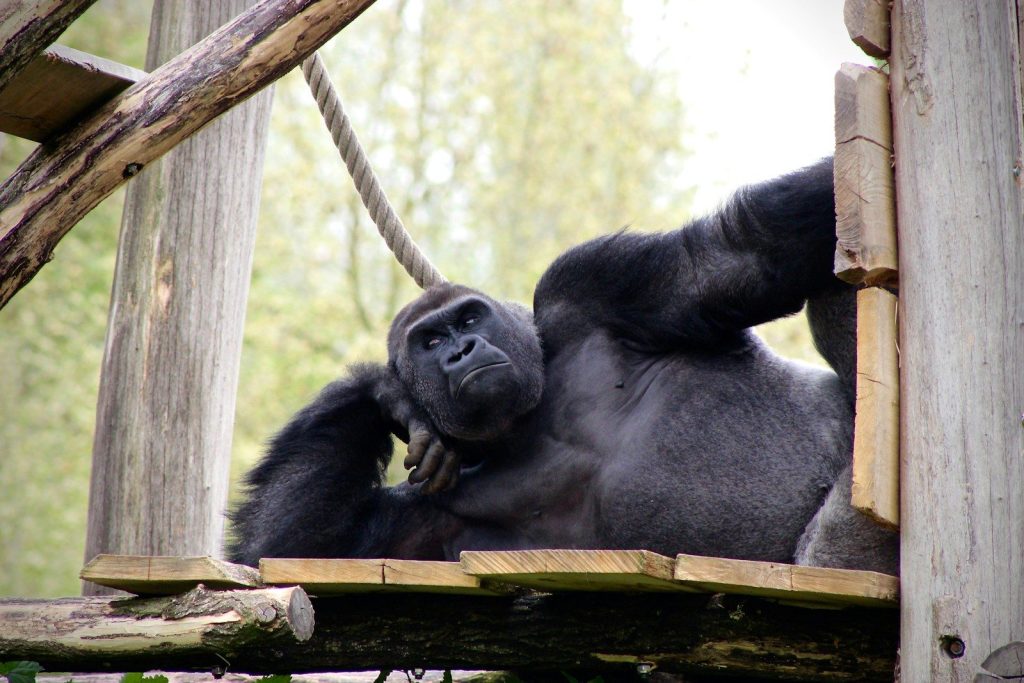
Like chimpanzees, gorillas produce laughter-like vocal sounds during roughhousing and play. Young gorillas especially show these behaviors while interacting with siblings and caretakers.
Foxes
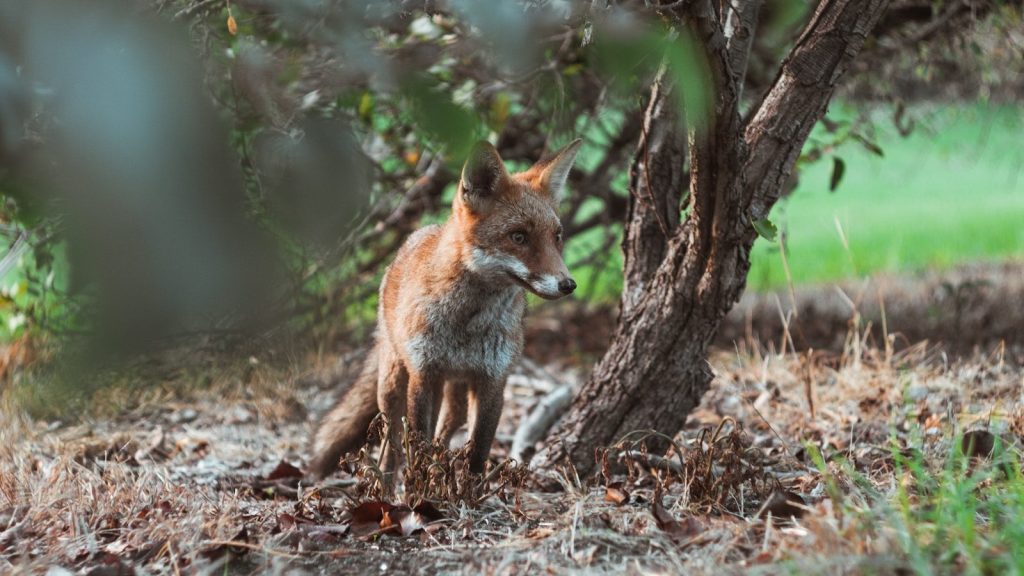
Domesticated foxes studied in animal behavior experiments have shown playful vocalizations and excited social sounds during positive interactions with humans. Some researchers compare these sounds to canine laughter.
Parrots

Parrots are incredibly intelligent and social birds capable of mimicking emotional sounds. Some parrots appear to imitate human laughter so naturally that they begin using it during playful or attention-seeking moments themselves.
Scientists continue studying animal emotions and communication, but evidence increasingly suggests that laughter may not belong exclusively to humans. Across forests, oceans, and even laboratories, animals are showing signs that joy and playfulness may be far more universal than we once believed.