Wildlife conservationists in Essex are celebrating a remarkable rise in bird populations after years of habitat restoration work transformed parts of the county’s wetlands. The latest breeding bird survey from Essex Wildlife Trust revealed record numbers of several species, suggesting the restoration efforts are beginning to pay off in a big way.
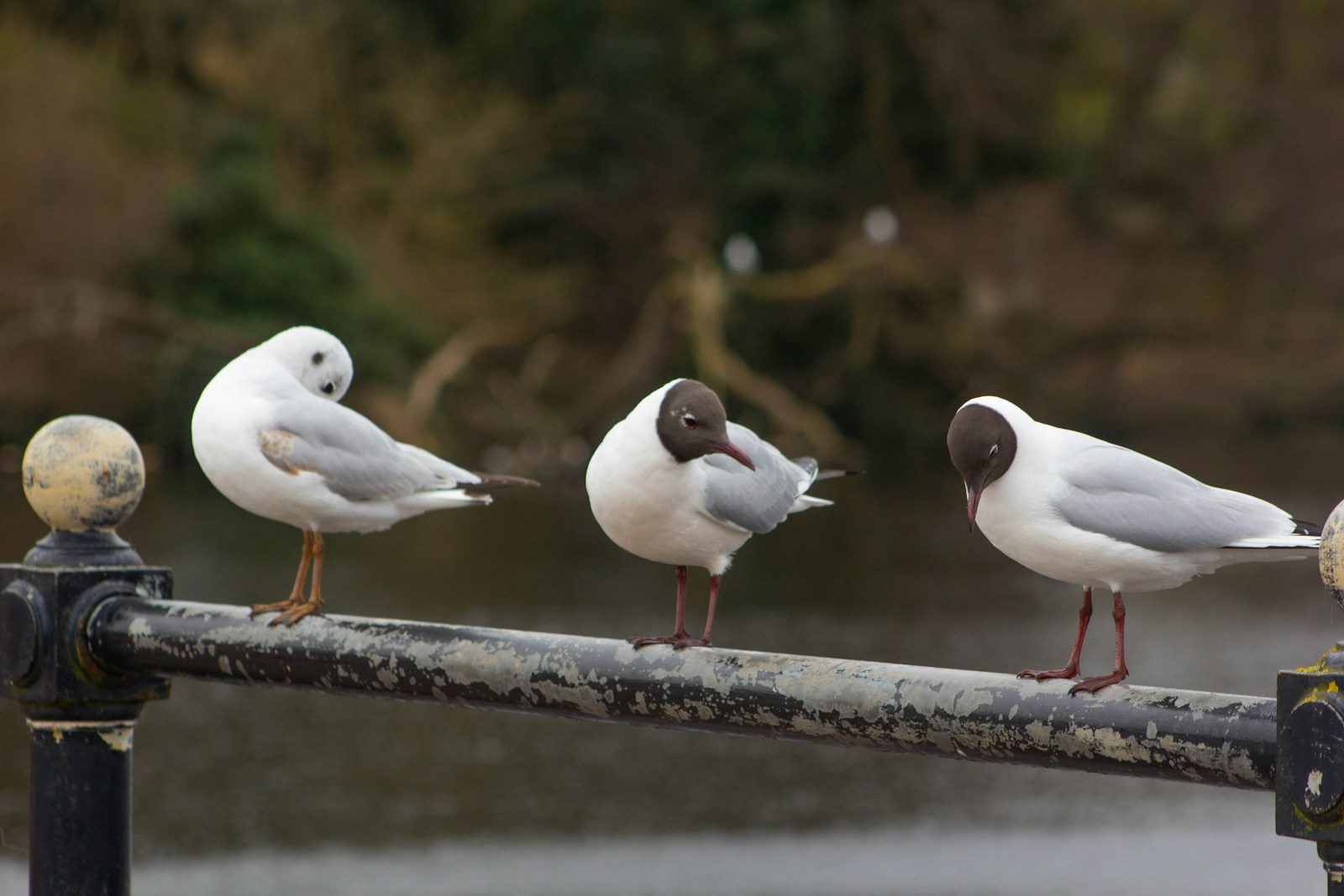
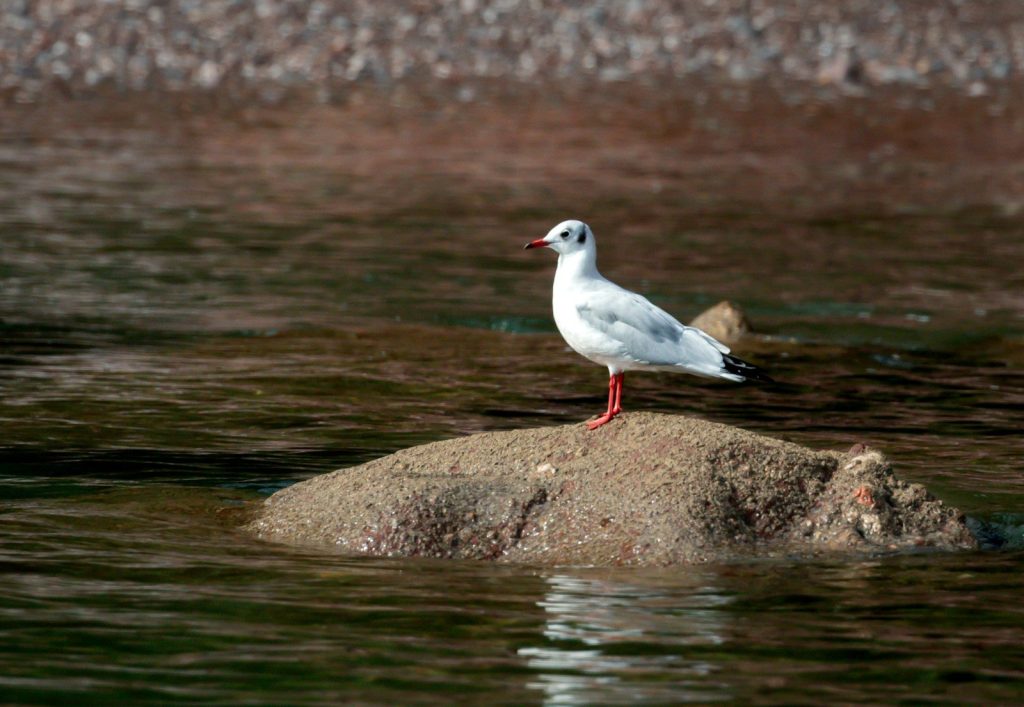
The biggest success story came from Blue House Farm nature reserve in North Fambridge, where black-headed gull numbers reached their highest recorded level in years. Experts say the recovery highlights how restoring wetlands and improving habitats can quickly benefit struggling bird populations.
Record Numbers of Black-Headed Gulls Were Spotted
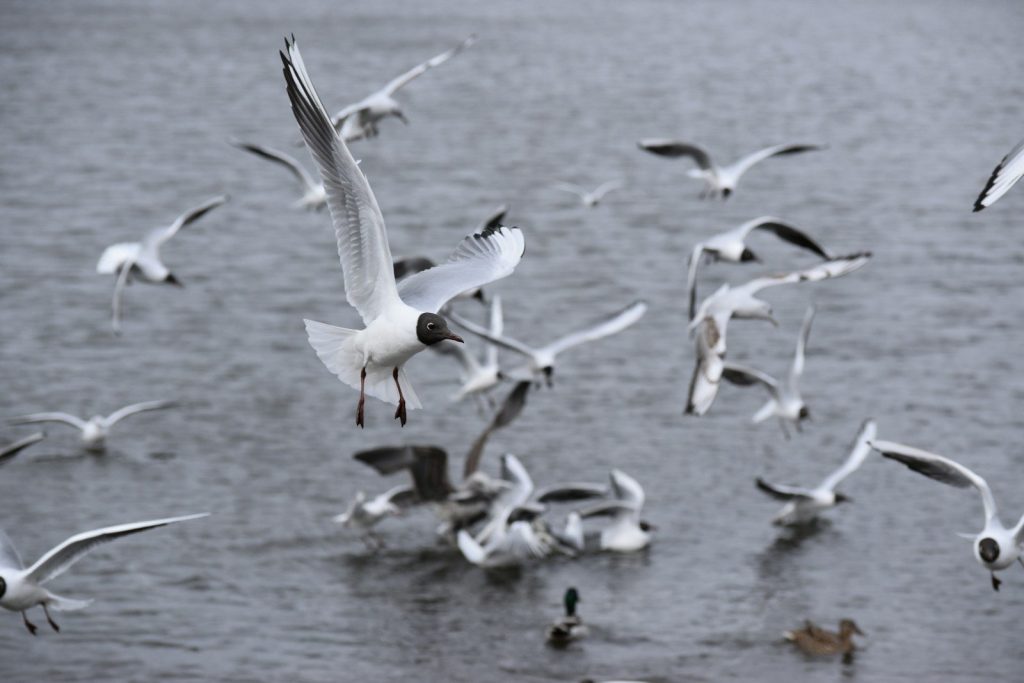
The 2025 survey recorded an impressive 879 black-headed gulls across Essex, with 586 of those birds found at Blue House Farm alone. Just two years earlier, only 411 black-headed gulls had been recorded countywide.
Conservationists say the dramatic increase is closely linked to recent wetland restoration projects at the reserve. Improved breeding conditions, better water management, and healthier feeding grounds appear to have created an ideal environment for the gulls to thrive.
Wetland Restoration Is Transforming Blue House Farm
Blue House Farm has undergone extensive habitat improvements in recent years as part of a major wetland restoration initiative. These projects were designed to create healthier ecosystems for birds, insects, amphibians, and other wildlife.
Wetlands are among the most important habitats for breeding birds because they provide food, shelter, and nesting sites. The recent surge in bird numbers suggests the newly restored landscape is functioning exactly as conservationists hoped.
Several Bird Species Are Showing Encouraging Recovery
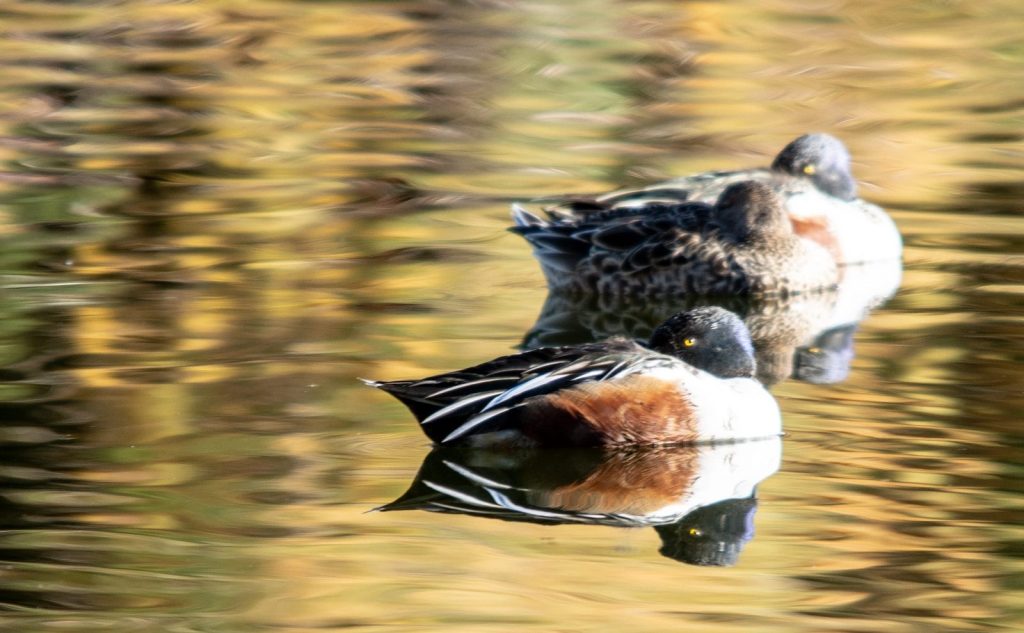
In addition to black-headed gulls, researchers also recorded increases in Mediterranean gulls and shovelers at Essex reserves. These gains are being viewed as positive indicators of improving biodiversity across the region.
Wildlife experts say successful restoration projects often create ripple effects throughout the ecosystem. As habitats recover, a wider range of species can return and establish healthier breeding populations over time.
Some Birds Are Still Struggling Despite Improvements
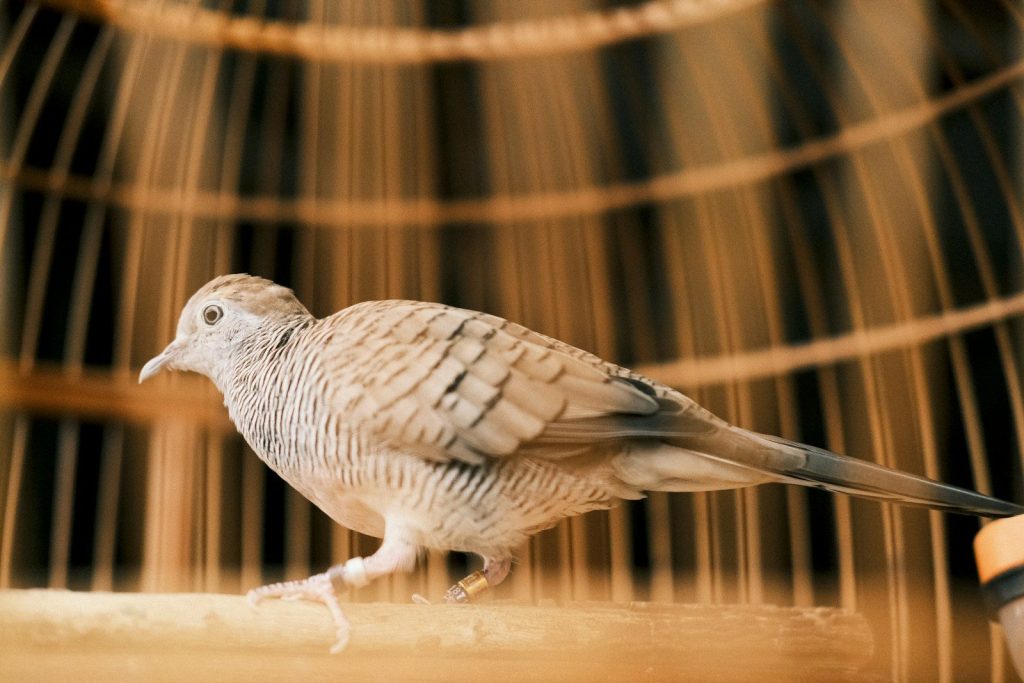
Not all species are benefiting equally from habitat restoration. The survey found continued declines in mistle thrushes, turtle doves, and yellowhammers compared to earlier years of monitoring.
Conservationists warn that many bird populations still face pressure from habitat loss, changing farming practices, climate change, and food shortages. While restoration projects help, some species may require additional targeted conservation efforts to recover fully.
Rare and Unusual Birds Were Recorded for the First Time
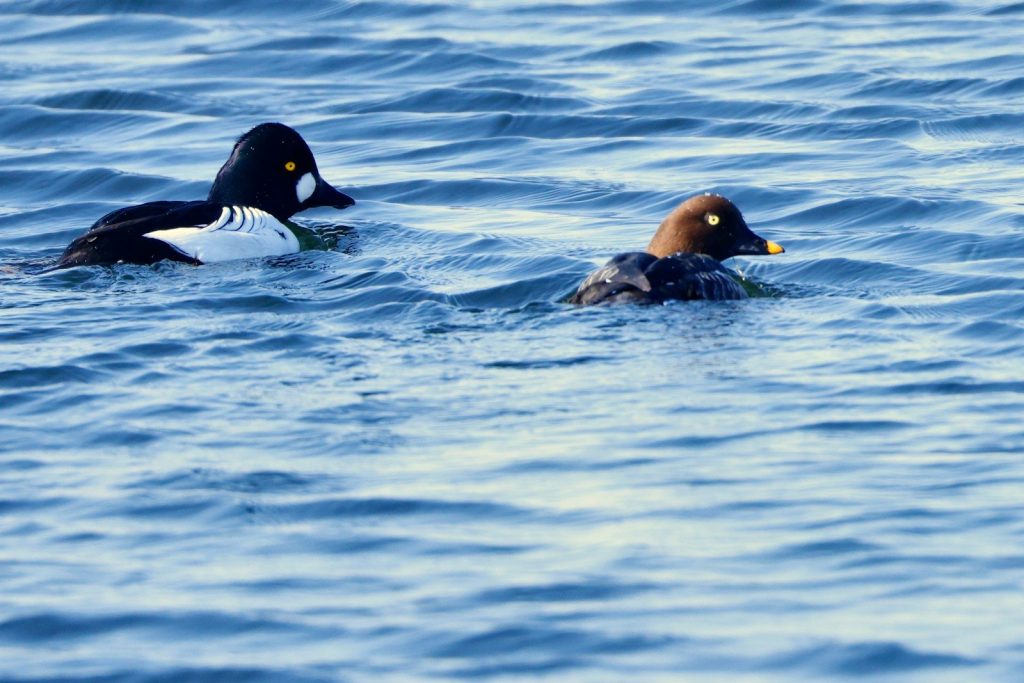
The 2025 survey also documented several species appearing at certain reserves for the first time. Goldeneye ducks were spotted at Thameside Nature Discovery Park, while grey wagtails appeared at Aubrey Buxton nature reserve near Stansted Mountfitchet.
Other exciting sightings included ruddy shelducks at Blue House Farm and short-eared owls at Lower Raypits nature reserve near Rochford. These rare appearances suggest restored habitats are attracting a broader variety of wildlife across Essex.
Conservationists Say Monitoring Is Essential for Recovery
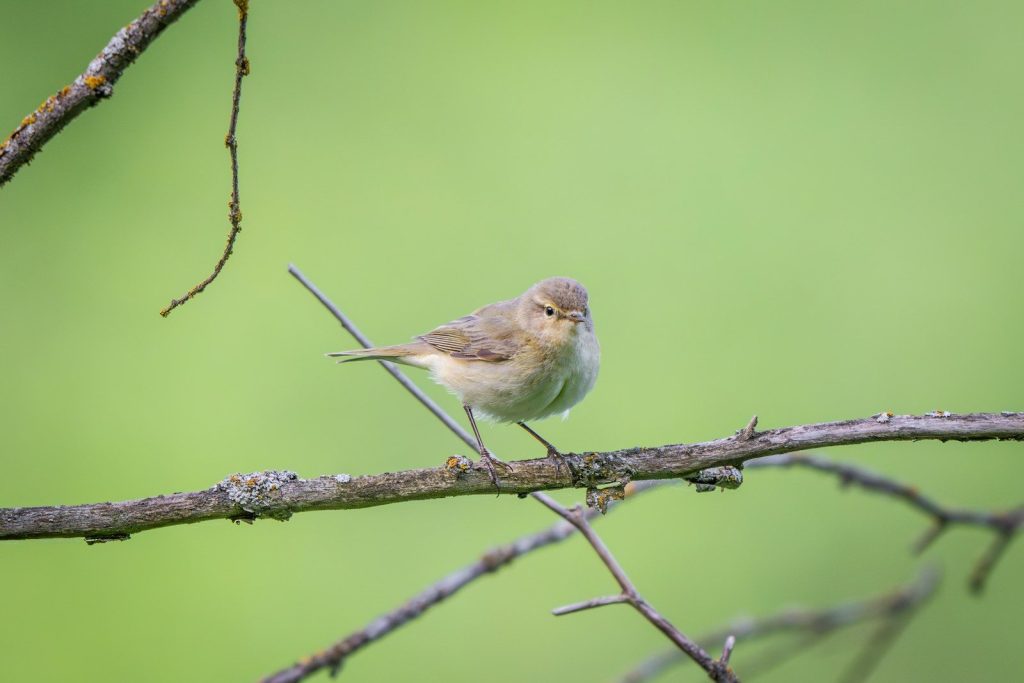
Essex Wildlife Trust says annual breeding bird surveys play a critical role in understanding which species are thriving and which still need urgent support. Monitoring allows conservationists to track long-term trends and adapt management strategies when necessary.
Since the programme began four years ago, researchers have recorded 123 bird species across Essex reserves. Although experts say more years of data are needed to establish full population trends, the latest results offer strong evidence that habitat restoration is making a meaningful difference.
Essex’s Most Common Birds Continue to Shift
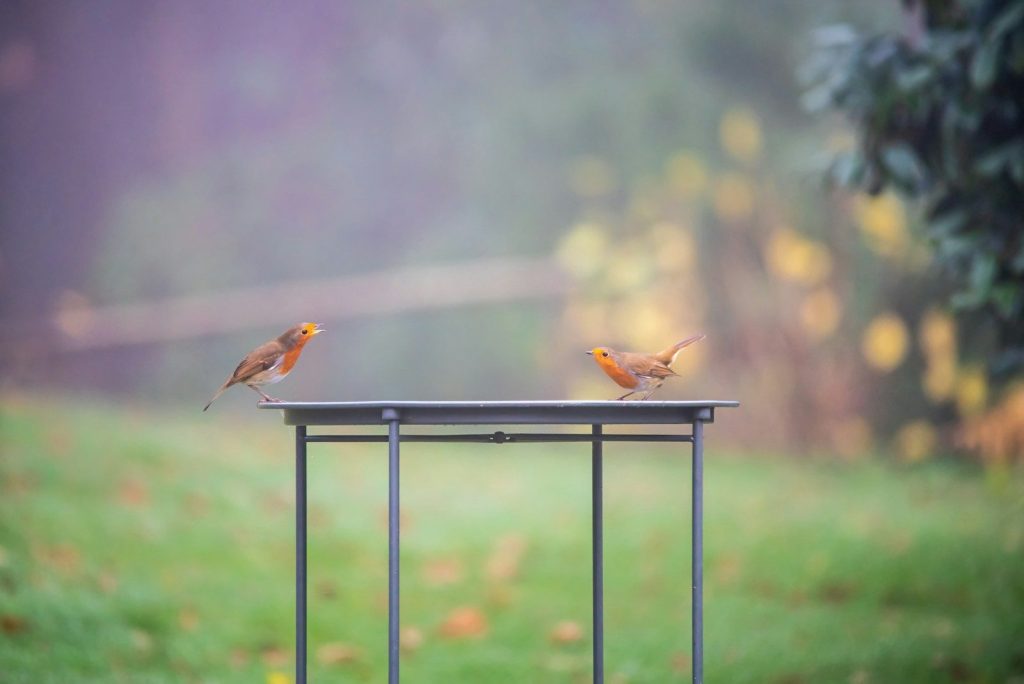
The survey also revealed changes in the county’s most commonly recorded breeding birds. Black-headed gulls rose to the top spot in 2025, overtaking species like blue tits and woodpigeons that traditionally dominate the rankings.
Other frequently recorded birds included wrens, robins, starlings, chiffchaffs, blackcaps, mallards, and blackbirds. Conservationists say these shifts may reflect changing environmental conditions and the growing impact of habitat management across the county.