Across parts of Europe, herds of bison roam forests and wetlands with minimal human interference, helping restore damaged ecosystems in the process. Now, conservationists in Britain want to expand similar projects by reintroducing large herbivores like European bison and elk to wider areas of the countryside.
But there’s one major obstacle standing in the way: British law still classifies these animals as “dangerous wild animals,” placing them in the same legal category as tigers, cobras, and lions. Conservation groups argue that outdated regulations are making it unnecessarily difficult to use these species for ecological restoration, despite growing evidence that they can improve habitats naturally.
Why Conservationists Want Bison and Elk Back
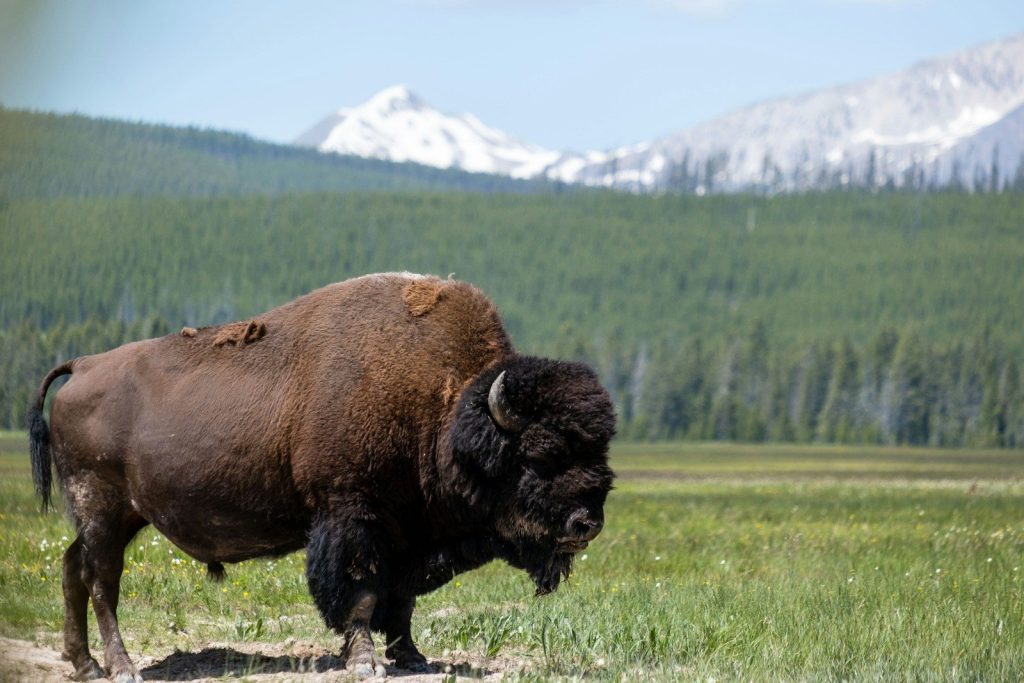
Environmental groups say large herbivores once played a major role in shaping Britain’s ecosystems. Animals like bison and elk helped create open spaces in forests, disturbed soil, spread seeds, and maintained wetland habitats through their feeding and movement patterns.
Conservationists believe their return could help restore natural processes that disappeared thousands of years ago. Rather than relying entirely on human land management, these animals could reshape landscapes on their own while boosting biodiversity in forests, flood plains, and wetlands.
Bison Are Already Roaming in Kent
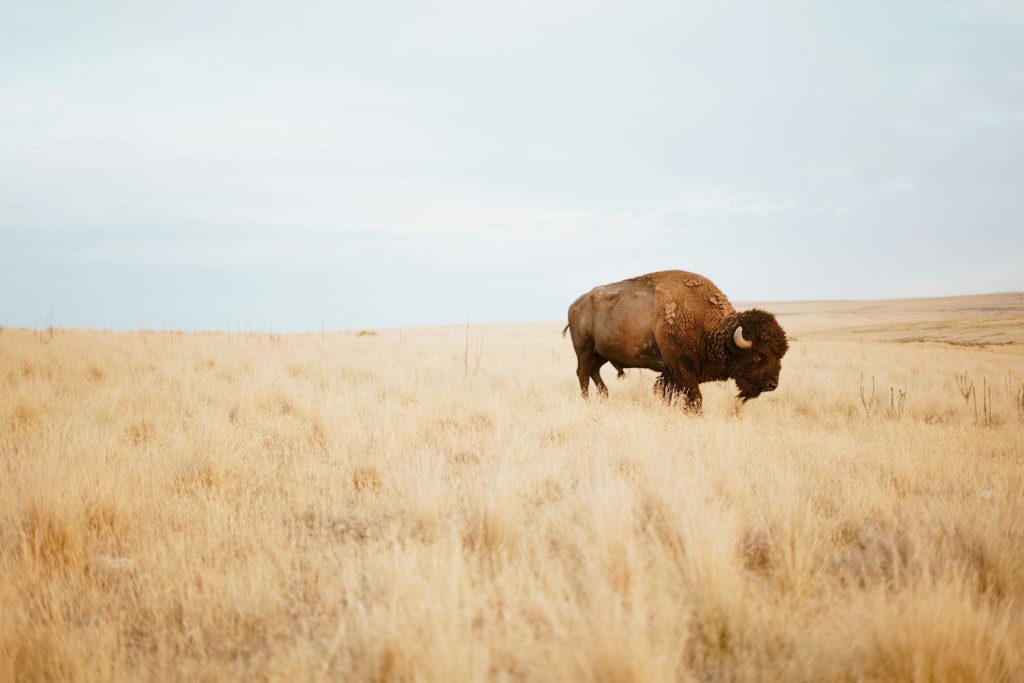
European bison are already living in a fenced woodland project at West Blean and Thornden Woods in Kent. The animals have been introduced as part of a rewilding initiative designed to restore woodland habitats naturally.
According to wildlife rangers, the bison are already changing the forest environment by knocking down vegetation, opening patches of light, and creating conditions for other plants and insects to thrive. Their activity has increased habitat diversity in areas that were previously dense and uniform.
Elk Could Return to Britain After Thousands of Years
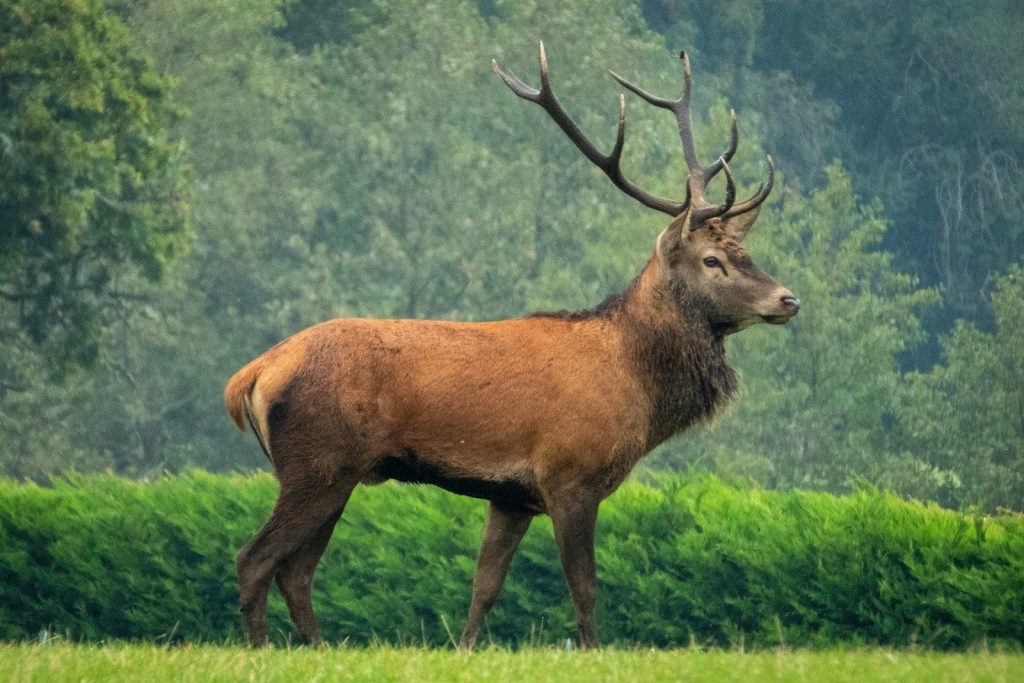
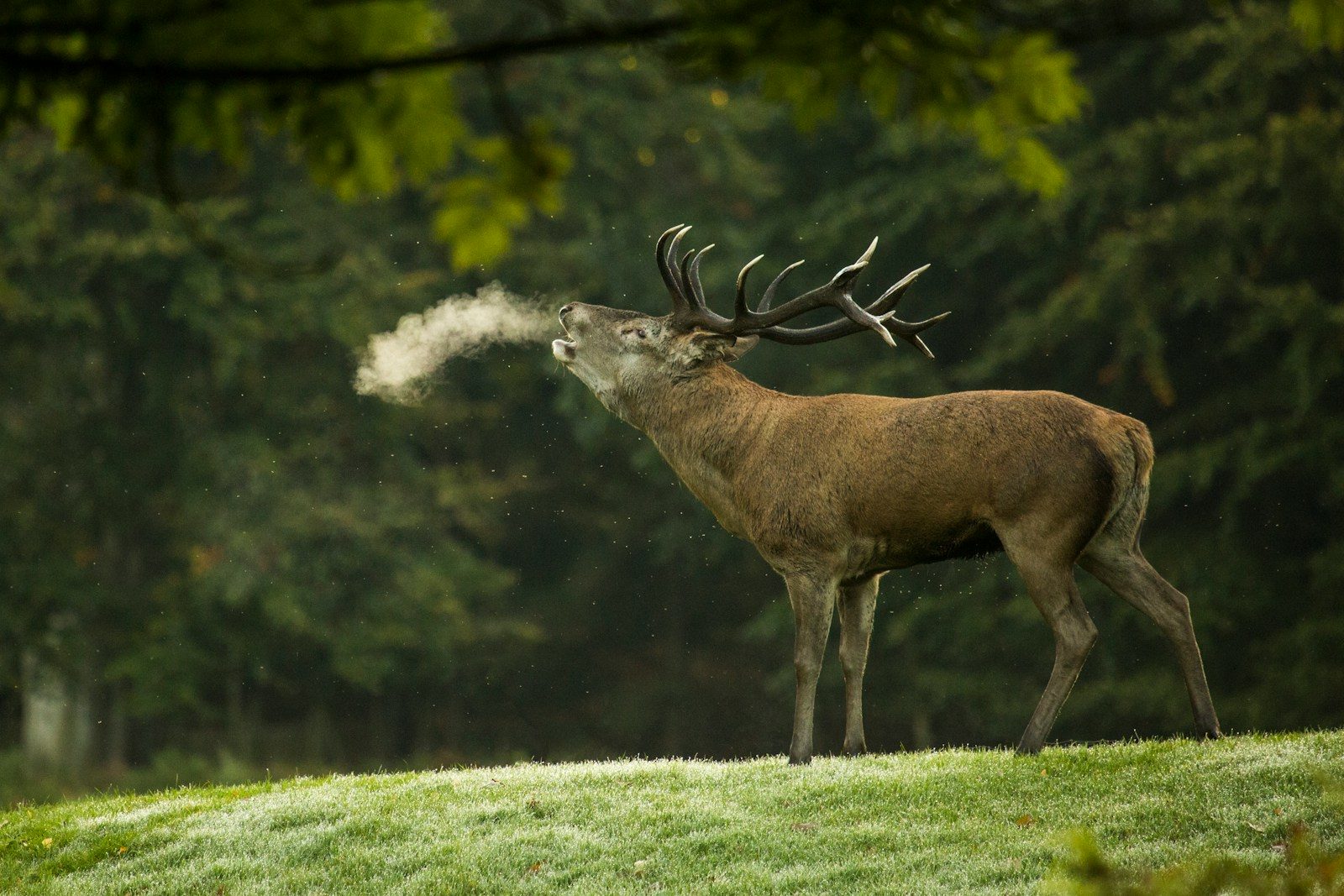
Conservationists are also planning to reintroduce elk, a massive deer species hunted to extinction in Britain roughly 2,500 to 3,000 years ago. Wildlife organizations believe elk could play an important ecological role in wetlands and flood plains.
Plans are currently being discussed to introduce elk into protected wetland habitats in Nottinghamshire alongside beavers. Experts say the combination of beavers engineering waterways and elk shaping vegetation could dramatically improve biodiversity and water management across large landscapes.
The Law Treats Bison Like Dangerous Predators
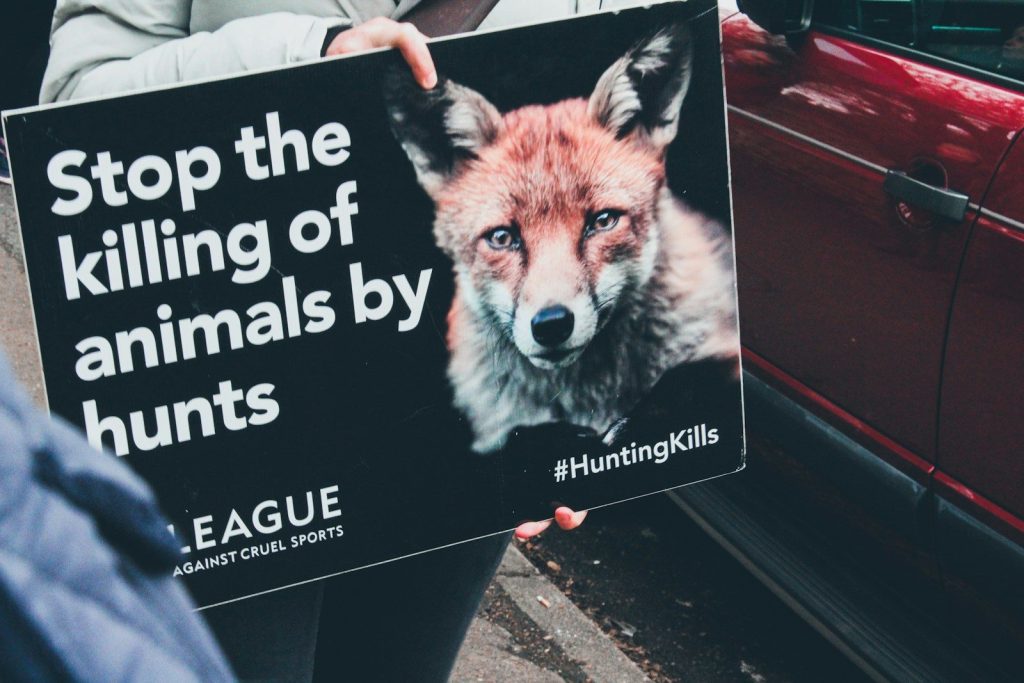
Despite their ecological benefits, bison and elk face strict legal restrictions in Britain. Current laws classify them as dangerous wild animals, meaning projects must follow regulations similar to those used for keeping exotic predators.
That includes high-security fencing, controlled enclosures, and extensive licensing requirements. Some wildlife experts argue these rules are excessive for herbivores that behave more like large cattle than dangerous carnivores, especially since several European countries no longer require such intensive containment for bison.
Conservationists Want a New “Wild-Kept” Category
The Wildlife Trusts are now calling for a new legal classification called “wild-kept” animals. Under the proposal, large herbivores would still be monitored for welfare and environmental safety, but they could live in more natural conditions with fewer restrictions.
Conservation groups say the current system limits the ability to expand rewilding projects across larger areas. They argue that creating a dedicated legal framework would make it easier to restore ecosystems using natural grazing and habitat management rather than costly human intervention.
Rewilding Could Change Britain’s Landscapes
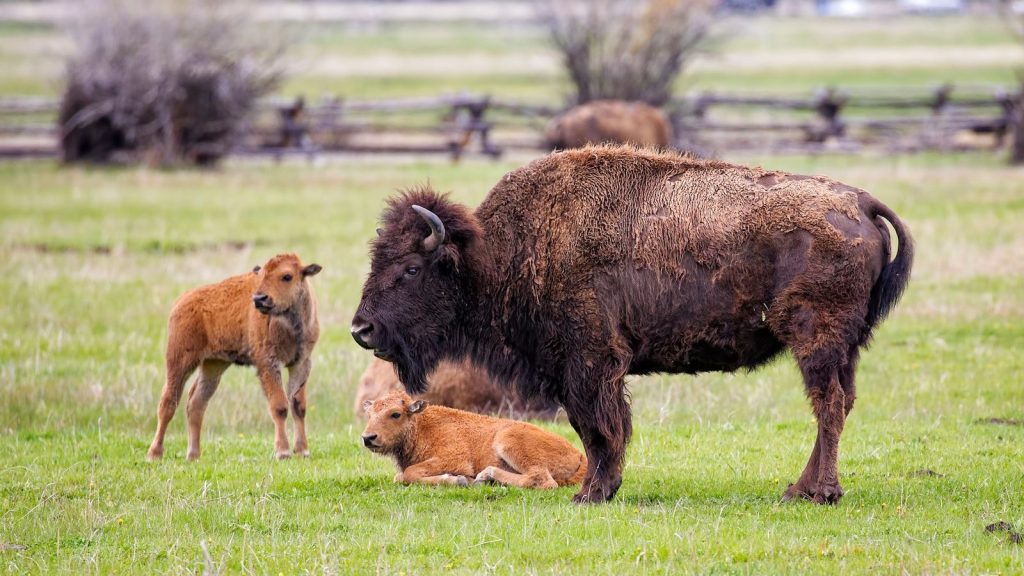
Supporters of rewilding believe large herbivores could help Britain adapt to climate and biodiversity challenges in the future. Bison can create more diverse forests by disturbing dense woodland, while elk may help maintain healthier wetlands and floodplains.
Wildlife groups also argue these species could reduce the need for heavy machinery and intensive land management. Instead of constantly maintaining habitats by hand, conservationists hope nature itself can once again take on part of the job through the return of these long-lost animals.