Salt is essential for life, and wild animals need it just as much as humans do. It helps regulate nerves, muscles, hydration, and overall body function. But unlike people, animals can’t simply grab a salt shaker. Across forests, deserts, mountains, and wetlands, wildlife has developed fascinating ways to find this crucial mineral in the wild.
Natural Salt Licks Are Wildlife Hotspots
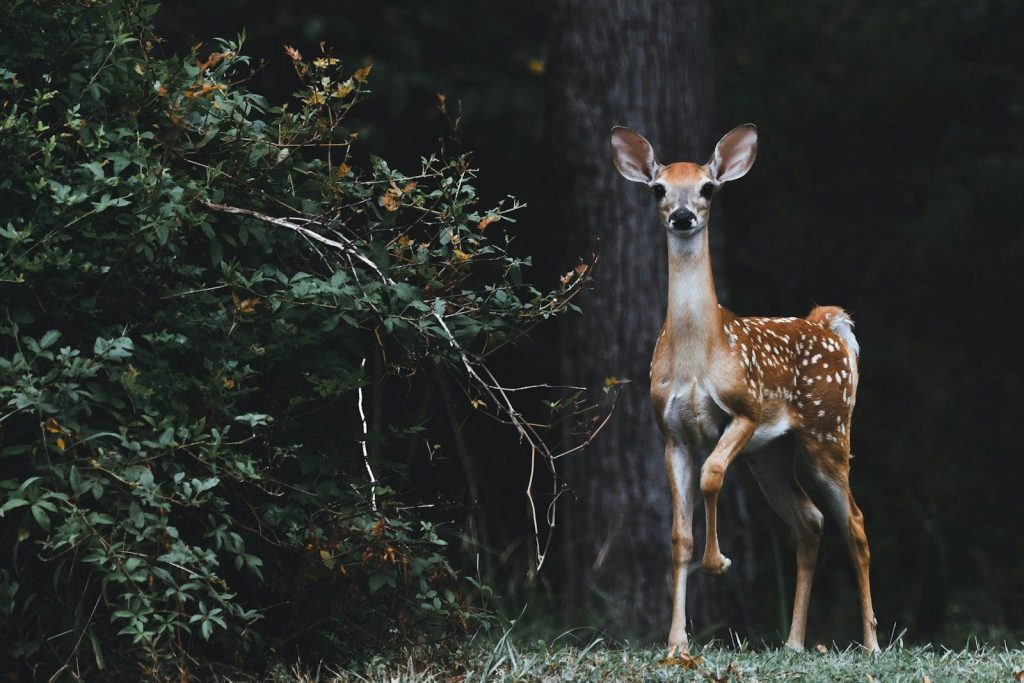
One of the most common sources of salt for wild animals is a natural salt lick. These are areas where mineral-rich rocks or soil contain sodium and other nutrients animals crave.
Deer, elk, moose, elephants, and even butterflies gather at these spots to lick the ground or chew mineral-heavy dirt. In some regions, salt licks become busy gathering places where many species visit regularly.
Animals Also Drink Mineral-Rich Water
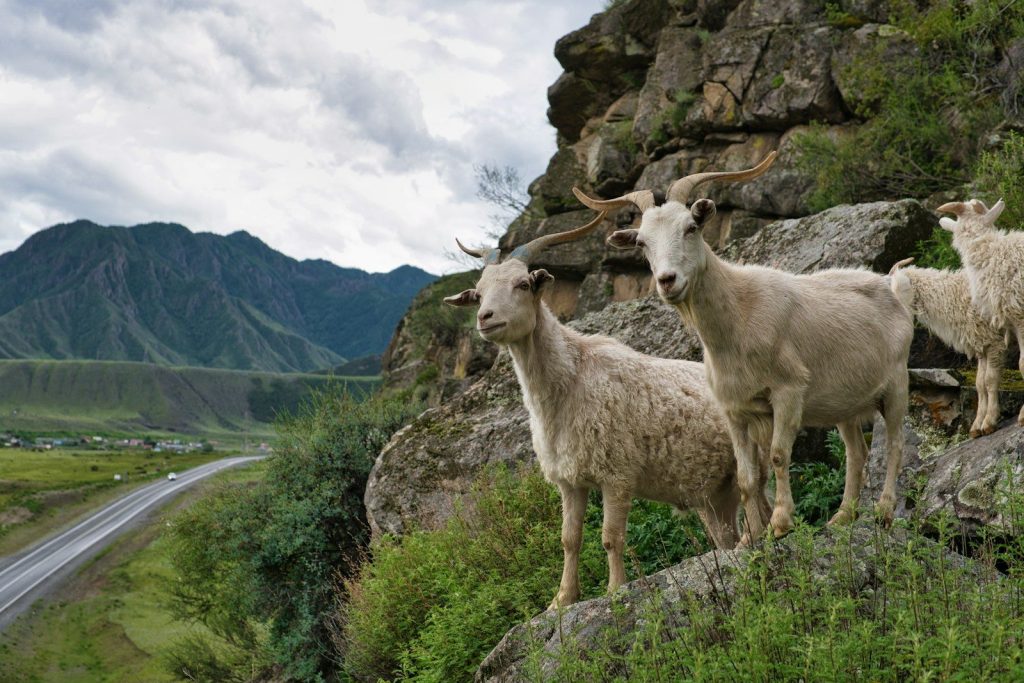
Some wildlife gets salt from springs, marshes, or muddy puddles filled with dissolved minerals. Mountain goats and sheep often travel long distances to reach these mineral-rich water sources.
In tropical rainforests, parrots and monkeys sometimes drink from clay-rich riverbanks that contain sodium and other nutrients missing from their normal diets.
Carnivores Get Salt From Their Prey
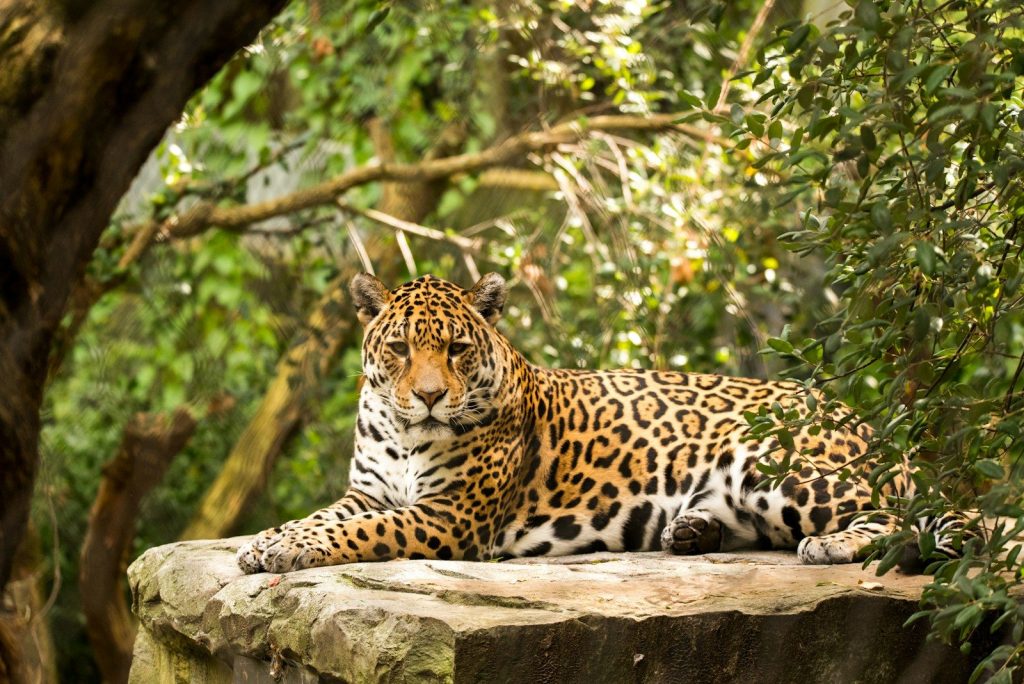
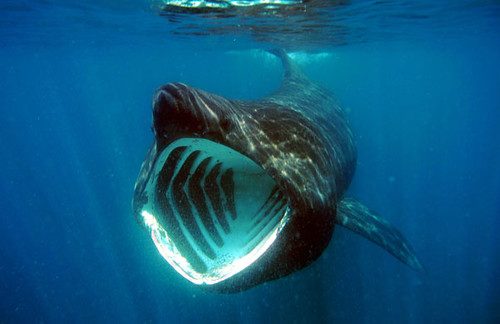
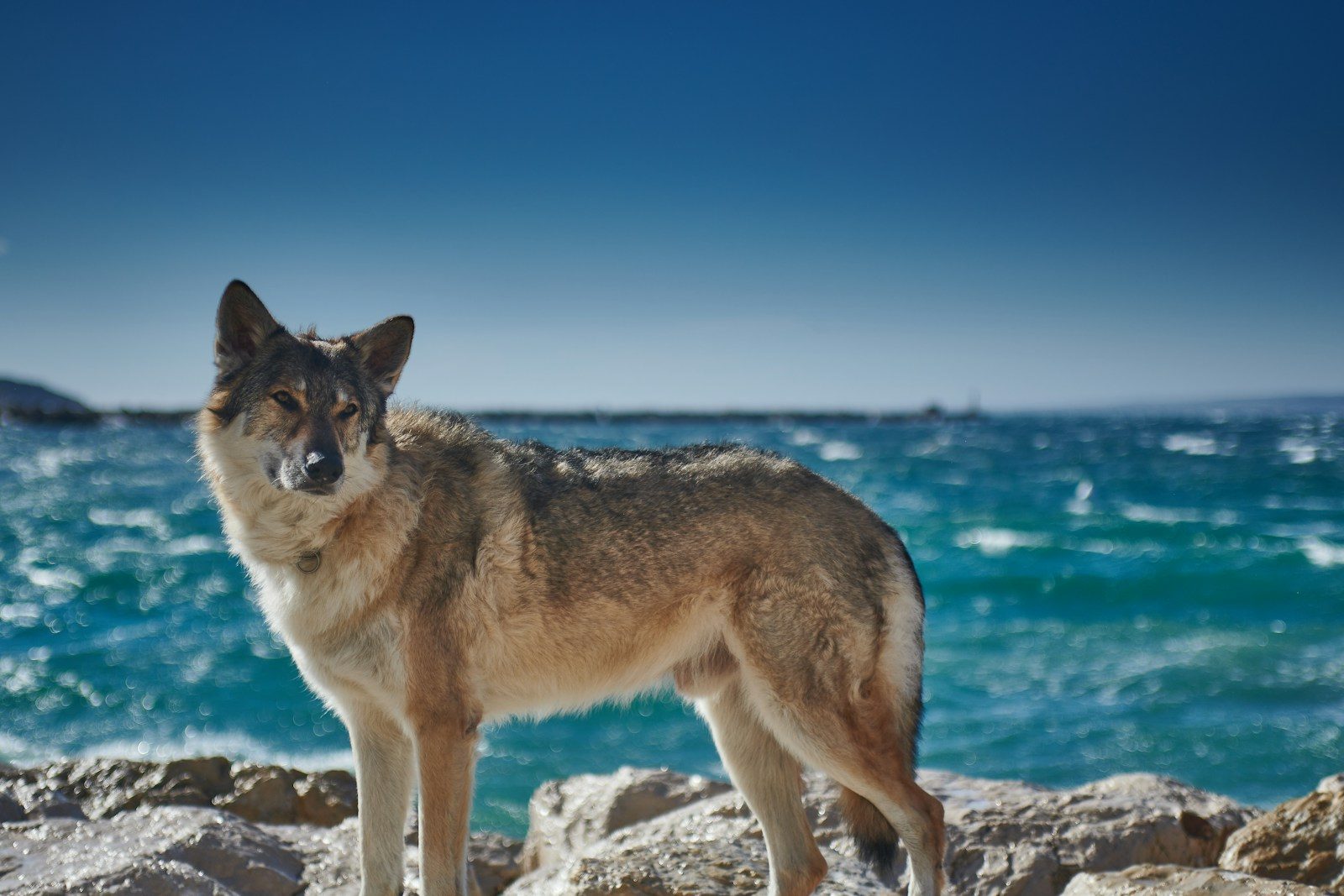
Predators usually don’t need salt licks because they obtain enough sodium from the animals they eat. Wolves, lions, sharks, and other carnivores consume blood, organs, and muscle tissue that naturally contain salt.
This is one reason meat-eating animals rarely search for extra sodium compared to herbivores, whose plant-heavy diets may lack enough minerals.
Elephants Dig for Underground Minerals
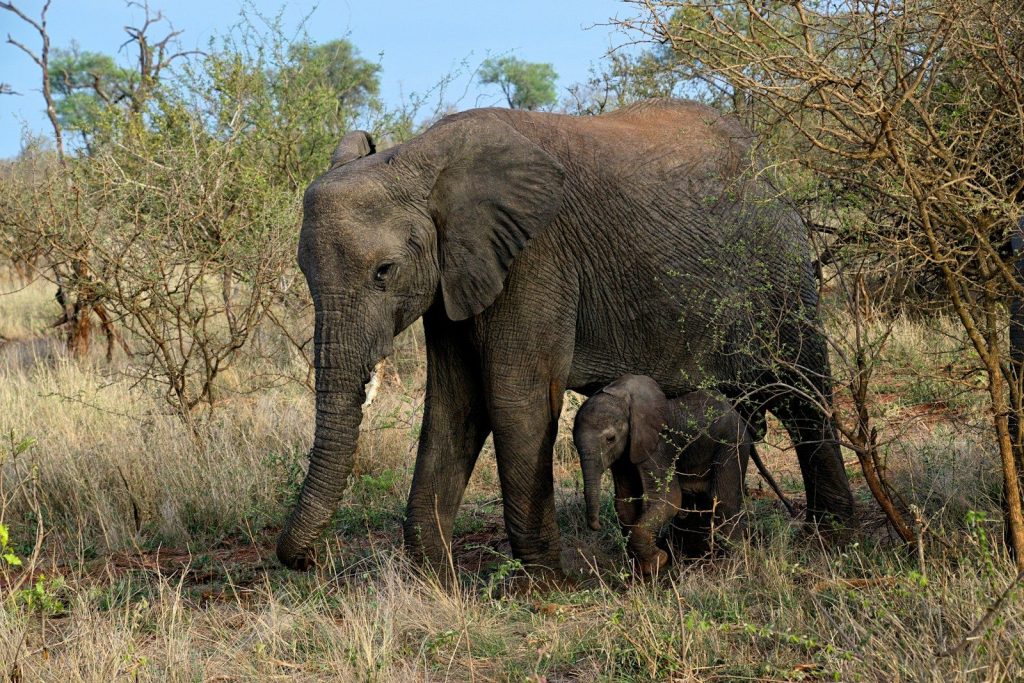
African elephants are famous for digging deep into caves and dry riverbeds searching for salty minerals hidden underground. In some places, they even carve tunnels into rock walls using their tusks.
These mineral hunts can become dangerous, but the nutrients are important enough for elephants to risk cave collapses and steep terrain.
Butterflies and Birds Crave Salt Too
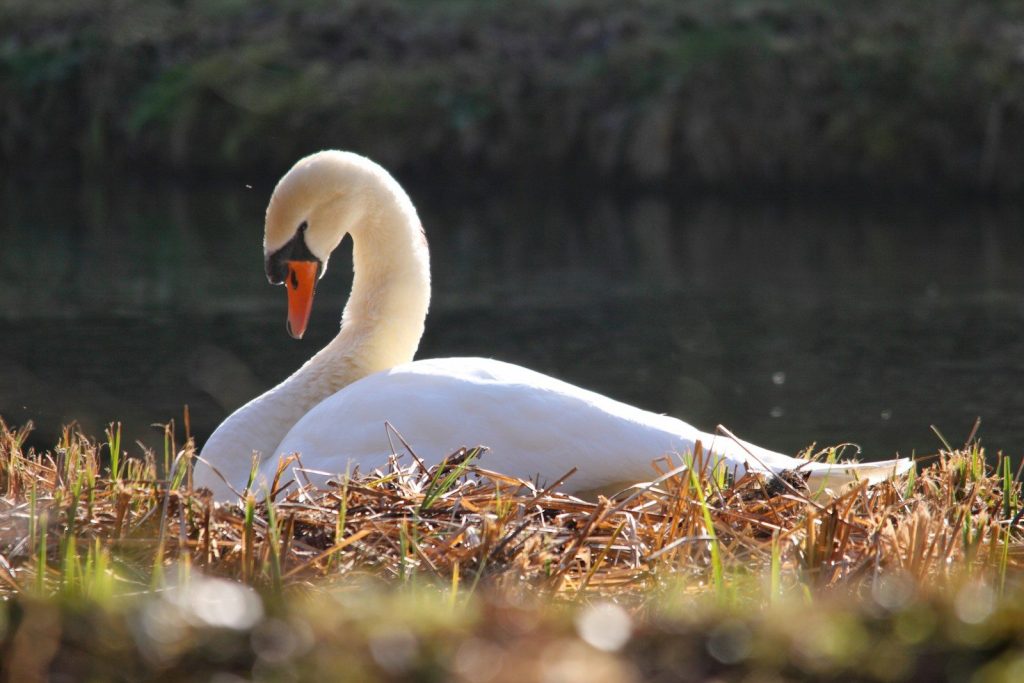
Even tiny creatures need sodium. Butterflies are often seen gathering on mud, animal droppings, or sweaty surfaces to absorb minerals through a behavior called “puddling.”
Some birds also seek salty environments near coastlines, wetlands, or mineral deposits to supplement their diets, especially during breeding seasons.
Why Animals Sometimes Visit Human Areas
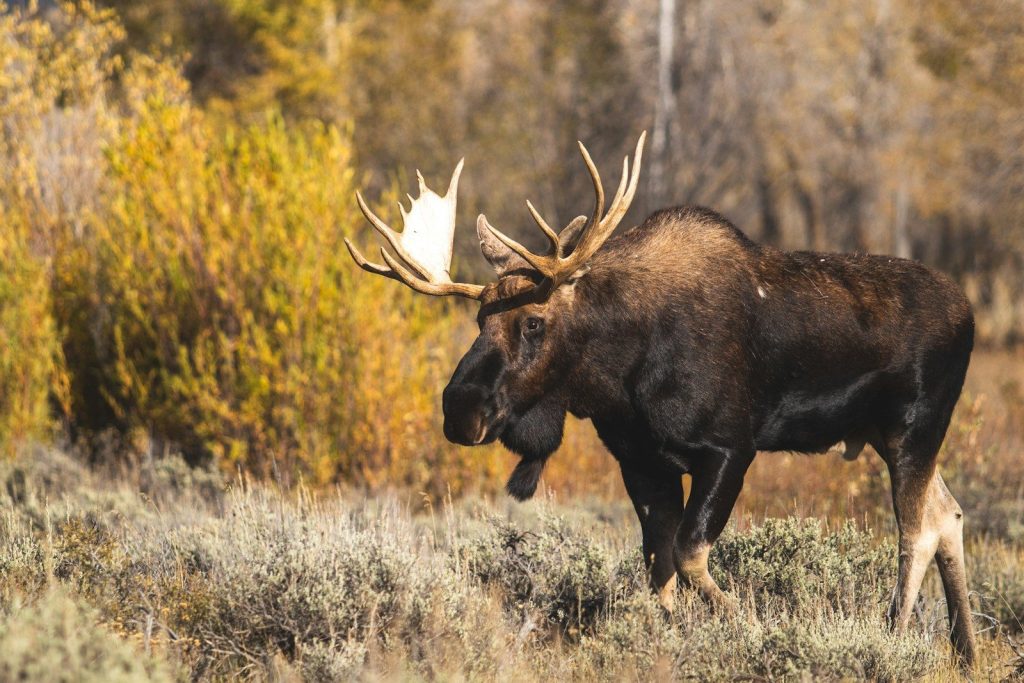
When natural salt sources become scarce, wildlife may wander into roads, campsites, farms, or neighborhoods. Moose and deer are known to lick salty roads created by winter de-icing chemicals.
In some regions, animals chew on wooden structures, tools, or even sweaty clothing because human activity leaves behind traces of salt they can detect.
Salt Is a Hidden Survival Tool
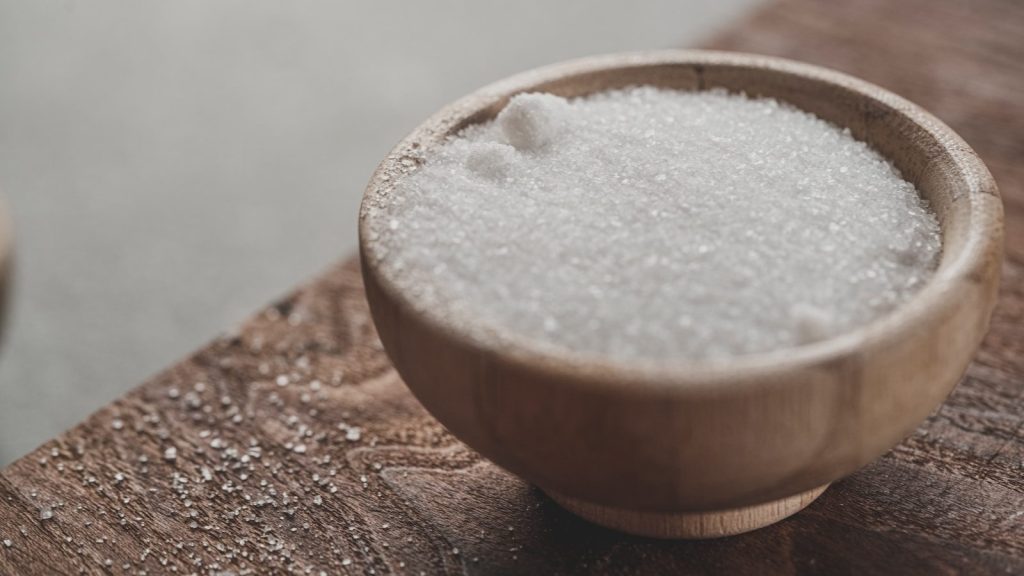
Although predators, migrations, and harsh weather often dominate wildlife stories, something as simple as salt quietly shapes animal behavior across the planet.
From elephants digging underground caves to butterflies sipping muddy puddles, the search for minerals is one of nature’s most overlooked survival instincts.