Beauty is subjective, so there is no scientific way to crown one nocturnal animal the most beautiful. Darkness does, however, reveal species with extraordinary eyes, ears, coats, silhouettes, colors, gliding membranes, and even living lights. Many of those features are not ornamental at all. They help animals find food, avoid danger, communicate, or move through habitats where daylight is limited or absent.
These creatures were chosen for striking appearances and distinctive nighttime adaptations rather than a strict beauty ranking. Some are active almost entirely after dark, while others are most active from dusk into the night. From desert foxes with oversized ears to glowing beetles and enormous green moths, their appeal comes from the close connection between an unusual appearance and the practical demands of living after sunset.
Fennec Fox
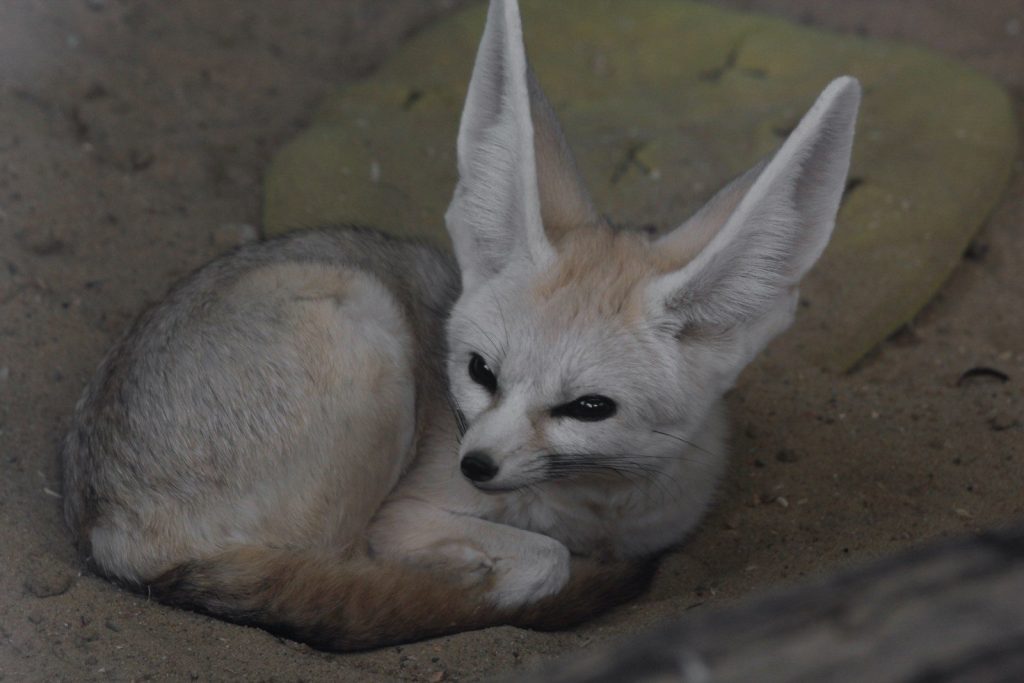
Fennec foxes combine enormous ears, pale fur, and a small body into one of the desert’s most recognizable silhouettes. Smithsonian’s National Zoo describes them as nocturnal, spending hot daylight hours inside burrows and emerging after dark to hunt and forage. Their ears are useful for detecting prey beneath sand and also help release body heat. Pale fur reflects daytime heat and provides camouflage. What people see as an especially attractive face is therefore built from adaptations that help a small fox survive extreme desert temperatures and scarce resources.
Pygmy Slow Loris
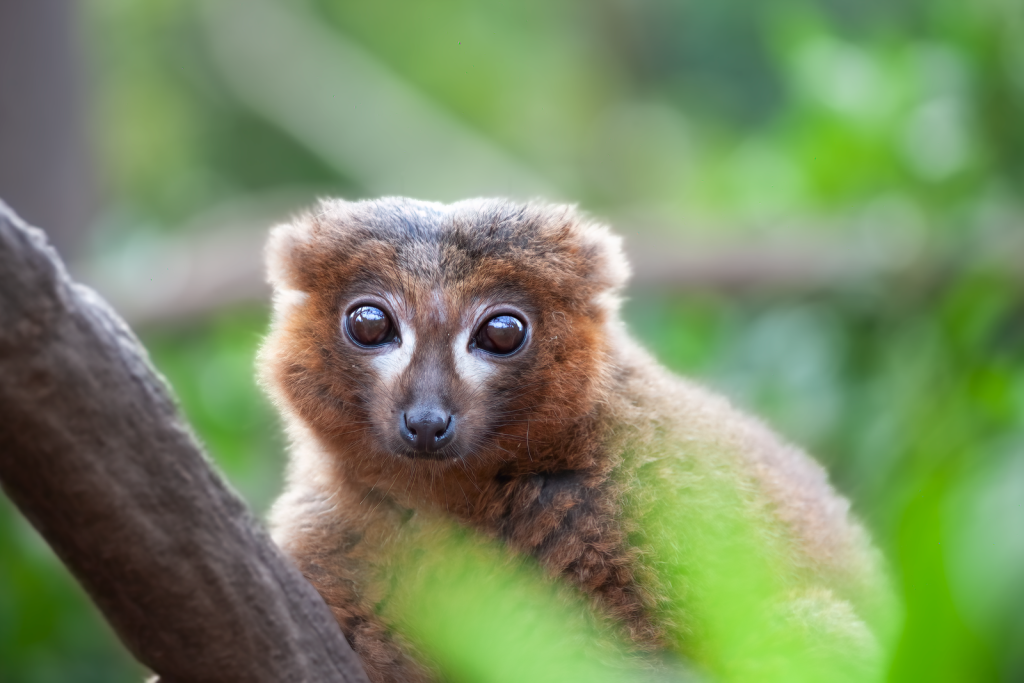
A pygmy slow loris has huge forward-facing eyes, a rounded head, and dense fur that make it look almost toy-like. San Diego Zoo Wildlife Alliance describes slow lorises as arboreal and nocturnal, resting in tree hollows or branches during the day and moving deliberately through the canopy after dark. Large eyes support low-light vision, while strong hands maintain a secure grip. The appealing appearance should not encourage handling, because slow lorises are wild primates and possess a rare venomous defense associated with glands near the arms.
Kinkajou
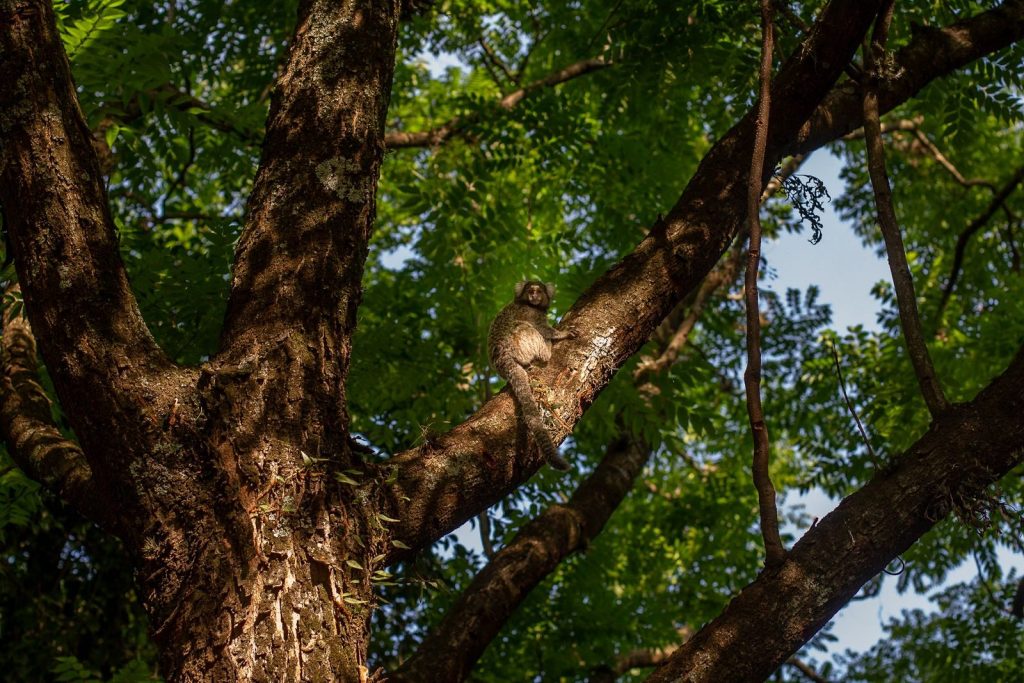
Kinkajous move through Central and South American forest canopies after dark, using a golden-brown coat, large eyes, flexible body, and prehensile tail. San Diego Zoo Wildlife Alliance describes them as nocturnal and arboreal, usually sleeping in tree hollows or protected branch spaces during daylight. The tail acts as a balancing and gripping tool while the animal reaches for fruit or nectar. Their soft appearance hides impressive climbing abilities, including rotating the hind ankles so they can descend tree trunks headfirst while maintaining control high above the forest floor.
Maned Wolf

The maned wolf looks unlike any ordinary wolf, with extremely long black legs, reddish fur, large ears, and a dark mane. Smithsonian’s National Zoo describes the species as crepuscular to nocturnal. Those long legs help it see and move through tall South American grasslands while large ears detect small prey. Despite its name, it is neither a true wolf nor a fox. Much of its diet can consist of plant material, including fruit, making its elegant predator-like appearance a poor guide to its unusually broad feeding habits.
Binturong
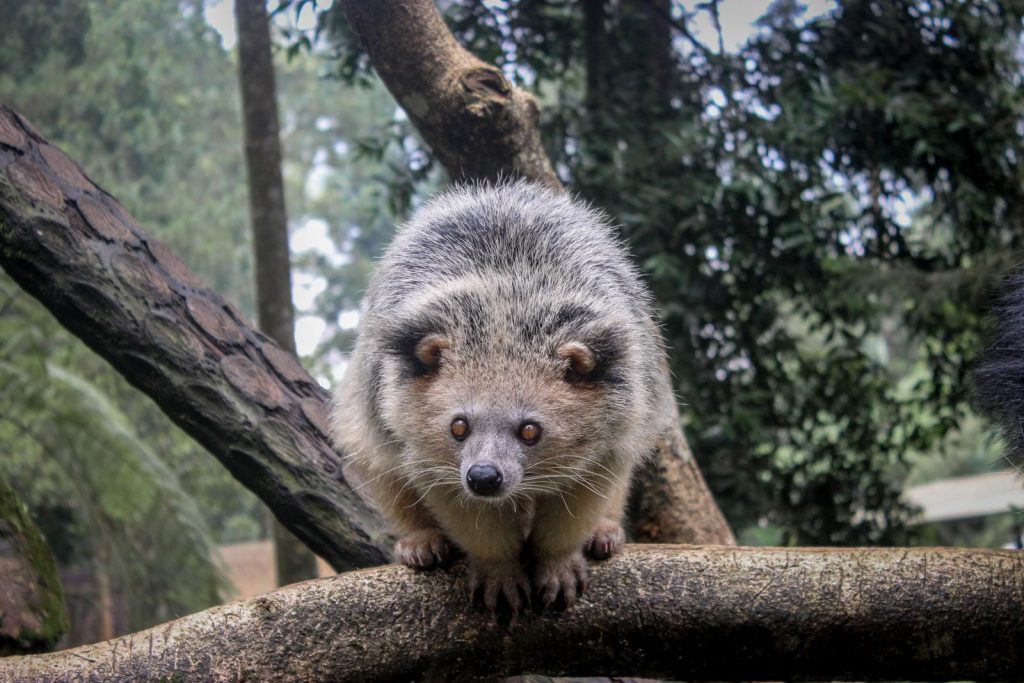
The binturong has shaggy dark fur, small rounded ears, bright eyes, and a long prehensile tail that can wrap around branches. San Diego Zoo Wildlife Alliance says these Southeast Asian mammals are primarily nocturnal and spend much of their time in trees. They move slowly and deliberately while searching for fruit and other foods. The binturong is sometimes called a bearcat, but it is neither a bear nor a cat. Its distinctive appearance belongs to the civet family and reflects a specialized canopy lifestyle.
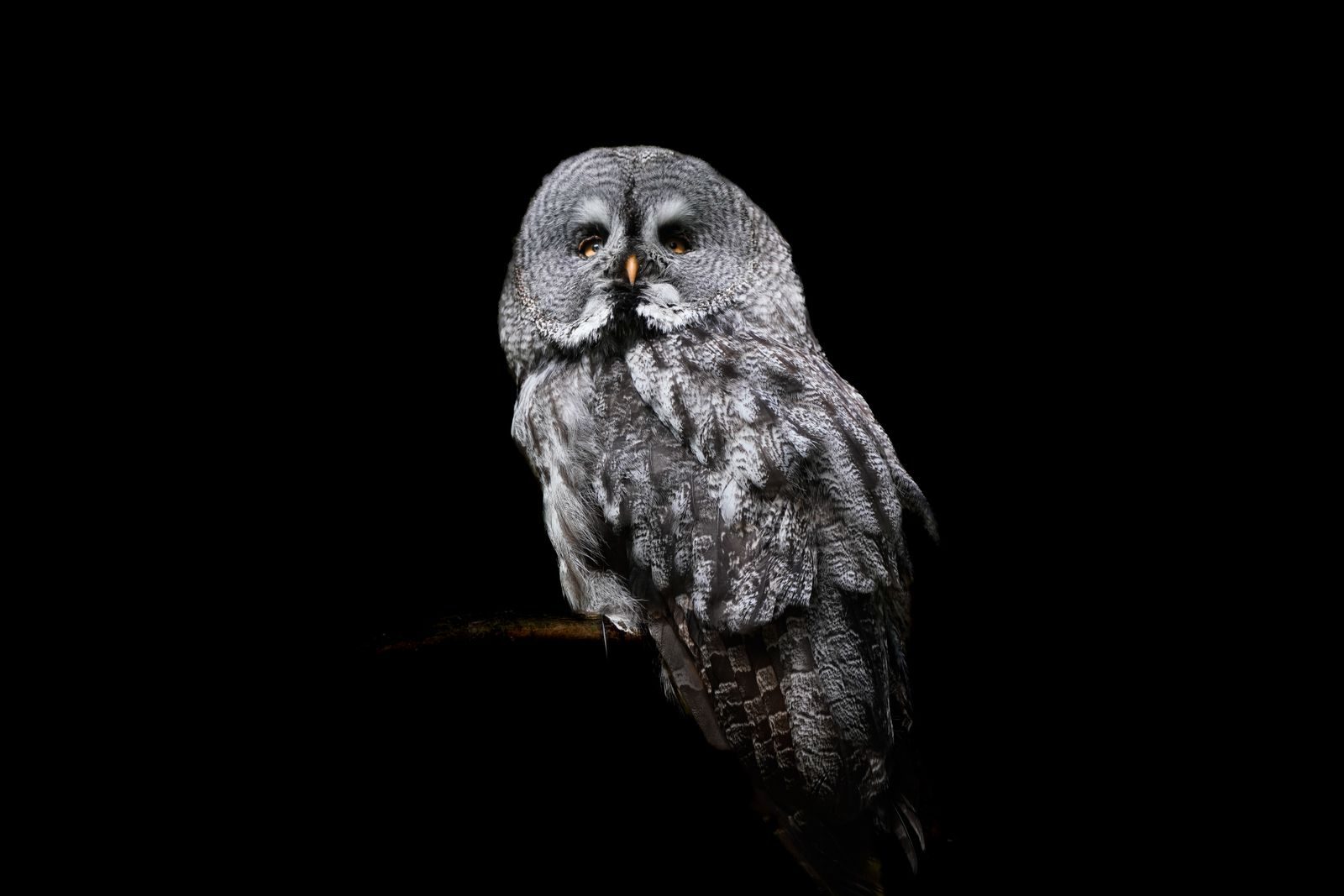
Barred Owl
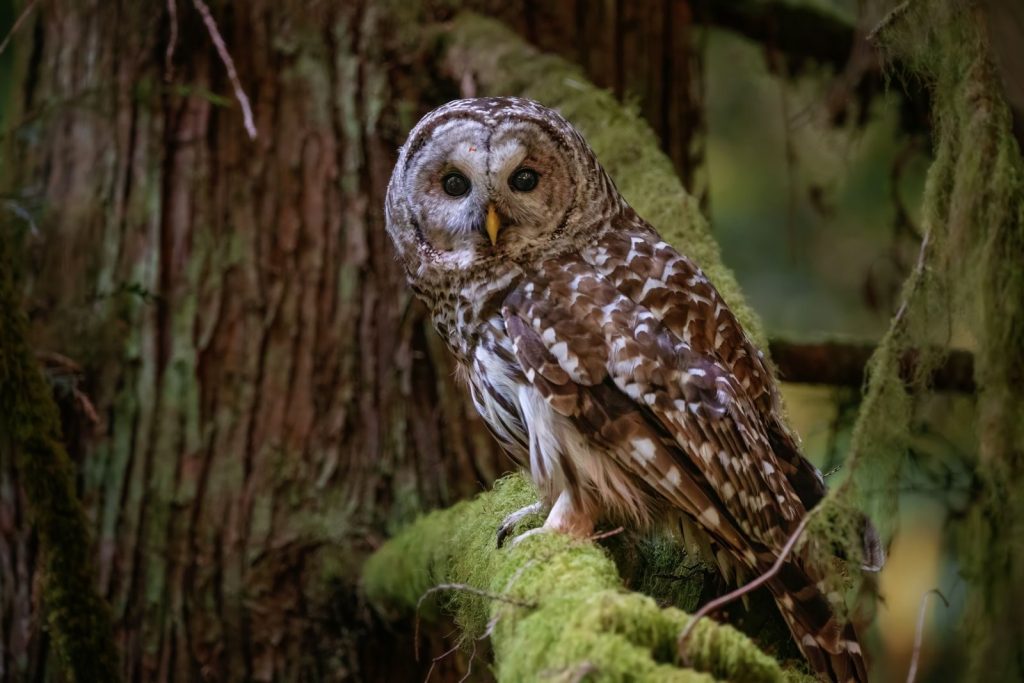
Barred owls bring classic nighttime features together: broad wings, dark eyes, patterned plumage, and a rounded face that helps channel sound. Smithsonian’s National Zoo describes them as primarily nocturnal hunters, although they can sometimes call or hunt during daylight. Their forest coloration blends into tree bark and shadows while soft flight feathers reduce noise during approach. The result is visually striking to people but functionally important to the owl, allowing a large woodland predator to remain difficult for smaller animals to detect until very late.
Luna Moth

The luna moth’s pale green wings, long hindwing tails, and eye-like markings make it one of North America’s most recognizable moths. National Park Service programs regularly feature luna moths during after-dark surveys because moths are generally nocturnal. Adults live only briefly and focus their energy on reproduction after emerging from the cocoon. Their enormous wings and delicate color can seem almost unreal under artificial light, yet they belong to an insect whose adult stage is only one short part of a much longer life cycle.
Fireflies

Fireflies transform darkness with bioluminescence rather than reflective color. Smithsonian’s National Museum of Natural History explains that most adult firefly species use nighttime light signals to attract mates, while larvae can glow as well. The flashes are produced through chemical reactions in specialized light organs, allowing communication with very little wasted heat. Different species use characteristic signaling patterns. Their beauty is therefore a communication system, not decorative lighting, and artificial illumination can interfere with the darkness those signals need to remain visible to potential partners.
Featured Image: Photo by Nihongraphy on Pexels