The original title overstates what group hunting looks like. Lions can cooperate impressively, especially against large or dangerous prey, but a hunt is not automatically a “massacre,” and many attempts fail before a kill is made.
Lion hunting is shaped by prey size, cover, group size, individual roles, and opportunity. Research shows that cooperation becomes especially useful when prey is difficult for one lion to handle safely.
Lion Hunting Parties
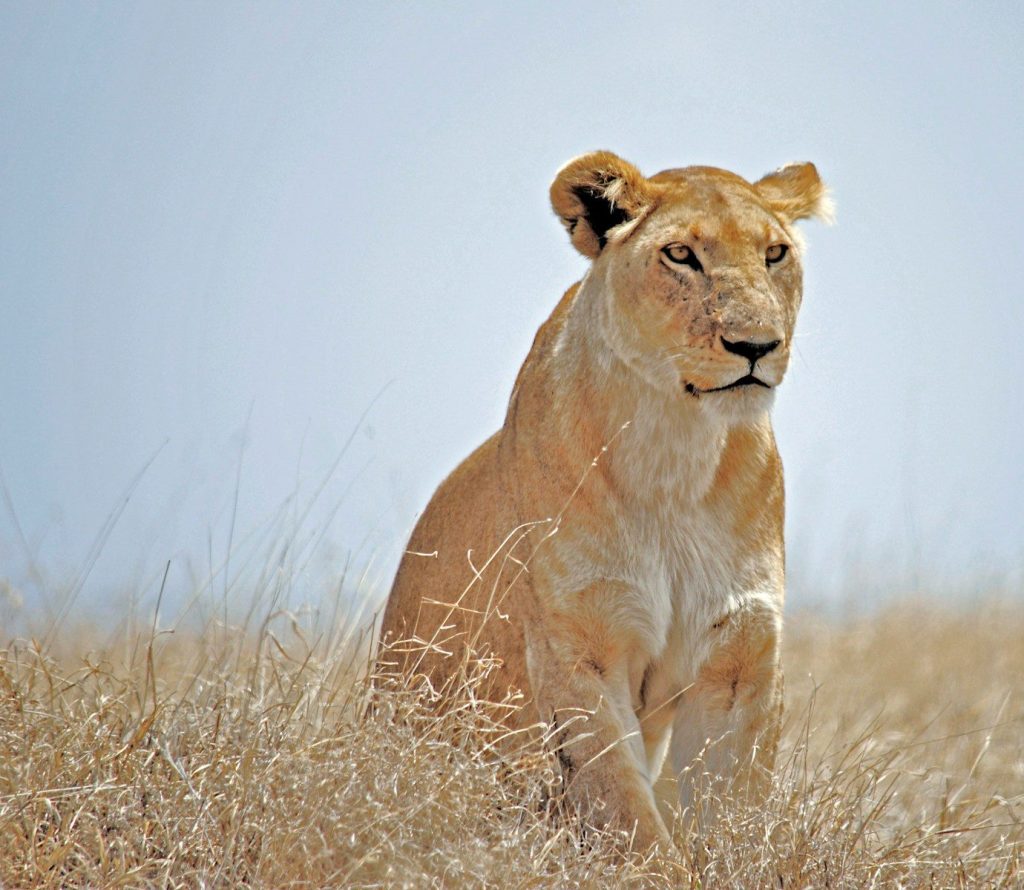
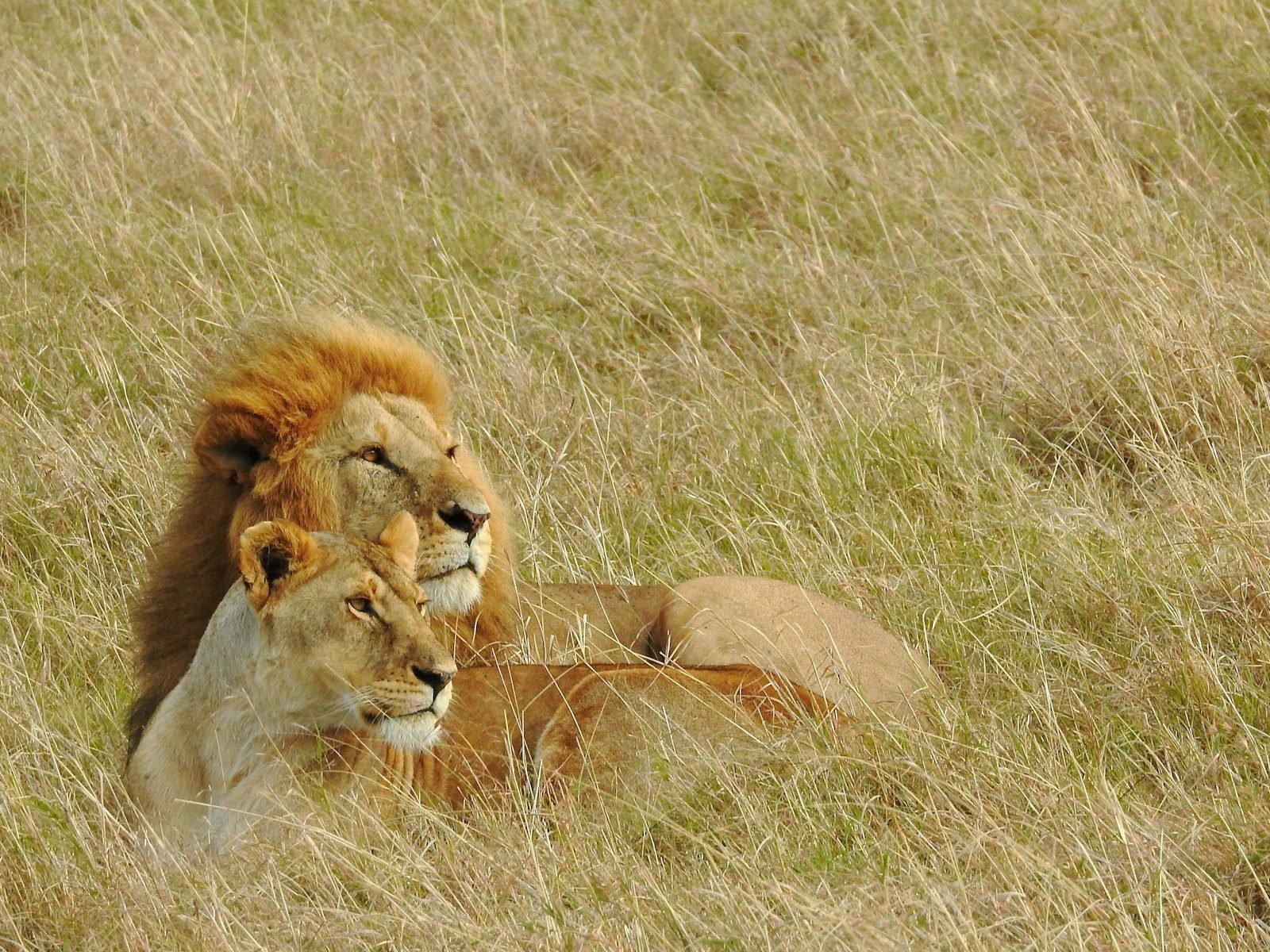
Lions are the most social living cats, but an entire pride does not always hunt as one unit. Large prides often split into smaller hunting parties, while smaller groups may remain together when searching for prey across open country.
Research published in 2025 found that small prides tended to hunt together more often, whereas larger prides frequently divided into smaller groups. This flexibility allows lions to match hunting effort to local prey, terrain, and conditions instead of using one fixed formation every time they search for food.
Stalking Before the Attack
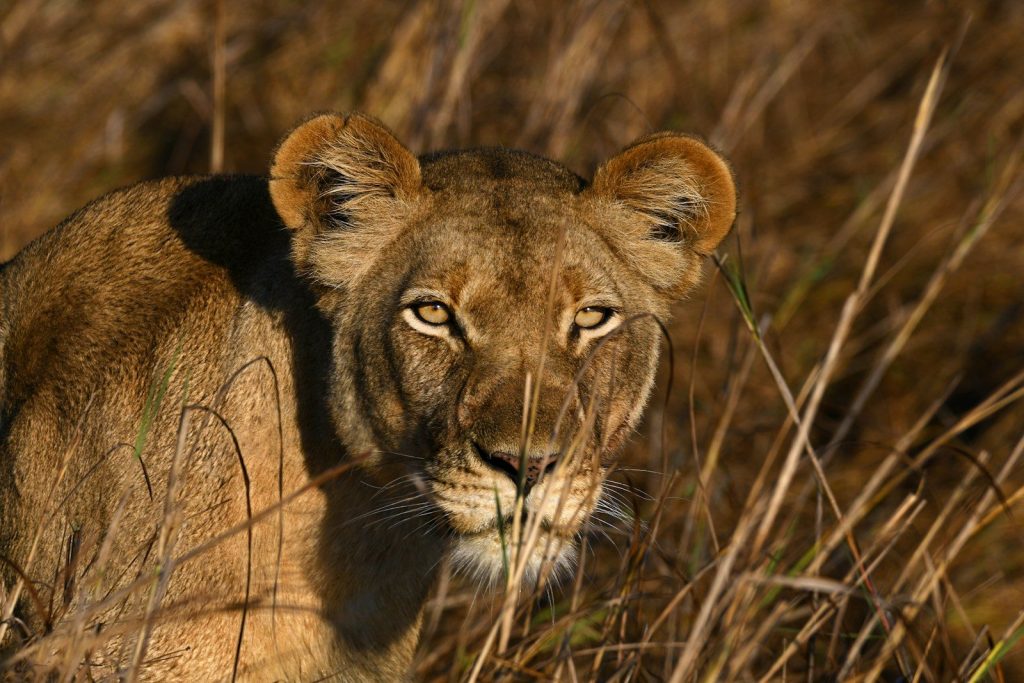
A group hunt usually begins long before the visible rush. Lions use cover, darkness, terrain, and slow movement to reduce the distance between themselves and prey before committing to a chase that may last only briefly.
Lions are powerful over short distances but are not built for prolonged pursuit. Their muscular forelegs, jaws, and teeth become most useful after they reach prey. Getting close before accelerating saves energy and reduces the distance the target has available to escape.
Different Hunting Roles
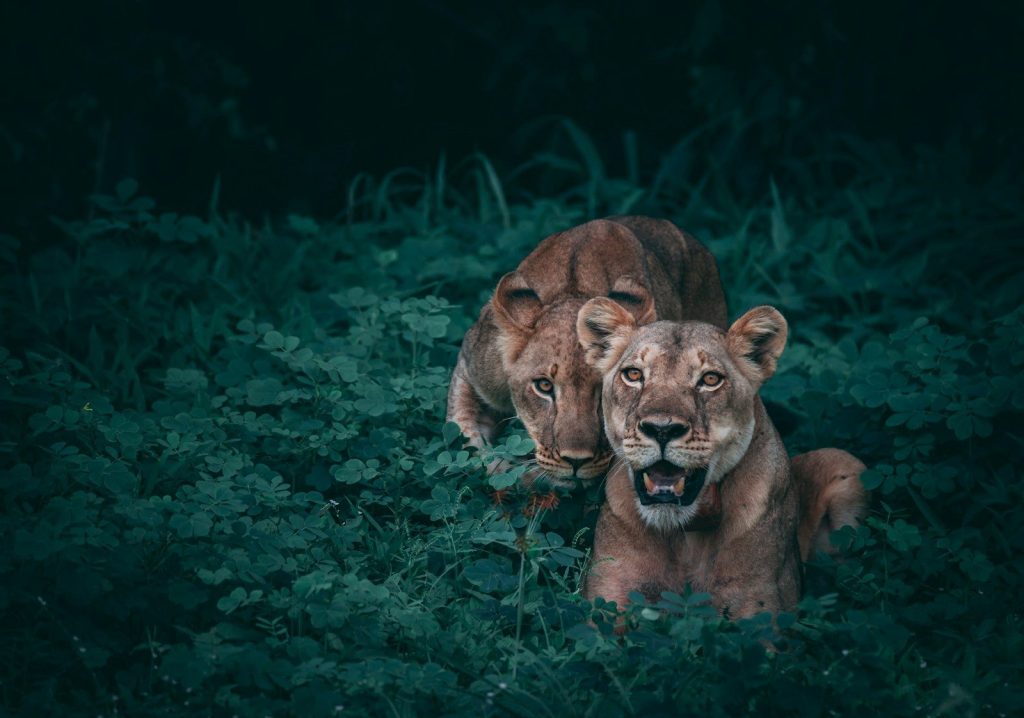
Classic field research found that some lionesses repeatedly occupied different positions during group hunts. “Wing” hunters often moved around the prey and initiated attacks, while “centre” hunters moved less and frequently intercepted prey driven toward them.
The study also found greater success when lionesses occupied their preferred positions. Every hunt does not follow a rigid plan, because terrain and prey movement change constantly. Still, repeated positioning shows that cooperative hunting can involve far more coordination than several lions simply chasing the same animal together.
Hunting Large Prey
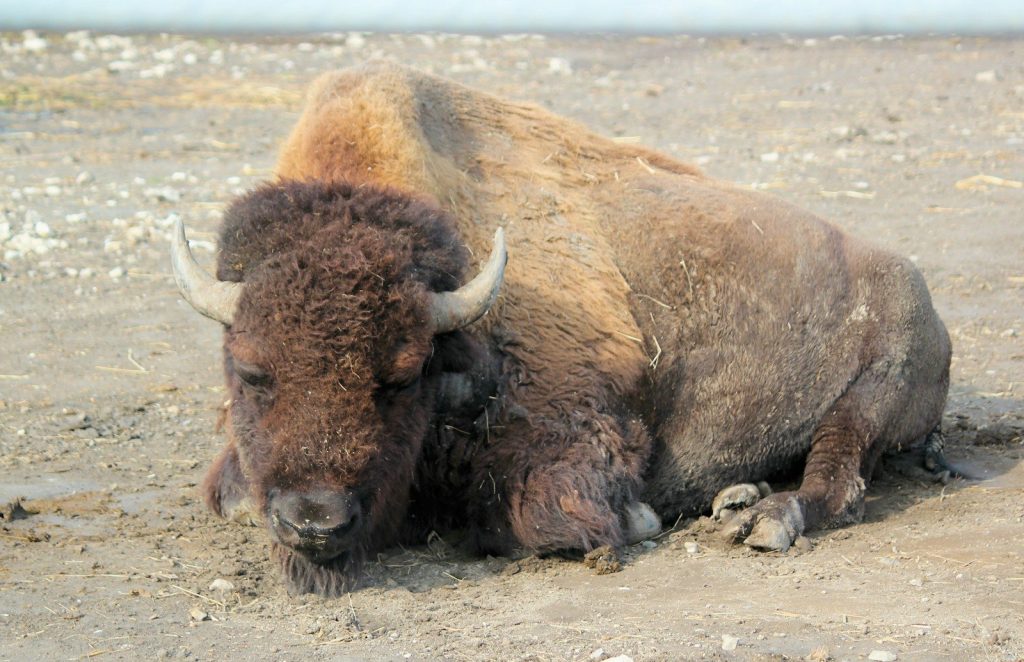
Cooperation becomes particularly valuable when lions target prey that is too large or dangerous for one hunter to control easily. The University of Minnesota’s Lion Center notes that lions pull together when pursuing formidable animals such as Cape buffalo.
Large prey offers more meat, but the risk rises too. Buffalo can use horns, body mass, and herd defense against attacking lions. Group hunting can spread the work of chasing, distracting, grabbing, and restraining prey across several cats, yet serious injury remains possible.
Buffalo Fight Back
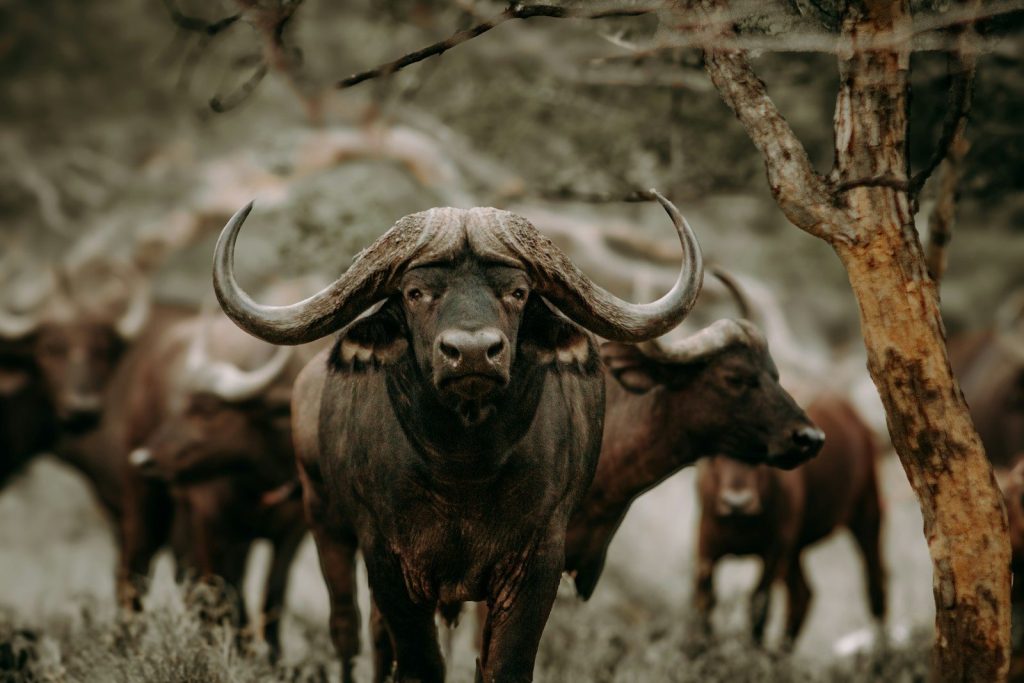
A buffalo hunt can look overwhelmingly one-sided once several lions have secured a grip, but the earlier stages can be extremely dangerous for the cats. Adult buffalo are powerful enough to severely injure lions that badly misjudge an approach.
This is one reason describing every group hunt as a “massacre” is misleading. Lions may abandon attacks, lose contact with prey, or encounter defensive herd members. Cooperation gives them better options, but their target remains a powerful animal with effective defenses rather than helpless prey waiting for the pride.
More Lions, Better Odds
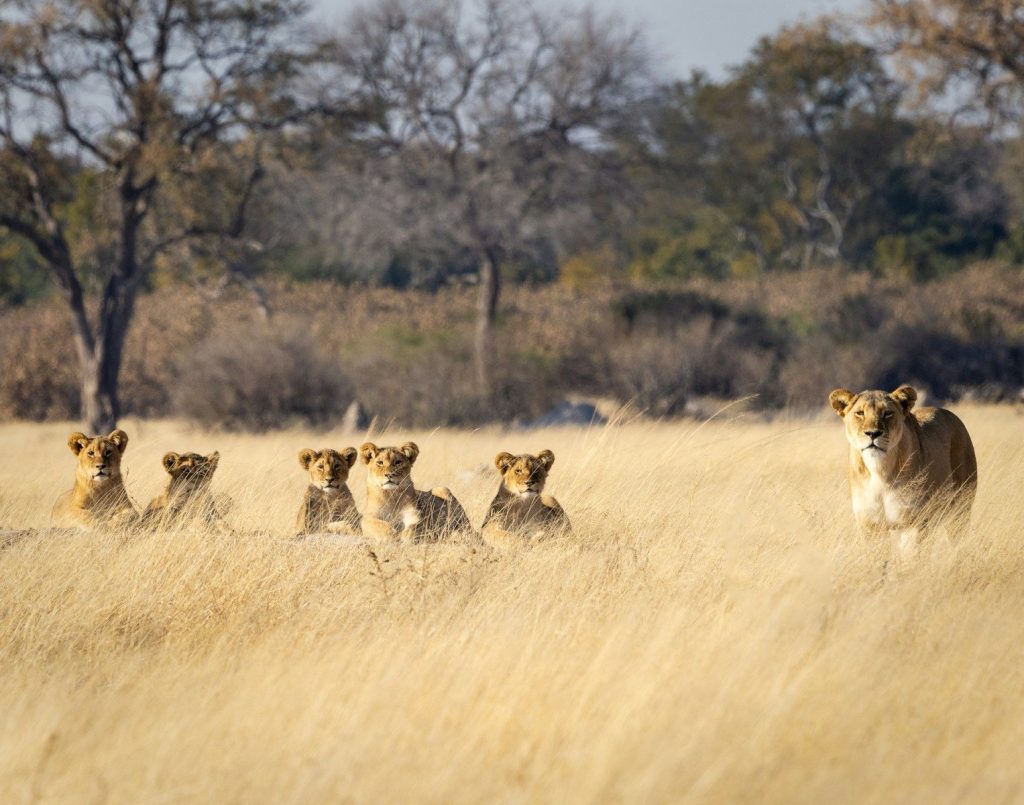
A 2026 study from Etosha National Park found that lion hunting success increased as hunting group size rose from one to seven animals across five important prey species. That provides strong evidence that additional hunters can improve capture odds under some natural conditions.
The benefit is not unlimited. More lions also means more mouths sharing the resulting carcass, and large prides often break into smaller hunting parties. The useful group size depends on whether improved capture success outweighs the costs of cooperation and competition over food afterward.
The Kill Is Shared
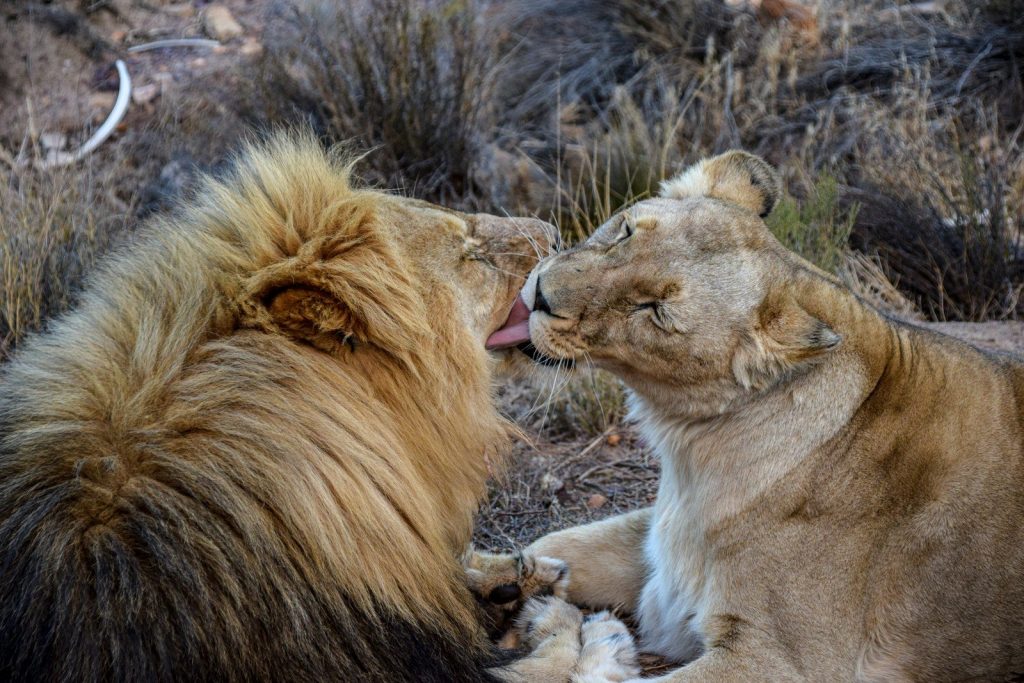
After a successful hunt, several lions may feed from the same carcass, and access can become competitive. Research on lion feeding groups shows that prey size influences how many animals gather and how different pride members interact around the food.
A large carcass can support more feeders than a small one, but age, sex, social relationships, and hunger can still influence access. Hunting together therefore does not mean the meal is divided equally or peacefully. Cooperation during capture and competition while feeding can occur within the same pride.
Why Lions Hunt Together
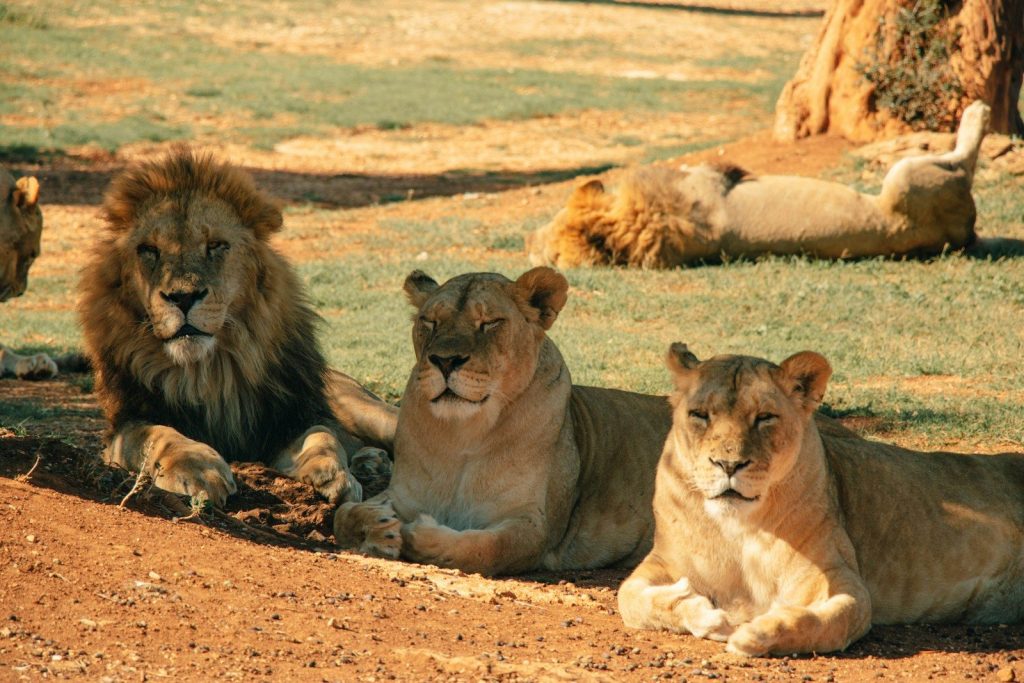
Cooperative hunting is only one benefit of lion social life. Pride members also defend territories, protect access to resources, and raise cubs within a social system that has no close equivalent among other living cats.
Researchers at the University of Minnesota caution that cooperative hunting alone does not fully explain lion group living. Lions can hunt alone, and they do not cooperate on every attempt. Living together offers different advantages at different times, with difficult hunts providing one of the clearest situations where teamwork becomes especially valuable.