The original title does not identify which invasive species it means, so choosing one animal and presenting it as the subject would require an unsupported guess.
The broader problem is well documented. Invasive species can damage crops, waterways, infrastructure, native wildlife, and entire food webs. These eight animals show how different forms of invasion are already affecting U.S. ecosystems.
Feral Swine
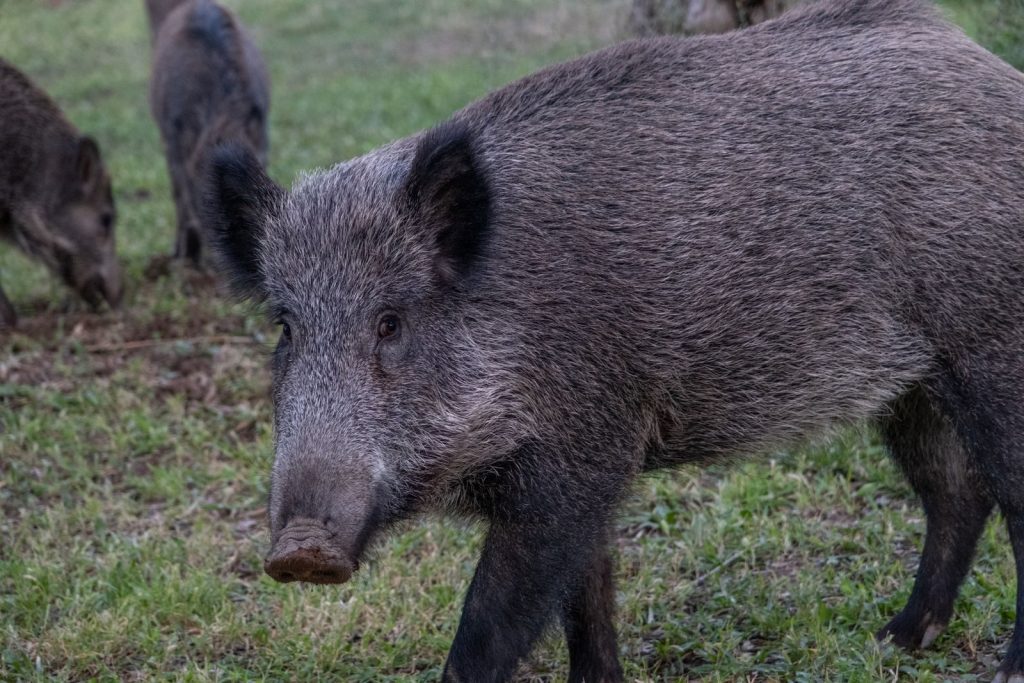
Feral swine are established across large parts of the United States. Their rooting, feeding, trampling, and wallowing damage crops, pasture, forests, wetlands, and water quality, while the animals can also carry diseases affecting livestock and wildlife.
USDA estimates that feral swine create billions of dollars in agricultural damage and control costs. Their intelligence, broad diet, high reproductive capacity, and ability to use many habitats make established populations extremely difficult to eliminate once they become widespread.
Burmese Python
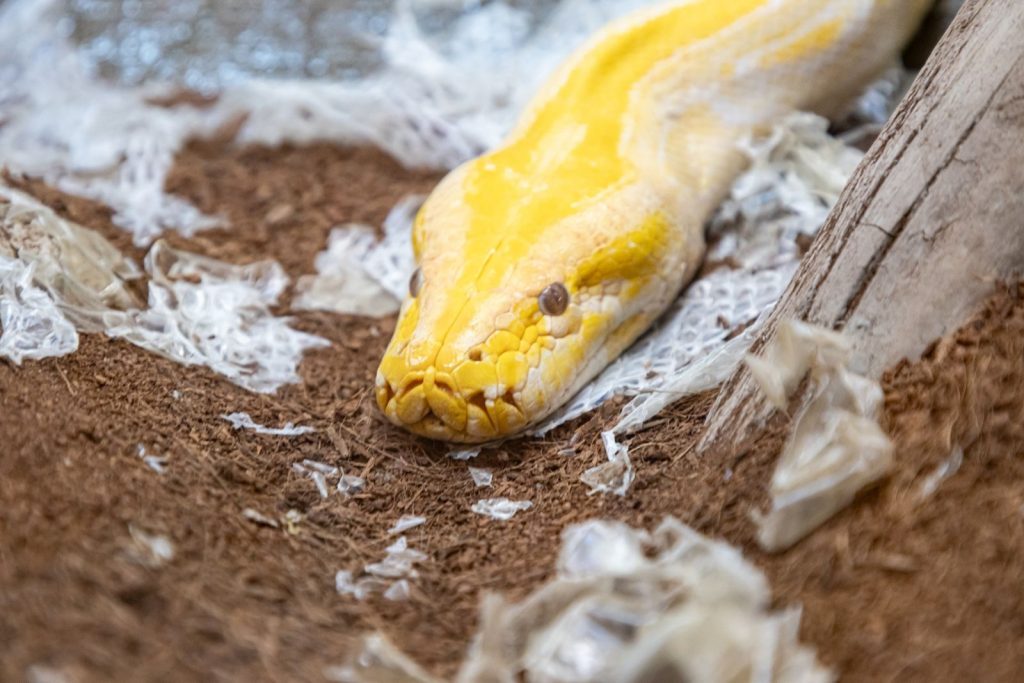
Burmese pythons have established a breeding population across much of South Florida’s Greater Everglades ecosystem. They prey on native mammals, birds, and reptiles and can reach sizes large enough to consume substantial vertebrate prey.
USGS and Fish and Wildlife Service research links established python populations with severe declines in observations of several native mammals in parts of the Everglades. Their camouflage and wetland habitat make detection difficult, complicating attempts to control the population.
Invasive Lionfish
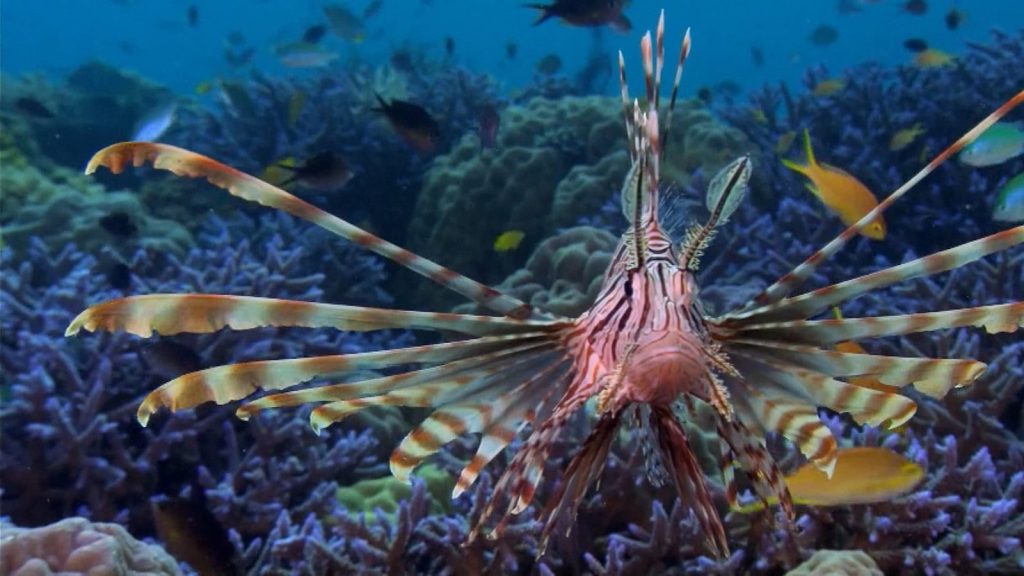
Lionfish native to the Indo-Pacific have become established across the western Atlantic, Caribbean, and Gulf region. They consume numerous small reef fishes and invertebrates while facing relatively little predation in invaded habitats.
Experimental research cited by NOAA found that a single lionfish could sharply reduce recruitment of native reef fishes on small study reefs. Removal programs can suppress lionfish locally, but their broad distribution and deep-water populations make complete eradication unrealistic with current methods.
Zebra Mussels
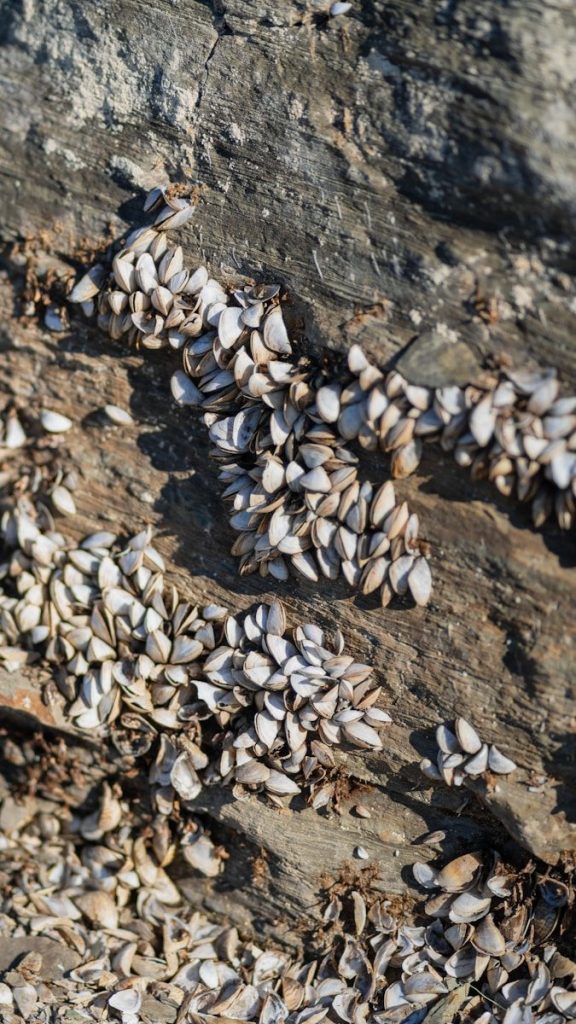
Zebra mussels spread through U.S. freshwater systems by attaching densely to hard surfaces. They can clog water infrastructure, cover boats and docks, compete with native mussels, and filter enormous quantities of plankton from the water.
That filtration changes food availability and water conditions throughout invaded ecosystems. Transport on boats and equipment also helps the species reach new waters. Preventing movement between lakes and rivers remains important because established mussel populations are extremely difficult to remove at ecosystem scale.
Emerald Ash Borer
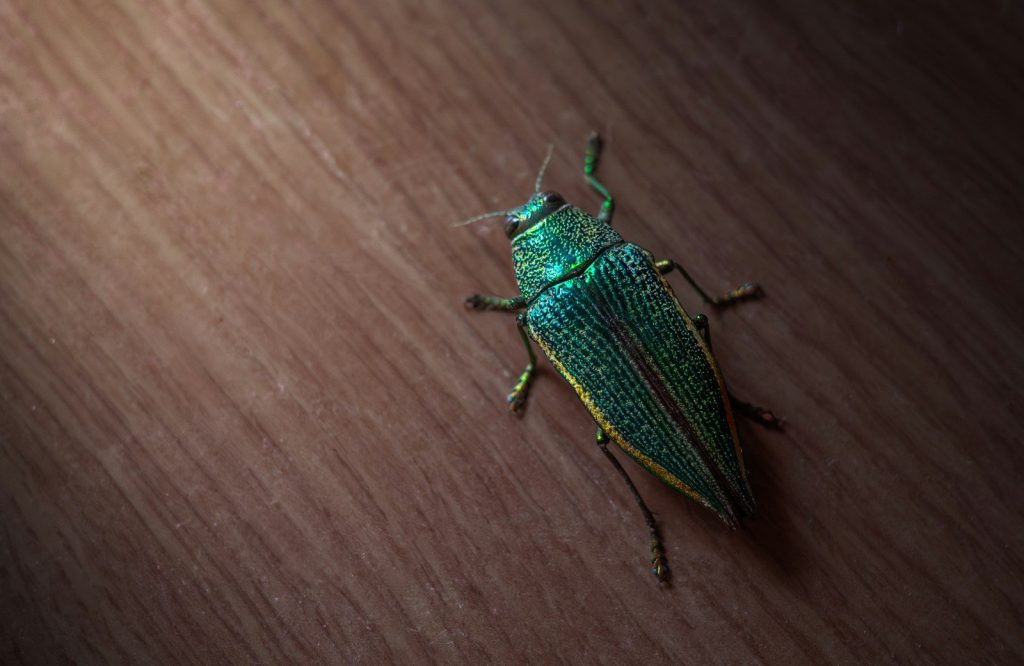
The emerald ash borer is an Asian beetle whose larvae feed beneath ash-tree bark, disrupting the tissues that move water and nutrients through the tree. It has killed tens of millions of ash trees since being detected in North America.
USDA continues tracking its spread across dozens of states and Washington, D.C. The invasion changes forests as mature ash trees disappear and also creates substantial costs for communities that must remove dangerous dead trees from streets, parks, and private property.
Spotted Lanternfly
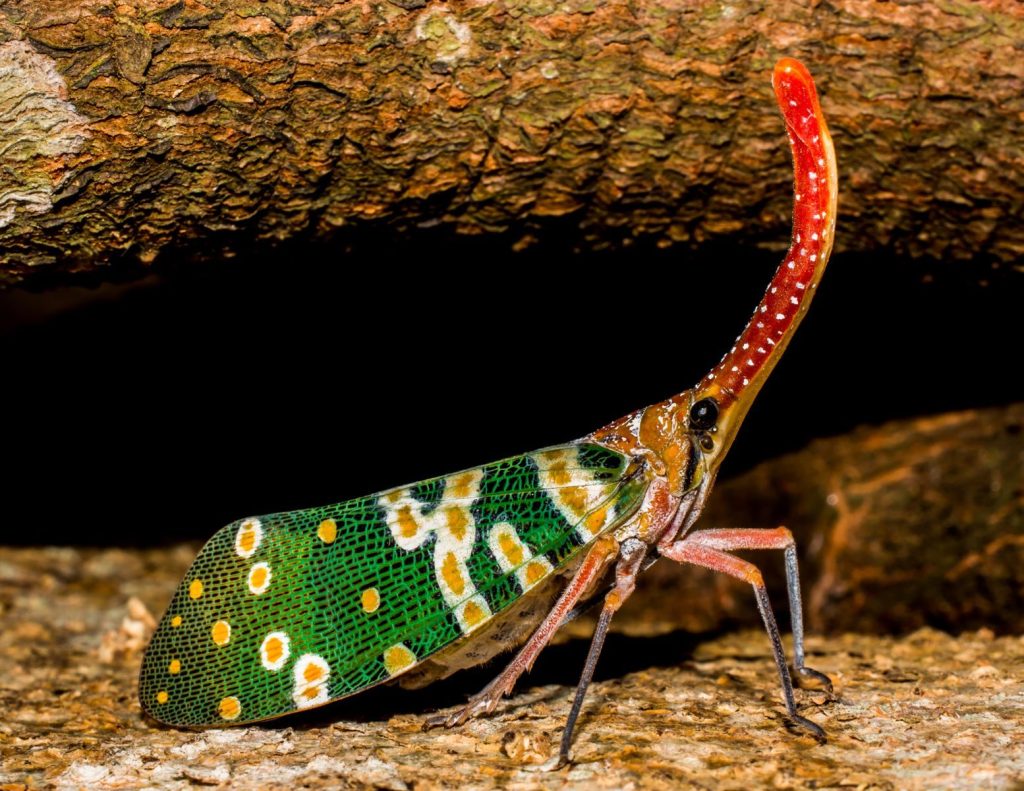
The spotted lanternfly is an invasive planthopper that feeds on sap from many plants. Large populations can weaken plants and create particular concern for grapes and several economically important trees and crops.
USDA continues asking people in affected or newly invaded areas to follow quarantine and reporting guidance because the insect can hitchhike on vehicles, outdoor equipment, and materials carrying its egg masses. Slowing human-assisted spread gives managers more time to protect uninfested areas.
Nutria
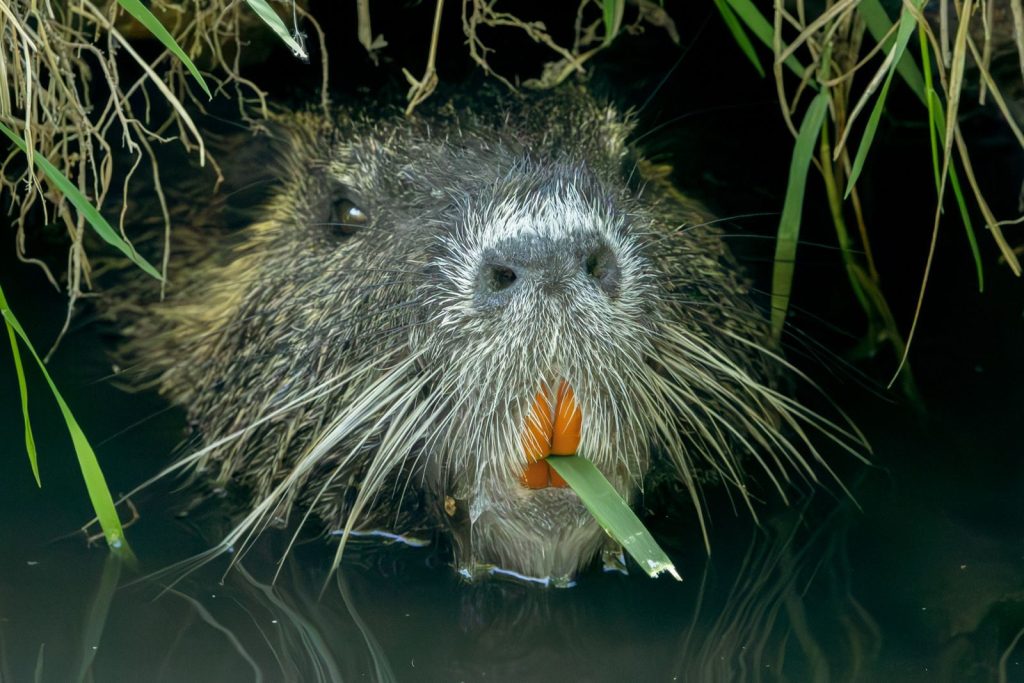
Nutria are large South American rodents introduced to North America through the fur trade. Their intense feeding on marsh plants and roots can strip vegetation and damage the soil structure that holds wetlands together.
Maryland successfully eradicated a major Chesapeake Bay population after a long, expensive campaign, showing that determined removal can work when an invasion is still manageable. Nutria remain established elsewhere, however, where wetland damage can threaten habitat used by native fish, birds, and other wildlife.
Invasive Carp
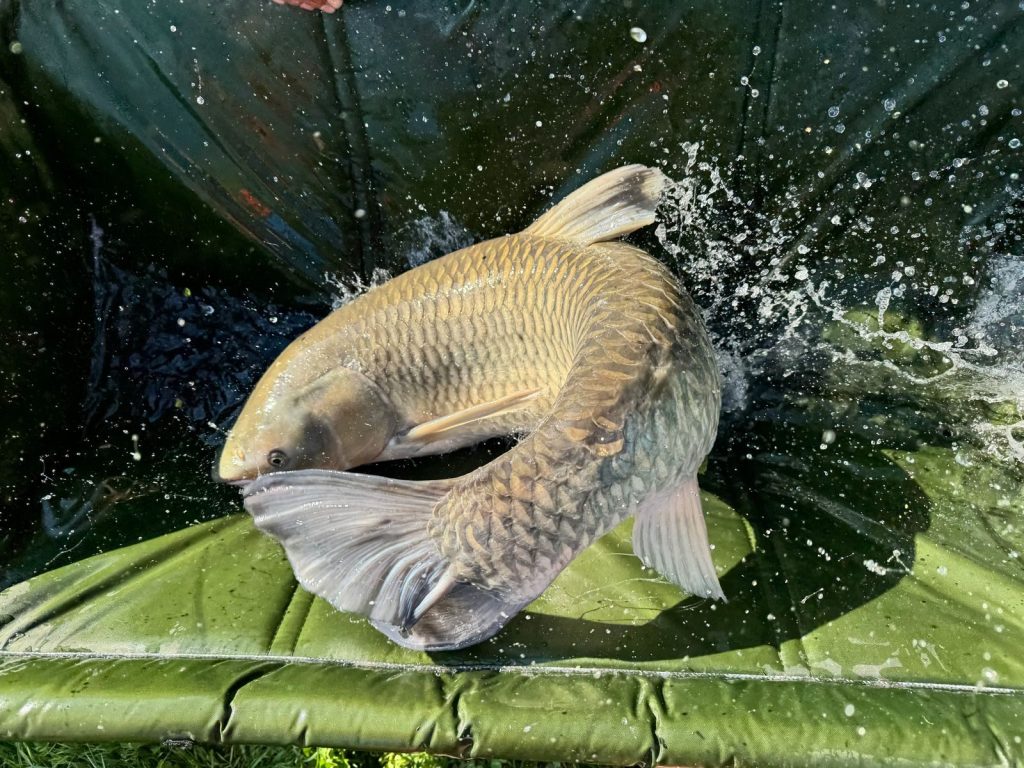
Several Asian carp species have spread through portions of the Mississippi River basin. U.S. Fish and Wildlife Service says invasive carp can become extremely abundant, disrupt aquatic food webs, compete with native fisheries, and damage recreational use of waterways.
Federal and state agencies continue major control efforts in 2026 to slow further spread, particularly toward vulnerable waters. Their rapid growth and reproduction show why invasive-species management often becomes much harder after an organism has already established across a connected river system.
Featured Image: Photo by Gábor Jambrik on Pexels