Skip to content

Recent Posts

  • How David Bradshaw Is Preserving His Family Honey Farm
  • Animals That Seem to Escape Normal Aging
  • When Distressed Animals Approached Helpful People
  • How Two Climbers Survived Everest Without Bottled Oxygen
  • A Wild Buck Runs Beside an Ohio Boy

Most Used Categories

  • Nature & Wildlife (714)
  • Risk (63)
  • Human Interest (40)
  • Exotic Animals (22)
  • Survival (20)
  • Hunting (19)
  • Bees/Swarms fear (15)
  • Suspense (10)
  • Adventure (3)
  • Gears (2)
Skip to content
  • About Us
  • Contact Us
  • Disclaimer
  • Privacy Policy
  • Terms & Conditions

Hive Hunters Tales

  • Suspense
  • Nature & Wildlife
  • Human Interest
  • Hunting
  • Bees/Swarms fear
  • Exotic Animals
  • Risk
  • Survival
  • Adventure
  • Gears
  • Home
  • Survival
  • How Two Climbers Survived Everest Without Bottled Oxygen
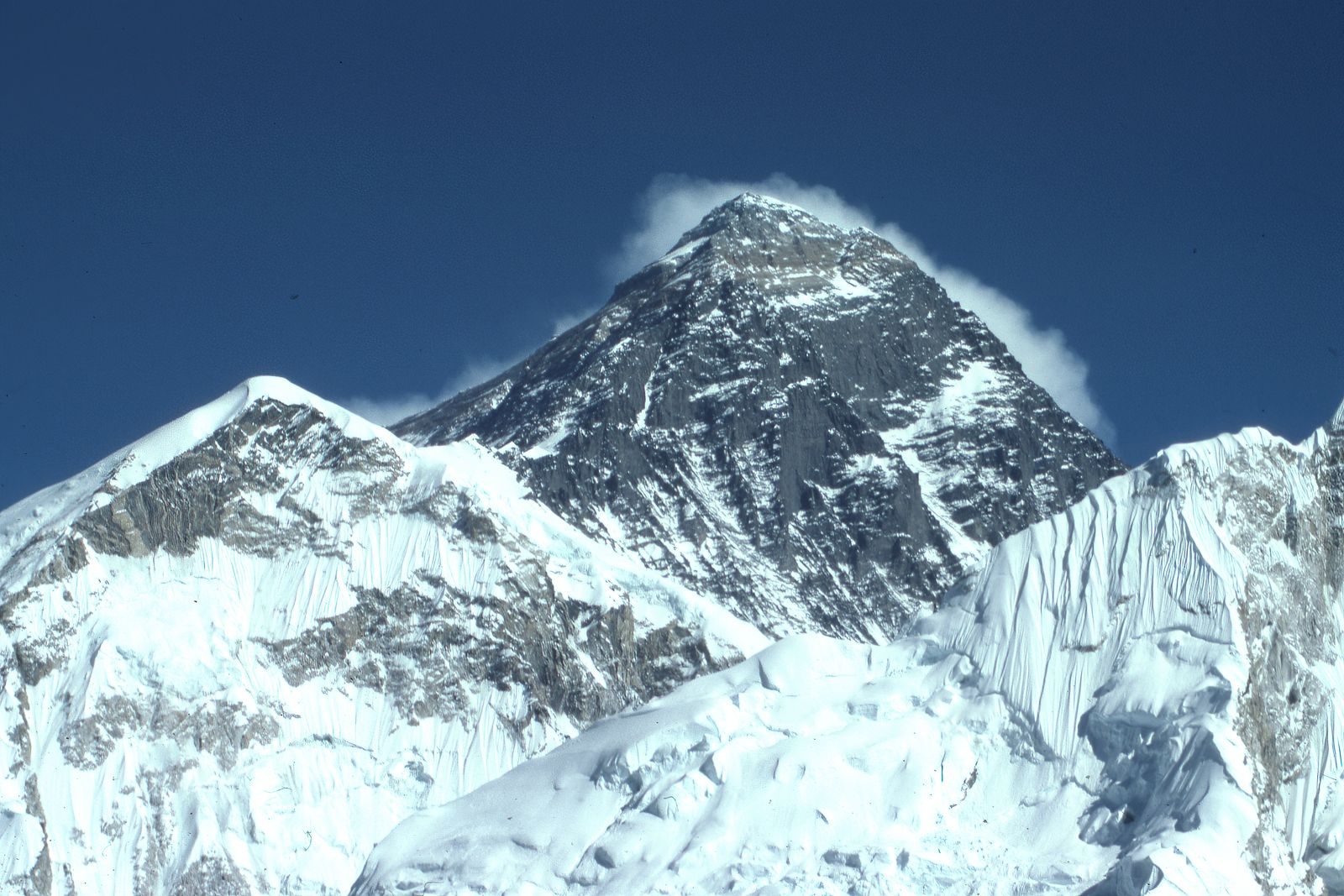
Majestic winter view of snow-covered Mount Everest under a clear blue sky, captured from Khumjung, Nepal.

How Two Climbers Survived Everest Without Bottled Oxygen

JakeAugust 7, 2026August 7, 2026

On May 8, 1978, Reinhold Messner and Peter Habeler became the first people confirmed to reach Mount Everest’s summit without bottled oxygen. Many experts had believed the attempt could cause permanent brain damage.

Their bodies did not suddenly collapse at the summit. Instead, every system worked under severe oxygen shortage, exhaustion, cold, dehydration, and declining judgment while the climbers hurried to descend.

The 1978 Challenge
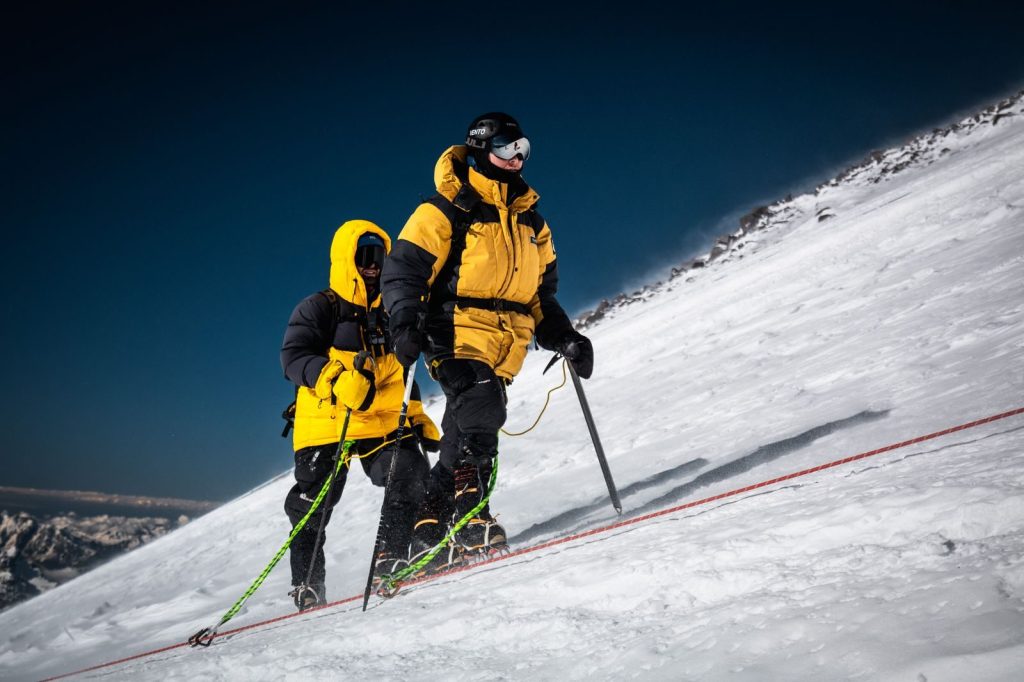
Two climbers in yellow jackets navigate a snowy mountain slope in Russia, showcasing winter adventure.
Photo by Никита Шелайкин on Pexels

Messner and Habeler entered territory no climber had successfully crossed without supplemental oxygen. Physicians warned that the human brain might not function properly at Everest’s height. The pair nevertheless believed careful acclimatisation, speed, experience, and a willingness to turn back could make the climb possible.

Entering the Death Zone
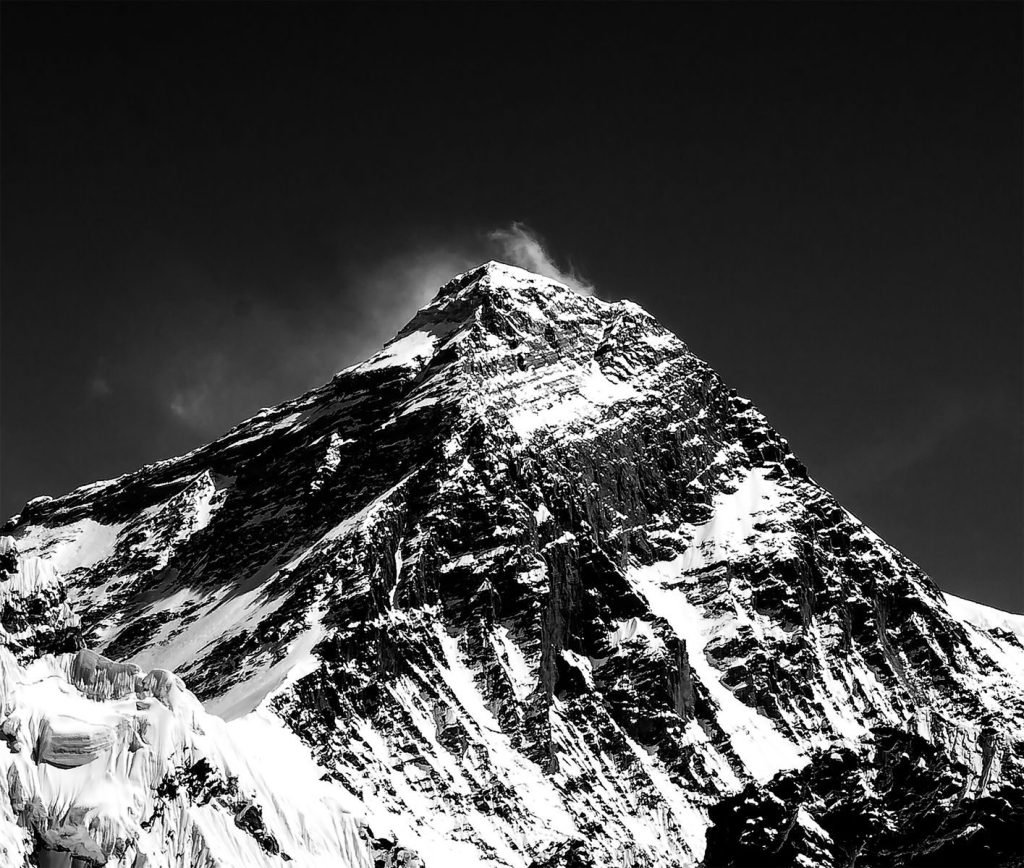
Black and white of high rocky mountain ridge covered with white snow in winter time
Photo by INFINITY ADVENTURE NEPAL on Pexels

The region above approximately 8,000 metres is called the death zone because the body cannot fully adapt to its oxygen level. Climbers gradually weaken while remaining there, making eating, sleeping, decision-making, and simple movement increasingly difficult. Rescue is also extremely limited at such heights.

Every Breath Delivered Less
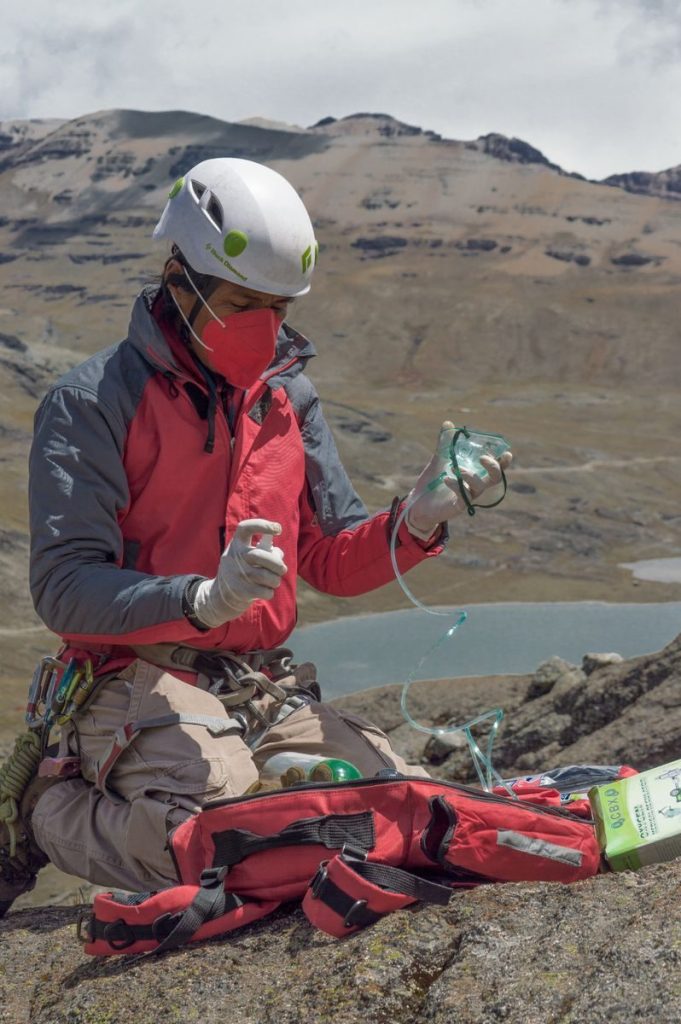
Mountaineer in La Paz, Bolivia sets up oxygen mask for high altitude climb.
Photo by Roman Apaza on Pexels

Air still contains roughly the same percentage of oxygen, but falling atmospheric pressure means each breath provides far fewer oxygen molecules. Near Everest’s summit, arterial oxygen pressure can reach levels that would normally leave a person unconscious at sea level.

Acclimatisation Bought Time
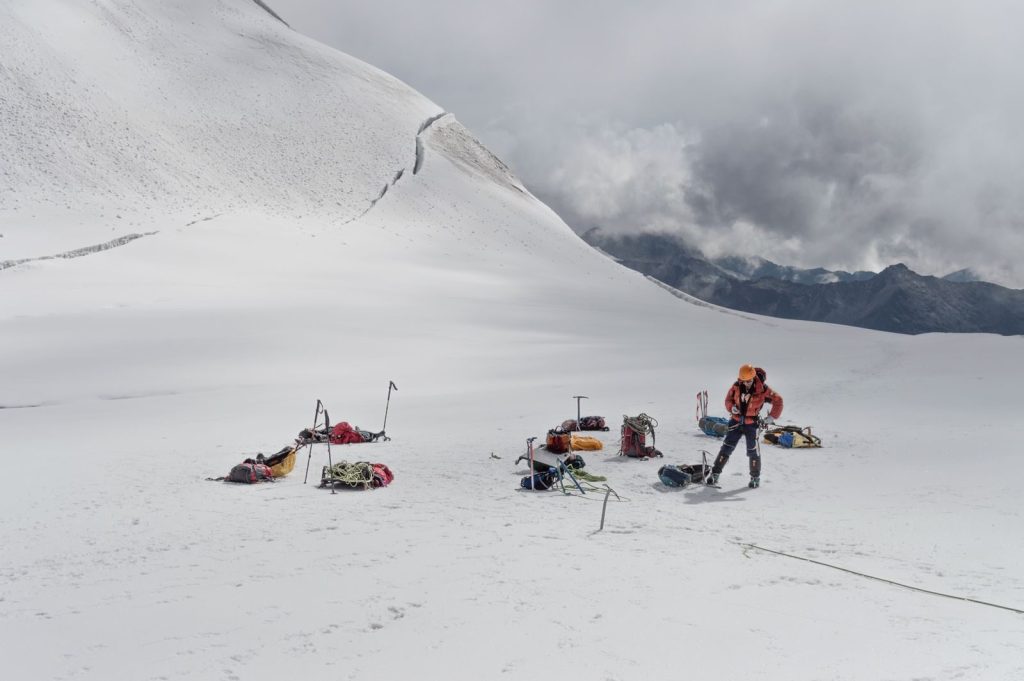
A climber prepares for a high-altitude expedition in the snowy Andes, La Paz, Bolivia.
Photo by Roman Apaza on Pexels

Weeks at increasing elevations allowed the climbers to breathe faster and produce more red blood cells. Their hearts and lungs worked harder to deliver oxygen. Acclimatisation could not make the summit safe, but it helped them continue functioning briefly in conditions that cannot support permanent human life.

Movement Became Exhausting

Adventurous climber captures the beauty of Saas-Fee, Switzerland snow-capped peaks.
Photo by Tobi &Chris on Pexels

Near the summit, every step required intense effort and repeated pauses. Habeler later described feeling as though he was suffocating. Low oxygen reduced the energy available to muscles, while cold, dehydration, and accumulated fatigue made coordination harder during both the climb and descent.

The Summit Was Brief
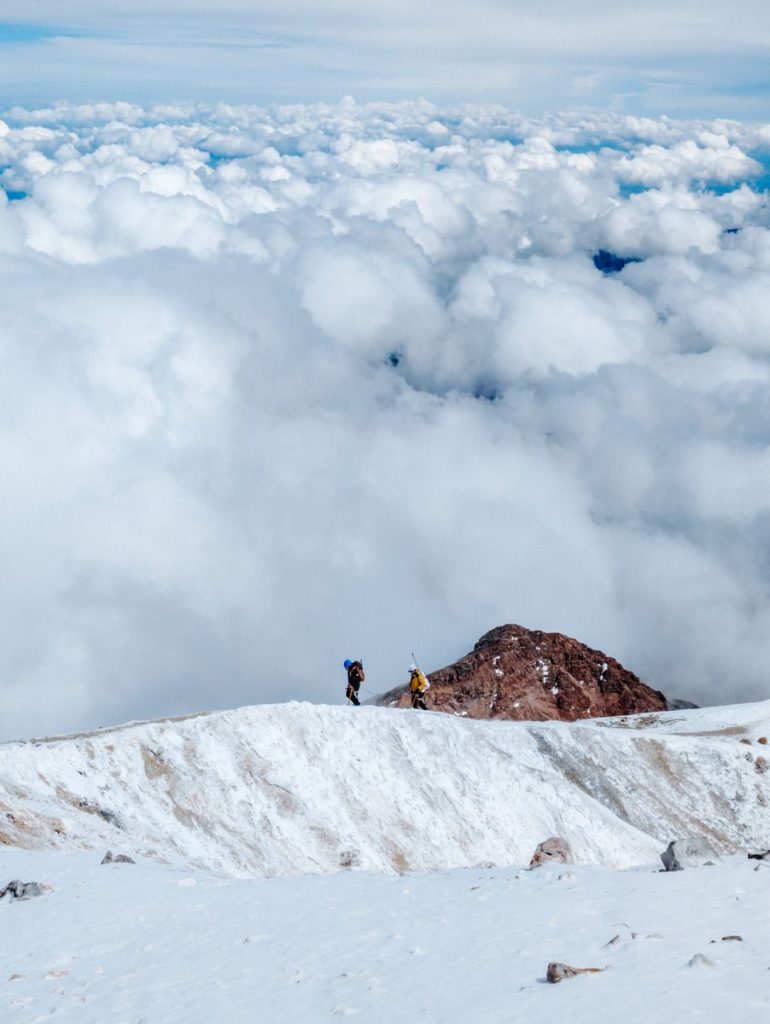
Two hikers exploring a snowy mountain peak surrounded by clouds and sky.
Photo by Giancarlo Principe | Outdoor Adventures on Pexels

The climbers reached the summit shortly after 1 p.m. They did not remain long because reaching the highest point completed only half the journey. Habeler reportedly wanted to descend immediately as his breathing and physical condition continued to deteriorate.

The Descent Stayed Dangerous
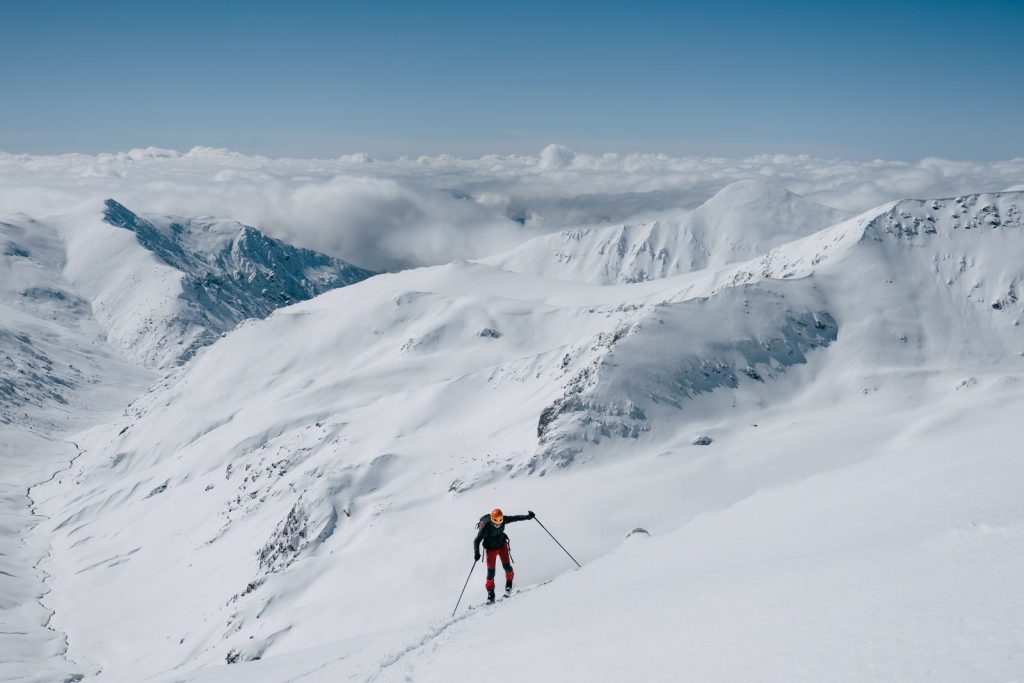
Skier climbing a snowy mountain under clear skies, showcasing winter adventure.
Photo by Jordi Costa Tomé on Pexels

Habeler slid down part of the route to lose elevation quickly and reportedly triggered a small snow slab before twisting his ankle. Exhausted climbers face considerable danger while descending because concentration, balance, and judgment may worsen even after the summit has been reached.

The Climb Changed Science
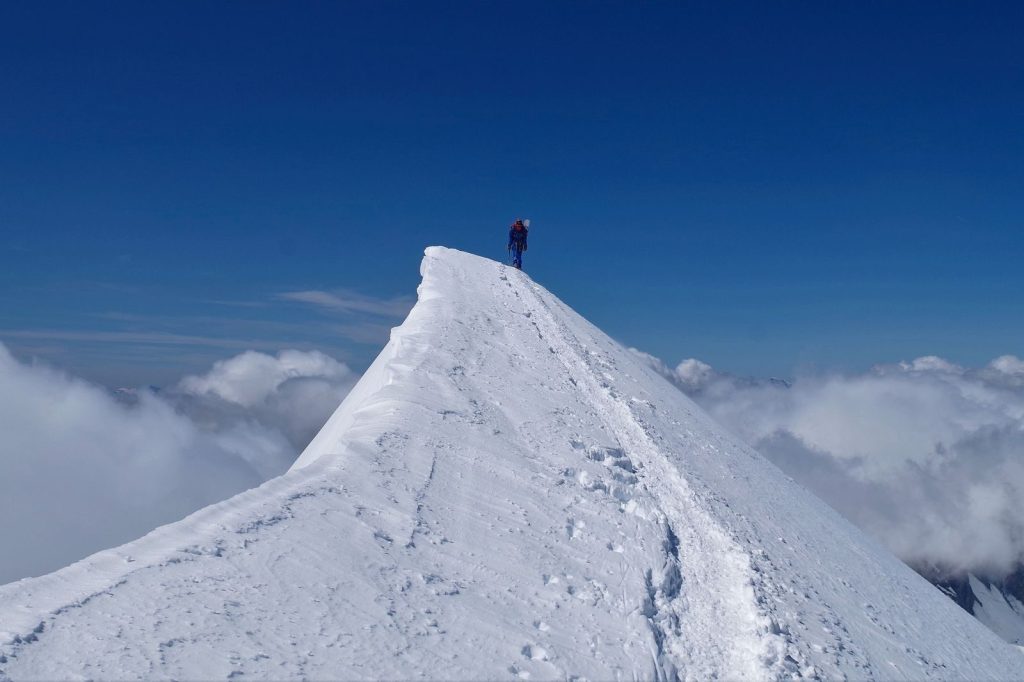
Explorer stands atop a snowy summit above the clouds, capturing a breathtaking scene.
Photo by Ezmari Nabizadeh on Pexels

Their success proved that a highly acclimatised person could perform physical work at Everest’s summit without bottled oxygen. Later research still described the achievement as being close to the limit of human tolerance rather than evidence that extreme altitude is harmless.

Featured Image: Photo by Dick Hoskins on Pexels

Post navigation

Previous: A Wild Buck Runs Beside an Ohio Boy
Next: When Distressed Animals Approached Helpful People

Related Posts

Captivating close-up of a grizzly bear showcasing its expressive features at İstanbul Zoo.

How to Respond During Dangerous Animal Encounters

August 7, 2026August 6, 2026 Jake
A pair of kangaroos resting beside a wooden post in a lush outdoor environment.

A Man Fought a Kangaroo in Floodwater: Here’s What Really Happened

August 5, 2026August 5, 2026 Jake
brown snake on brown soil

Idaho Dad Receives 54 Vials of Antivenom After Rare Rattlesnake Bite Leaves Hospital Supply Depleted

July 16, 2026July 15, 2026 Jake

Leave a Reply Cancel reply

Your email address will not be published. Required fields are marked *

Recent Posts

  • How David Bradshaw Is Preserving His Family Honey Farm
  • Animals That Seem to Escape Normal Aging
  • When Distressed Animals Approached Helpful People
  • How Two Climbers Survived Everest Without Bottled Oxygen
  • A Wild Buck Runs Beside an Ohio Boy
Copyright All Rights Reserved | Theme: BlockWP by Candid Themes.