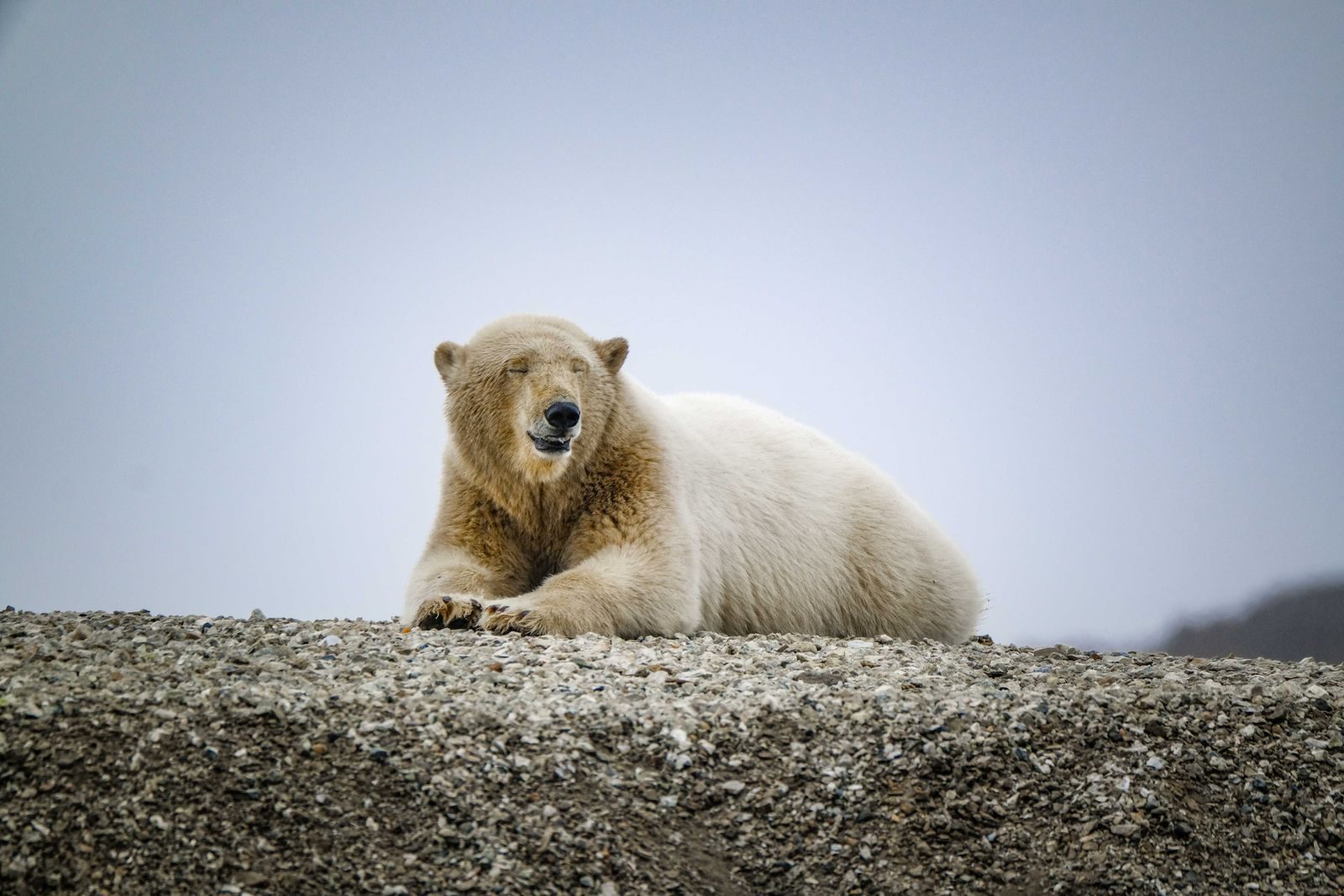
A viral clip filmed near Svalbard, Norway, shows a polar bear lying on the ice, moving its legs, handling a chunk of ice, and entering the water. The actions resemble a human exercise session.
Calling it a workout is entertaining but scientifically unproven. The bear may have been playing, grooming, exploring the object, cooling itself, or performing several natural behaviours in sequence.
The Svalbard Encounter
The footage was attributed to a British photographer working near Svalbard. It shows the polar bear resting and moving on Arctic ice before entering the water. The available description provides the location and visible actions but does not establish the bear’s age, motivation, health, or reason for approaching the ice block.
Legs in the Air
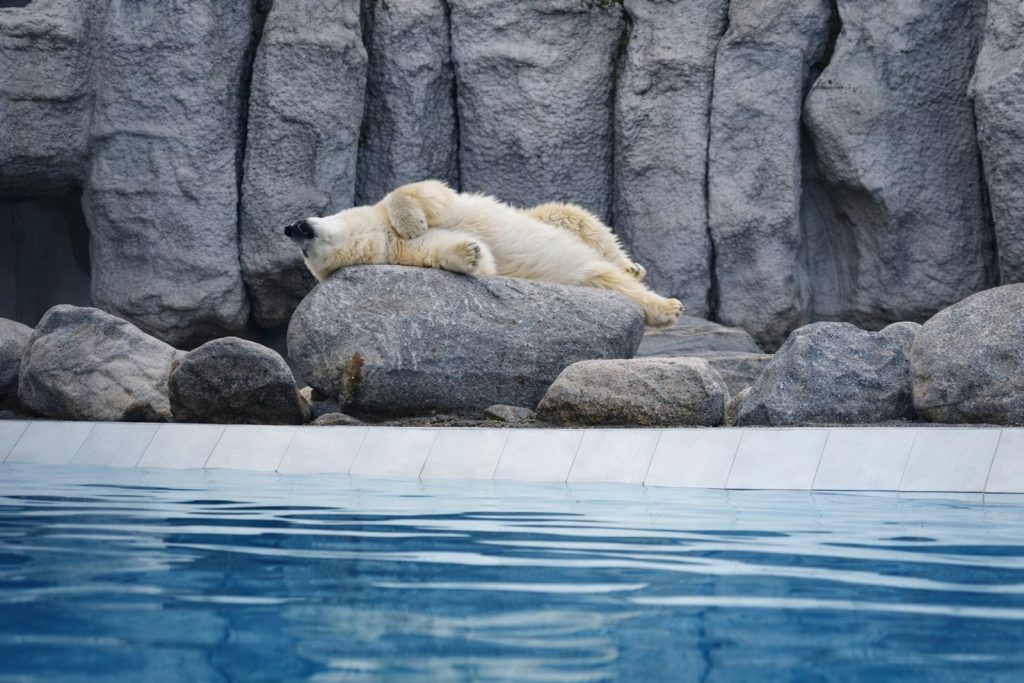
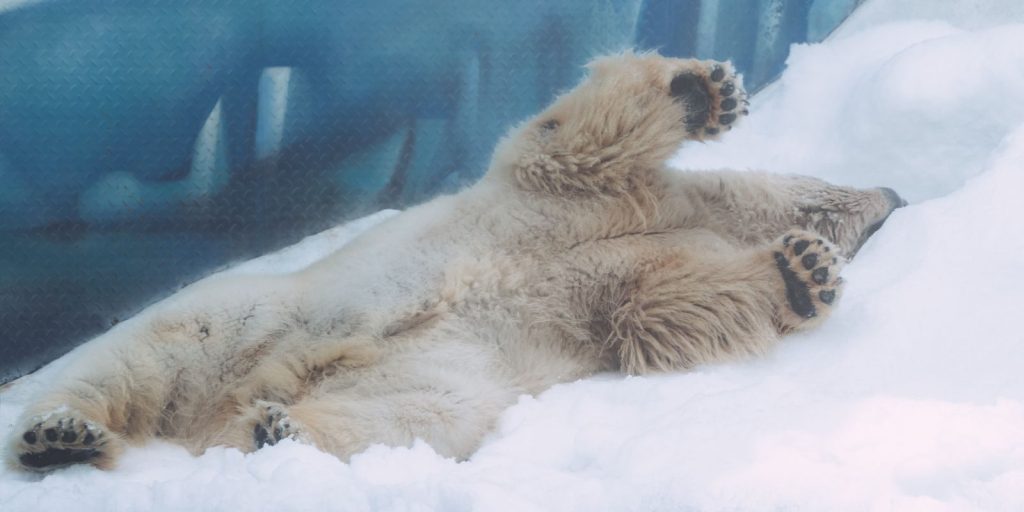
The bear rolls onto its back and raises its legs, creating a pose that resembles abdominal exercise. Polar bears naturally rest in several positions and may roll while grooming or drying their fur. A familiar human-looking movement does not necessarily serve the same purpose for the animal.
Lifting the Ice
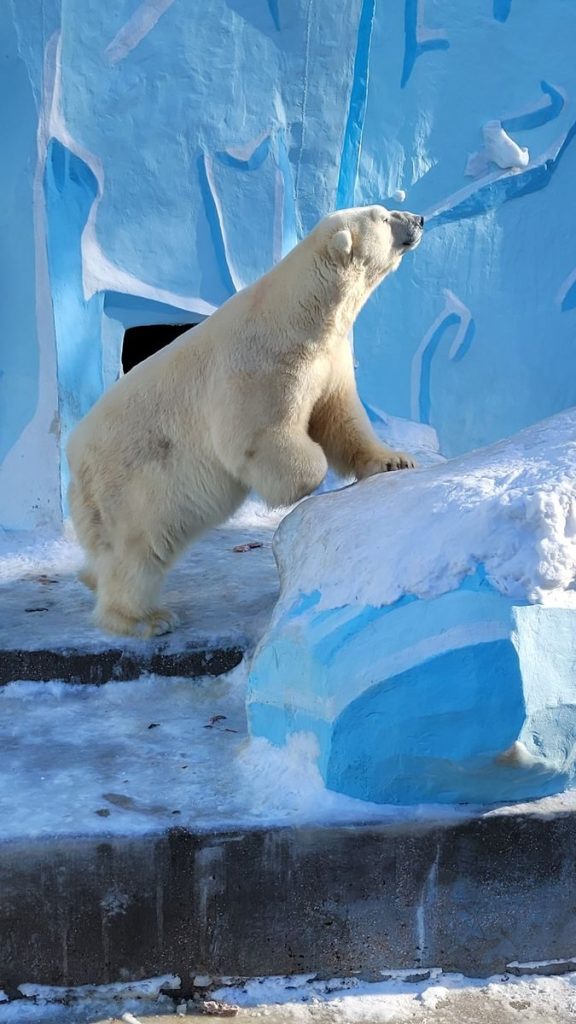
The polar bear handles a loose piece of ice with its paws, making the object look like an improvised weight. Bears are intelligent, curious animals capable of investigating and manipulating objects. However, the footage alone cannot determine whether the bear was deliberately exercising, playing, grooming, or simply exploring an unfamiliar shape.
Rolling in Snow
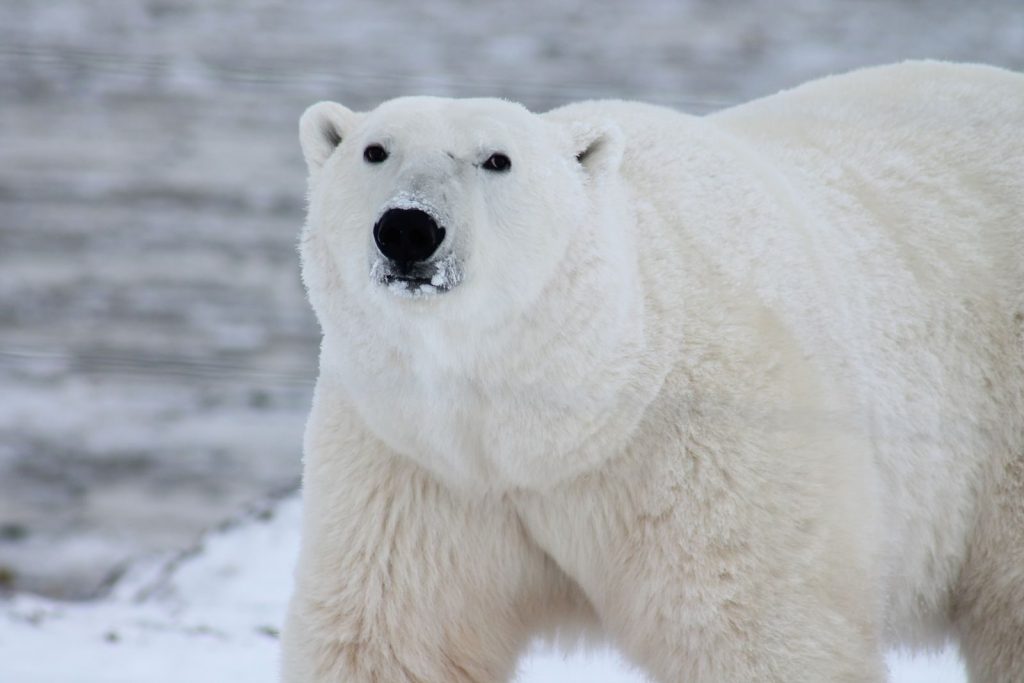
Polar bears regularly rub their heads and bodies in snow, slide forward on their stomachs, and roll onto their backs. These actions can remove food, water, dirt, or ice from the fur. Remaining clean and dry is important because matted or wet fur provides less effective insulation in Arctic conditions.
Play Is Possible
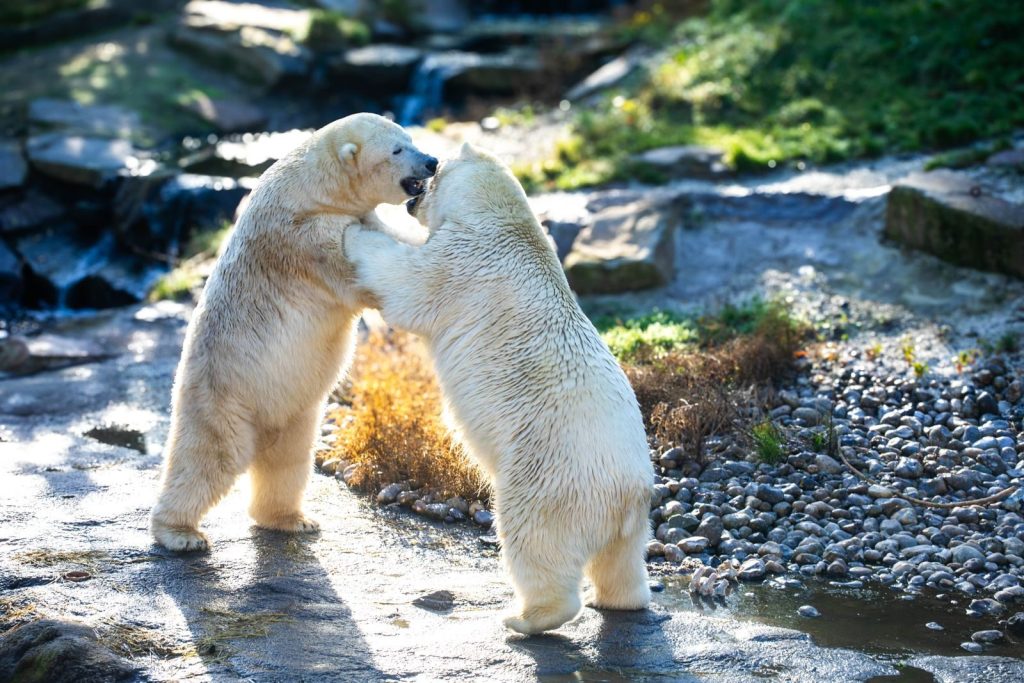
Adult polar bears do engage in play, including mock fighting and object-related behaviour. They may signal playful intentions through characteristic head movements and postures. The viral clip could include play, but confirming that interpretation would require longer observation and context showing what happened before and after the recorded sequence.
The Icy Swim

The bear eventually enters the water, completing the apparent workout with a swim. Swimming is normal polar bear behaviour rather than a special exercise routine. They paddle mainly with their powerful front paws while their hind legs help steer, allowing them to travel between ice, land, and hunting areas.
Built for Movement
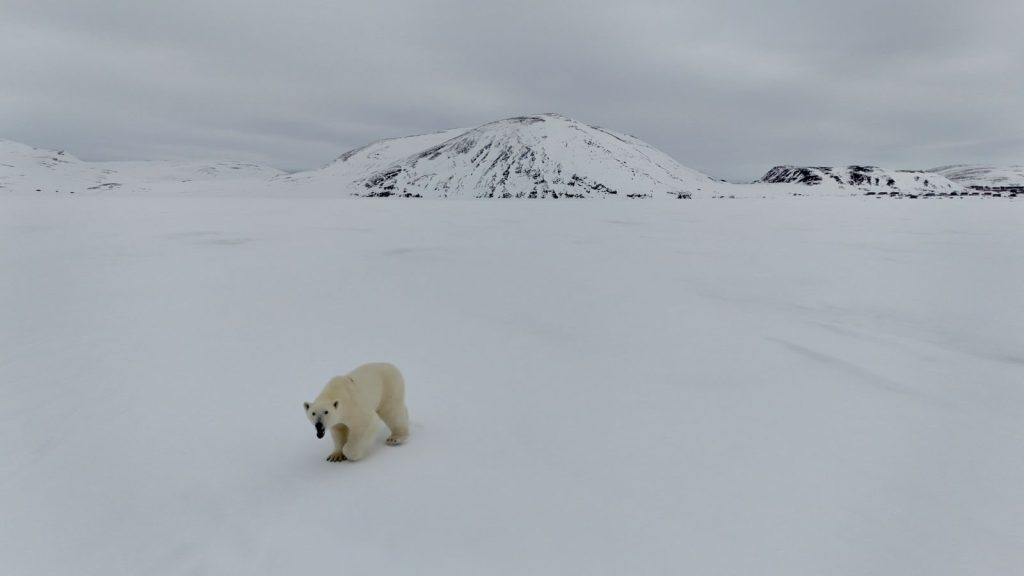
Polar bears have large paws suited to spreading their weight across snow and ice. Those paws also work as paddles in the water. Their muscular shoulders, insulating fat, water-resistant coat, and streamlined bodies support long-distance movement through an environment that combines unstable ice, deep water, snow, and strong currents.
Sea Ice Is Essential
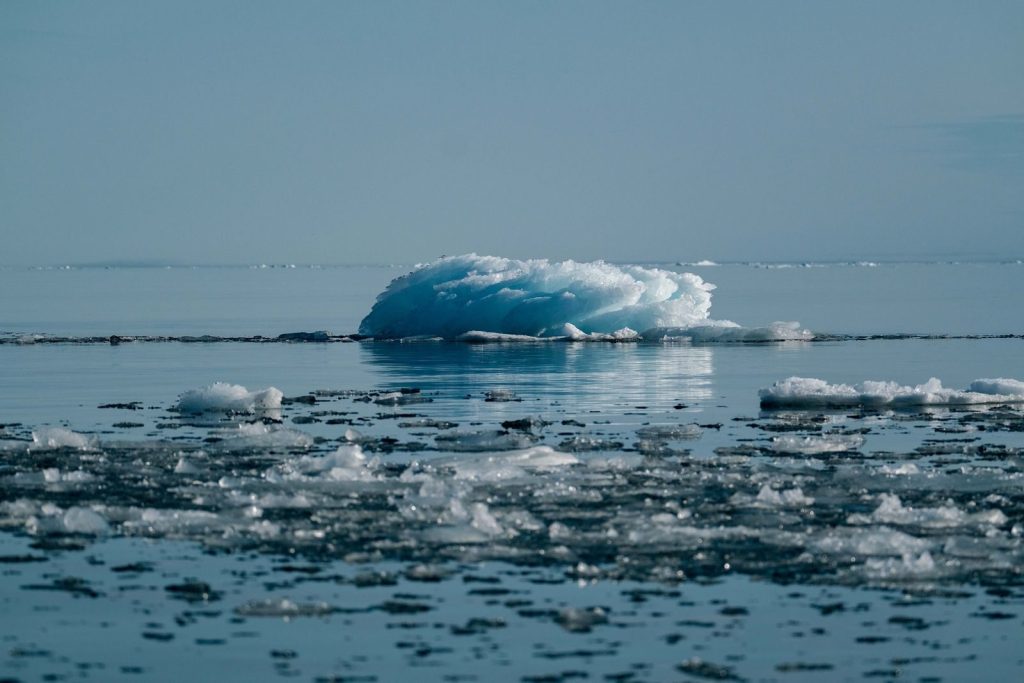
The ice in the video is more than a platform for playful behaviour. Polar bears depend on sea ice to travel, find mates, and hunt seals. Shrinking and changing ice conditions can force bears to swim farther, spend more time on land, or lose access to productive hunting areas.
Featured Image: Photo by Francesco Ungaro on Pexels