
Poisonous animals carry toxins that harm another animal when touched, bitten, or eaten. Venomous animals deliberately inject toxins through structures such as fangs or stingers.
This article focuses on animals whose bodies, skin, feathers, or organs contain defensive poison. Toxicity varies between individuals, populations, diets, and life stages, so no simple ranking covers them all.
Golden Poison Frog

The golden poison frog of Colombia carries batrachotoxin in its skin in the wild. The toxin disrupts normal electrical signalling in nerves and muscles. Its bright coloration warns predators that touching or eating it may be dangerous. Frogs raised on captive diets generally lack the powerful toxicity found in wild individuals.
Pufferfish

Some pufferfish organs and tissues contain tetrodotoxin, which blocks nerve signals and can cause paralysis and respiratory failure when eaten. Cooking and freezing do not reliably destroy it. Toxin levels vary by species and body part, which is why pufferfish food products are tightly restricted or regulated in several countries.
Rough-Skinned Newt

The rough-skinned newt stores tetrodotoxin in its skin. The poison discourages predators and can be extremely dangerous when the newt is swallowed. Some garter snake populations have evolved resistance, creating an evolutionary competition in which newt toxicity and snake resistance can become especially strong in the same locations.
Hooded Pitohui
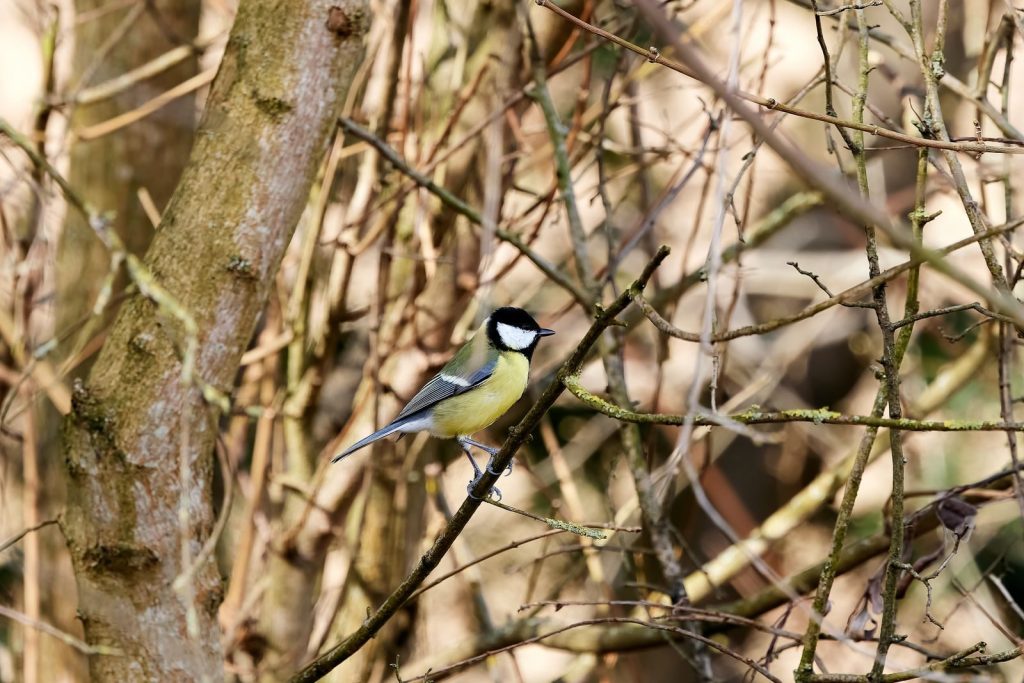
The hooded pitohui of New Guinea is one of the best-known poisonous birds. Batrachotoxin-related compounds occur in its skin and feathers, apparently providing a chemical defence against predators and parasites. Researchers believe the bird obtains these toxins through its diet rather than manufacturing them entirely within its own body.
Blue-Capped Ifrita
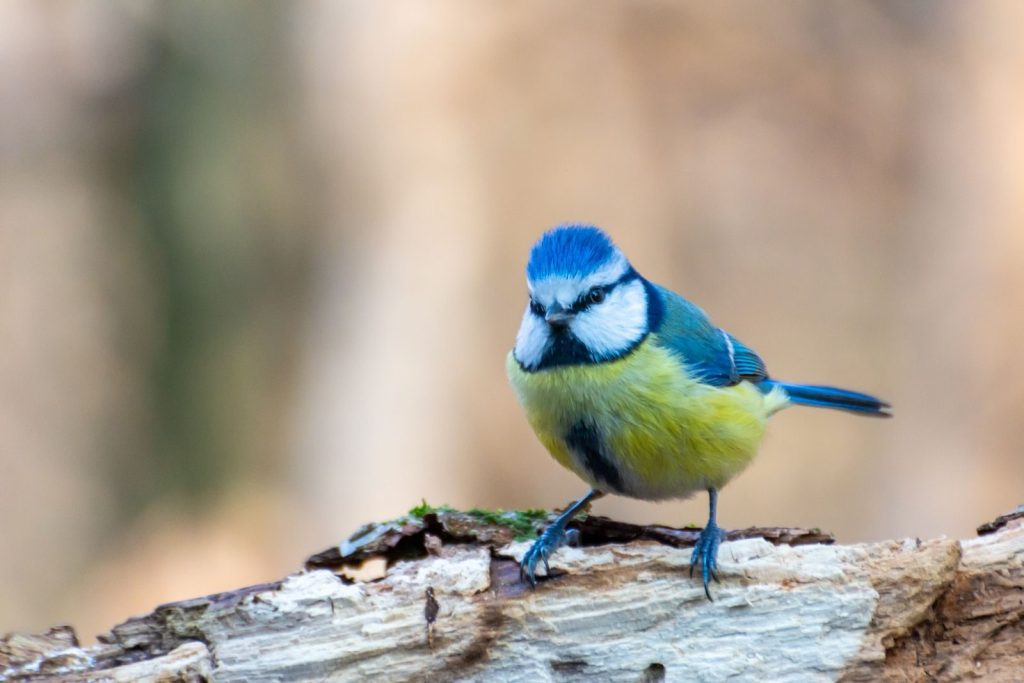
The blue-capped ifrita is another toxic bird from New Guinea. Studies have detected batrachotoxin alkaloids in its feathers and tissues. Toxin levels vary among locations, supporting the idea that the birds obtain the chemicals from certain foods. Local knowledge had identified the bird as bitter or toxic before laboratory studies confirmed the compounds.
Monarch Butterfly
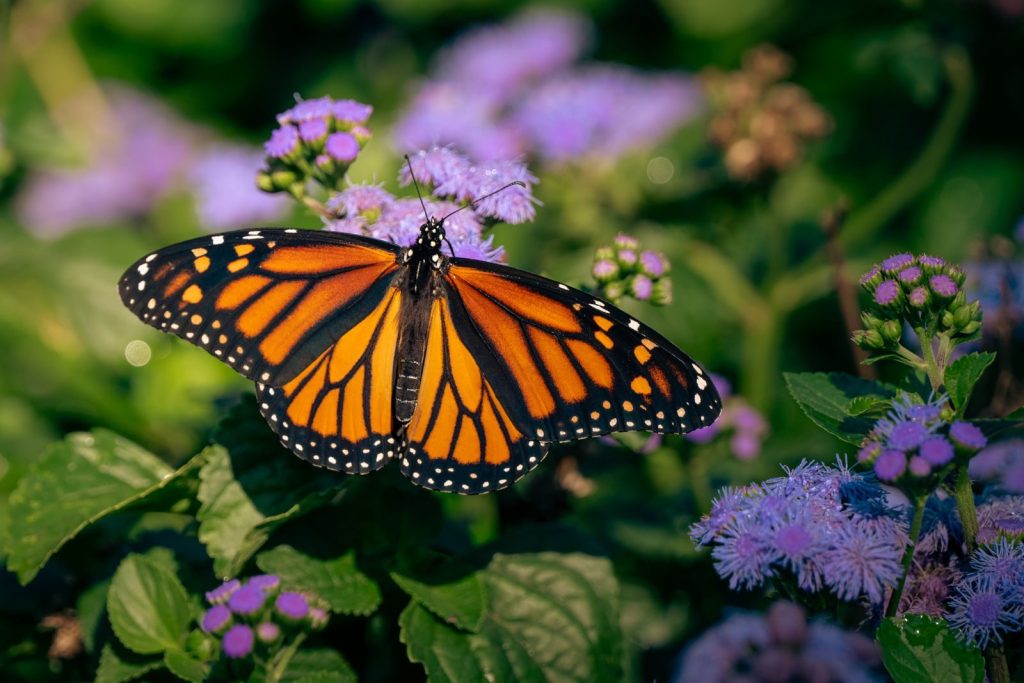
Monarch caterpillars eat milkweed plants containing cardiac glycosides. The insects retain some of these chemicals through metamorphosis, making both caterpillars and adult butterflies unpleasant or toxic to many predators. Their orange-and-black wing pattern acts as a visible warning that an attempted meal may cause sickness.
Cane Toad

Cane toads have large poison glands behind their heads. When threatened, these glands release a mixture of defensive toxins capable of harming predators, pets, and people exposed through the mouth or eyes. Their chemical defence has contributed to the deaths of native predators in Australia, where cane toads are an invasive species.
Tiger Keelback

The tiger keelback is unusual because it can be both venomous and poisonous. It possesses rear fangs associated with venom and separate glands along its neck that store defensive toxins obtained from eating poisonous toads. Chemically defended mothers can also transfer some of these compounds to their developing young.
Featured Image: Photo by Sharath G. on Pexels


