Skip to content

Recent Posts

  • How to Respond During Dangerous Animal Encounters
  • How Care Builds Trust Between Animals and People
  • 8 Dinosaur Features Seen in Animals Today
  • 8 Jungle Animals That Can Seriously Harm People
  • Seven Giant Snakes and Their Verified Size Records

Most Used Categories

  • Nature & Wildlife (710)
  • Risk (61)
  • Human Interest (37)
  • Exotic Animals (22)
  • Survival (19)
  • Hunting (19)
  • Bees/Swarms fear (14)
  • Suspense (10)
  • Adventure (3)
  • Gears (2)
Skip to content
  • About Us
  • Contact Us
  • Disclaimer
  • Privacy Policy
  • Terms & Conditions

Hive Hunters Tales

  • Suspense
  • Nature & Wildlife
  • Human Interest
  • Hunting
  • Bees/Swarms fear
  • Exotic Animals
  • Risk
  • Survival
  • Adventure
  • Gears
  • Home
  • Nature & Wildlife
  • 8 Dinosaur Features Seen in Animals Today
Vivid feathered dinosaur model against a dark backdrop, showcasing texture and colors.

8 Dinosaur Features Seen in Animals Today

JakeAugust 6, 2026August 6, 2026

Dinosaurs did not disappear completely. Birds evolved from small feathered theropod dinosaurs, meaning every living bird belongs to the dinosaur family tree.

Crocodilians are close dinosaur relatives rather than living dinosaurs. The clearest surviving dinosaur features are therefore found in chickens, eagles, ostriches, penguins, and thousands of other modern bird species.

Feathers
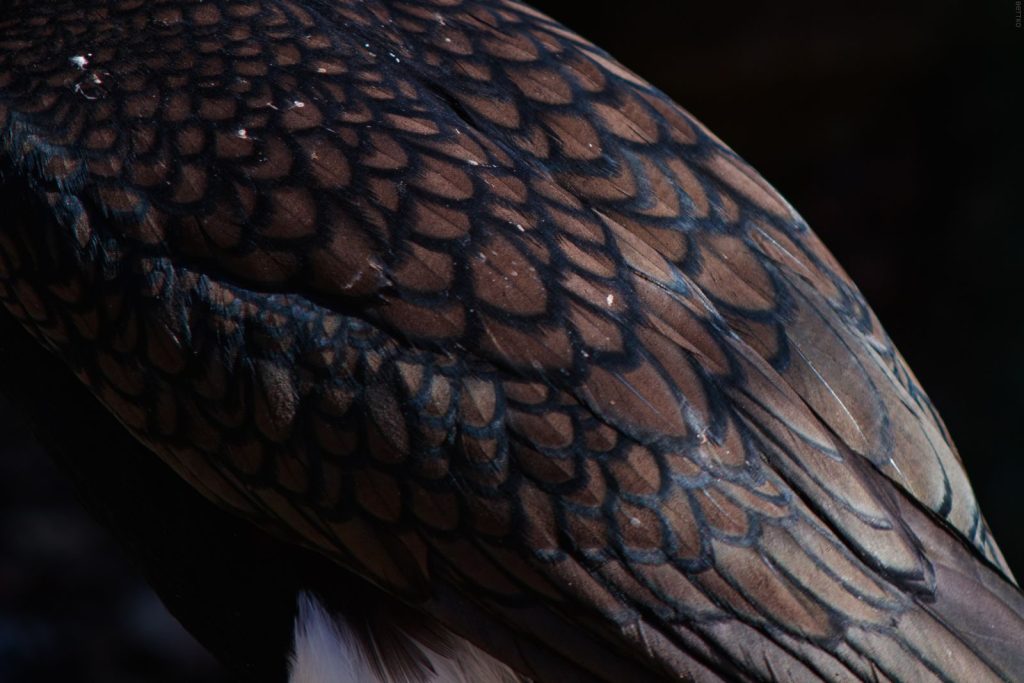
Detailed close-up of great cormorant wing showing intricate feather pattern and textures.
Photo by С Бу on Pexels

Feathers evolved among dinosaurs before the appearance of modern birds. Fossils show simple fuzzy coverings as well as complex flight feathers. They probably first served insulation, display, camouflage, or egg protection before some dinosaur lineages adapted them for powered flight.

Wishbones

Detailed view of a bird skeleton on display in a science museum exhibit.
Photo by Diana ✨ on Pexels

The wishbone, or furcula, is formed from two fused collarbones. It acts like a spring during bird flight, but fossil wishbones have also been found in non-avian theropod dinosaurs, including relatives of Tyrannosaurus rex. Its presence helped establish the close connection between birds and dinosaurs.

Hollow Bones
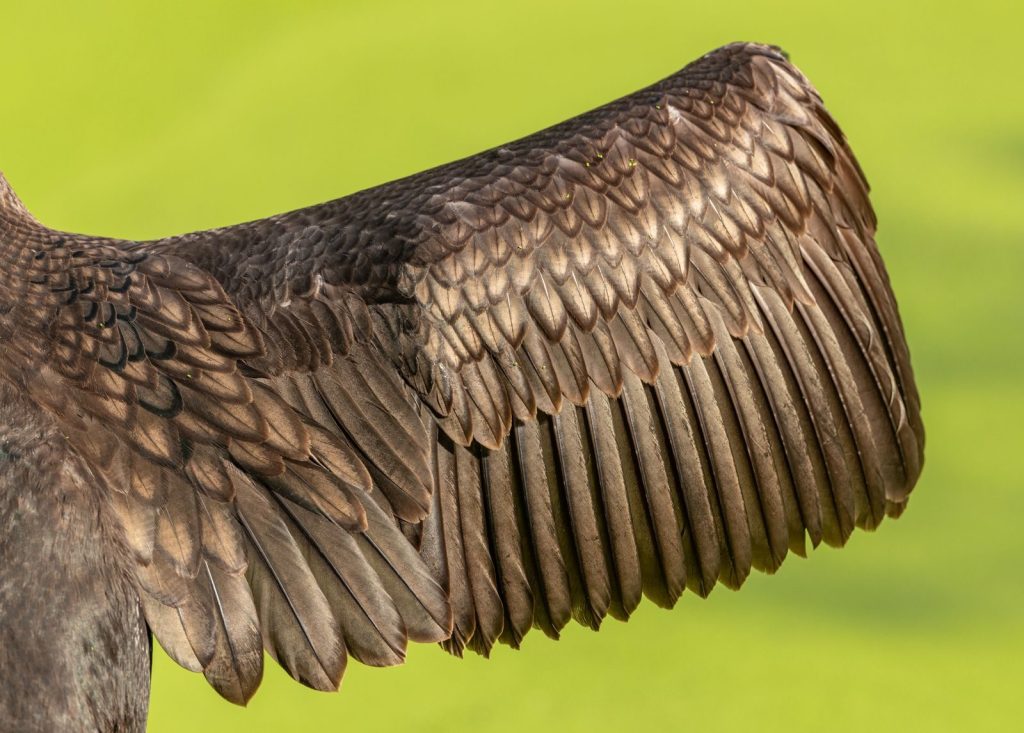
Close-up of a bird's wing showcasing detailed feathers against a blurred green background.
Photo by Petr Ganaj on Pexels

Many theropod dinosaurs had hollow, air-filled bones similar to those of birds. Hollow bones reduce weight without necessarily making the skeleton weak. The feature appeared before flight and was connected to a complex respiratory system that later helped birds meet the high energy demands of flying.

Air-Sac Breathing
breath, lungs, respiratory, respiratory system, organ, health, medical, diagram, covid-19, coronavirus, infection, bloodstream, illness, disease, bacteria, virus, icon, lungs, lungs, lungs, lungs, respiratory, respiratory, respiratory, respiratory, respiratory system, respiratory system, respiratory system, respiratory system, respiratory system
Photo by HtcHnm on Pixabay

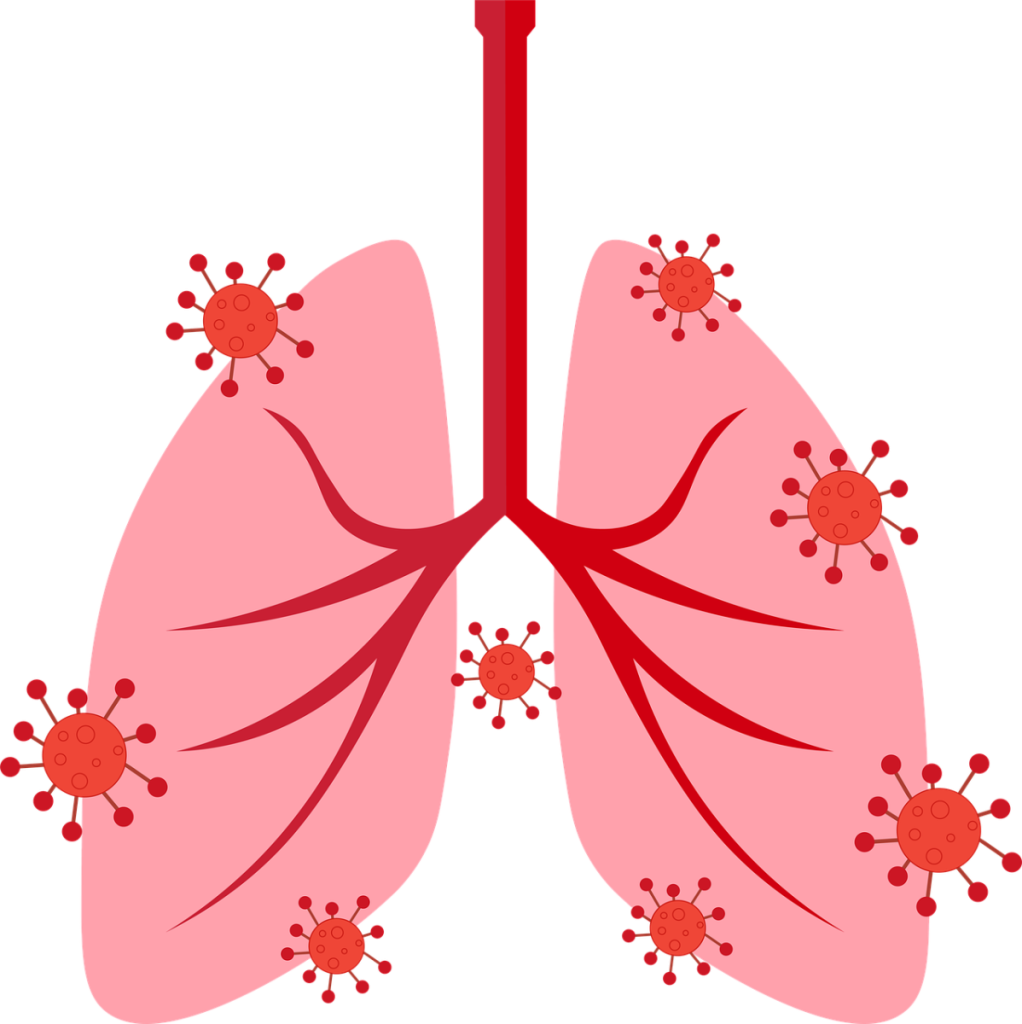
Bird lungs are connected to air sacs that move air through the respiratory system efficiently. Fossil evidence indicates that many dinosaurs possessed similar air spaces in their vertebrae and other bones. This suggests that bird-like breathing systems were already developing among dinosaur ancestors.

Three-Toed Feet

Detailed close-up of a bird's yellow webbed feet standing on a stone surface, showcasing texture.
Photo by Theefotografyam on Pexels

Many theropod dinosaurs walked on three main forward-pointing toes. The same basic arrangement remains visible in birds ranging from chickens to ostriches. Bird legs have changed greatly through evolution, but their bones and joints preserve clear evidence of their dinosaur ancestry.

Flexible Wrists

Vibrant scarlet ibis spreading wings in an outdoor aviary setting.
Photo by Жанна Алимкулова on Pexels

Small theropod dinosaurs developed wrists that could fold their hands inward. In birds, a related joint movement allows the wings to fold neatly beside the body. Fossil wrist bones helped scientists understand how grasping dinosaur forelimbs gradually developed into wings.

Eggs and Nests
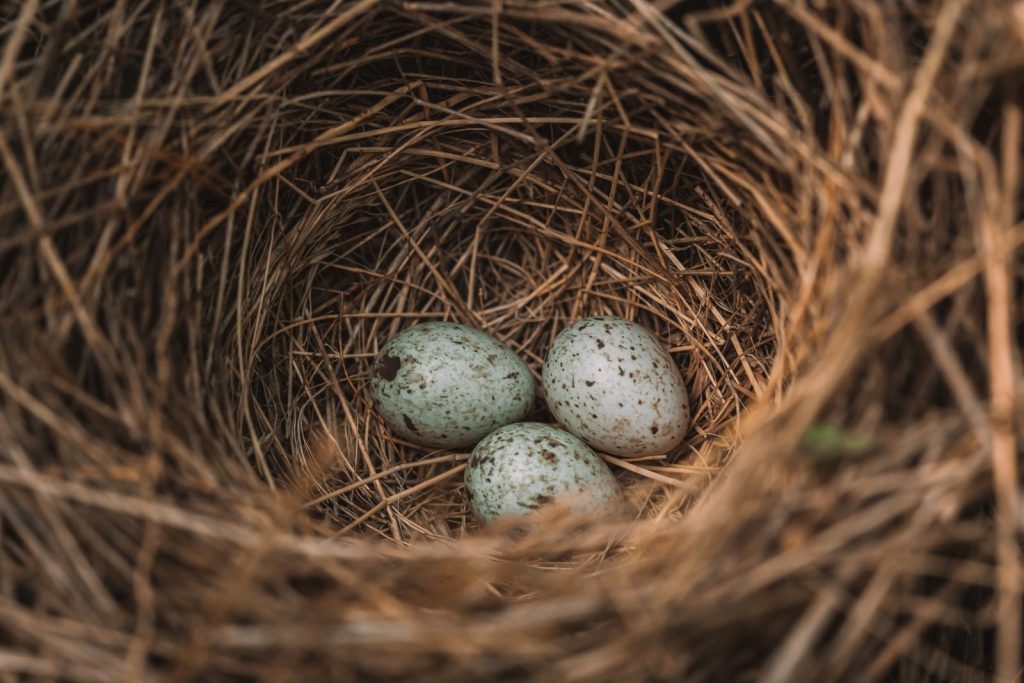
Focused shot of a bird nest containing three speckled eggs among dried twigs.
Photo by Alvin Sadewo on Pexels

Dinosaurs laid hard-shelled eggs and constructed nests, just as birds do today. Fossil nests reveal carefully arranged eggs, nesting colonies, and repeated use of breeding areas. Some dinosaur eggs also contained embryos preserved well enough for scientists to examine their growth and development.

Brooding and Sleeping
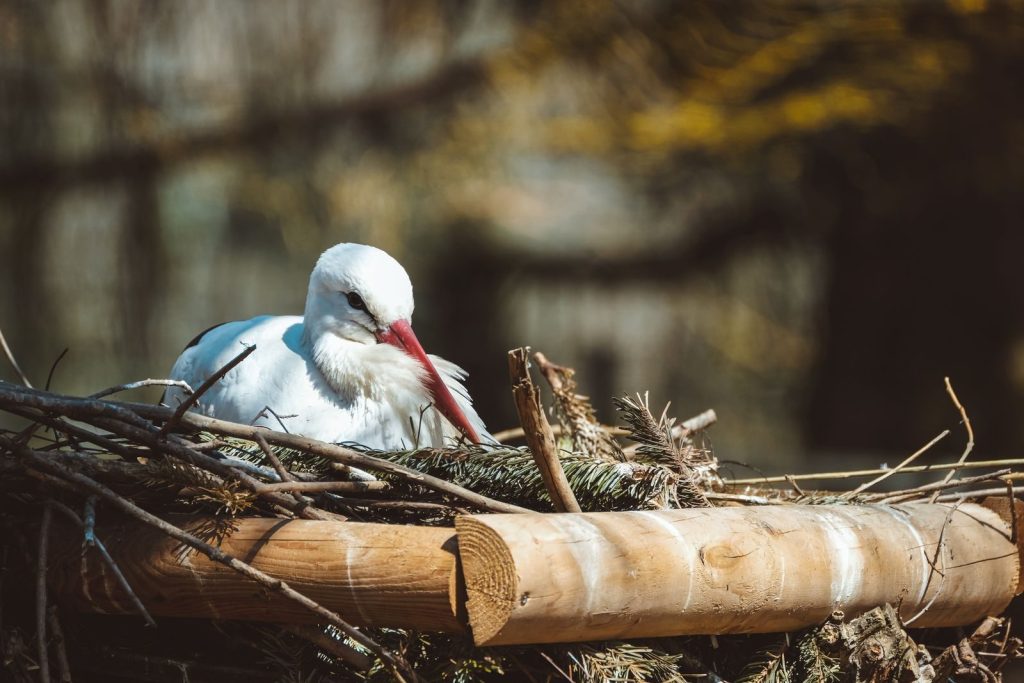
A white stork resting in its nest with a blurred natural background, showcasing wildlife.
Photo by Nicky Pe on Pexels

Fossils show some feathered dinosaurs sitting over their nests with limbs spread around the eggs, closely resembling brooding birds. Other specimens were preserved sleeping with the head tucked beneath an arm. These postures demonstrate that several familiar bird behaviours began before modern birds appeared.

Featured Image: Photo by Jaqor Q.I. on Pexels
Post navigation

Previous: 8 Jungle Animals That Can Seriously Harm People
Next: How Care Builds Trust Between Animals and People

Related Posts

Close-up of an African spurred tortoise foraging on the ground in Thailand.

8 of the Oldest Animals Ever Documented

August 6, 2026August 5, 2026 Jake
A close-up of a musk ox grazing in the lush green wilderness of Hjerkinn, Norway.

8 Animals With Extraordinary Physical Power

August 6, 2026August 5, 2026 Jake
A large hippopotamus yawning in an outdoor zoo setting in Werribee South, Australia.

9 of the Loudest Animals Ever Measured

August 6, 2026August 5, 2026 Jake

Leave a Reply Cancel reply

Your email address will not be published. Required fields are marked *

Recent Posts

  • How to Respond During Dangerous Animal Encounters
  • How Care Builds Trust Between Animals and People
  • 8 Dinosaur Features Seen in Animals Today
  • 8 Jungle Animals That Can Seriously Harm People
  • Seven Giant Snakes and Their Verified Size Records
Copyright All Rights Reserved | Theme: BlockWP by Candid Themes.