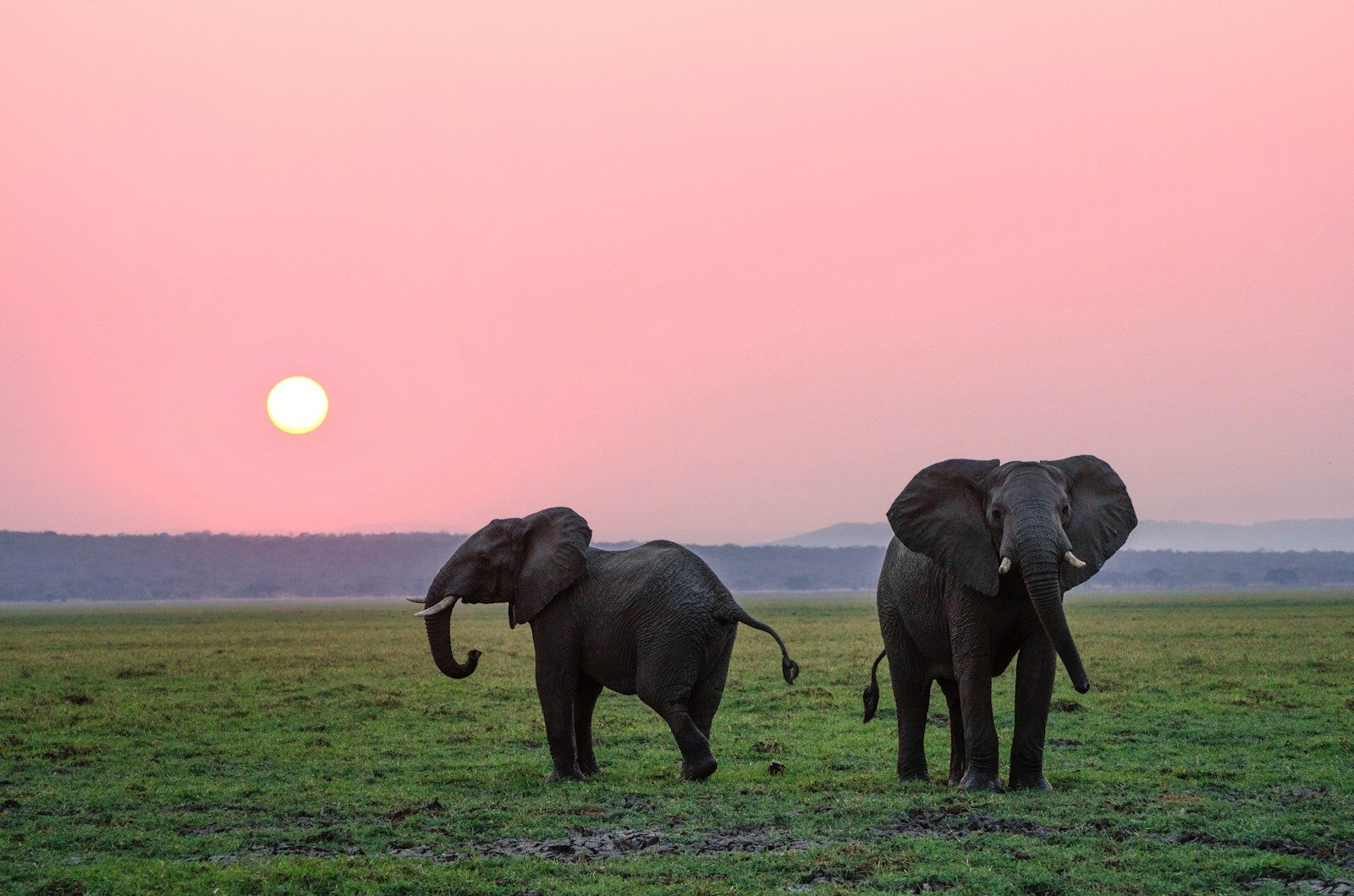
Elephants are famous for their intelligence and size, but one of their most important roles happens quietly behind the scenes, helping entire ecosystems survive and thrive.
Scientists often describe elephants as ecosystem engineers because of the remarkable impact they have on the landscapes they inhabit.
Shaping the Landscape
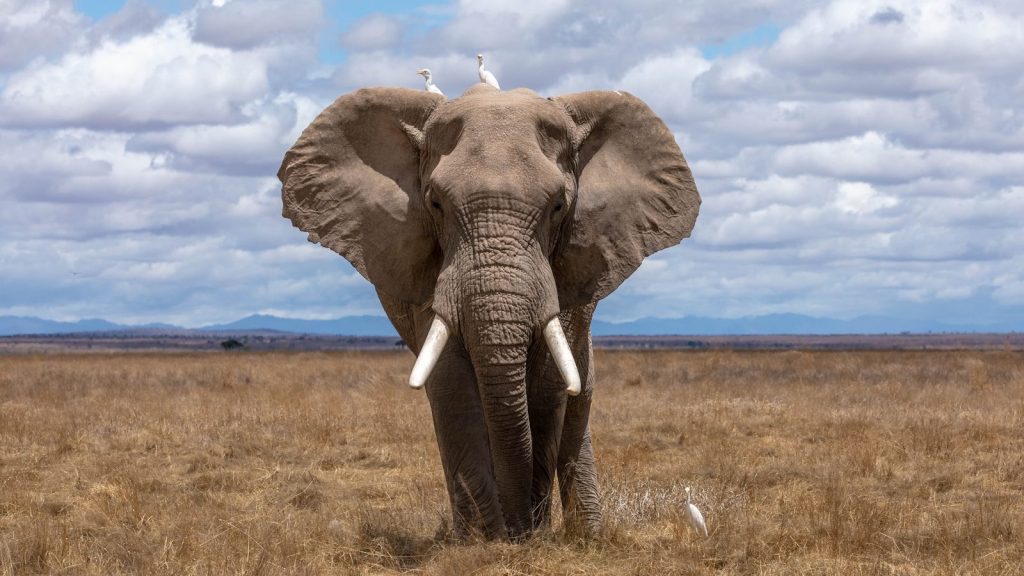
As elephants travel in search of food, they naturally clear vegetation and create pathways through forests and grasslands.
These openings allow sunlight to reach smaller plants and make it easier for other animals to move through dense habitats.
Masters of Seed Dispersal
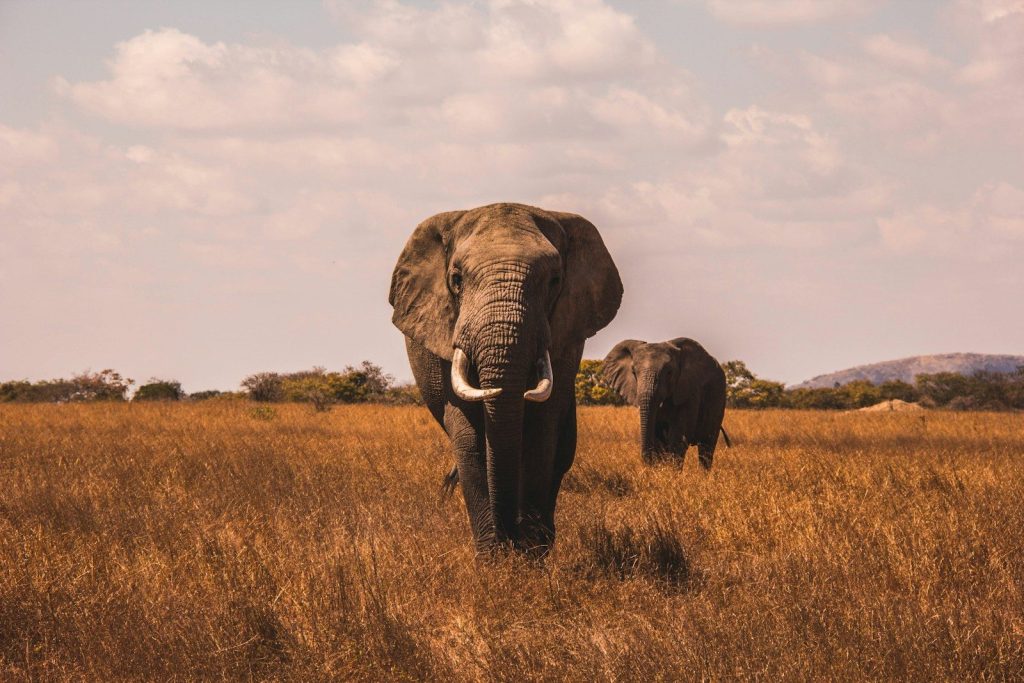
Elephants consume enormous quantities of fruits and vegetation every day.
As they travel long distances, they spread seeds across vast areas, helping forests regenerate and supporting plant diversity.
Creating New Habitats
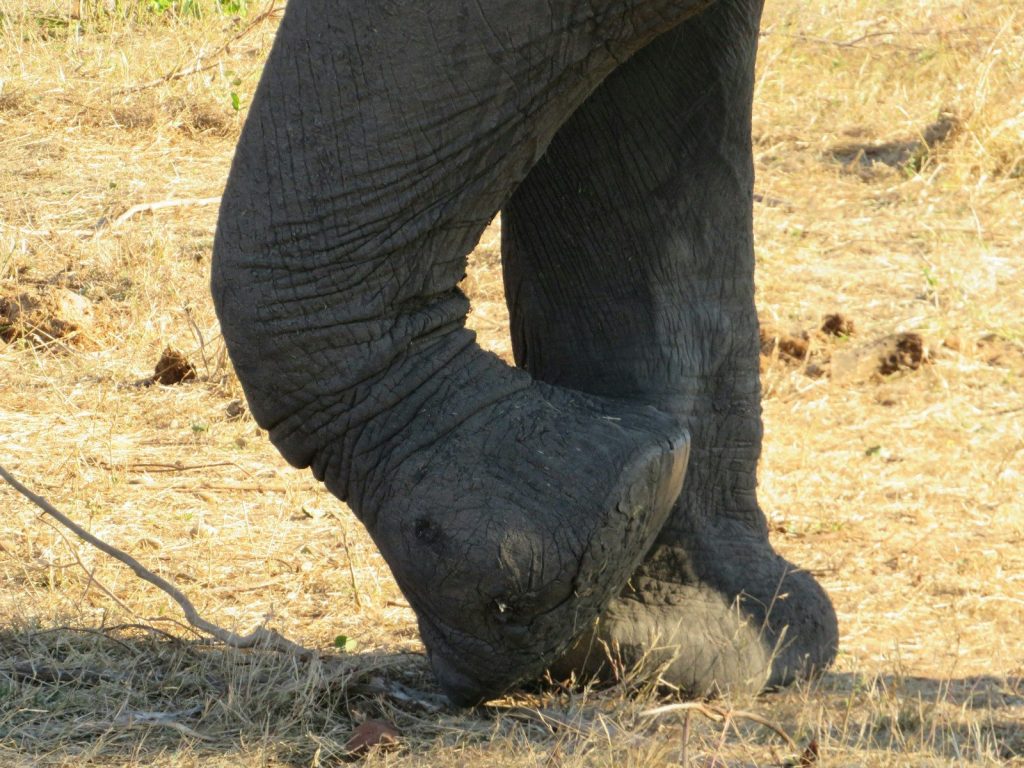
Even an elephant’s footprints can benefit wildlife.
Large footprints often collect rainwater, forming tiny pools that provide shelter and breeding grounds for insects, amphibians, and other small creatures.
Supporting Biodiversity

By altering vegetation and spreading seeds, elephants help create a variety of habitats that support countless species.
Their presence influences entire ecosystems, from plants to predators.
Forests Depend on Them
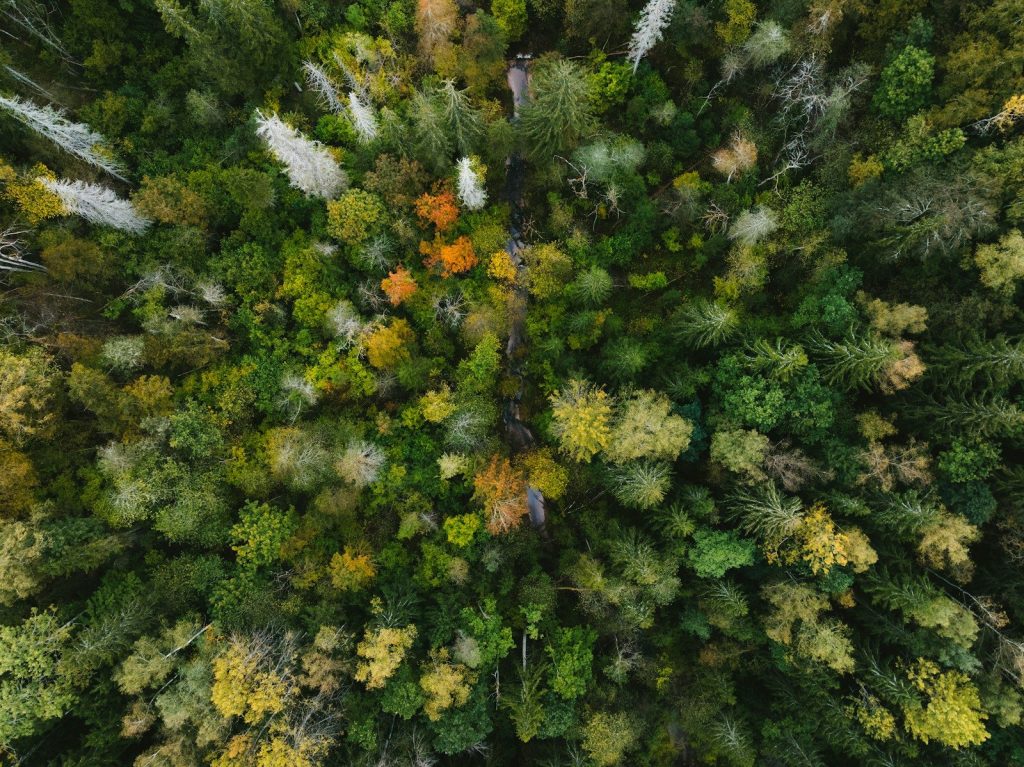
Many tree species rely heavily on large animals like elephants to transport their seeds.
Without these giant gardeners, some plants would struggle to spread and reproduce effectively.
More Than Just a Single Species
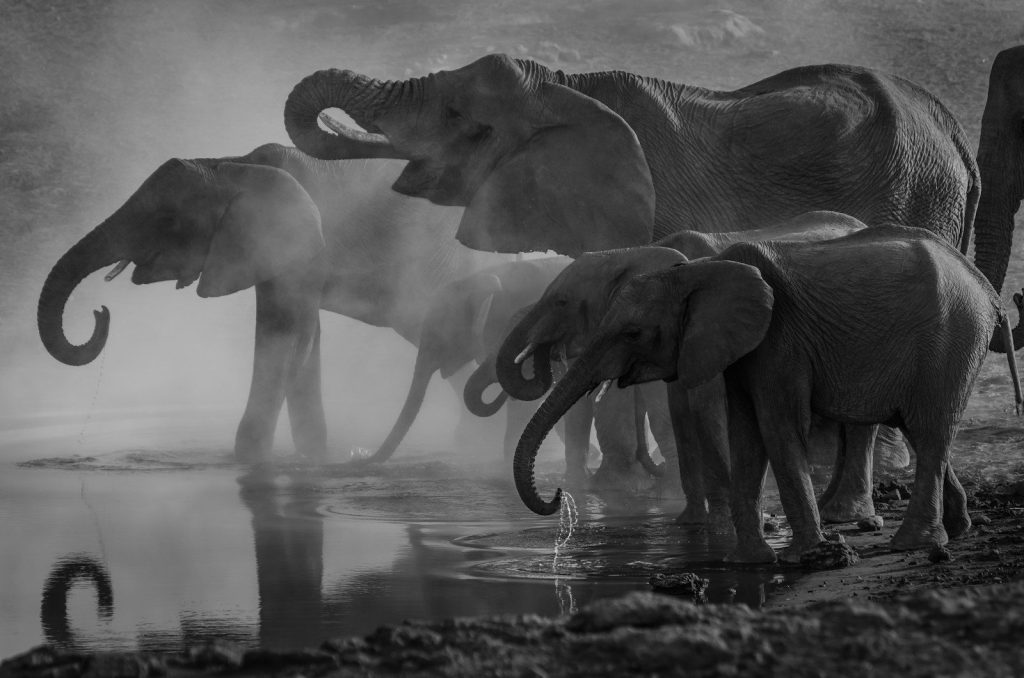
The loss of elephants would affect far more than elephant populations alone.
Scientists warn that many ecosystems could experience significant changes if these important animals disappeared.
Threats to Elephant Survival
Today, elephants face numerous challenges, including habitat loss, poaching, and increasing conflict with humans as development expands into natural areas.
These pressures threaten both elephant populations and the ecosystems that depend on them.