Climate change is often discussed as one of the biggest threats facing wildlife, but scientists say the relationship works both ways. Animals are not only affected by a warming planet—they also play a vital role in keeping Earth’s ecosystems healthy and helping regulate the climate.
A growing number of researchers now believe wildlife should become a bigger part of climate policy. From forests to oceans, animals help ecosystems store carbon, recycle nutrients, and recover from environmental changes in ways that support long-term climate resilience.
Wildlife Is Part of the Climate Solution
More than 300 scientists have endorsed a new Scientific Consensus on Wildlife and Climate, calling for governments to include wildlife in climate planning. They argue that ecosystems cannot function properly without the animals that help maintain them.
Climate discussions often focus on renewable energy and protecting forests or wetlands. However, scientists say those natural habitats work best when the wildlife living within them is also protected.
Animals Help Store More Carbon
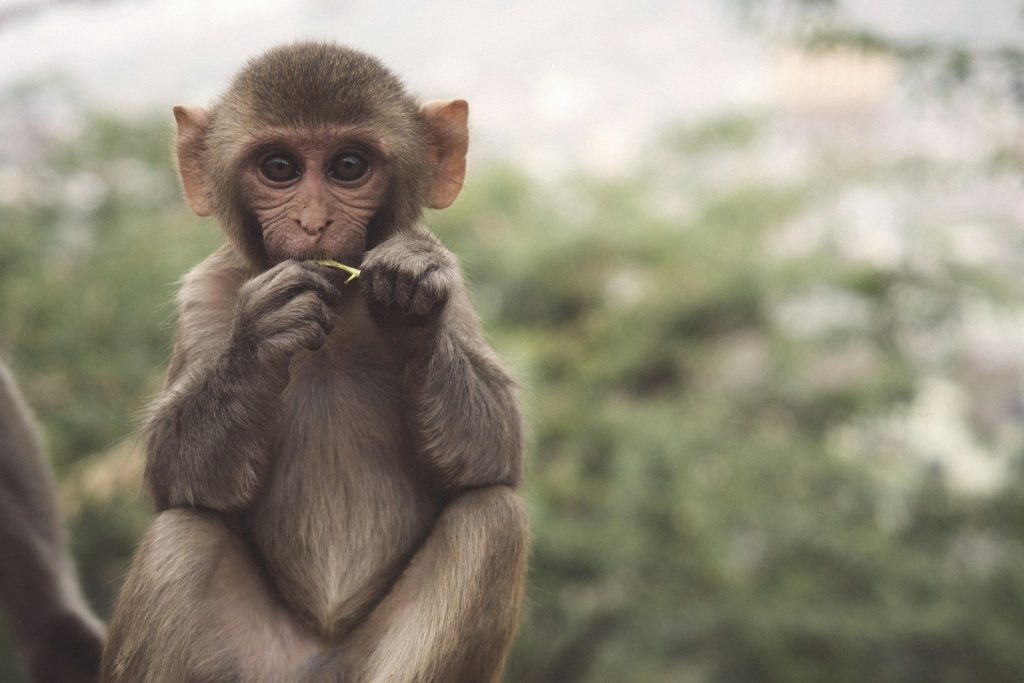
Research published in Nature Climate Change suggests that restoring wild animal populations and their ecological roles could help Earth absorb an additional 6.41 gigatons of carbon dioxide each year. This highlights how wildlife conservation can strengthen natural climate solutions.
Different species contribute in different ways depending on where they live. Their everyday activities support healthy ecosystems that are better able to capture and store carbon over time.
Forest and Grassland Animals Shape Ecosystems
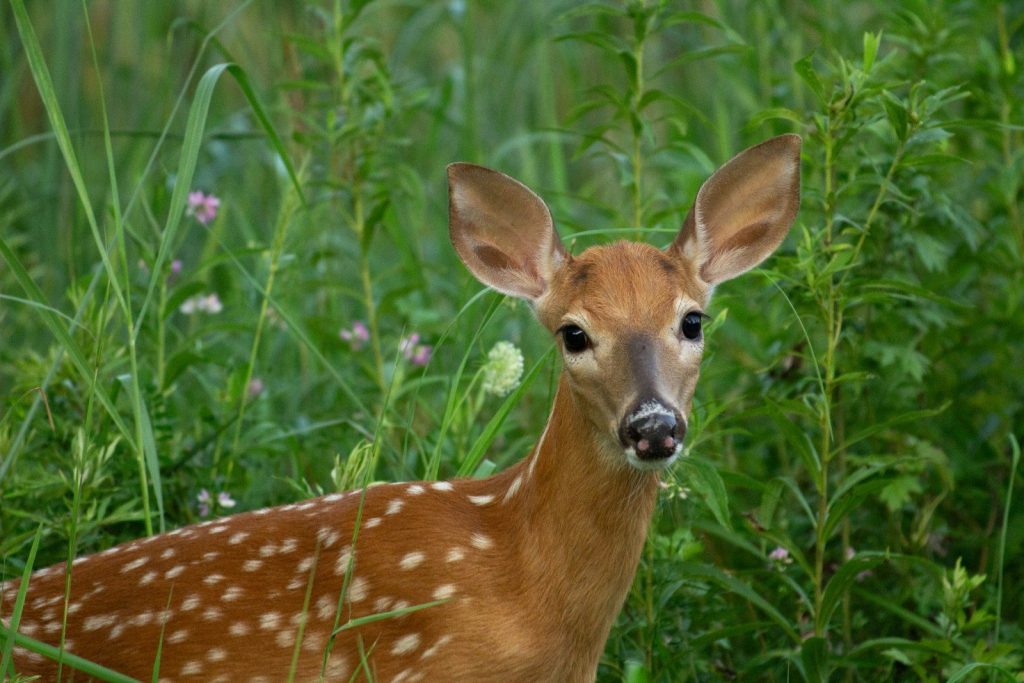
Large animals such as elephants help forests regenerate by spreading seeds across vast areas. This influences where trees grow and supports greater biodiversity, which strengthens the forest’s ability to store carbon.
In grasslands, animals like bison improve plant growth through grazing while also influencing nutrient cycling and even wildfire patterns. Their presence helps maintain healthier and more balanced landscapes.
Ocean Creatures Keep Carbon Moving
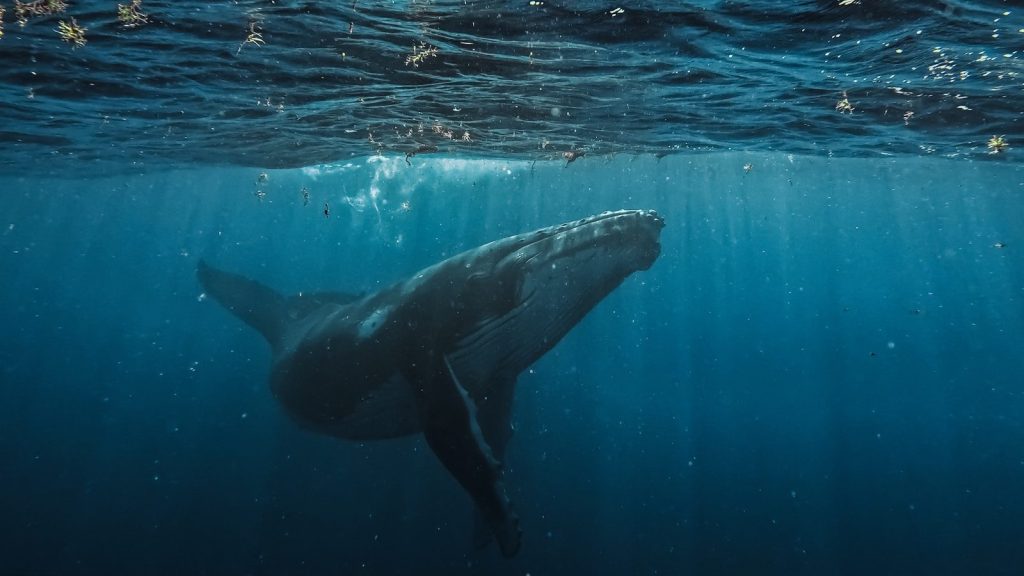
The world’s oceans are the largest natural carbon sink, and marine wildlife plays an important role in keeping this system functioning. Tiny plankton, fish, and massive whales all contribute to moving carbon from surface waters into the deep ocean.
One remarkable process is the daily vertical migration of zooplankton and fish. Every day, billions of marine organisms travel hundreds of meters between deep water and the surface, carrying carbon that can remain stored in the ocean for decades or even thousands of years.
Wildlife Protection Supports Climate Goals
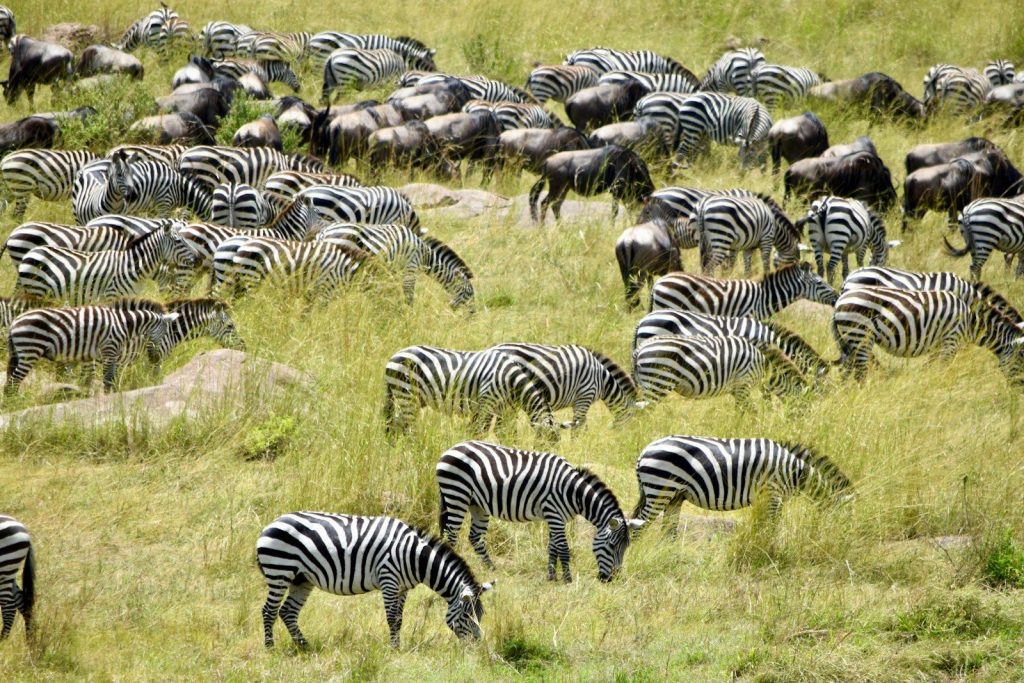
Scientists stress that protecting wildlife is not a replacement for reducing greenhouse gas emissions. Instead, both strategies should work together because healthy ecosystems are more resilient to climate change.
Restoring habitats while conserving animal populations improves biodiversity and strengthens nature’s ability to recover from environmental stress. These benefits make ecosystems more effective at supporting both wildlife and people.