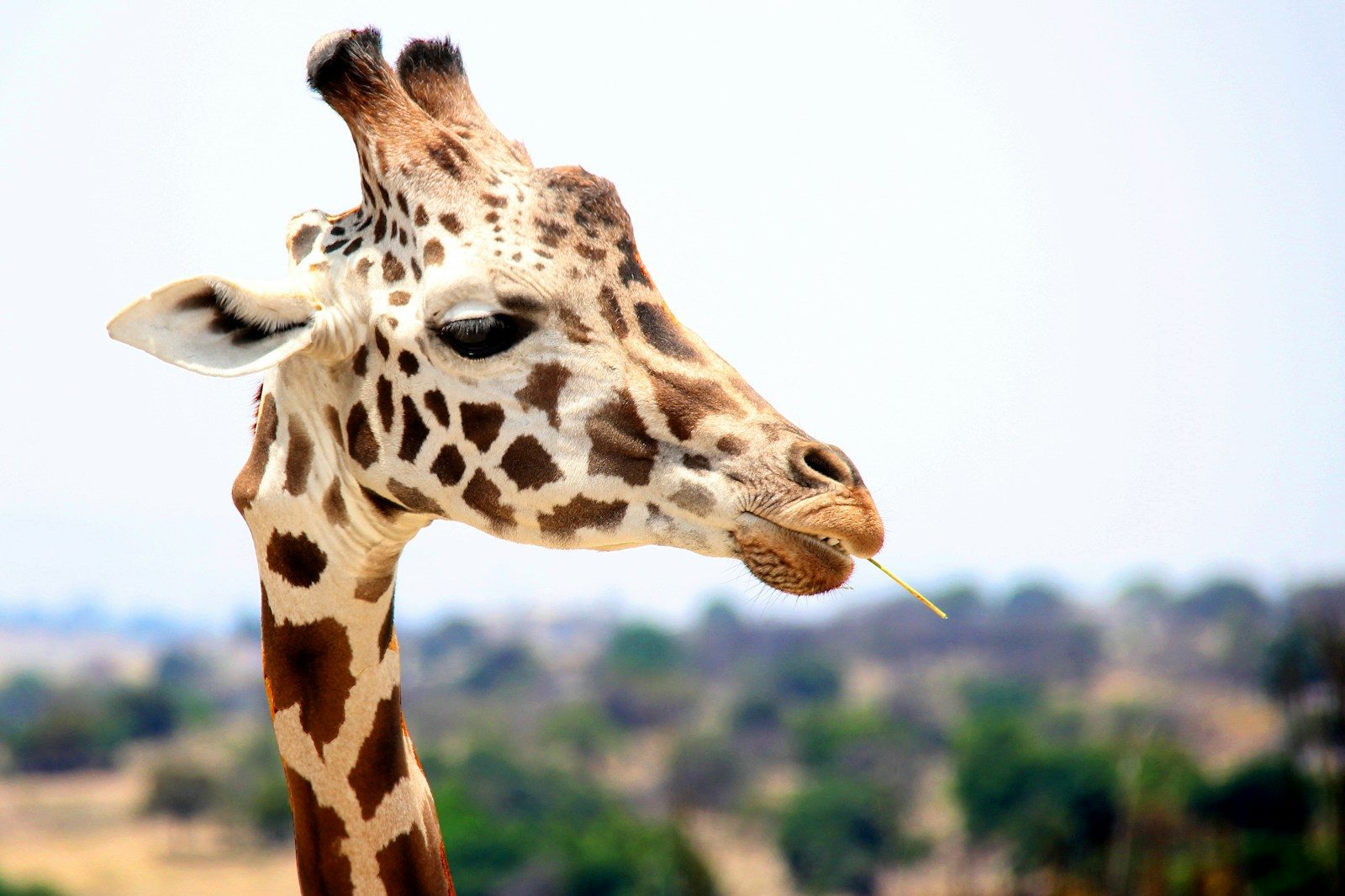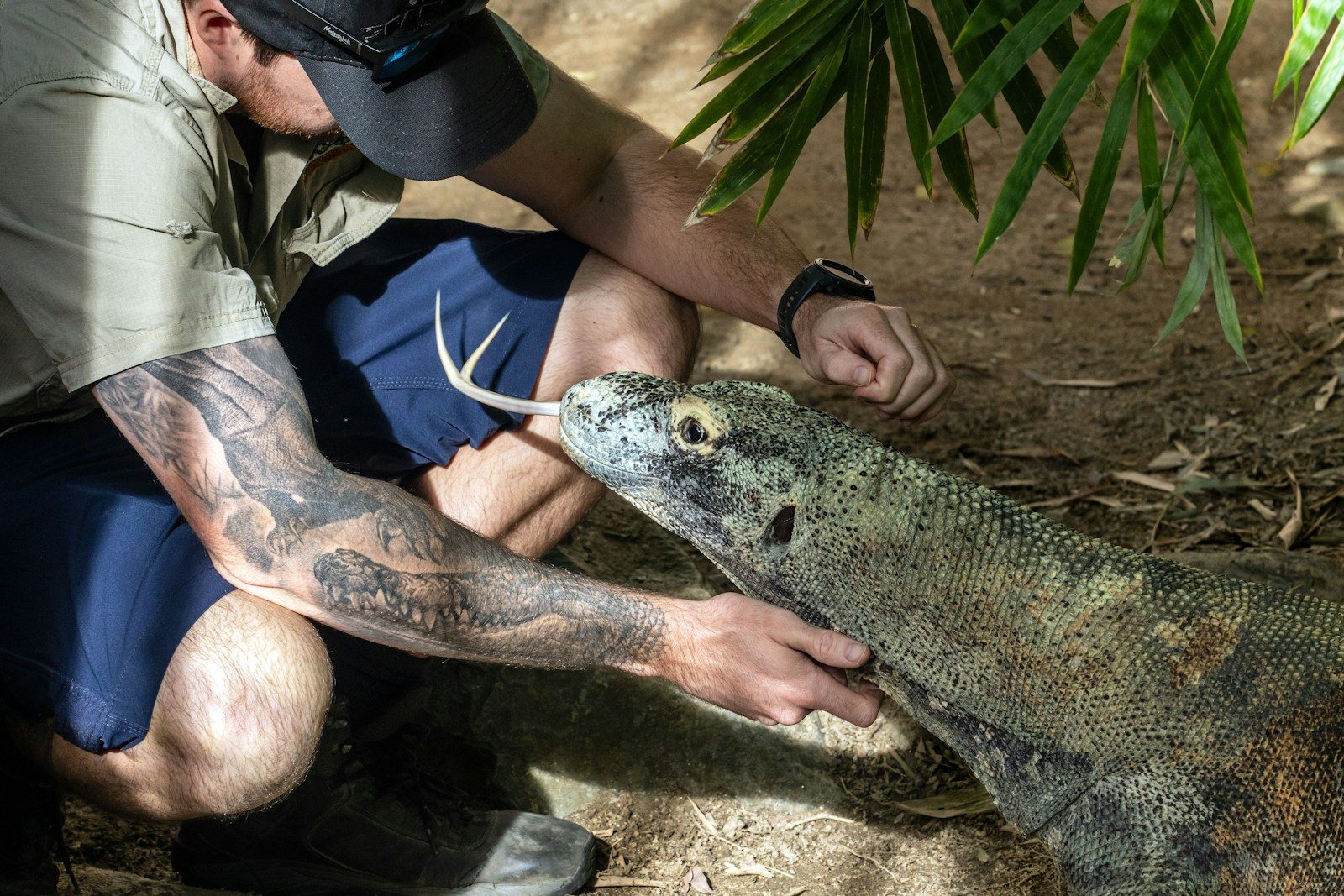
Working with wild animals may seem exciting and rewarding, but behind the scenes it requires dedication, patience, and an enormous amount of responsibility.
Wildlife professionals spend countless hours ensuring animals receive proper care while also supporting conservation and education efforts.
More Than Feeding Animals

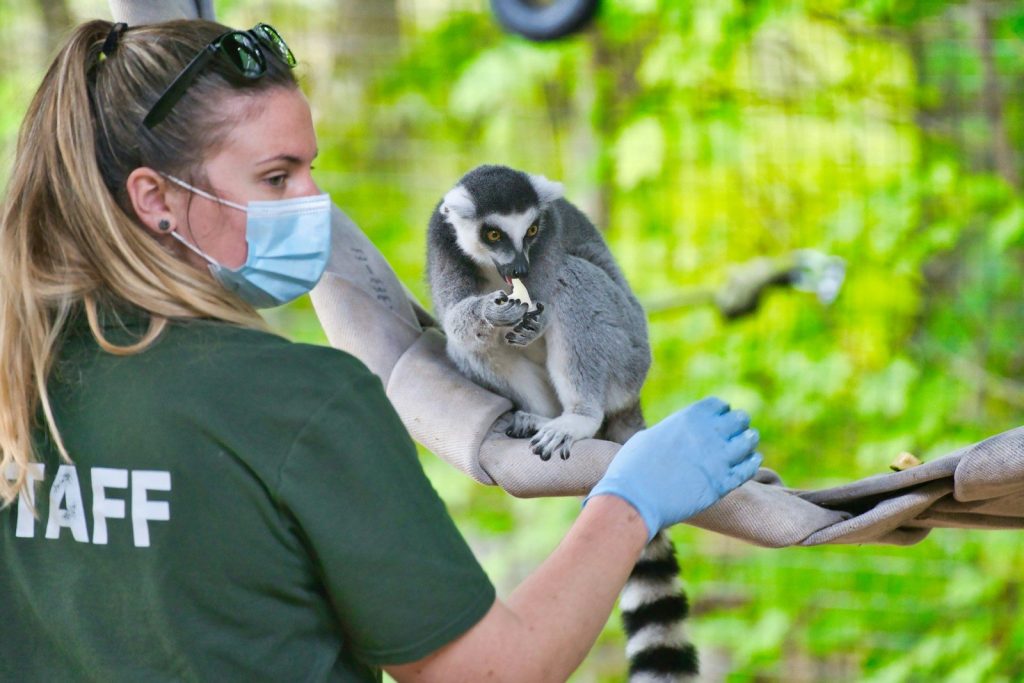
A wildlife caretaker’s day involves far more than simply providing food.
Tasks often include habitat maintenance, health monitoring, enrichment activities, record keeping, and observing animal behavior for signs of illness or stress.
Every Day Brings New Challenges
Animals can be unpredictable, and caretakers must be prepared to handle unexpected situations at any moment.
From medical emergencies to environmental changes, flexibility is an essential part of the job.
Building Trust Takes Time

Many animals arrive from difficult circumstances, including rescues or rehabilitation programs.
Caretakers work patiently to build trust and create environments where animals can feel safe and secure.
Health Comes First
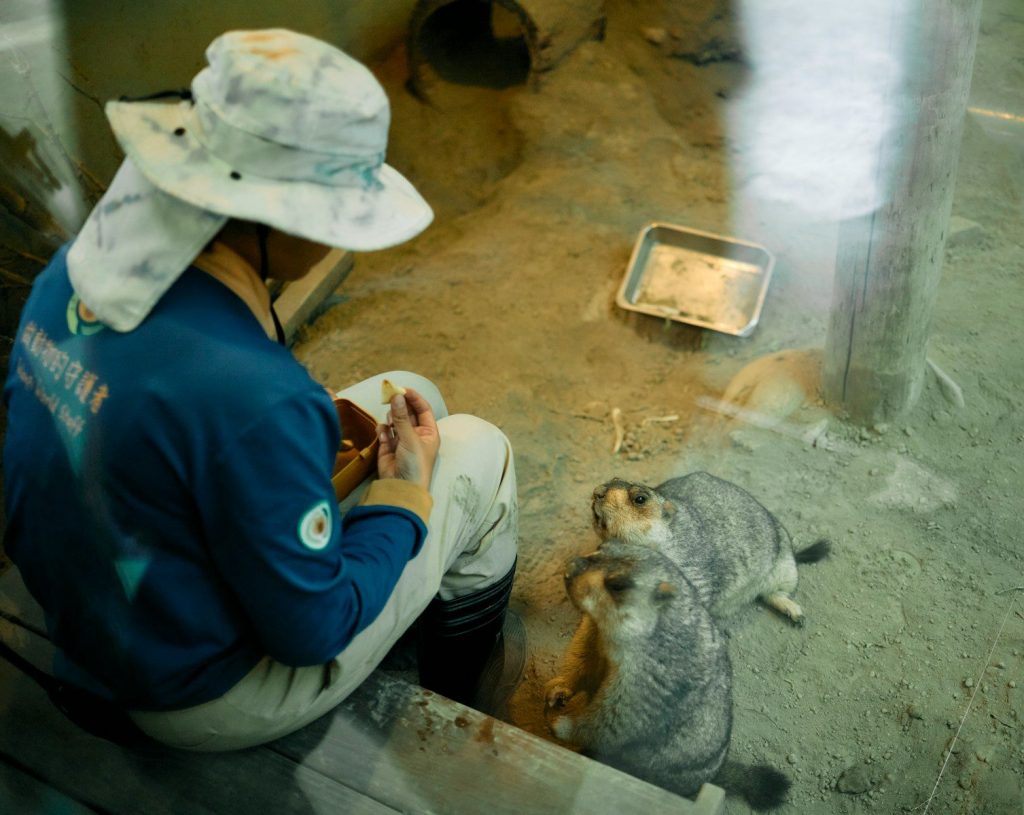
Routine health checks are a major part of wildlife care.
Professionals closely monitor diet, activity levels, and behavior to identify potential problems before they become serious.
Keeping Animals Mentally Stimulated
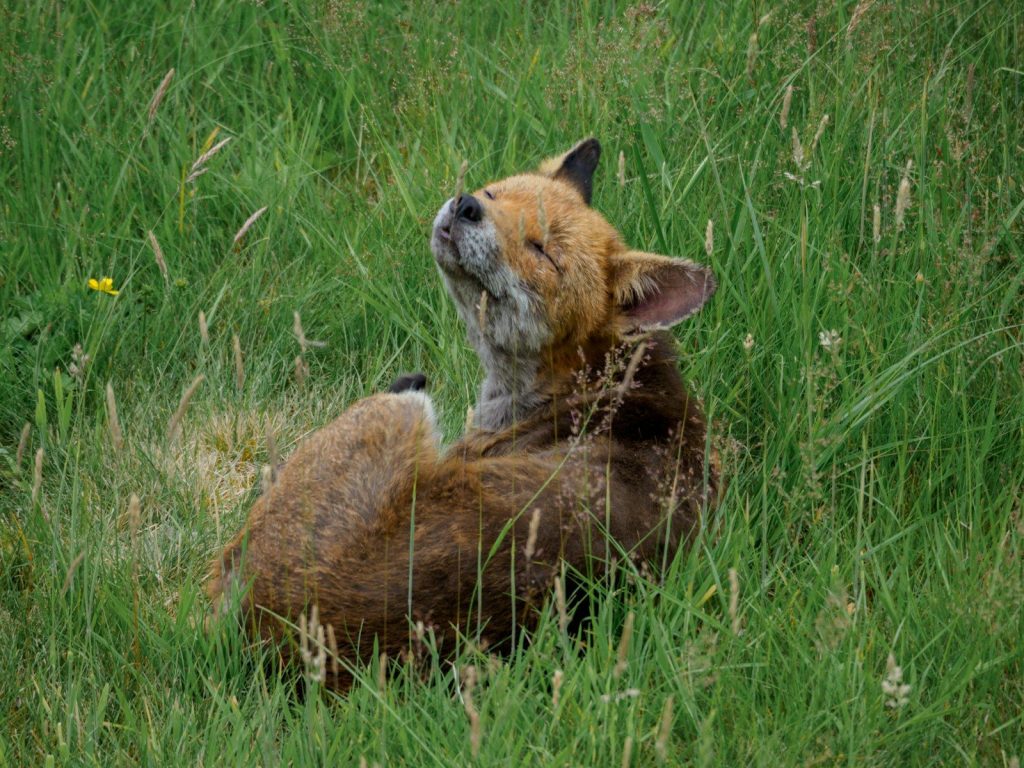
Enrichment programs help animals stay active and engaged.
Puzzles, toys, scent trails, and naturalistic challenges encourage animals to use their instincts and maintain healthy behaviors.
Conservation Beyond the Exhibit
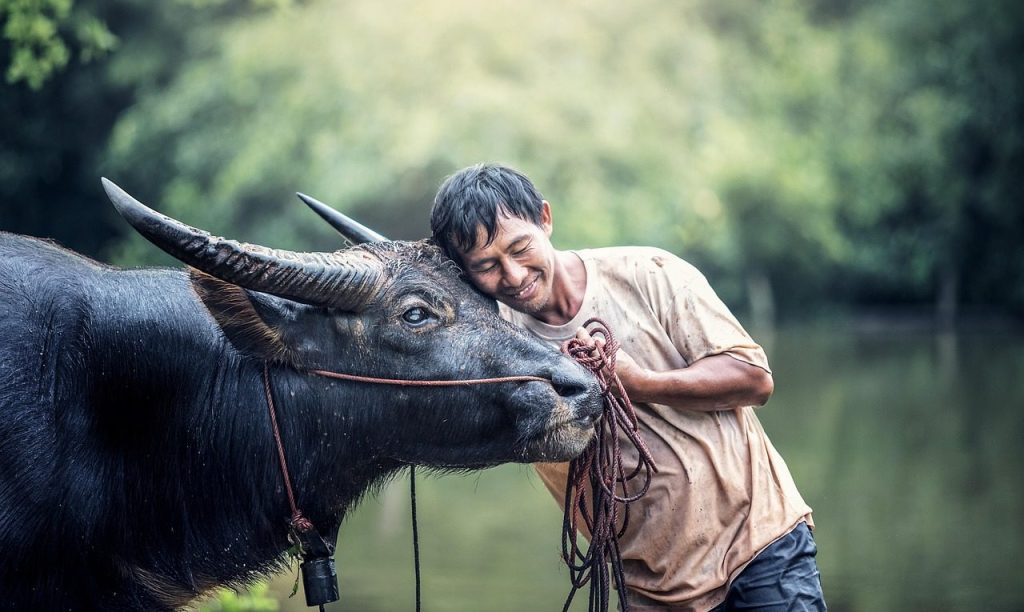
Many wildlife facilities also contribute to conservation research, rescue efforts, and public education.
Their work helps increase awareness about endangered species and habitat protection.