From mayflies that survive for only a day to giant tortoises that can live for well over a century, the animal kingdom displays an astonishing range of lifespans. There isn’t a single factor that determines how long an animal lives. Instead, lifespan is shaped by a combination of genetics, body size, environment, diet, and evolutionary adaptations that have developed over millions of years.
Body Size Often Plays a Role
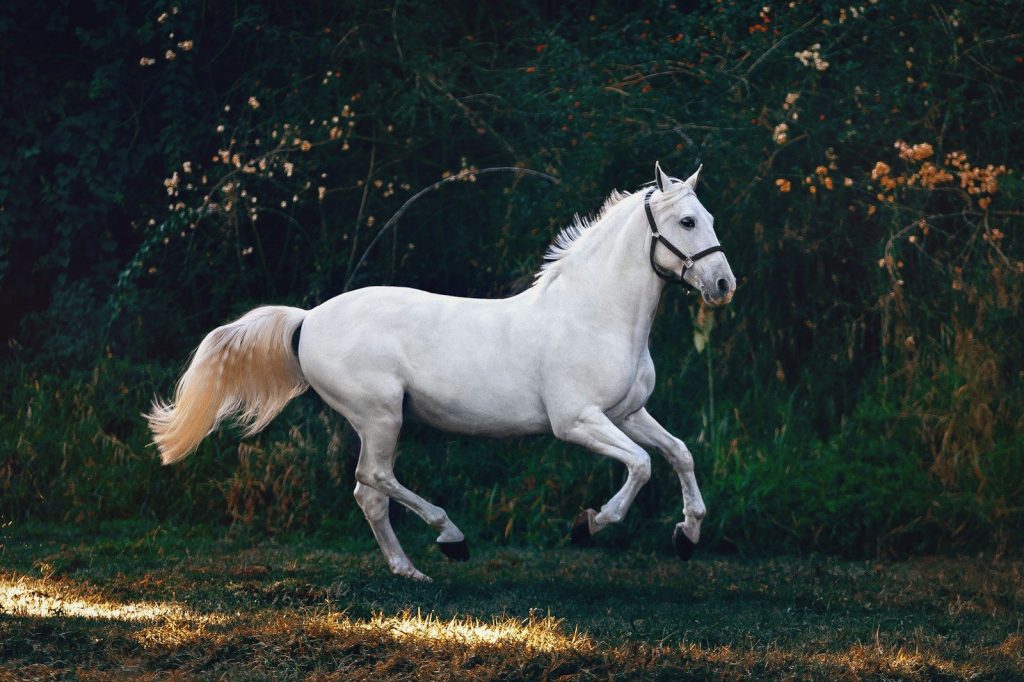
In general, larger animals tend to live longer than smaller ones. Elephants, whales, and horses typically outlive mice, hamsters, and shrews because they grow more slowly and often have lower metabolic rates.
However, there are exceptions. Some small animals, such as certain bat species, can live for decades despite their size, showing that body size is only one piece of the puzzle.
Metabolism Affects Aging
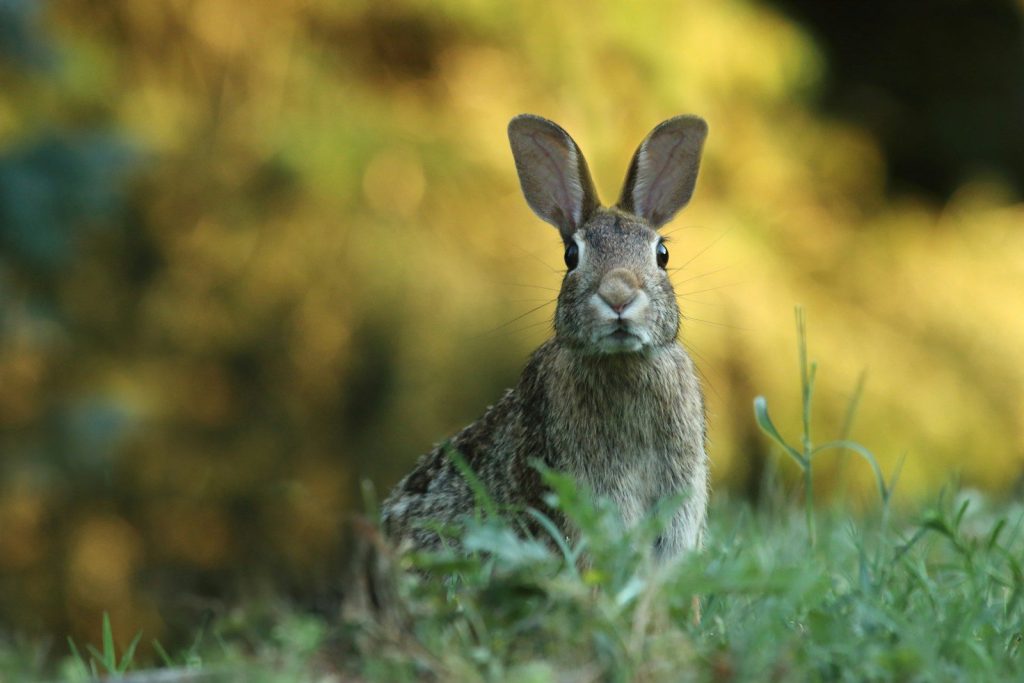
Animals with fast metabolisms usually burn energy more quickly, which can lead to faster aging. Small mammals and many insects have rapid heartbeats and high energy demands, often resulting in shorter lifespans.
Larger animals generally use energy more slowly, allowing their bodies to repair cells more efficiently over time. This difference helps explain why some species age much more gradually than others.
Predators Influence Life Expectancy
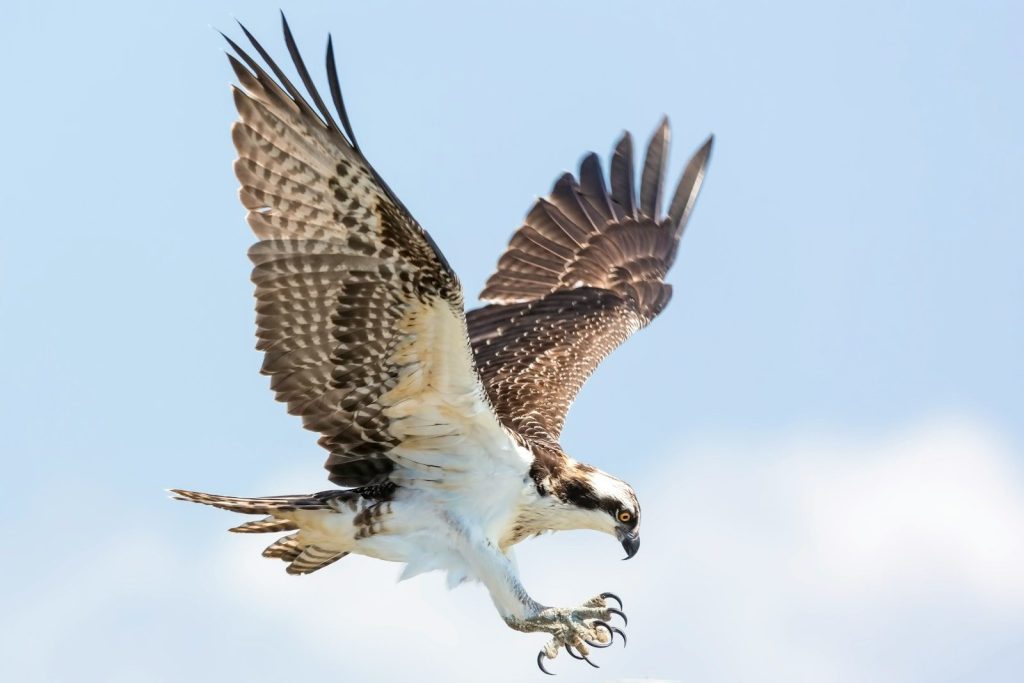
Animals that face constant threats from predators often evolve to mature quickly and reproduce at an early age. Since survival isn’t guaranteed, passing on genes becomes the priority rather than living a long life.
Species with fewer natural predators, such as whales or large birds of prey, often have the opportunity to live much longer and reproduce over many years.
Genetics Shape Longevity
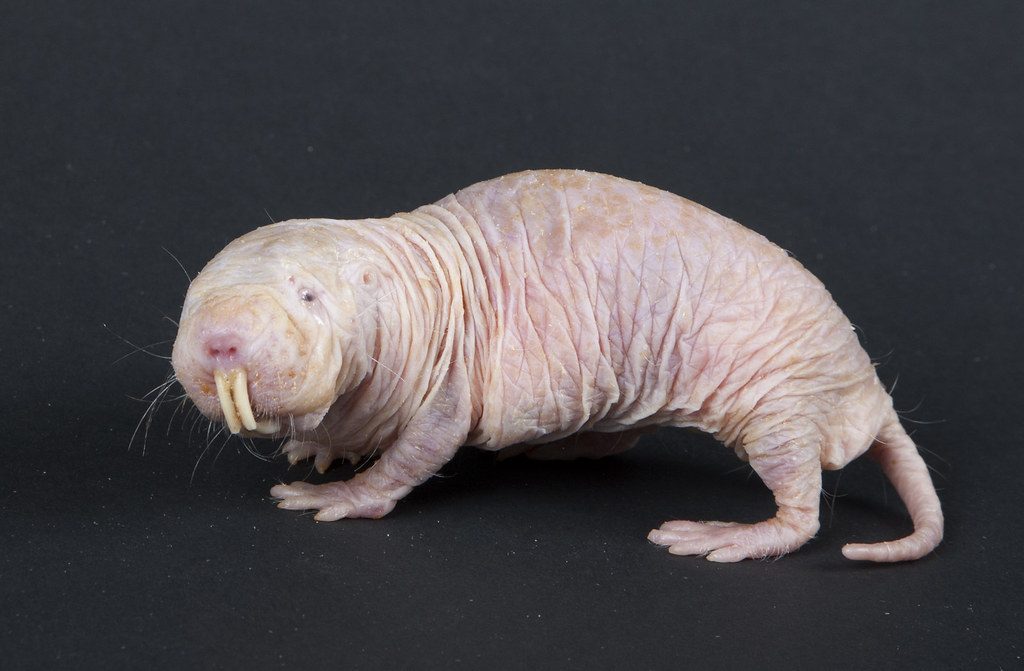
Every species has its own genetic blueprint that influences how its cells repair damage and resist disease. Some animals have evolved highly effective mechanisms for maintaining healthy tissues, allowing them to age more slowly.
Researchers continue to study long-lived species like bowhead whales and naked mole-rats to better understand the biological processes behind exceptional longevity.
Habitat and Lifestyle Matter
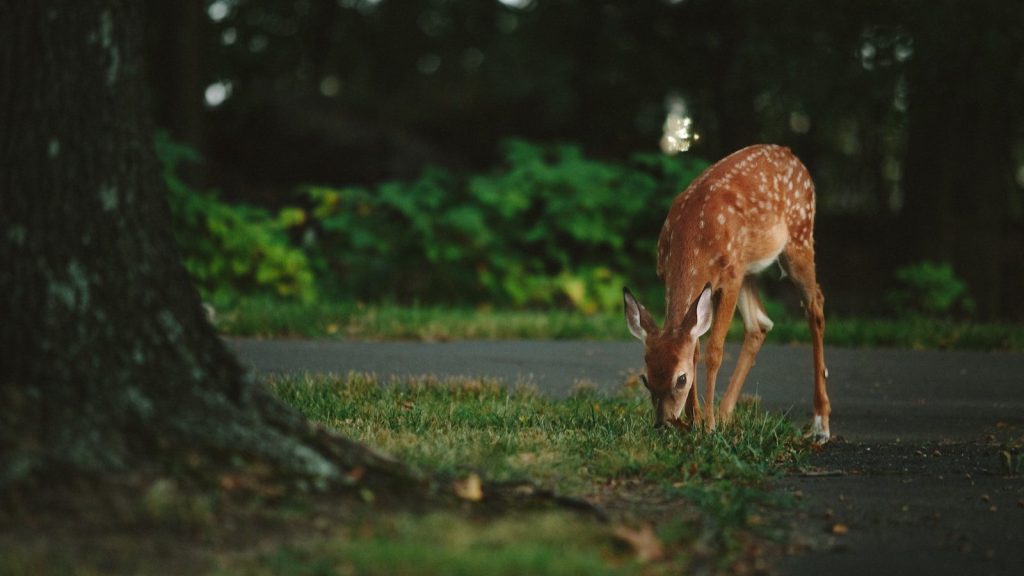
The environment an animal lives in also affects its lifespan. Access to food, climate, disease exposure, and human activity all influence survival. Animals living in stable environments with fewer threats often have better chances of reaching old age.
Captive animals may live significantly longer than their wild counterparts because they receive regular food, veterinary care, and protection from predators.
Reproduction Comes With Trade-Offs
Evolution often involves a balance between reproduction and longevity. Some species invest most of their energy into producing many offspring in a short time, leaving fewer resources for long-term survival.
Others reproduce more slowly, produce fewer young, and devote more energy to body maintenance, increasing their chances of living for decades. This trade-off helps explain why lifespans vary so dramatically across the animal kingdom.