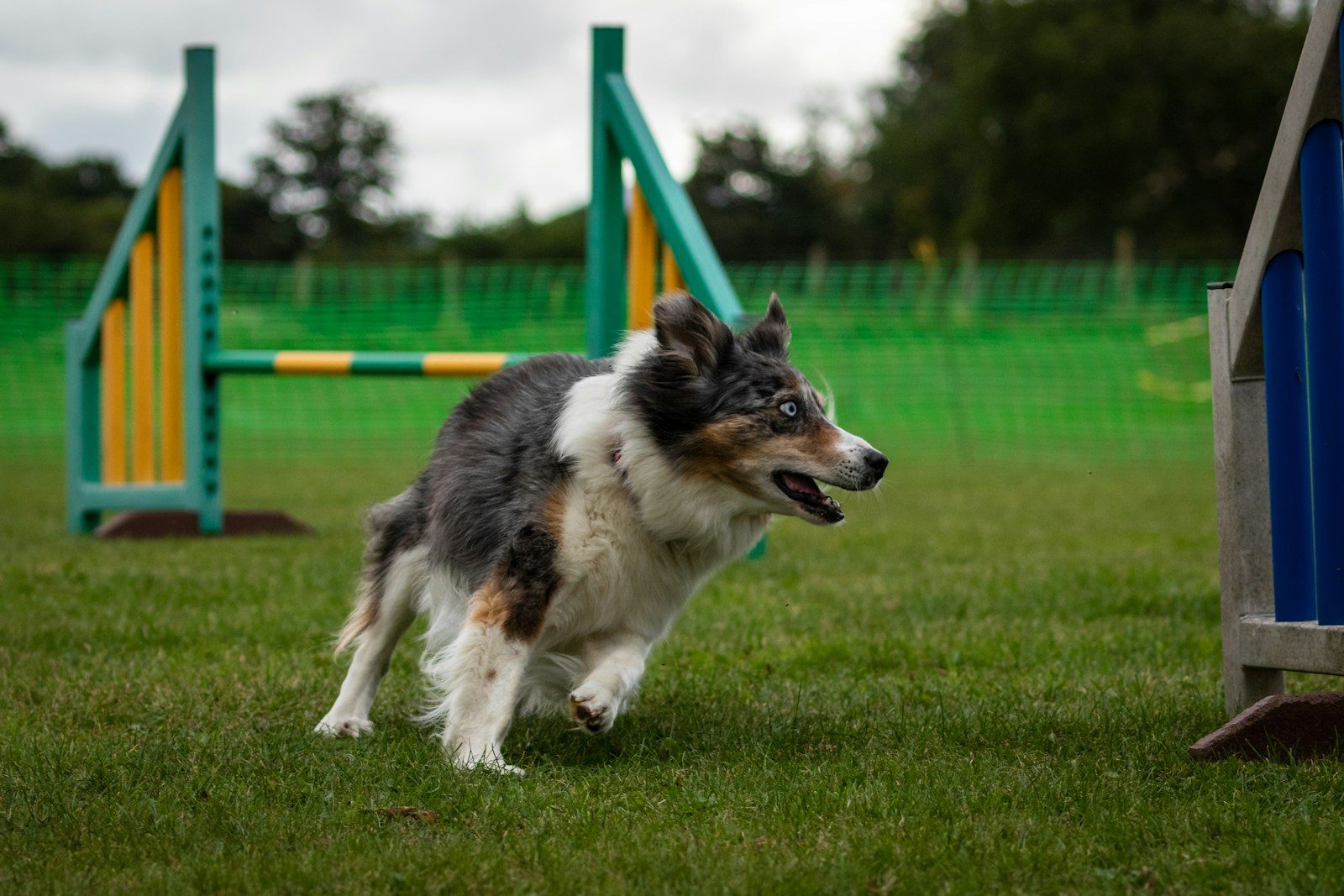
Not every dog breed is naturally suited to sharing a home with other animals. Many breeds were originally developed for hunting, guarding, or working independently, and those instincts can still influence their behavior today. While proper training and early socialization can help many dogs live peacefully with other pets, these breeds often require extra care, supervision, and thoughtful introductions.
Jack Russell Terrier
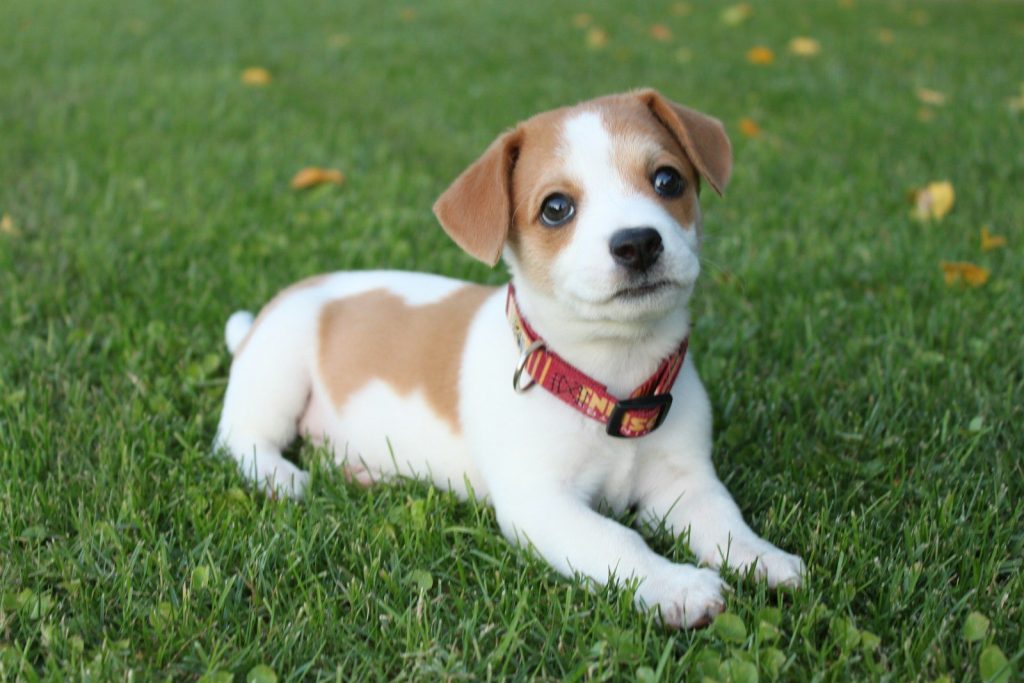
Jack Russell Terriers are energetic, fearless, and highly intelligent dogs with a strong prey drive. Originally bred to hunt foxes and other small animals, they may instinctively chase cats, rabbits, or other small pets.
Early socialization can improve their behavior around other animals, but many Jack Russells are happiest in homes where interactions with smaller pets are carefully managed.
Siberian Husky
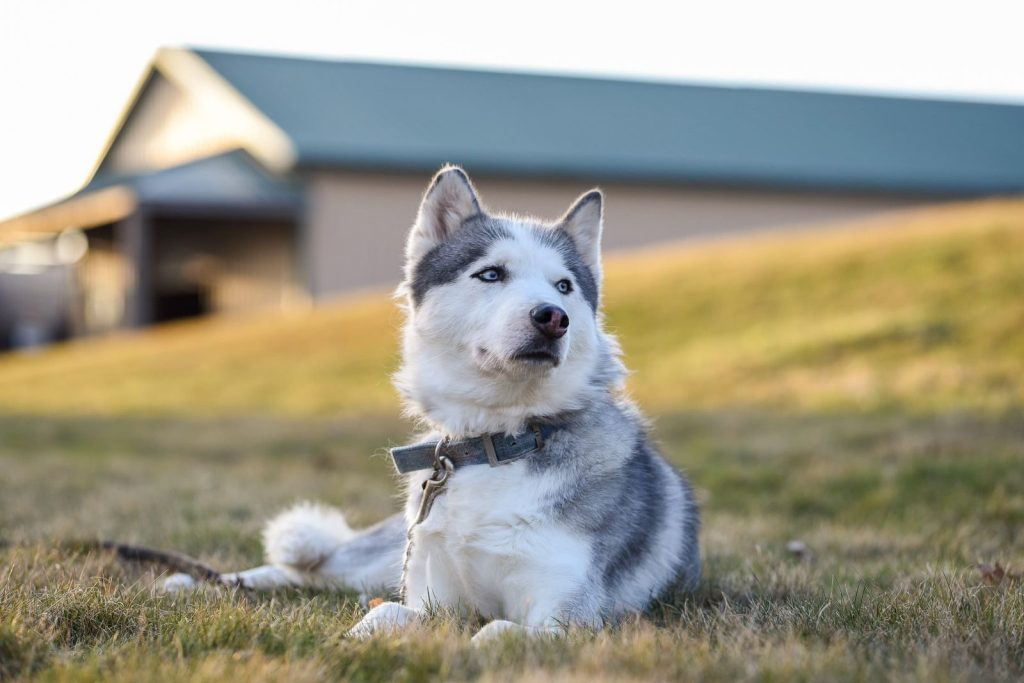
Siberian Huskies are friendly with people, but their history as sled dogs and hunters means they often have a powerful instinct to chase smaller animals. Cats, birds, and rodents may trigger this natural prey drive.
Regular training, secure fencing, and supervised introductions are important if a Husky will be living with other household pets.
Akita
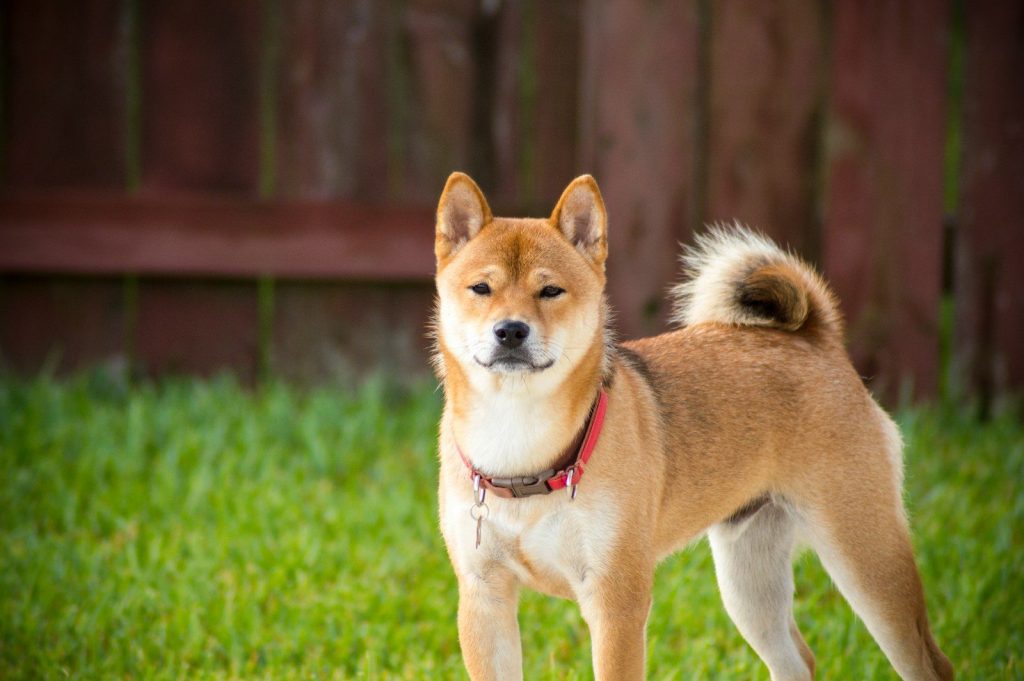
Akitas are loyal and devoted to their families, but they can be territorial and dominant around unfamiliar animals, particularly dogs of the same sex. They were originally bred in Japan for guarding and hunting large game.
Because of their protective instincts, Akitas benefit from experienced owners who can provide consistent training and careful socialization from an early age.
Greyhound
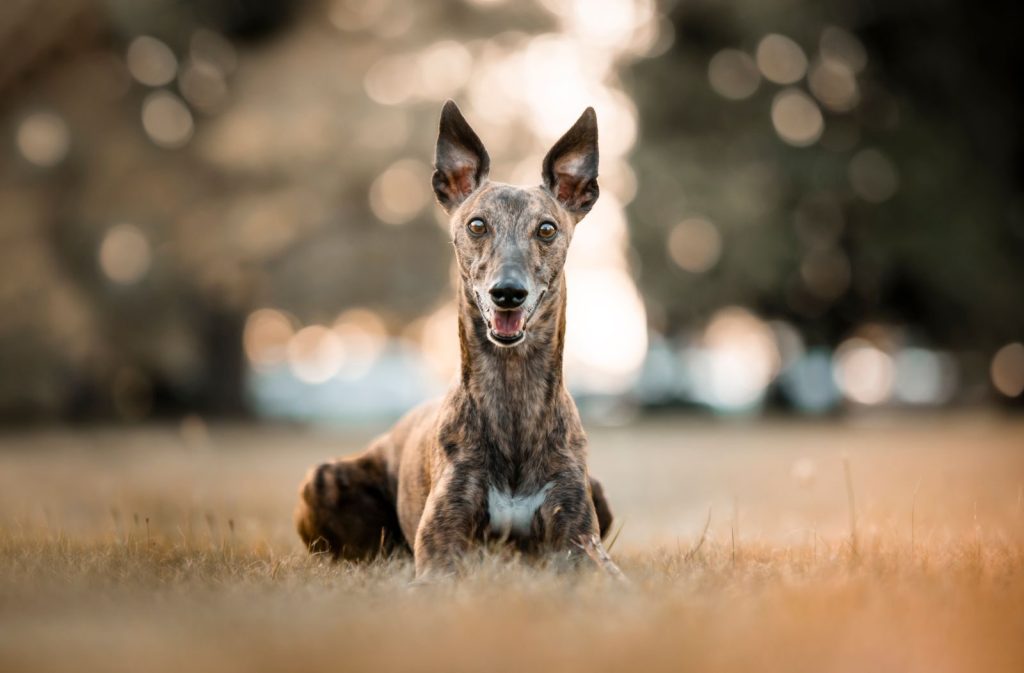
Although retired racing Greyhounds are often calm and gentle companions, many retain a strong instinct to chase fast-moving animals. Small pets such as rabbits, guinea pigs, and even some cats may activate this behavior.
Many Greyhounds live successfully with other pets after careful introductions, but compatibility should always be evaluated on an individual basis.
Alaskan Malamute
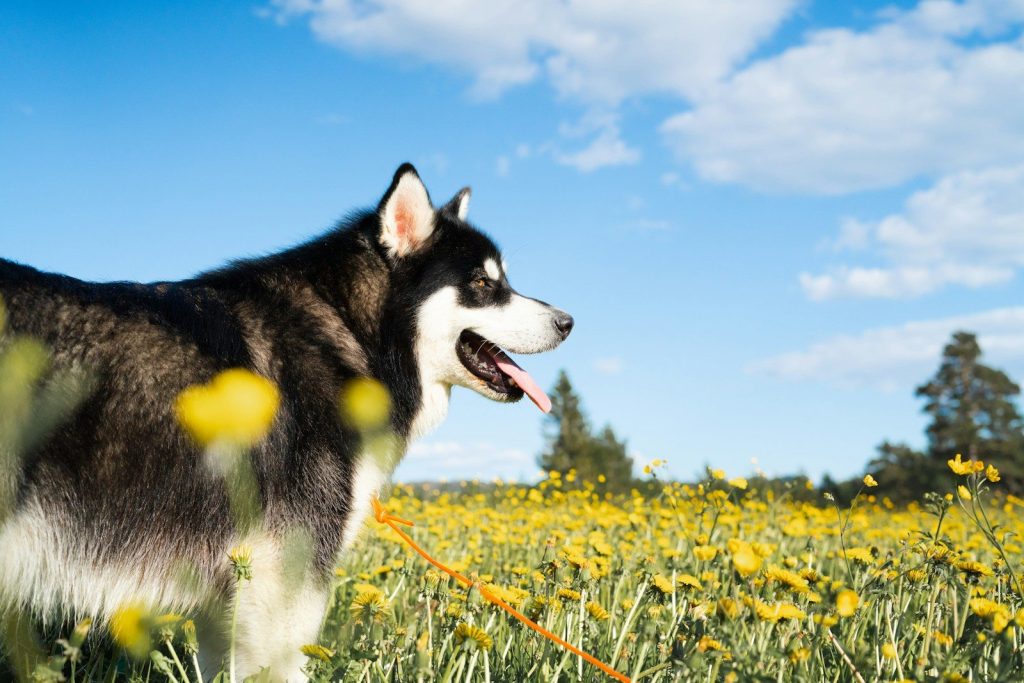
Alaskan Malamutes are powerful working dogs known for their strength and independence. While they are generally affectionate with their families, they may not always tolerate smaller animals due to their prey drive.
Early socialization and ongoing supervision are especially important in multi-pet households to help prevent conflicts and encourage positive interactions.
Weimaraner
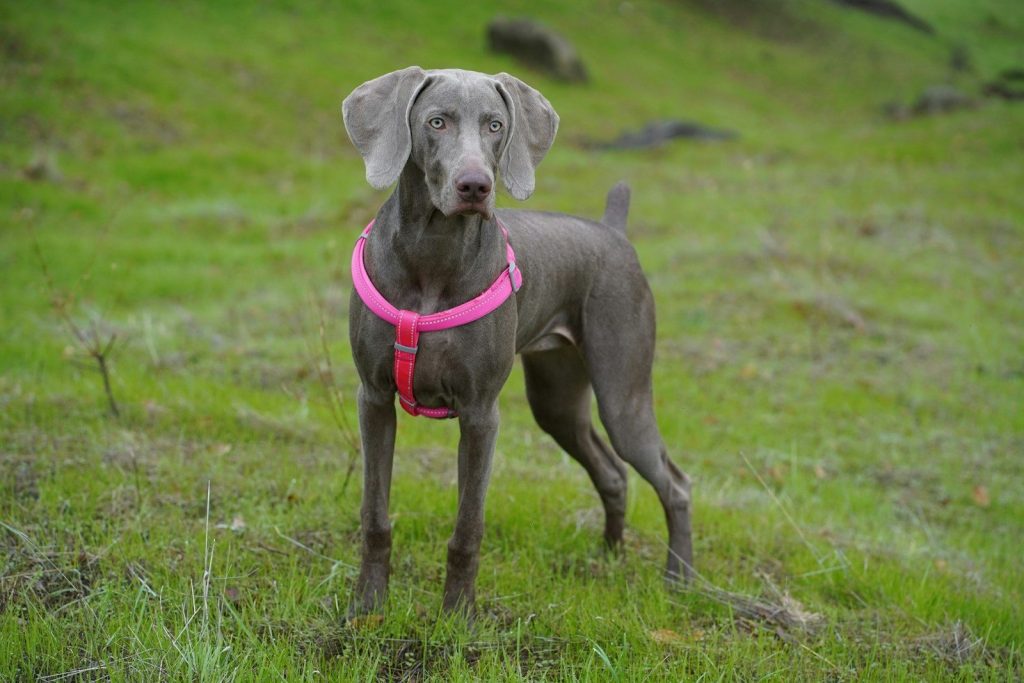
Weimaraners were originally bred as hunting dogs, giving them exceptional stamina and a strong instinct to pursue moving prey. Without proper training, they may chase cats or other small household animals.
These intelligent, active dogs thrive when given plenty of exercise and mental stimulation. Owners willing to invest time in training often have the best success introducing them to other pets.