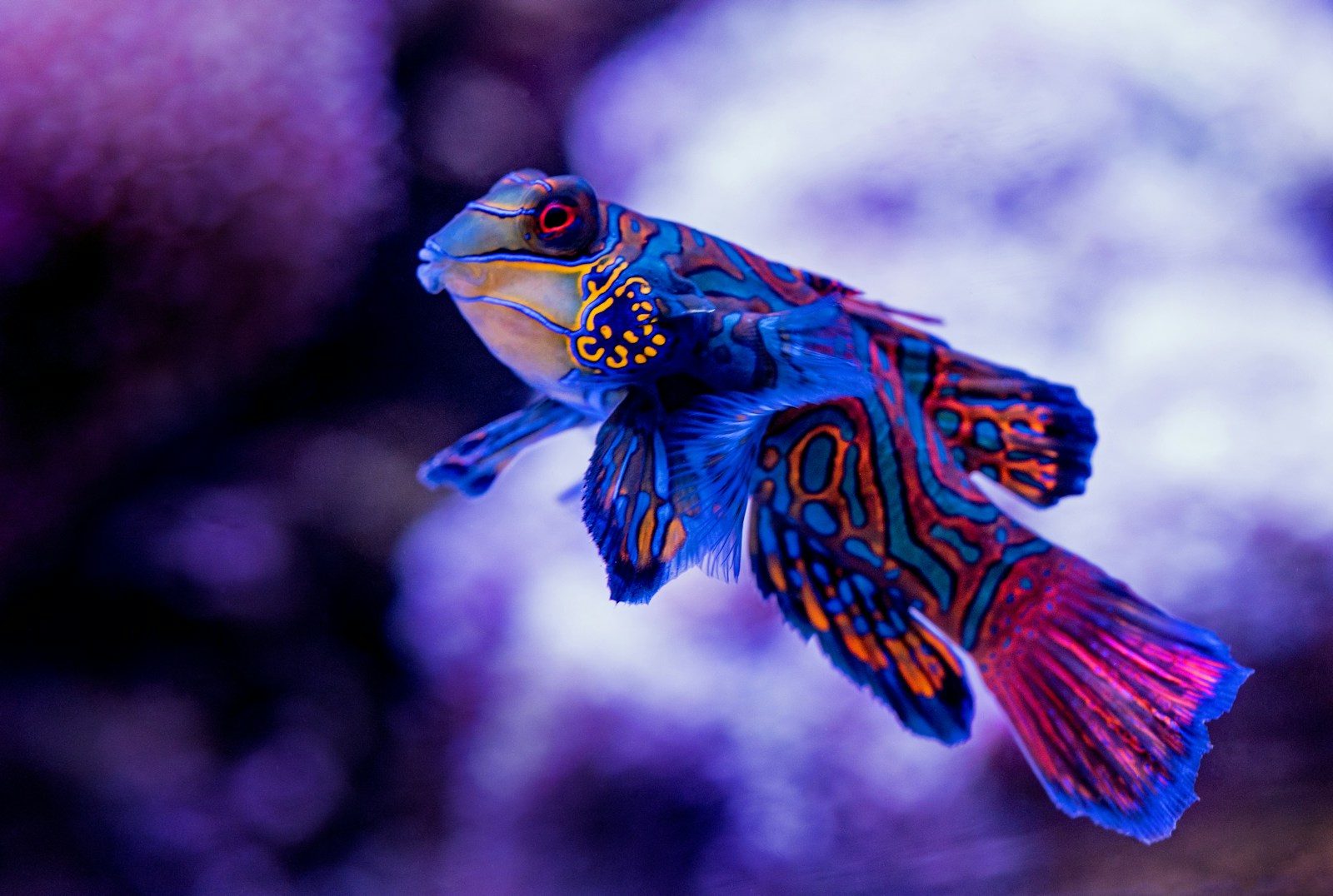
The animal kingdom is filled with creatures that seem too unusual to be real. From fish with transparent heads to mammals with oversized noses, evolution has produced extraordinary animals whose strange appearances help them survive in challenging environments.
Although many of these species look bizarre at first glance, every unusual feature serves a purpose. Whether it is camouflage, hunting, communication, or adapting to extreme habitats, these remarkable animals showcase nature’s incredible creativity.
Blobfish Look Completely Different Underwater
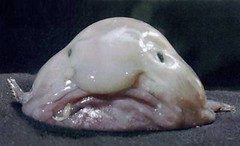
The blobfish is often called one of the world’s ugliest animals, but that reputation is somewhat unfair. In its natural deep sea habitat, the enormous water pressure gives its body a much more normal appearance than the collapsed form seen after being brought to the surface.
Its soft, jelly like body helps it conserve energy while living thousands of feet below the ocean. This unusual adaptation allows the blobfish to survive where many other fish cannot.
The Aye Aye Has One of Nature’s Strangest Hands
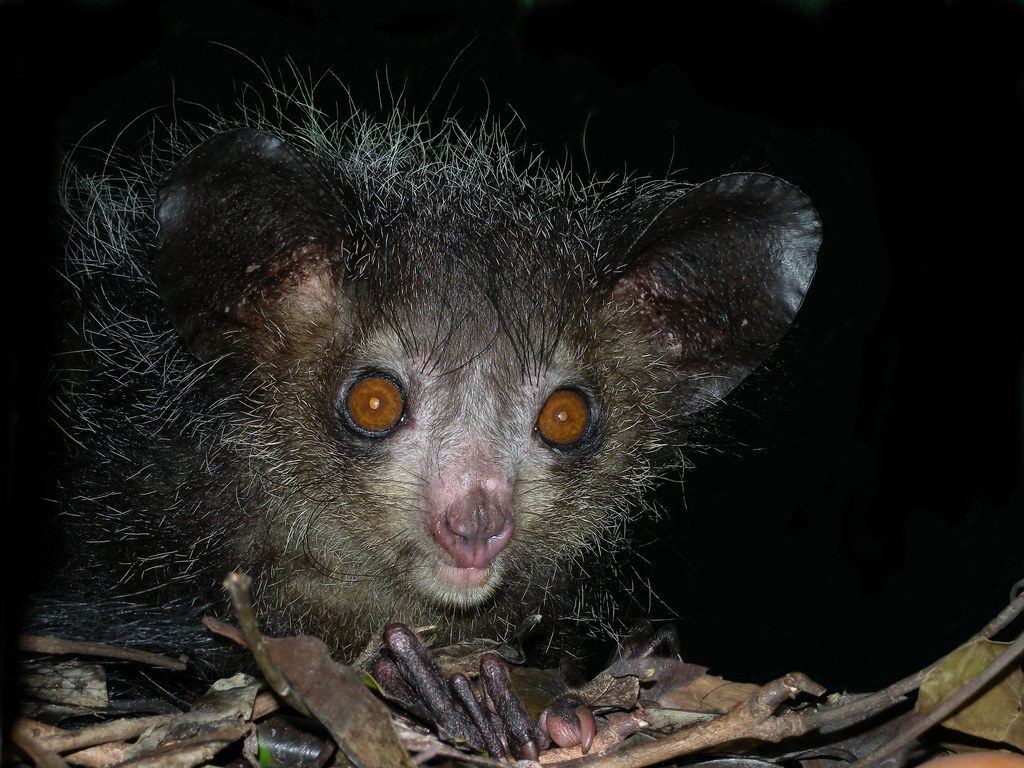
Native to Madagascar, the aye aye is famous for its large eyes, oversized ears, and extremely long middle finger. It uses this specialized finger to tap on tree trunks, locate insects, and pull them from hidden tunnels.
Although its appearance has inspired myths and superstitions, the aye aye plays an important role in its forest ecosystem. Its unusual features are perfectly suited to its unique feeding habits.
The Saiga Antelope’s Nose Serves an Important Purpose
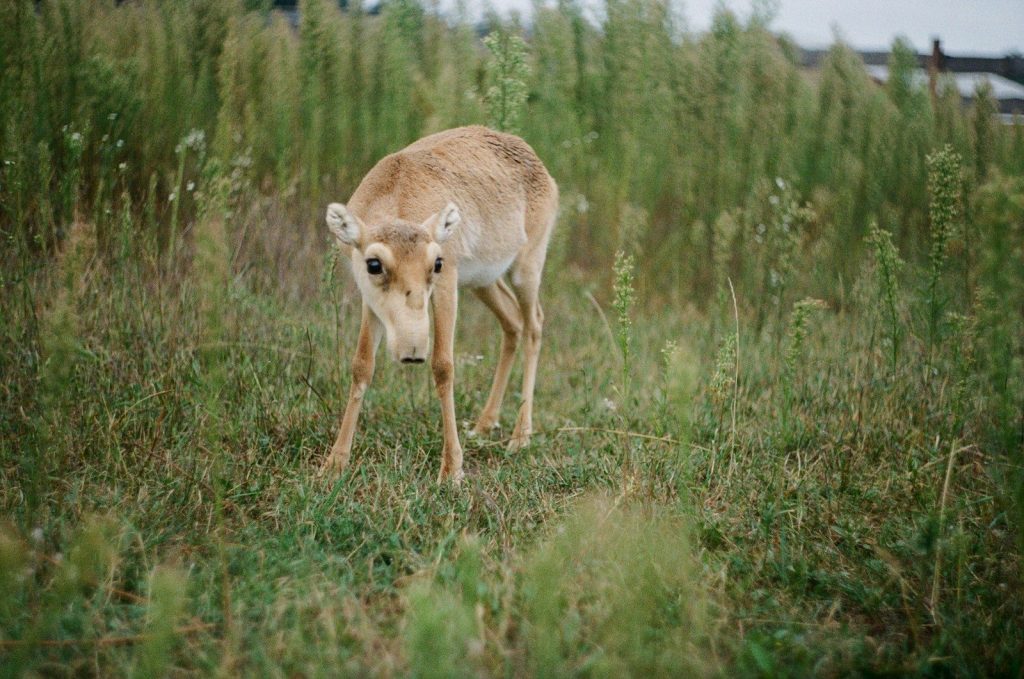
The saiga antelope is instantly recognizable because of its large, flexible nose that resembles a short trunk. This remarkable feature filters dust during the dry season while warming cold air before it reaches the lungs in winter.
Although its appearance may seem unusual, the nose is a highly effective adaptation for surviving harsh grassland environments. It demonstrates how evolution often favors function over appearance.
The Goblin Shark Looks Like a Living Fossil
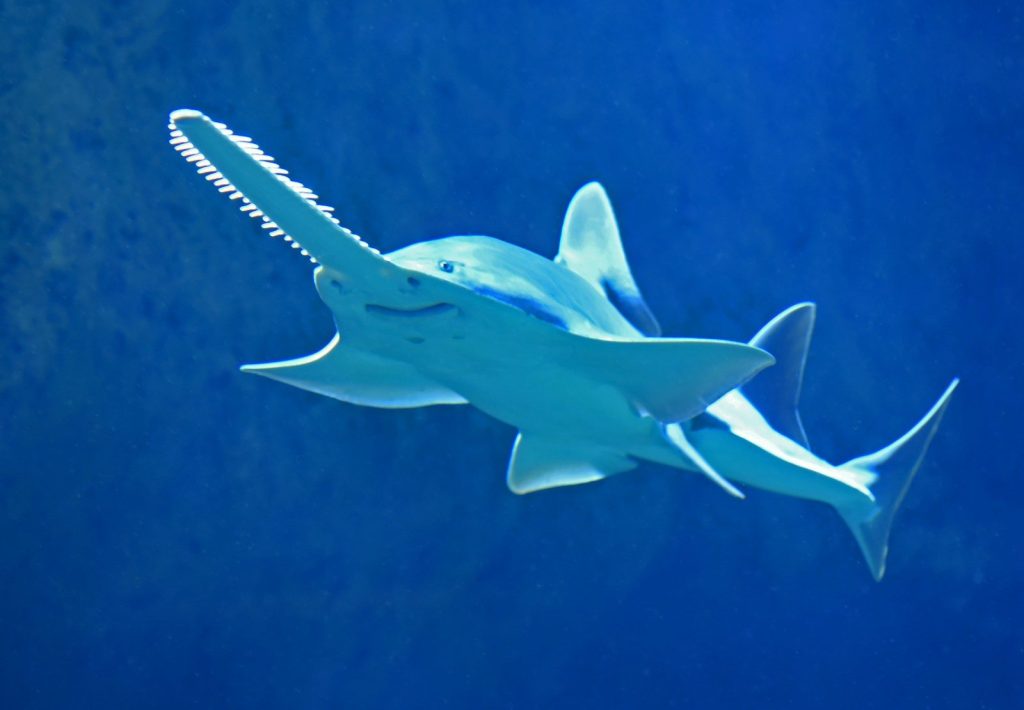
The goblin shark has remained largely unchanged for millions of years, earning it the nickname of a living fossil. Its long flattened snout and extendable jaws create one of the most distinctive appearances in the ocean.
When prey comes within reach, the shark rapidly projects its jaws forward to capture food. This remarkable hunting technique makes it one of the ocean’s most fascinating deep sea predators.
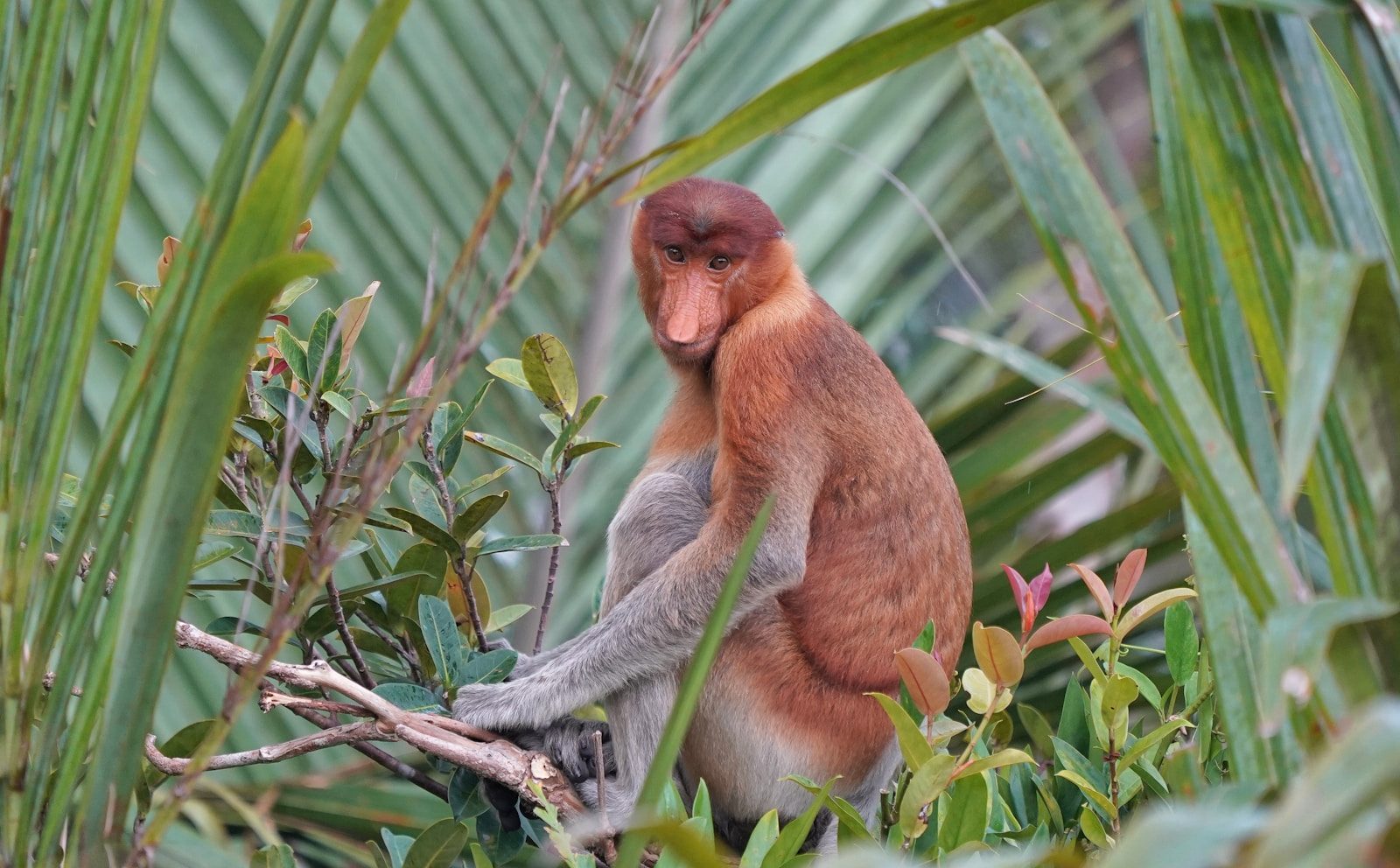
The Proboscis Monkey Is Unlike Any Other Primate
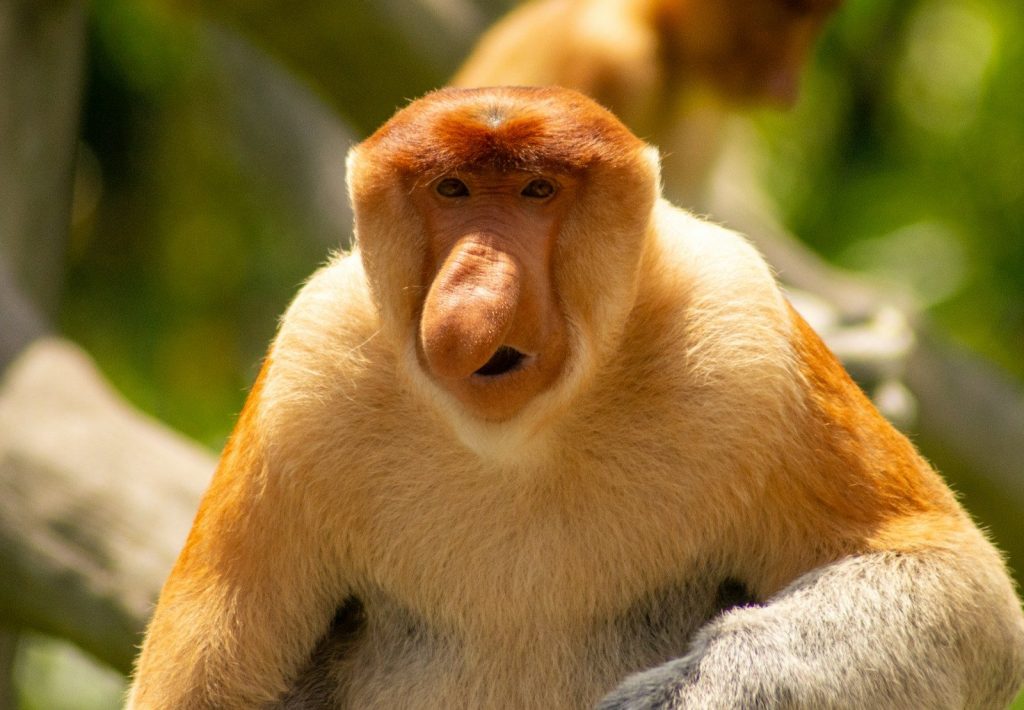
Found only on the island of Borneo, the proboscis monkey is best known for the large nose seen on adult males. Scientists believe this exaggerated feature helps attract mates and amplify vocal calls within the dense forest.
Despite its unusual appearance, the proboscis monkey is an excellent swimmer with partially webbed feet. These adaptations allow it to move efficiently through rivers and mangrove habitats.
The Star Nosed Mole Uses Touch Instead of Sight
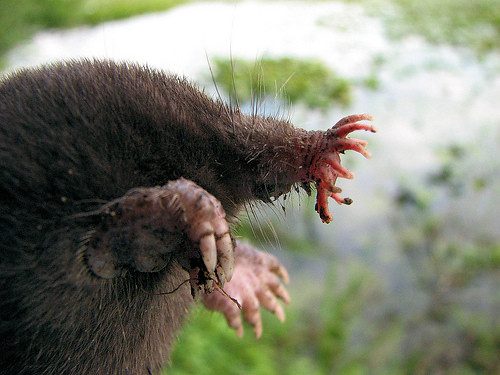
The star nosed mole has one of the most unusual faces in the animal kingdom, with twenty two fleshy appendages surrounding its nose. These highly sensitive organs allow it to detect prey in complete darkness faster than almost any other mammal.
Living underground means eyesight is far less important than touch. Its extraordinary nose helps the mole locate insects and worms within fractions of a second, making it a highly efficient hunter.