When people think of the animal kingdom, speed often comes to mind, with cheetahs, falcons, and dolphins setting incredible records. However, many species have evolved to live at the opposite end of the spectrum, proving that moving slowly can be just as effective for survival.
Slow movement often helps animals conserve energy, avoid predators, or adapt to diets that provide very little nutrition. Rather than being a weakness, their unhurried lifestyles are the result of millions of years of successful evolution.
Sloths Are Masters of Energy Conservation
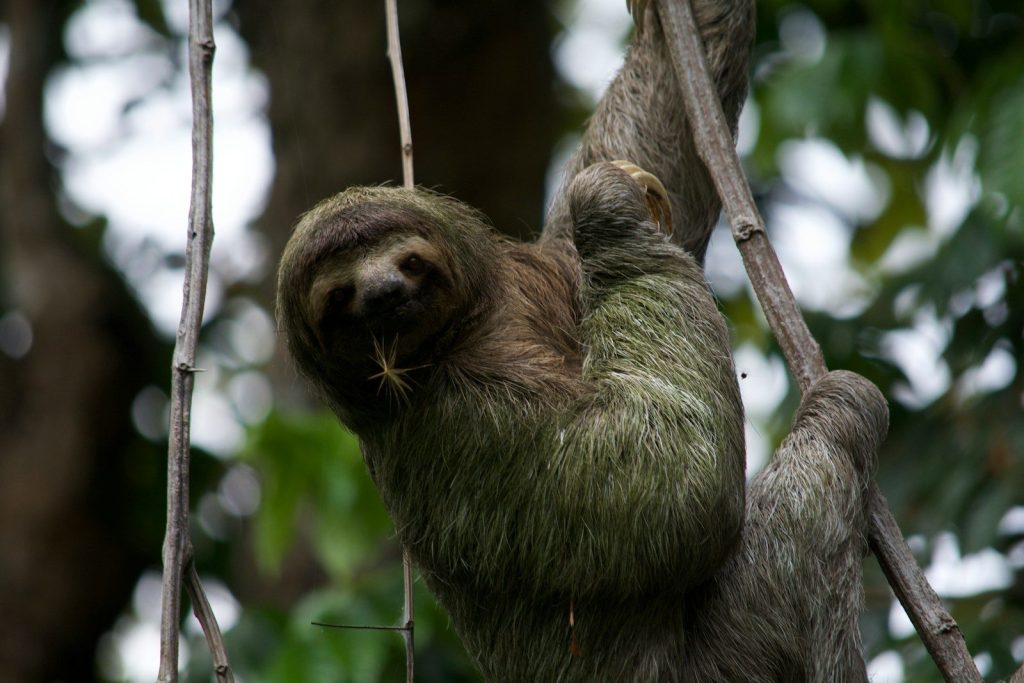
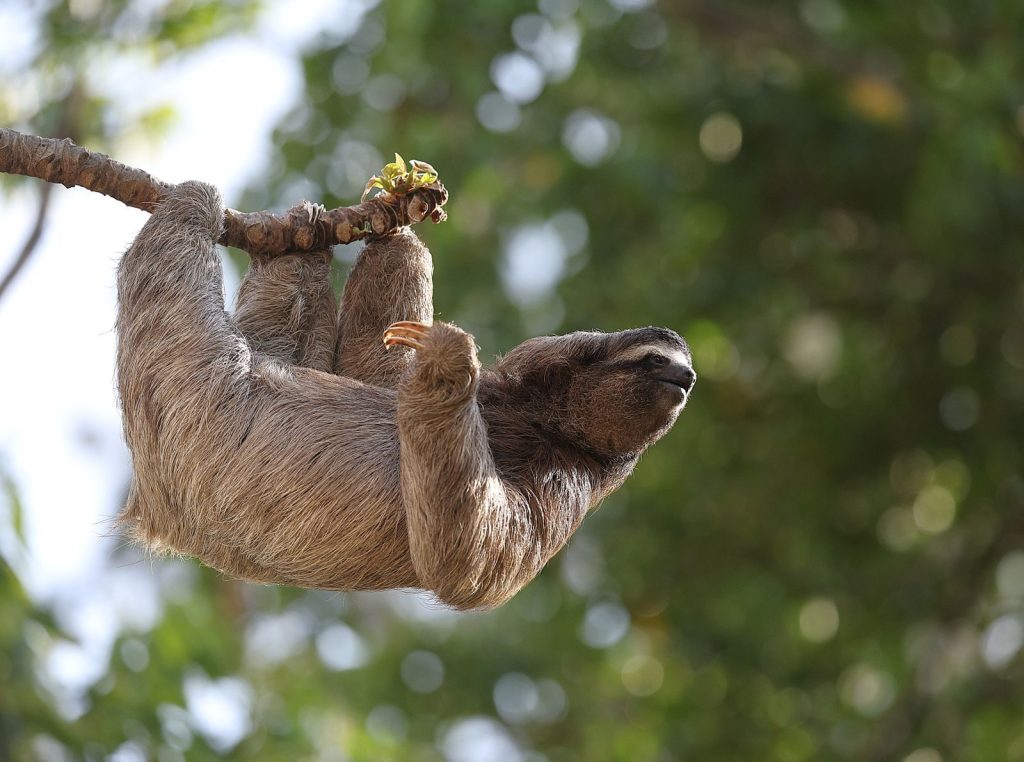
Three toed sloths are perhaps the most famous slow moving mammals, spending much of their lives hanging upside down in tropical trees. Their leaf based diet provides very little energy, so moving slowly helps them conserve precious calories.
Their sluggish movements also make them harder for predators to detect because they blend naturally into the forest canopy. Algae often grows on their fur, providing additional camouflage.
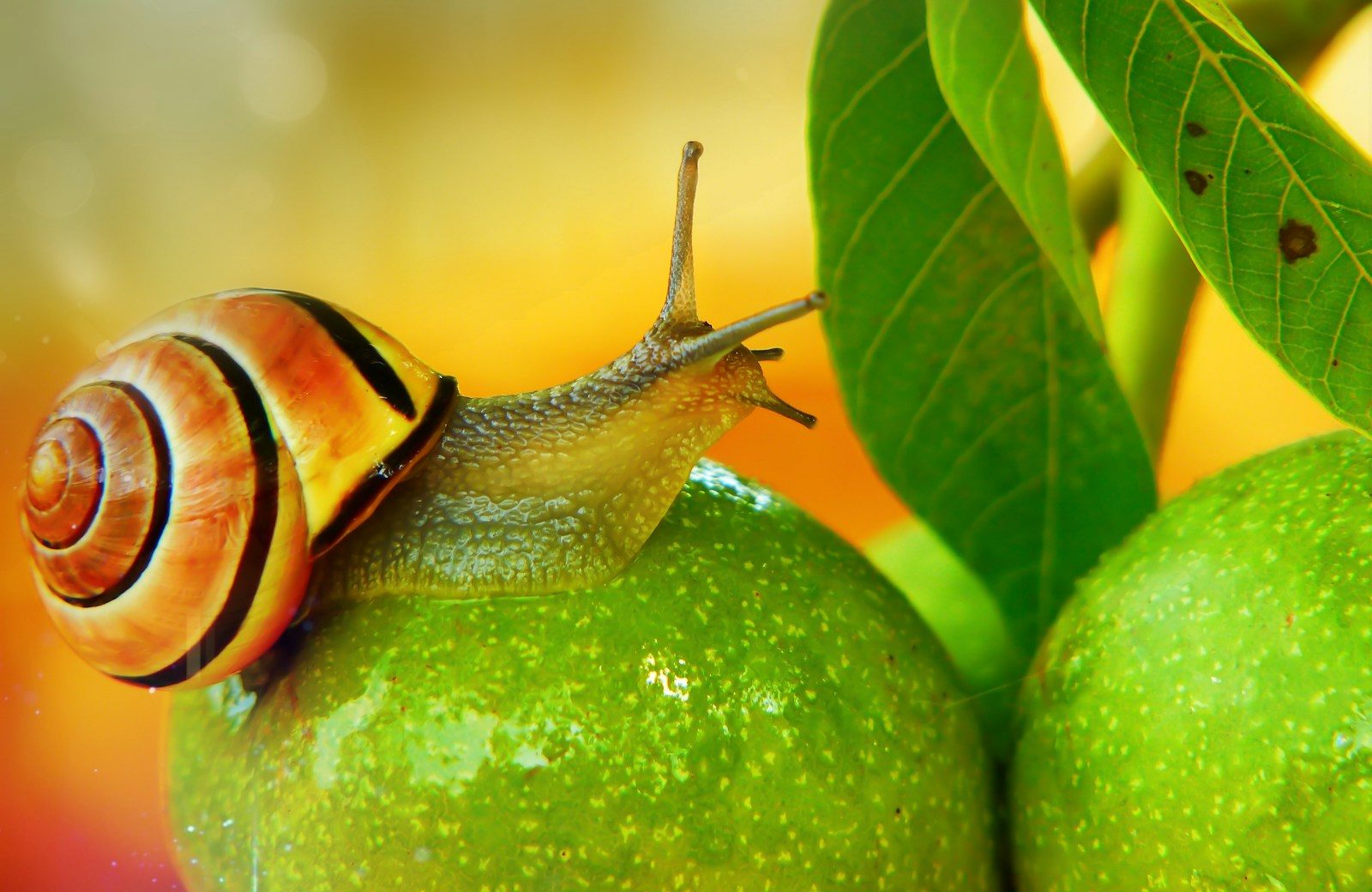
Garden Snails Travel at a Remarkably Slow Pace
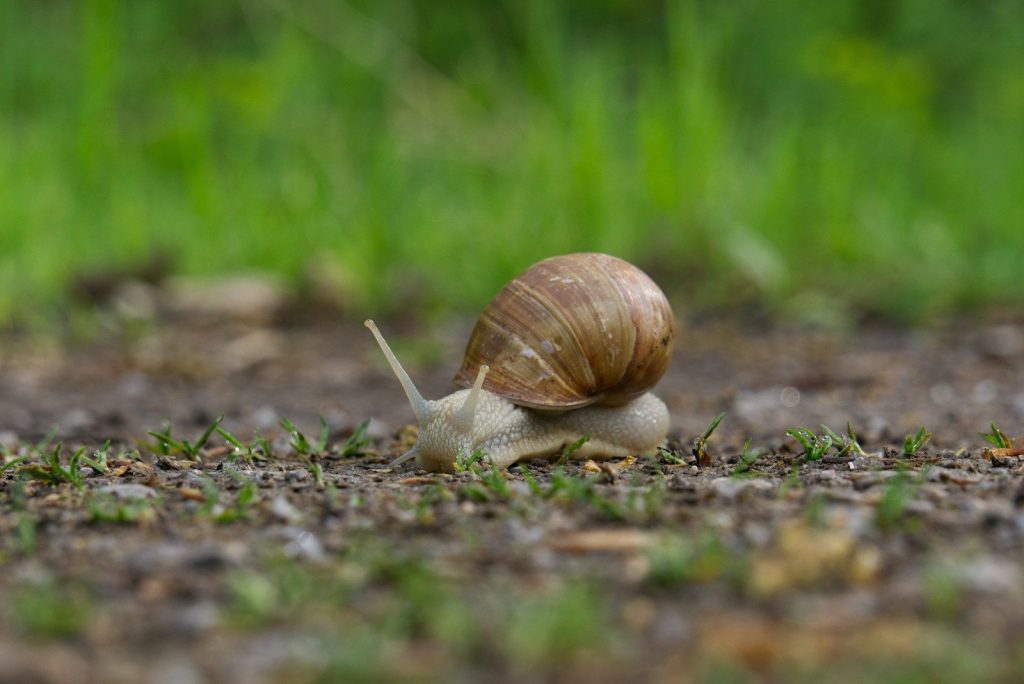
Garden snails move using a muscular foot that glides across a layer of mucus, allowing them to cross rough surfaces. Their top speed is only a fraction of a mile per hour, making them one of the slowest land animals.
Although they move slowly, this method allows them to travel safely without damaging their soft bodies. Their pace is perfectly suited to their lifestyle and feeding habits.
Giant Tortoises Take Life One Step at a Time
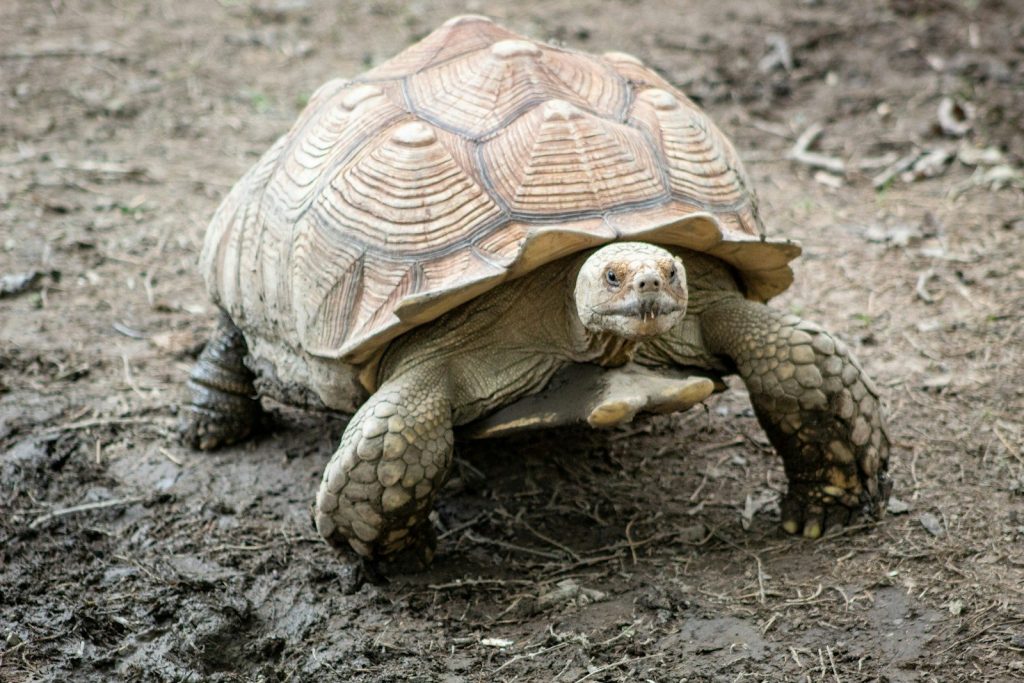
Giant tortoises are famous for their incredible longevity and relaxed lifestyle. Their heavy shells and slow metabolism mean there is little advantage in moving quickly.
These reptiles conserve energy while feeding on vegetation and can live for well over a century. Their slow pace has contributed to their success in challenging island environments.
Seahorses Drift Through the Ocean
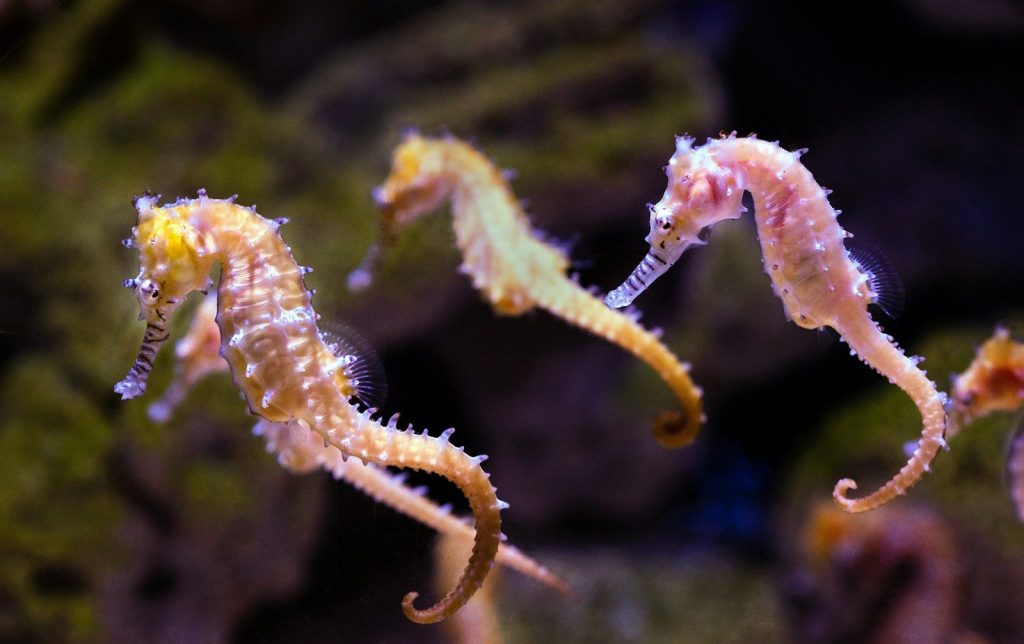
Seahorses are among the slowest swimming fish because of their upright posture and tiny fins. Instead of chasing prey, they rely on camouflage and gentle drifting through seagrass beds.
Their slow swimming helps them remain hidden from predators while waiting for tiny crustaceans to pass by. This strategy allows them to survive despite their limited speed.
Starfish Move Using Hundreds of Tiny Tube Feet
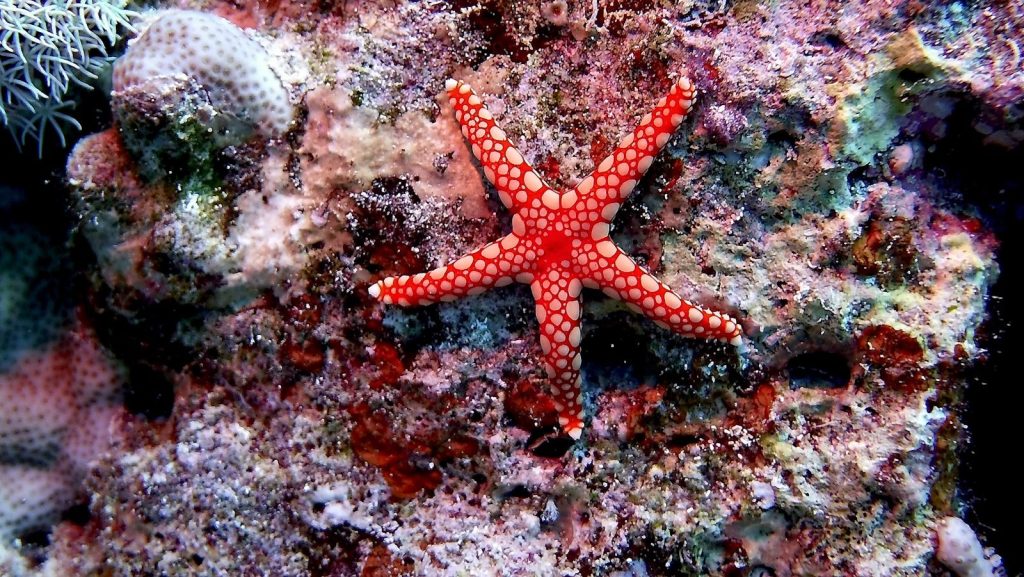
Starfish do not have legs like most animals but instead travel using hundreds of small tube feet underneath their bodies. This unique system allows them to grip surfaces while moving slowly across the ocean floor.
Although their progress is gradual, they can efficiently search for shellfish and other food without expending much energy. Their unusual movement is perfectly adapted to life underwater.
Slow Living Can Be a Winning Survival Strategy
Many slow animals survive because they have evolved to conserve energy instead of relying on speed. Their bodies and behaviors are carefully adapted to environments where patience is often more valuable than quick movement.
From sloths in rainforest trees to snails in gardens and starfish beneath the sea, these remarkable creatures prove that survival is not always about being the fastest. In nature, moving slowly can sometimes be the smartest strategy of all.