Wild animals are naturally equipped to survive on their own, but prolonged contact with people can sometimes change that. Animals that become accustomed to human care may lose essential survival skills such as hunting, avoiding predators, or finding food, making it difficult or even impossible for them to return to their natural habitats.
Wildlife rehabilitation experts work hard to minimize human interaction because maintaining an animal’s natural instincts is critical for successful release. When dependency develops, some animals must spend the rest of their lives in sanctuaries, rehabilitation centers, or accredited conservation facilities where they can receive proper care.
Orphaned Bears Can Lose Their Fear of People
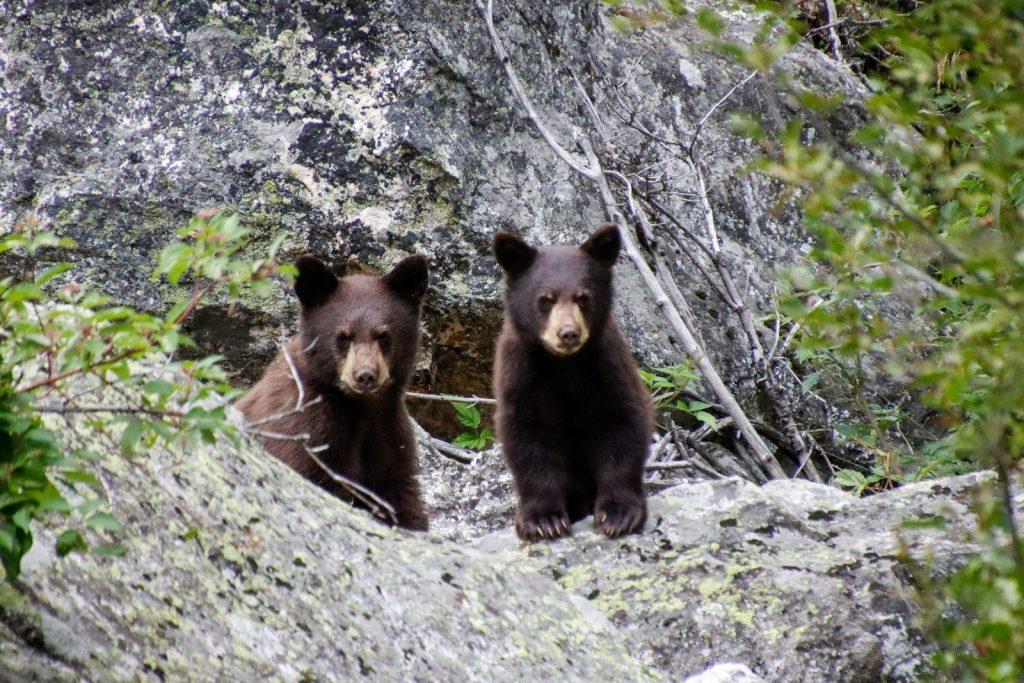
Bear cubs that are hand raised by humans sometimes become too comfortable around people. Without learning natural behaviors from their mothers, they may struggle to find food or avoid dangerous situations in the wild.
Wildlife rehabilitators often limit direct contact with young bears to preserve their natural instincts. When that is not possible, permanent sanctuary care may be the safest option.
Primates Form Strong Bonds With Human Caregivers
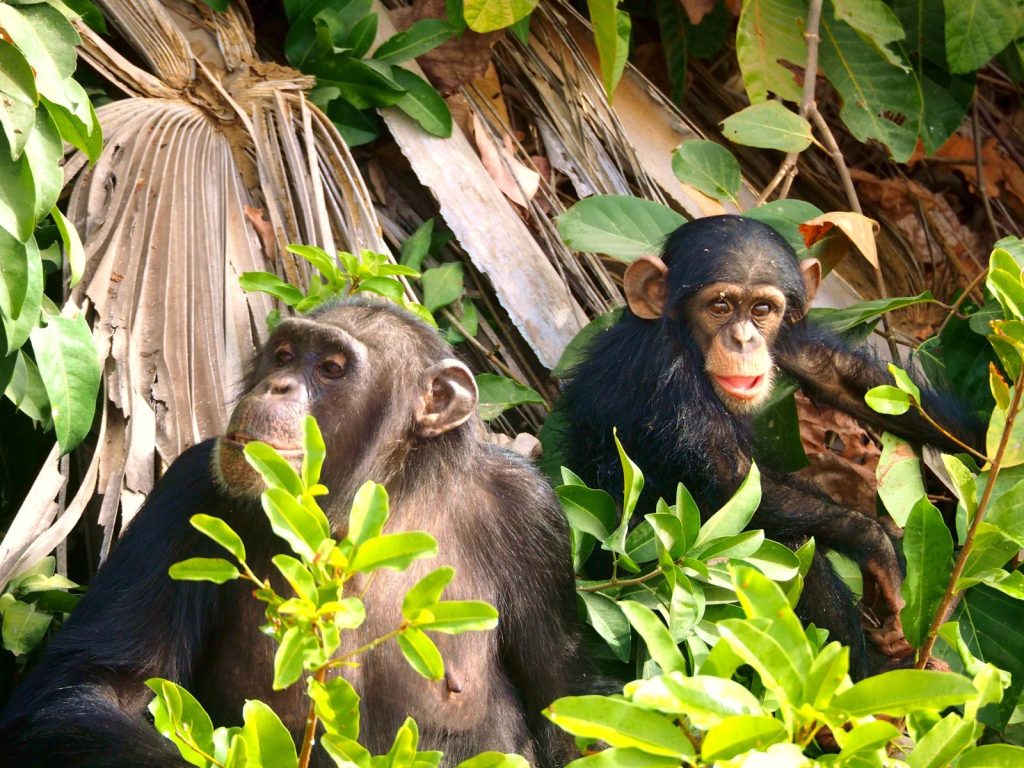
Chimpanzees and other primates are highly intelligent and develop close social relationships. Young animals raised by humans may become emotionally attached to their caregivers instead of learning behaviors from members of their own species.
Because they miss important social development, reintroducing them to wild groups can be extremely challenging. Many spend their lives in specialized sanctuaries where they receive expert care.
Big Cats Raised in Captivity Often Cannot Hunt
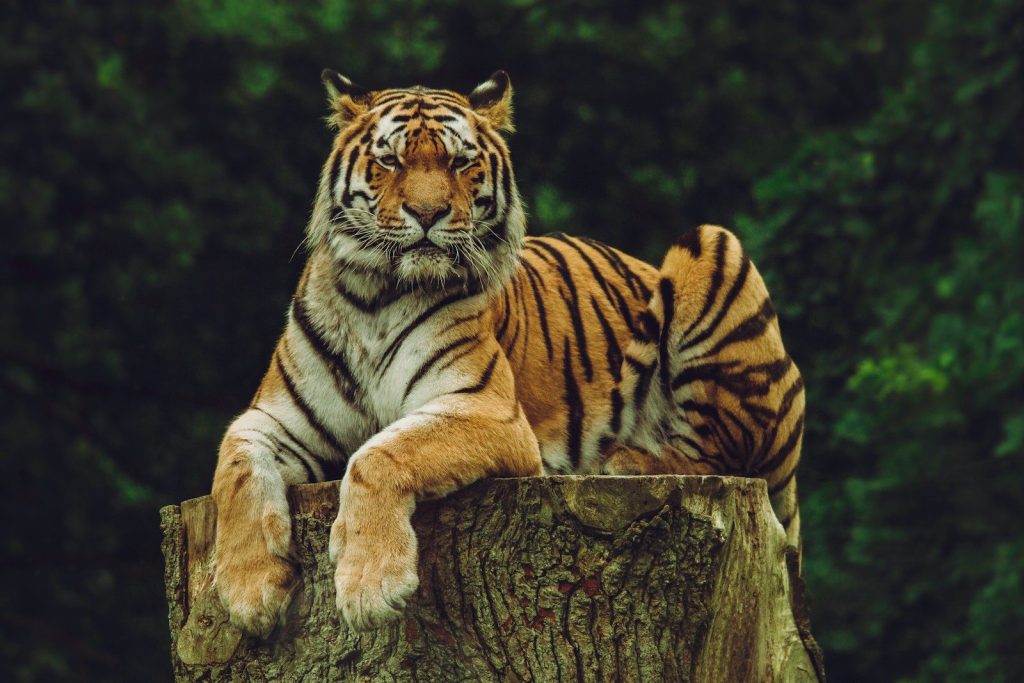
Lion, tiger, and leopard cubs that are extensively handled by humans may never develop the hunting skills needed to survive independently. Captive environments also remove the need to avoid predators or compete for resources.
Even if they appear healthy, releasing these animals into the wild could place both the cats and nearby communities at risk. Accredited wildlife facilities provide lifelong care when release is not possible.
Marine Mammals May Become Habituated to Boats
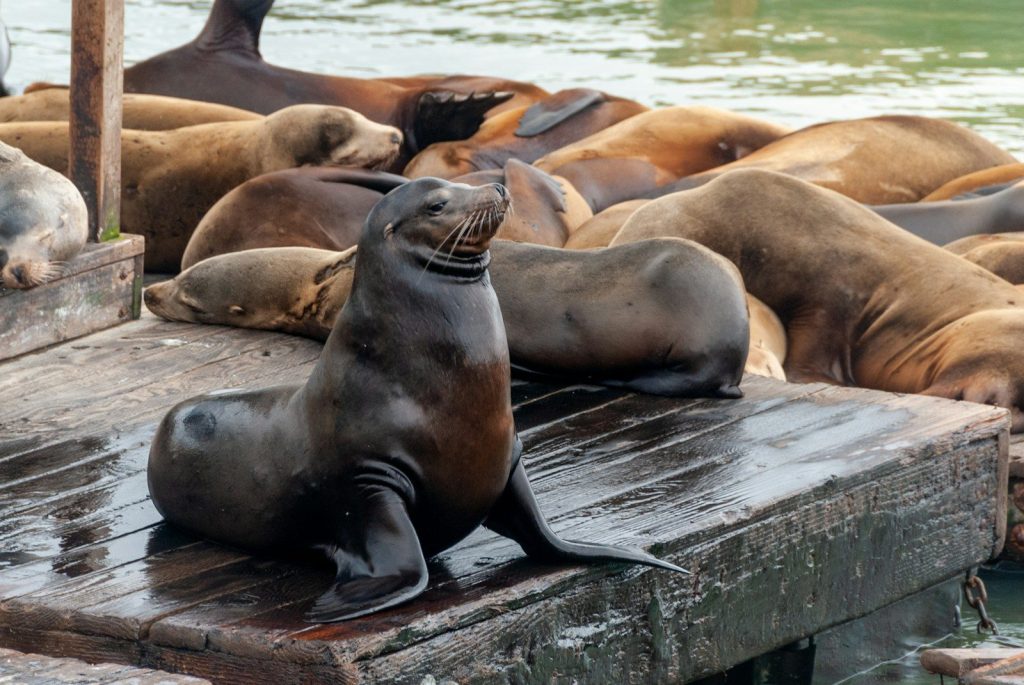
Young seals, sea lions, and dolphins that receive prolonged human attention can begin associating people with food or safety. This behavior may cause them to approach boats or populated shorelines after release.
Wildlife rescue organizations therefore limit unnecessary interaction whenever possible. The goal is to help animals recover while preserving their natural behaviors.
Birds of Prey Need Wild Hunting Experience
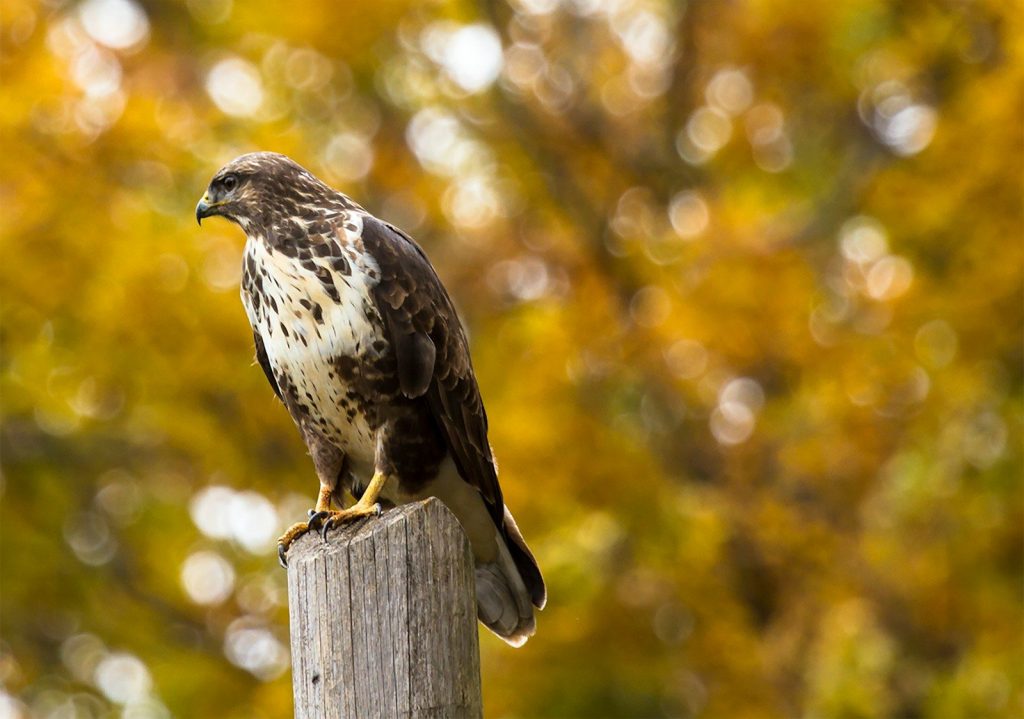
Eagles, hawks, and owls must learn how to hunt live prey before they can survive on their own. Birds that become overly dependent on humans for food may lack the skills needed to live independently.
Rehabilitation programs often use methods that encourage natural hunting behaviors while reducing human contact. Only birds capable of feeding themselves are typically considered suitable for release.
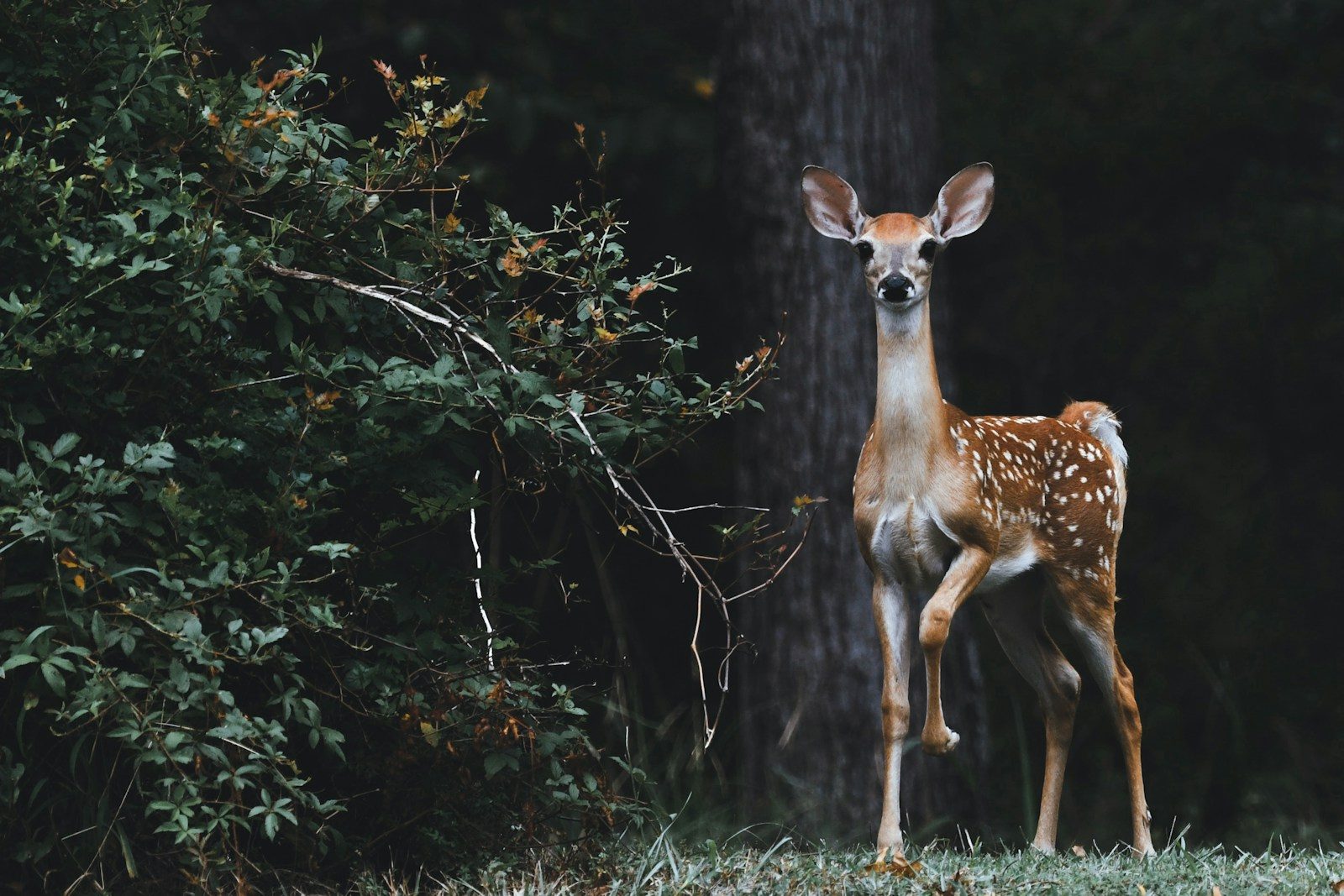
Deer Can Become Comfortable Around Humans
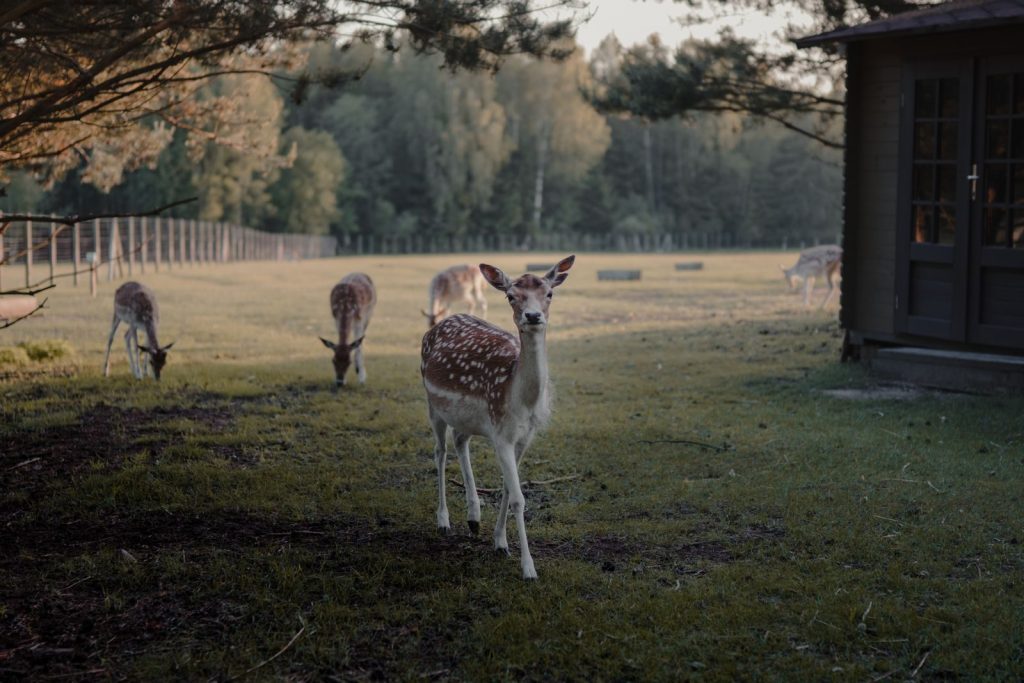
Fawns rescued unnecessarily or raised as pets may lose their natural caution around people. This can increase the risk of vehicle collisions, conflicts with humans, or encounters with predators after release.
Wildlife experts recommend leaving healthy young deer alone unless they are clearly injured or orphaned. In many cases, the mother is nearby and will return when it is safe.