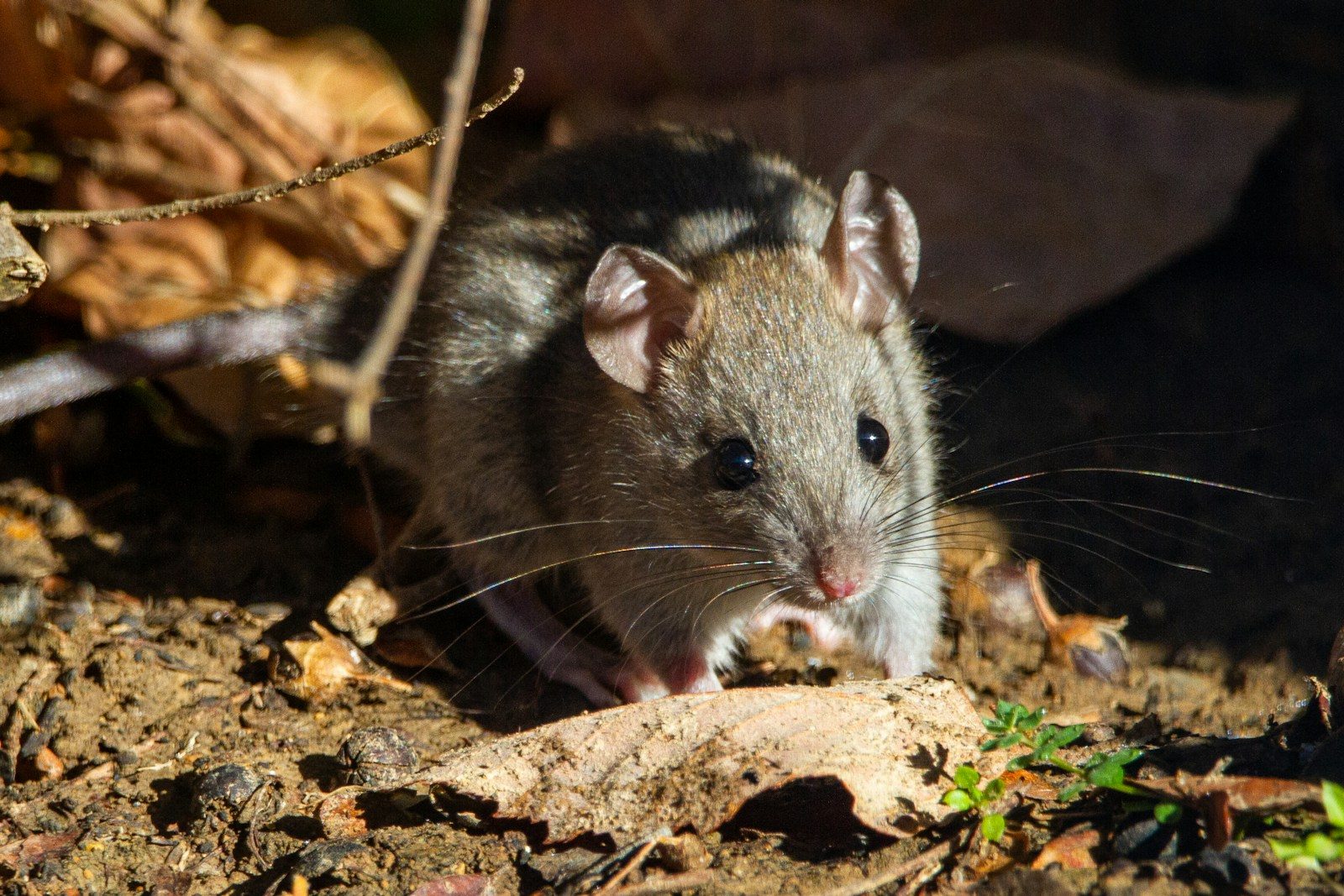
Rodents living in some of America’s largest cities are becoming increasingly difficult to eliminate as scientists discover widespread genetic mutations that make them resistant to common poisons. The findings suggest traditional pest control methods may no longer be as effective against growing urban infestations.
Researchers from Rutgers University analyzed nearly 300 house mice and brown rats from New York, New Jersey, Pennsylvania, and Washington, D.C. Their study found that many rodents carry mutations linked to resistance against anticoagulant rodenticides, prompting experts to rethink long-term pest management strategies.
House Mice Show High Levels of Poison Resistance
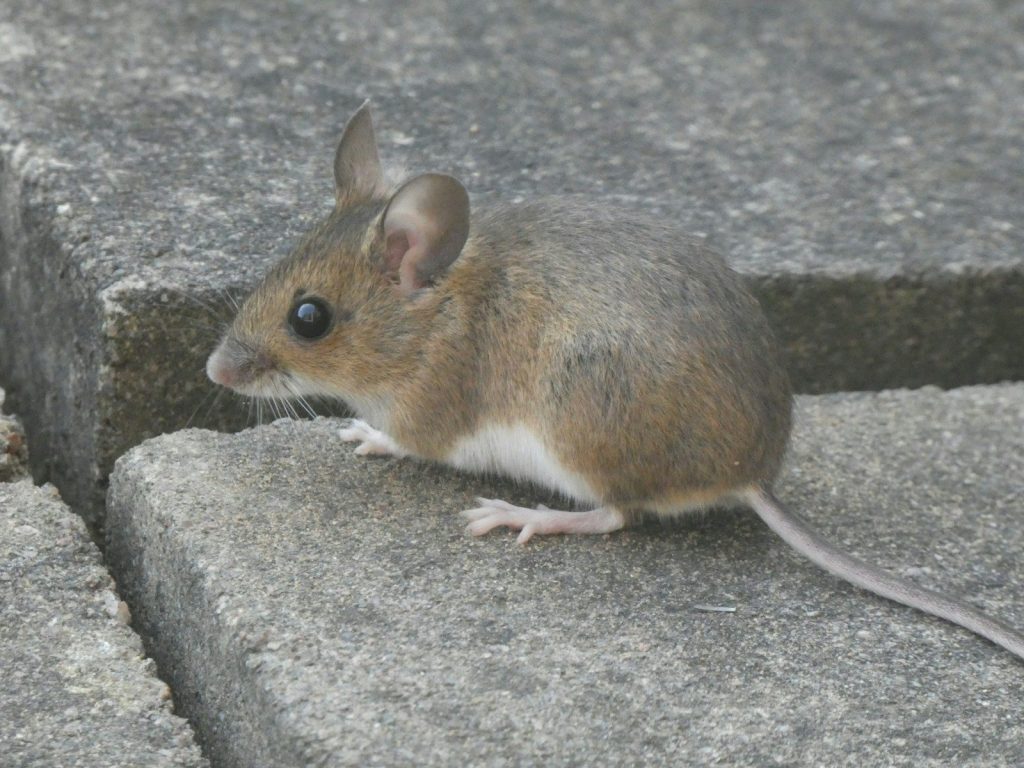
The research revealed that five out of every six rodents tested carried at least one mutation in the Vkorc1 gene. This genetic change reduces the effectiveness of commonly used rodent poisons.
More than 69% of the animals also possessed additional mutations previously associated with rodenticide resistance. House mice showed these mutations far more frequently than larger brown rats.
Why House Mice Are Adapting Faster Than Rats
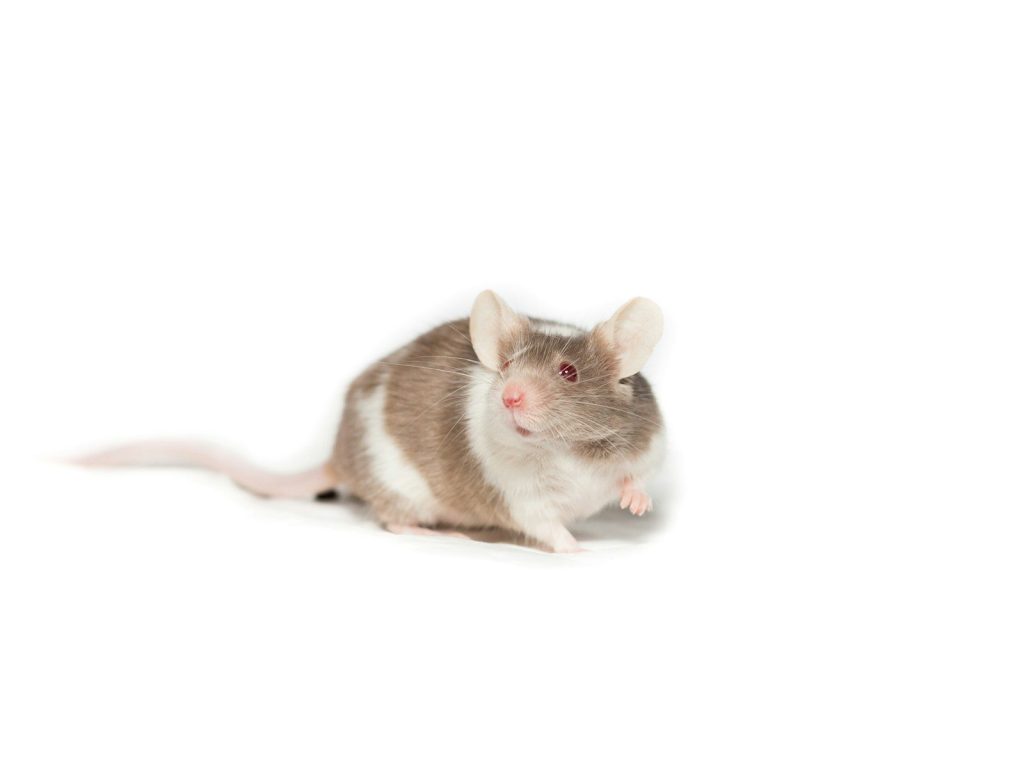
Scientists believe house mice evolve resistance more quickly because they are naturally curious and more willing to consume unfamiliar foods, including poisoned bait placed by pest control companies.
Repeated exposure allows the few mice with protective mutations to survive and reproduce. Over generations, these resistant genes become increasingly common throughout urban mouse populations.
Brown Rats Still Vulnerable but Slowly Changing
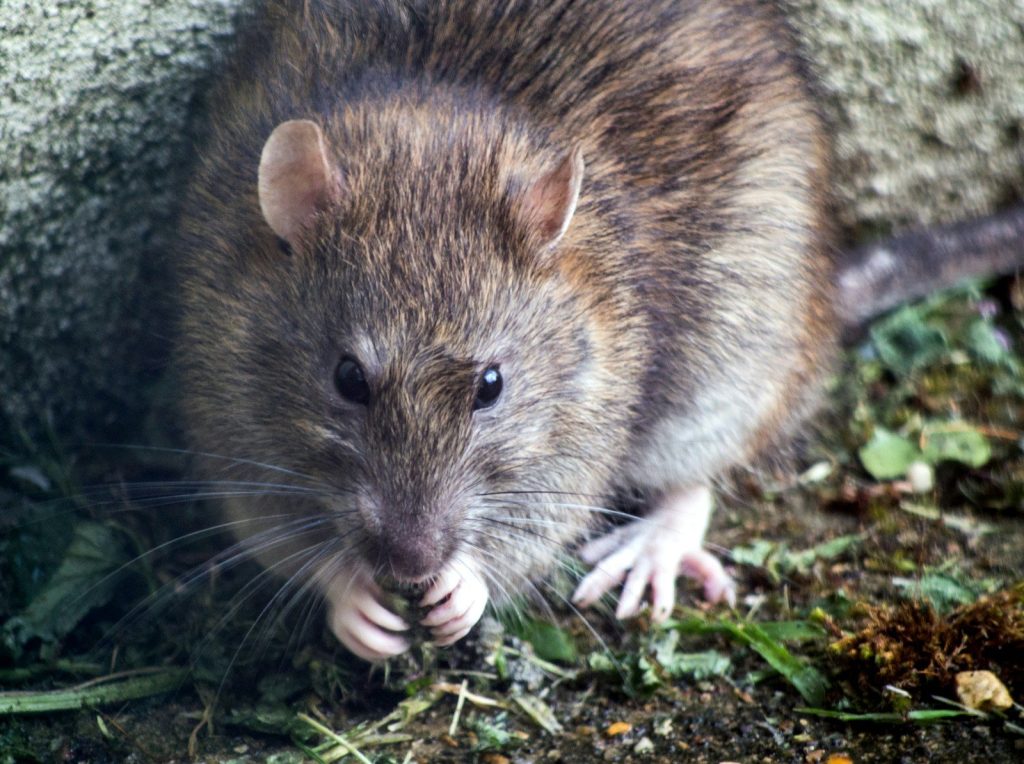
Brown rats, also known as Norway rats or sewer rats, displayed fewer resistance mutations during the study. Researchers believe their cautious feeding habits have slowed the development of poison resistance.
These rats often avoid unfamiliar food sources and traps, reducing their exposure to rodenticides. However, scientists warn that resistance could continue increasing if selective pressure remains.
Growing Health Risks Linked to Urban Rodent Populations
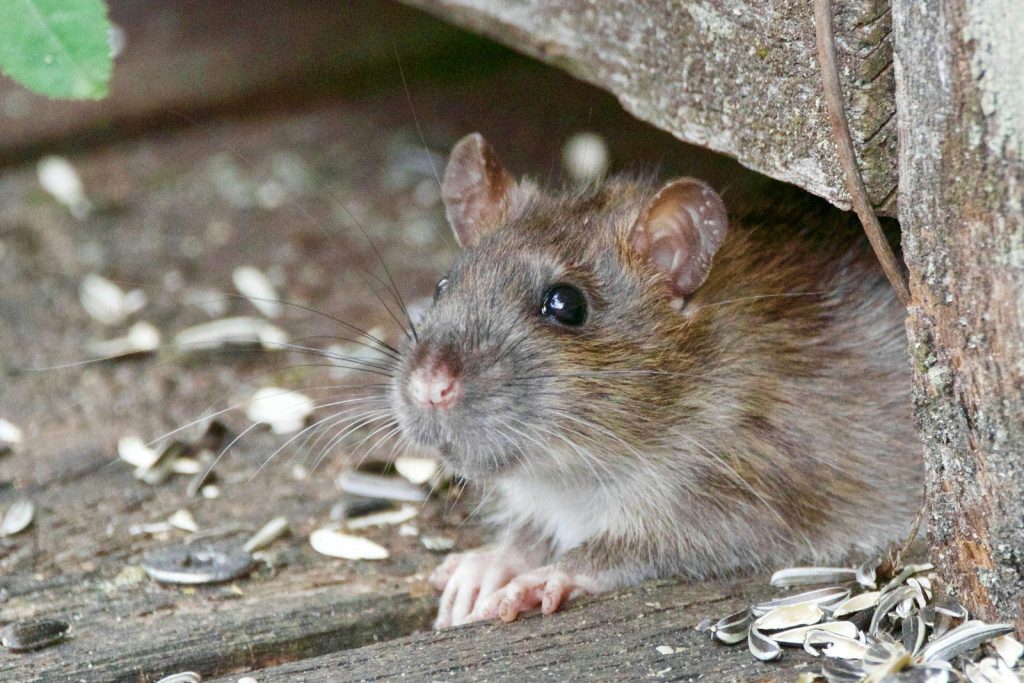
Rodents remain significant carriers of diseases that can spread to humans, including hantavirus, leptospirosis, salmonella, and, in rare cases, plague. Larger infestations increase the chances of human exposure.
Researchers noted that ineffective pest control may allow resistant rodent populations to expand further, making disease prevention and urban sanitation even more challenging for city officials.
Researchers Call for Smarter Pest Control Strategies
The findings suggest cities may need to reduce their dependence on chemical poisons alone and adopt integrated pest management methods. Improved sanitation, habitat reduction, building maintenance, and targeted control programs could become increasingly important.
Scientists say continued genetic monitoring of rodent populations will help authorities identify emerging resistance patterns and develop more effective approaches to managing rodents while protecting public health.