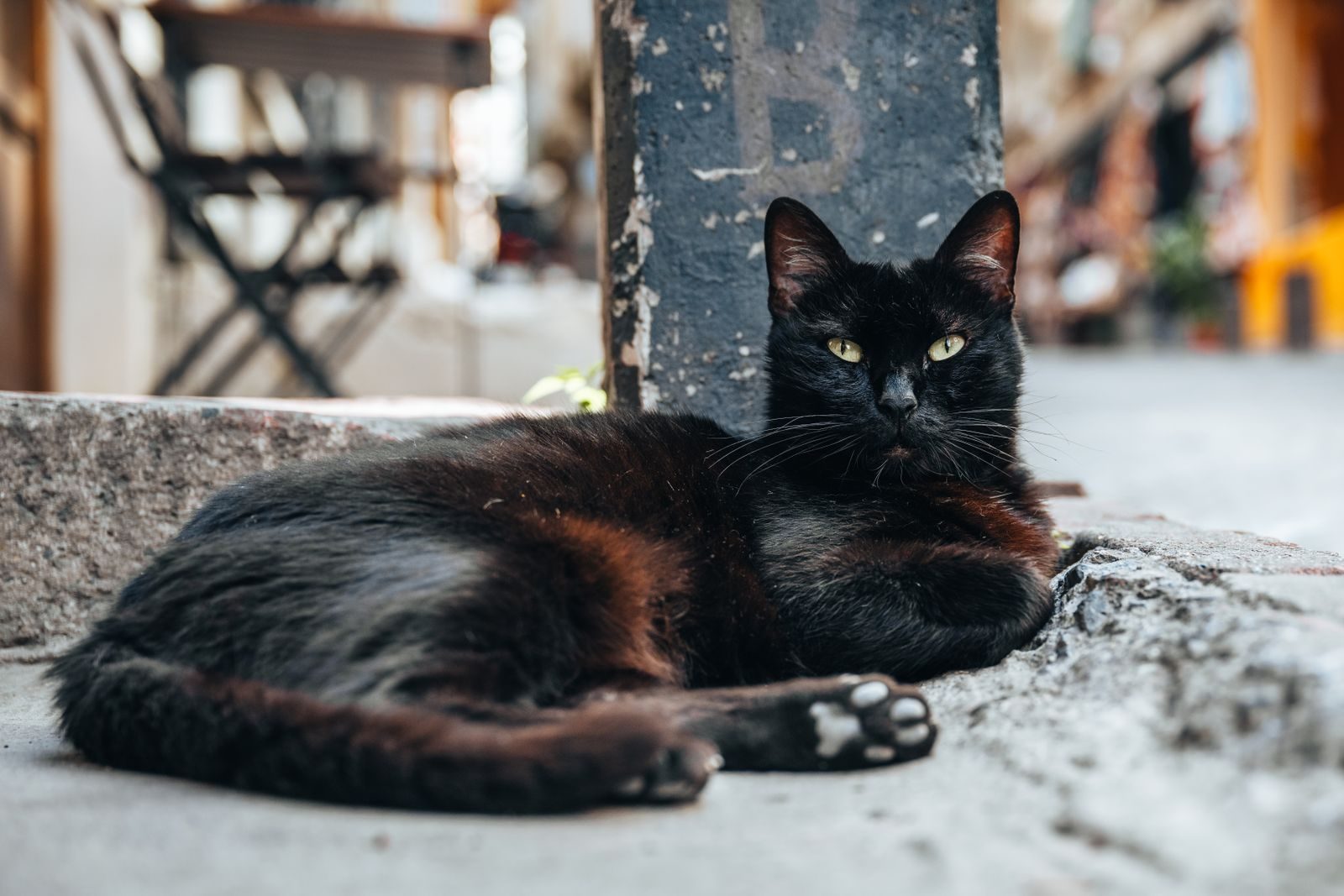
Black cats have long been surrounded by myths, folklore, and superstition, but science paints a very different picture. Their striking coats are the result of fascinating genetics, and researchers continue to study these felines to better understand everything from pigmentation to disease resistance.
Far from being symbols of bad luck, black cats are just as affectionate, intelligent, and diverse as any other cat. Their unique appearance and biology have made them one of the most intriguing subjects in feline research.
Their Black Coat Comes From a Special Pigment
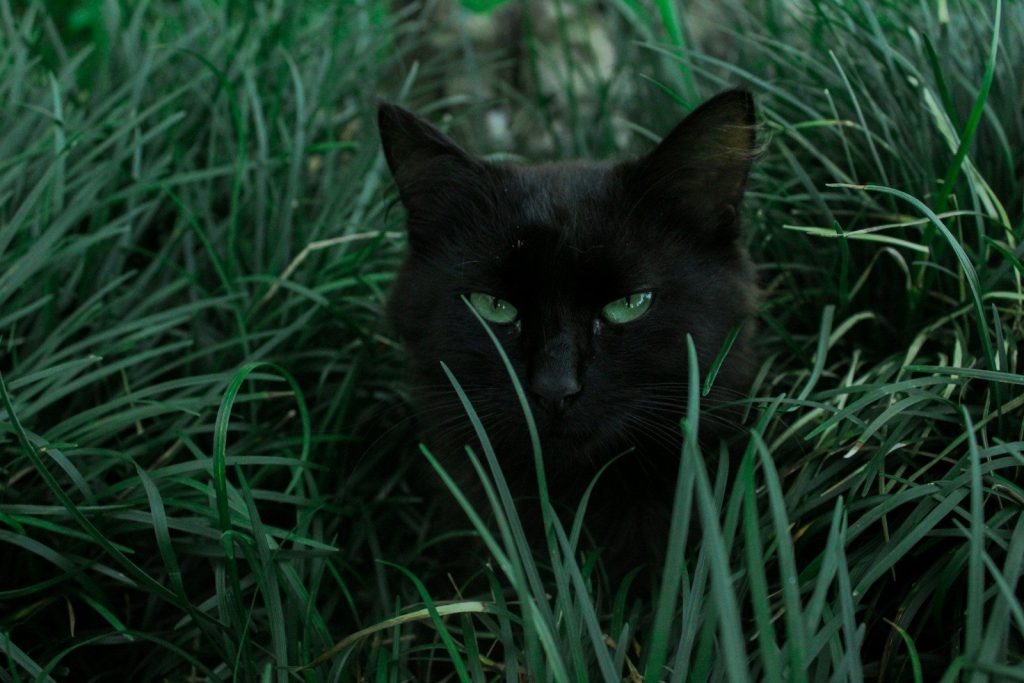
The rich black color seen in these cats comes from a pigment called eumelanin, which is responsible for dark shades in fur, skin, and eyes. The amount and distribution of this pigment determine how deep and glossy a cat’s coat appears.
A cat’s genetics control whether this pigment is expressed, making black coats a naturally occurring trait rather than anything unusual. Different breeds can carry the genes that produce solid black fur.
Some Black Cats Have Hidden Stripes
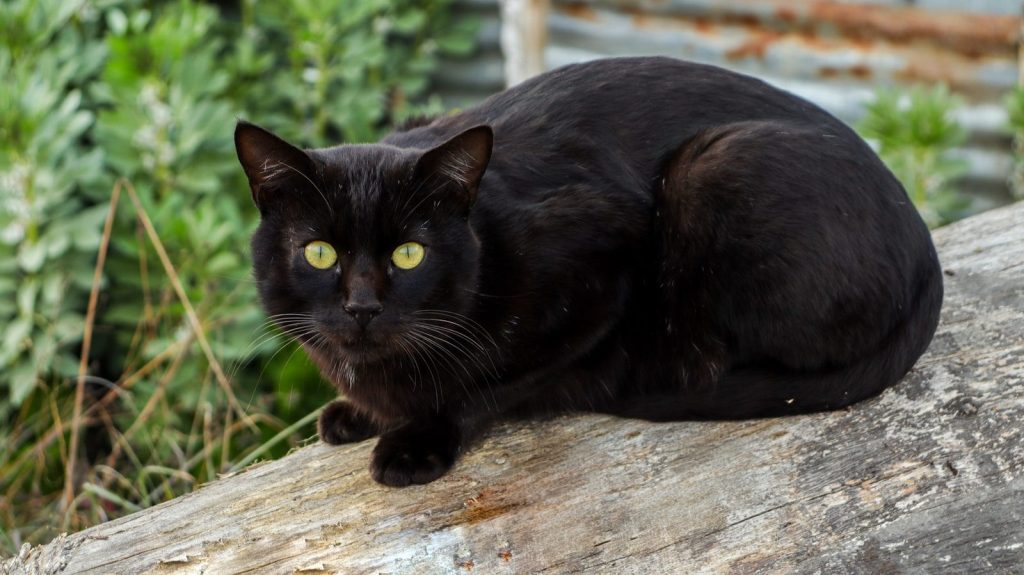
Many solid black cats actually carry the genes for tabby markings beneath their dark coats. Under bright sunlight, faint stripes or swirls may become visible, giving the fur a subtle patterned appearance.
These hidden markings are completely normal and simply reflect the complex genetics behind feline coat patterns. They are easier to notice in certain lighting conditions or as the coat ages.
Scientists Are Studying Their Unique Genetics

Researchers have found that some of the genetic mutations linked to black coats may also be connected to immune system function. This has led scientists to investigate whether these genes could provide clues about disease resistance in cats and even human medicine.
Although research is ongoing, these discoveries highlight that black cats are scientifically interesting far beyond their appearance. Their genetics continue to provide valuable insights for researchers.
Black Cats Are Found in Many Different Breeds
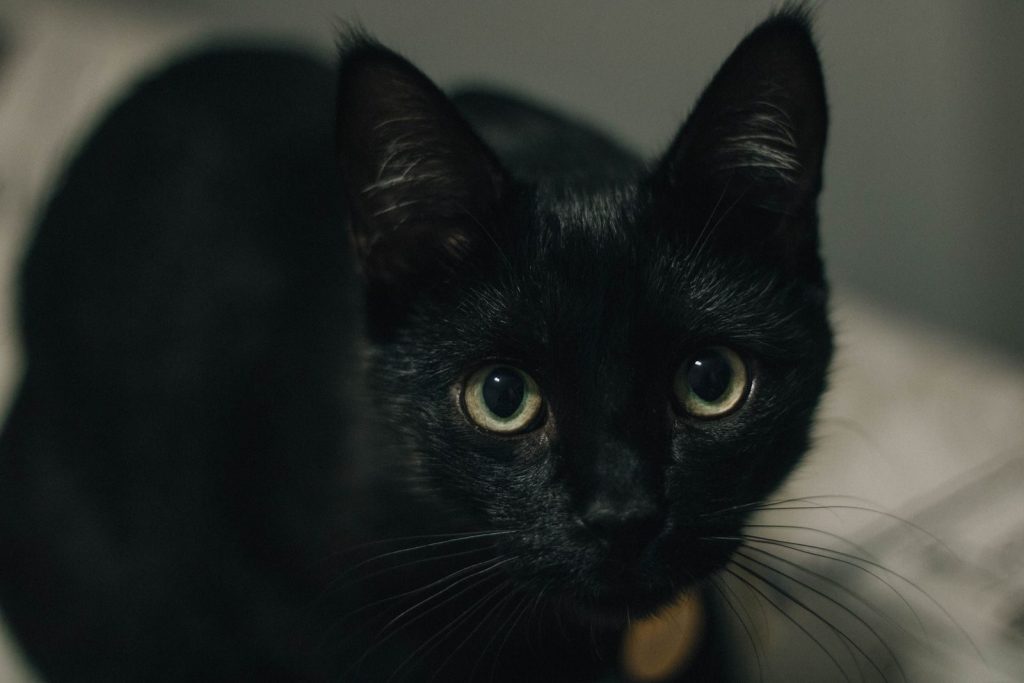
People often assume black cats belong to a single breed, but they can appear in dozens of breeds with different body types and personalities. The coat color is simply one genetic trait and does not determine a cat’s behavior or temperament.
One breed, the Bombay, is specifically known for its sleek all black appearance, but many other breeds can also produce black coated kittens. Each retains its own distinct characteristics regardless of color.
Superstitions Have No Scientific Basis

For centuries, black cats were associated with myths about bad luck and witchcraft in some cultures. In reality, there is no scientific evidence connecting black cats to misfortune or supernatural events.
Interestingly, not every culture views them negatively. In several countries, black cats are considered symbols of prosperity, protection, or good fortune.
They Deserve Recognition Beyond the Myths
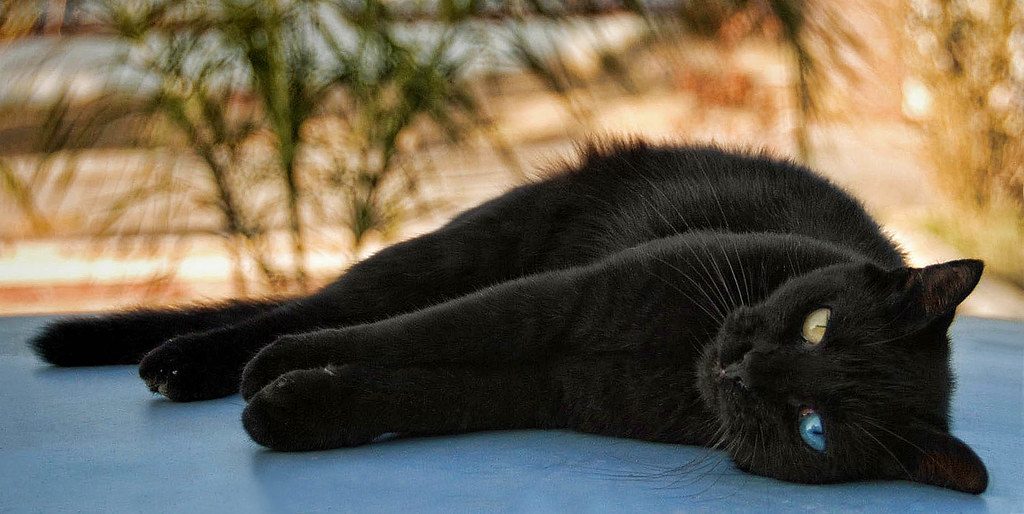
Black cats are healthy, capable, and affectionate companions whose unique coats are the result of remarkable genetics rather than superstition. Their striking appearance has inspired scientific research while also challenging centuries of misconceptions.
As researchers continue learning more about feline genetics, black cats remain an excellent reminder that science often tells a far more fascinating story than folklore. Appreciating them for their biology instead of old myths helps these beautiful animals receive the admiration they deserve.