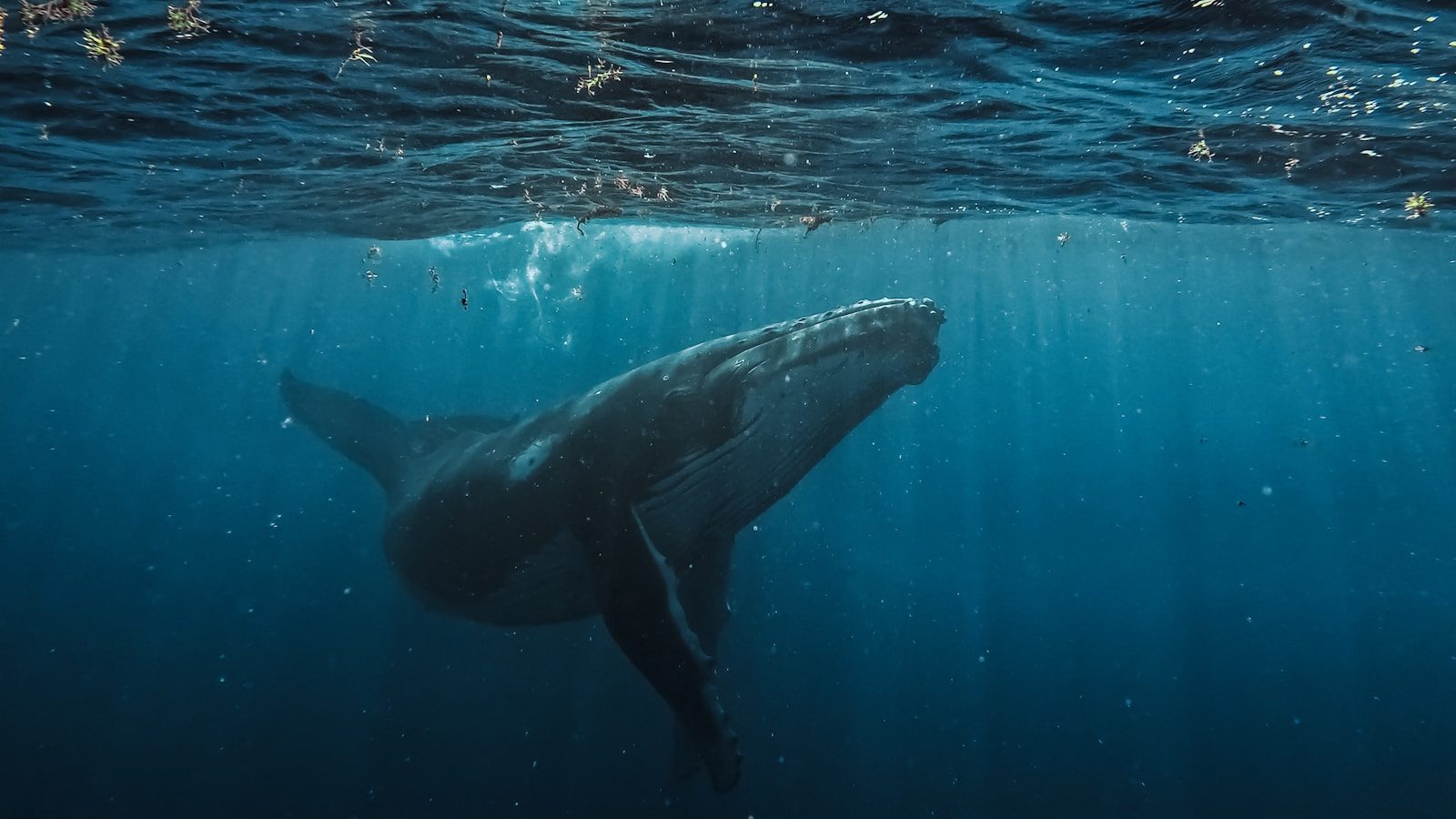
The world’s oceans, rivers, lakes, and wetlands are home to an extraordinary variety of aquatic animals. From massive marine mammals to tiny creatures that thrive in extreme environments, these species display remarkable adaptations that help them survive beneath the surface.
Many aquatic animals possess abilities that seem almost unbelievable. Their unique behaviors, physical features, and survival strategies continue to fascinate scientists and nature enthusiasts alike.
Octopuses Are Masters of Intelligence and Camouflage
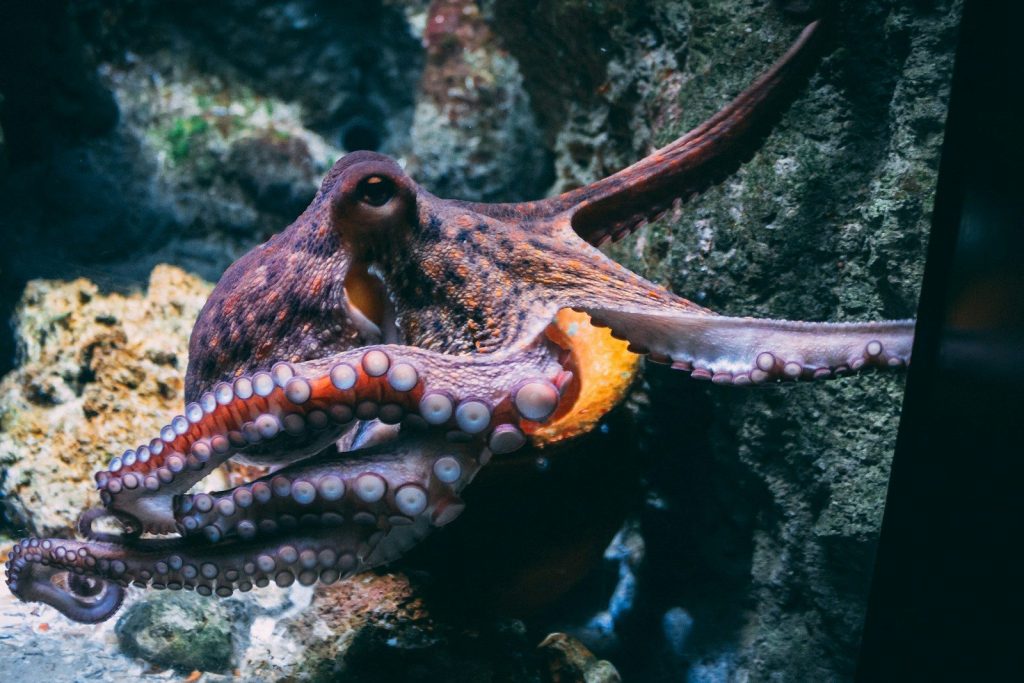
Octopuses are widely regarded as some of the most intelligent creatures in the ocean. They can solve puzzles, navigate mazes, and even use tools to protect themselves from predators.
Their ability to change color and texture allows them to blend seamlessly into their surroundings. This remarkable camouflage helps them hunt prey and avoid becoming a meal themselves.
Dolphins Communicate in Complex Ways
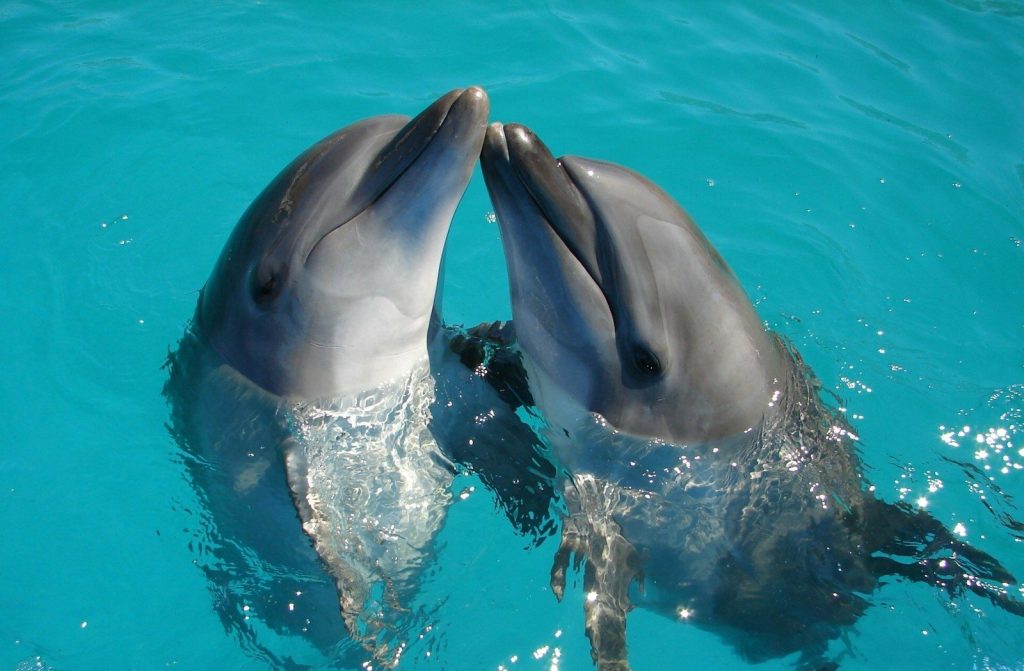
Dolphins are highly social animals that live and travel in groups known as pods. They rely on a sophisticated system of clicks, whistles, and body movements to communicate with one another.
Researchers have discovered that dolphins can recognize individual members of their group through unique sounds. Their advanced communication skills contribute to strong social bonds and cooperative behavior.
Sea Turtles Travel Thousands of Miles
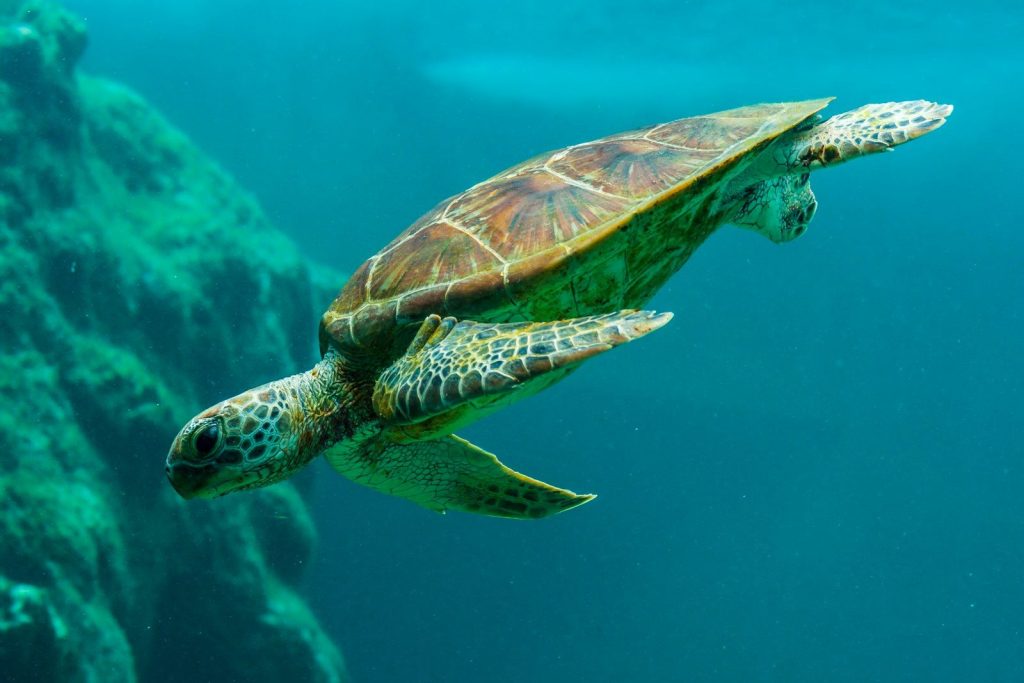
Sea turtles are known for their incredible migrations across vast stretches of ocean. Some species travel thousands of miles between feeding grounds and nesting beaches during their lifetime.
Despite spending years at sea, female sea turtles often return to the same beaches where they were born. This impressive navigational ability remains one of nature’s most fascinating mysteries.
Jellyfish Have Survived for Millions of Years
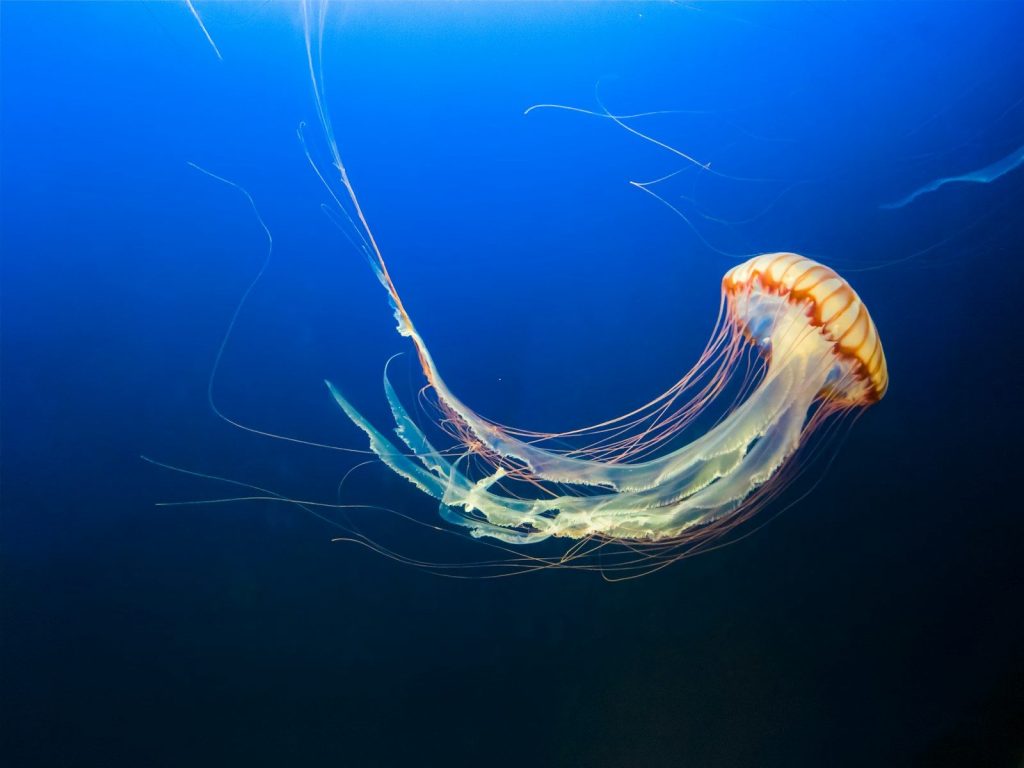
Jellyfish are among the oldest living creatures on Earth, with ancestors dating back hundreds of millions of years. Their simple body structure has proven remarkably effective for survival over time.
These animals drift through the water using gentle pulsations while capturing prey with specialized tentacles. Some species can even produce a glowing effect through a process known as bioluminescence.
Seahorses Challenge Traditional Animal Roles
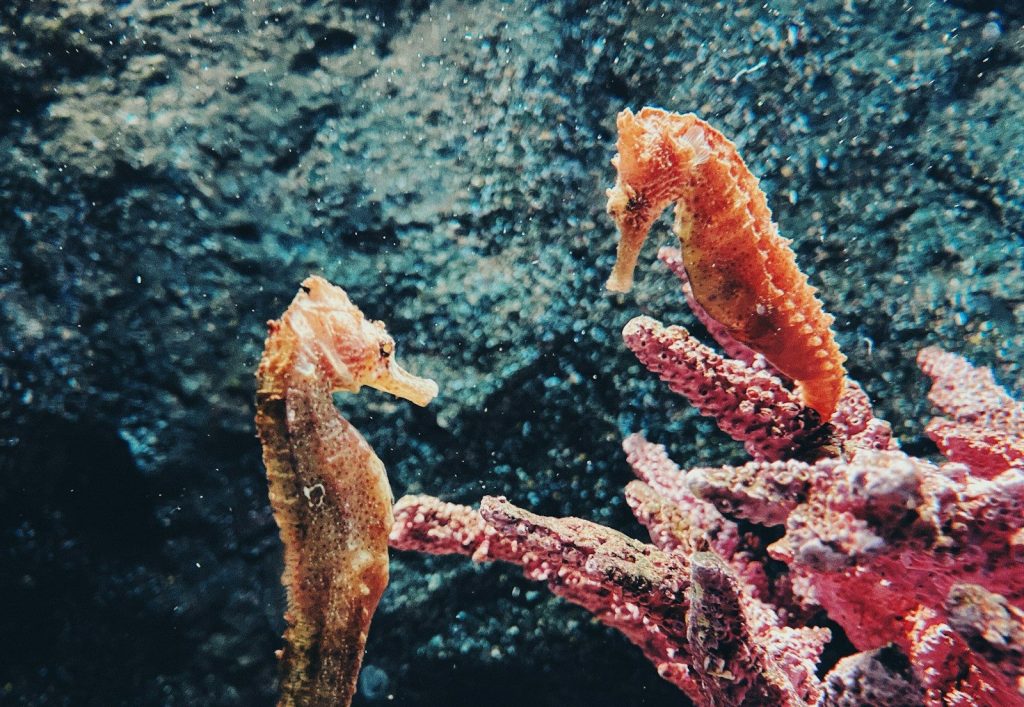
Seahorses stand out because males carry and give birth to the young. After the female transfers her eggs, the male protects and nurtures them in a specialized pouch until they are ready to emerge.
Their unusual reproductive process makes seahorses unique among aquatic animals. Combined with their distinctive appearance, this trait has made them one of the ocean’s most recognizable species.
Whales Demonstrate the Power of Marine Giants
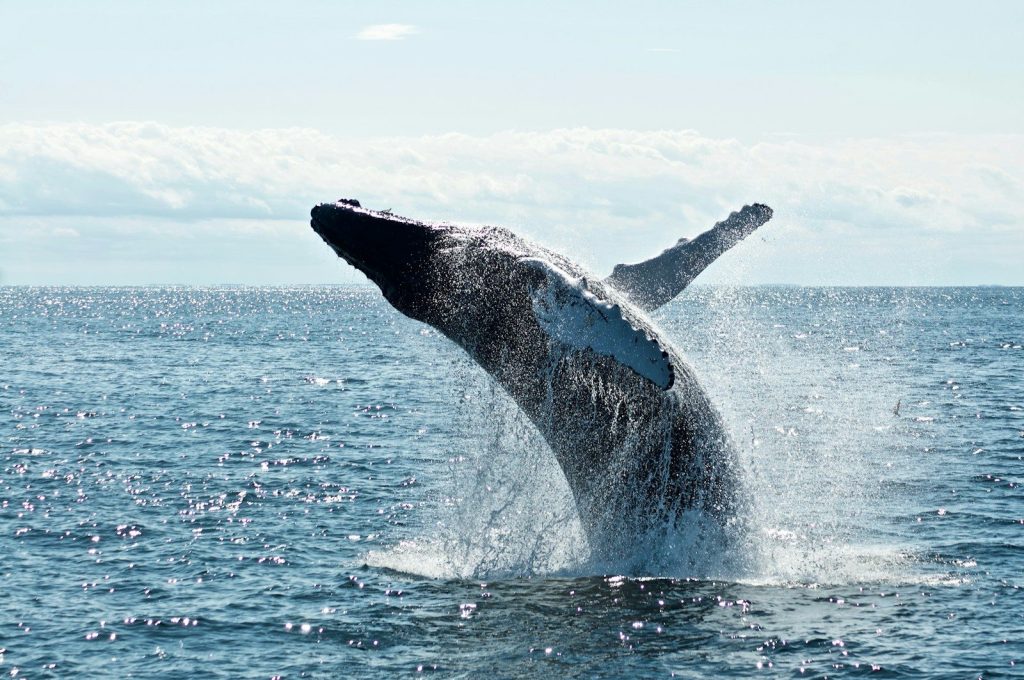
Whales are among the largest animals ever to inhabit the planet. Despite their immense size, many species feed on tiny organisms such as krill by filtering enormous amounts of water.
These marine mammals are also known for their complex vocalizations. Whale songs can travel long distances underwater and play an important role in communication and social interaction.