Australia is home to some of the world’s most distinctive wildlife, and many of its most fascinating creatures are active when the sun goes down. From burrowing mammals to tree dwelling marsupials, these animals have adapted to life in the dark with remarkable survival skills.
While kangaroos and koalas often steal the spotlight, Australia’s nocturnal species play an equally important role in the country’s ecosystems. Their unique behaviors and specialized adaptations make them some of the most intriguing animals found anywhere on Earth.
Wombats Spend Their Nights Exploring and Feeding
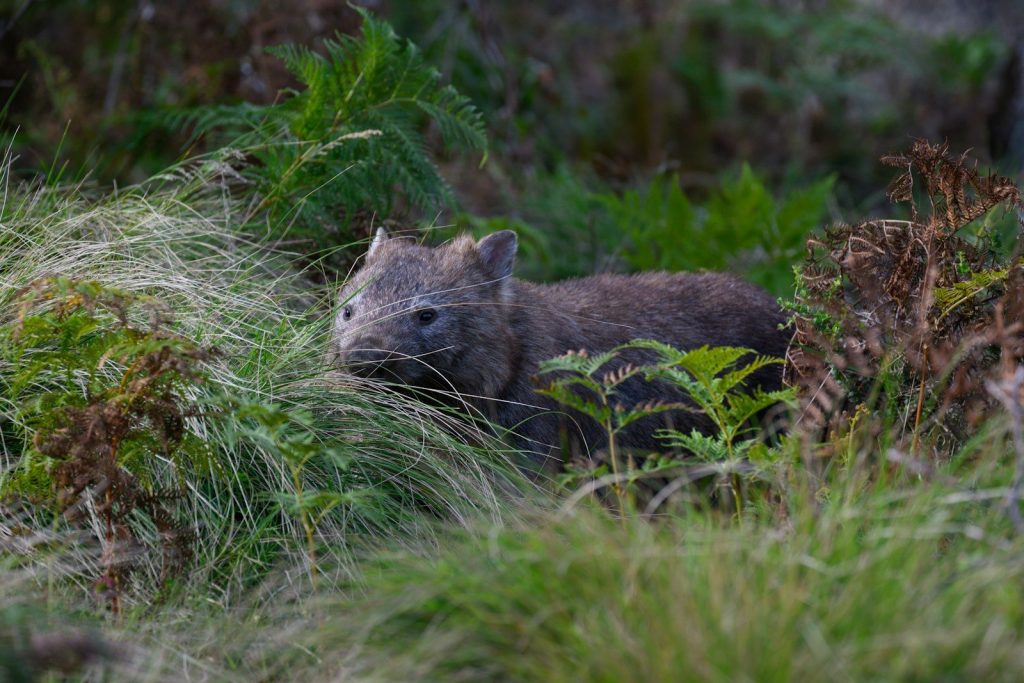
Wombats are sturdy marsupials known for their powerful limbs and impressive digging abilities. During the day they remain sheltered in burrows, emerging after sunset to search for grasses and other vegetation.
Their nocturnal lifestyle helps them avoid Australia’s intense daytime temperatures. By feeding at night, wombats can conserve energy while staying protected from the harsh heat.
Sugar Gliders Glide Through the Darkness
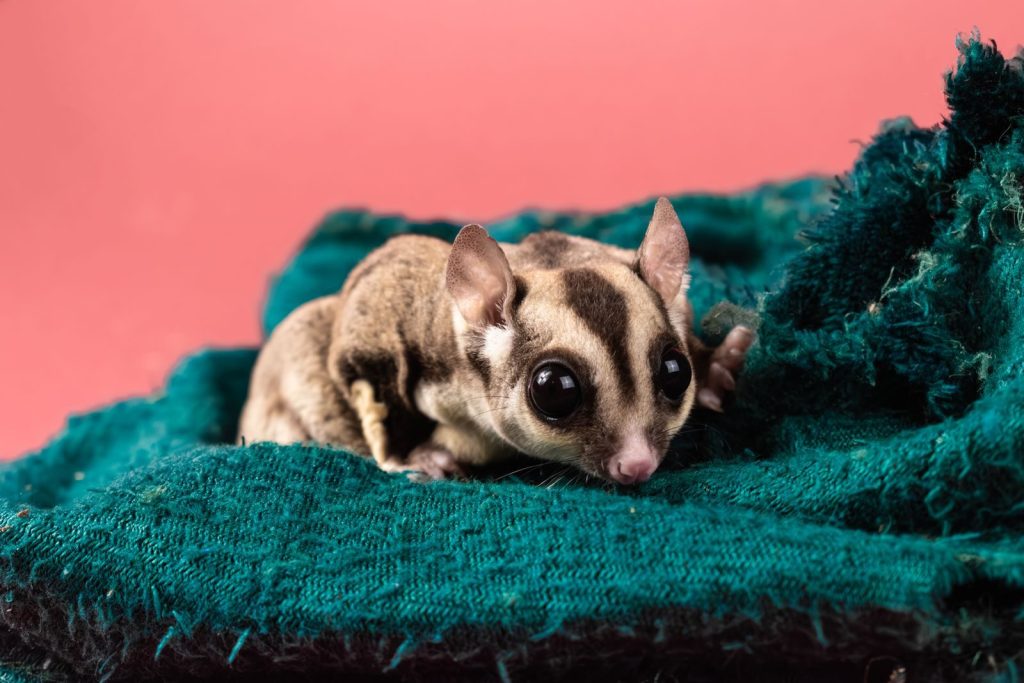
Sugar gliders are small marsupials that move effortlessly between trees using a membrane that stretches between their limbs. These agile animals become active after dark as they search for insects, nectar, and tree sap.
Large eyes help them navigate through forests in low light conditions. Their ability to glide allows them to travel efficiently while avoiding many ground based threats.
Bilbies Are Desert Survivors of the Night
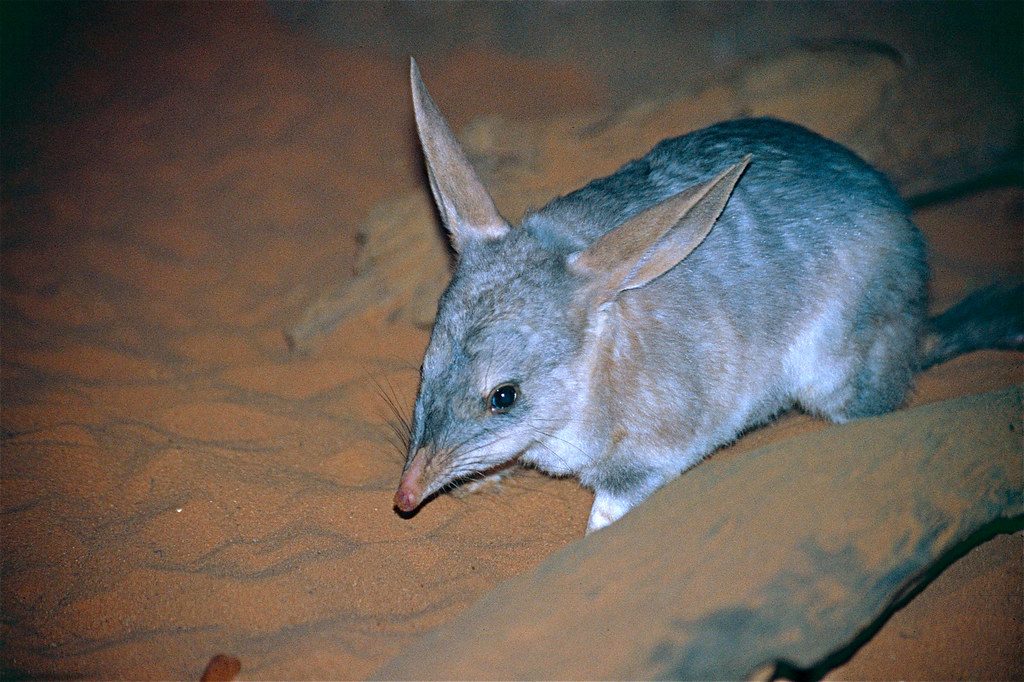
Bilbies are distinctive mammals recognized by their long ears and pointed snouts. They spend daylight hours in underground burrows before venturing out at night to forage for seeds, insects, and roots.
These animals are well adapted to arid environments where daytime temperatures can be extreme. Their nighttime activity helps them reduce water loss and remain safe from predators.
Possums Thrive in Australia’s Forests and Urban Areas
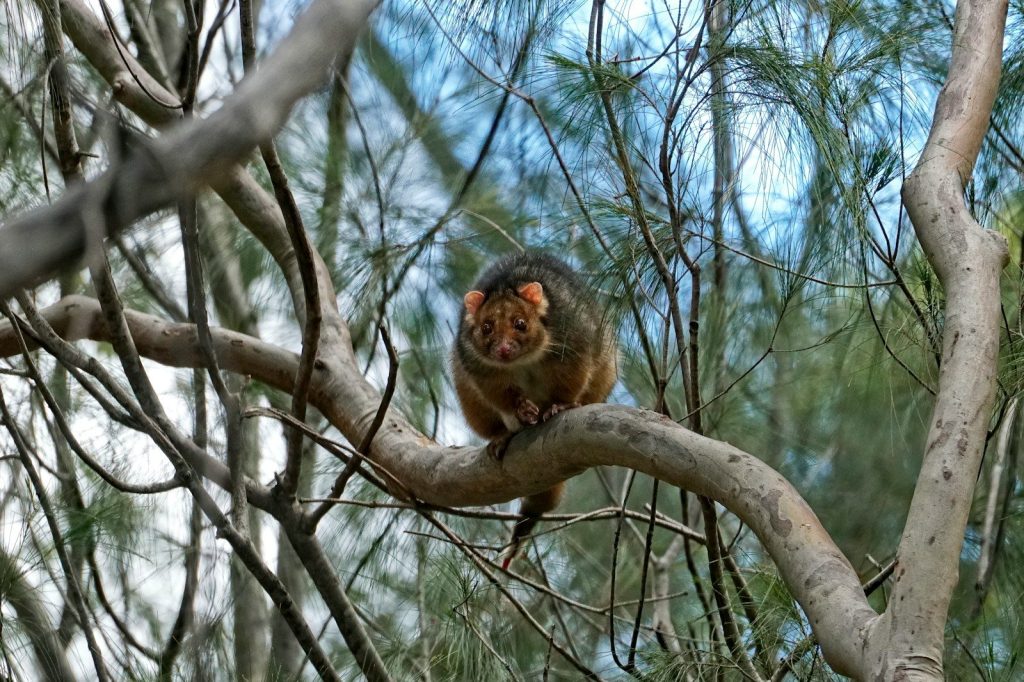
Australia is home to several possum species that become active once darkness falls. These adaptable animals can be found in forests, woodlands, and even suburban neighborhoods.
Possums use their climbing skills to move through trees while searching for food. Their varied diet allows them to take advantage of a wide range of available resources.
Tawny Frogmouths Rely on Camouflage and Patience
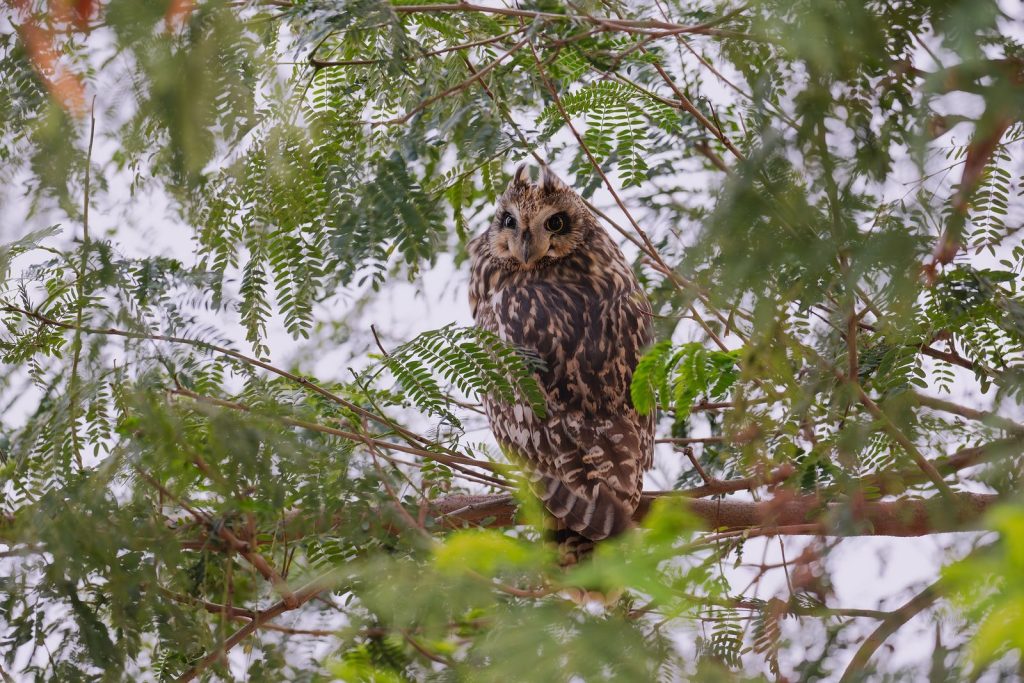
The tawny frogmouth is a master of disguise that often resembles a broken tree branch when resting. Although many people mistake it for an owl, it belongs to a different group of birds.
At night, tawny frogmouths hunt insects and small animals with remarkable precision. Their excellent camouflage provides protection during the day when they remain motionless among tree branches.
Quolls and Tasmanian Devils Rule the Night
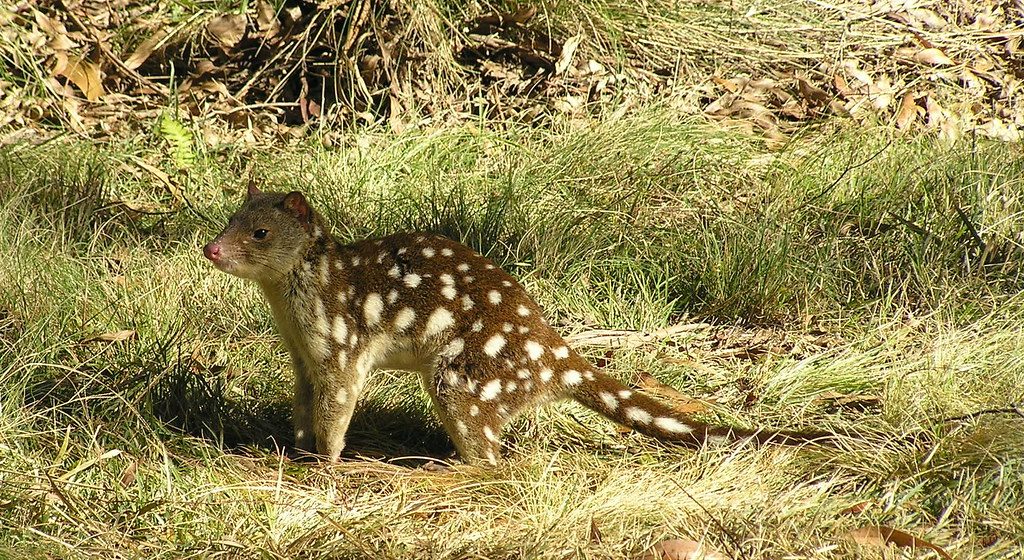
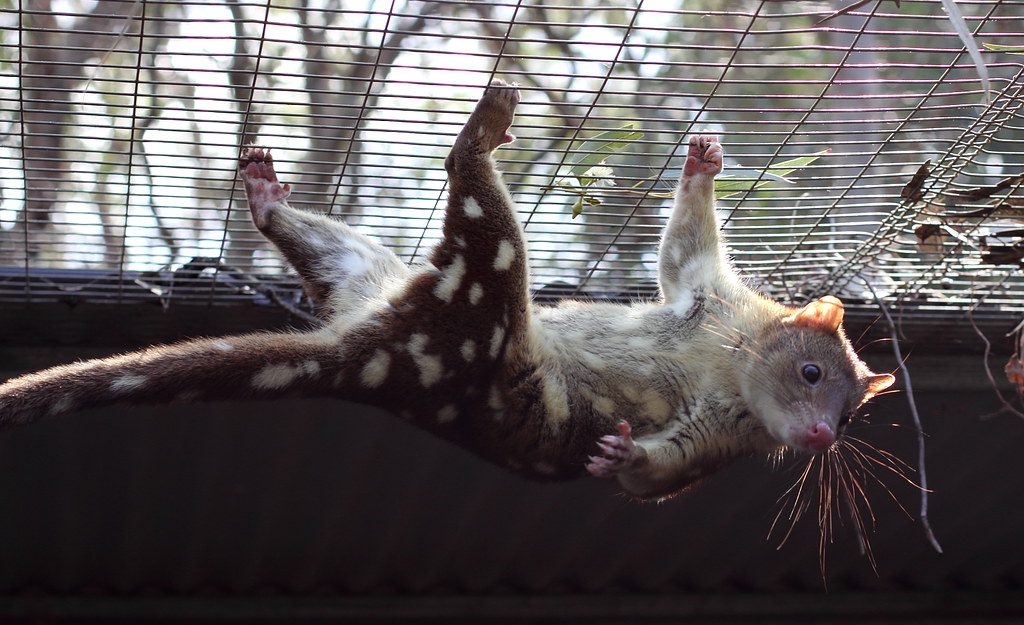
Quolls are spotted carnivorous marsupials that use their sharp senses to hunt after sunset. They play an important role in controlling populations of smaller animals and insects.
Tasmanian devils are among Australia’s most famous nocturnal predators. These powerful scavengers and hunters become highly active at night, using their strong jaws and keen sense of smell to locate food.