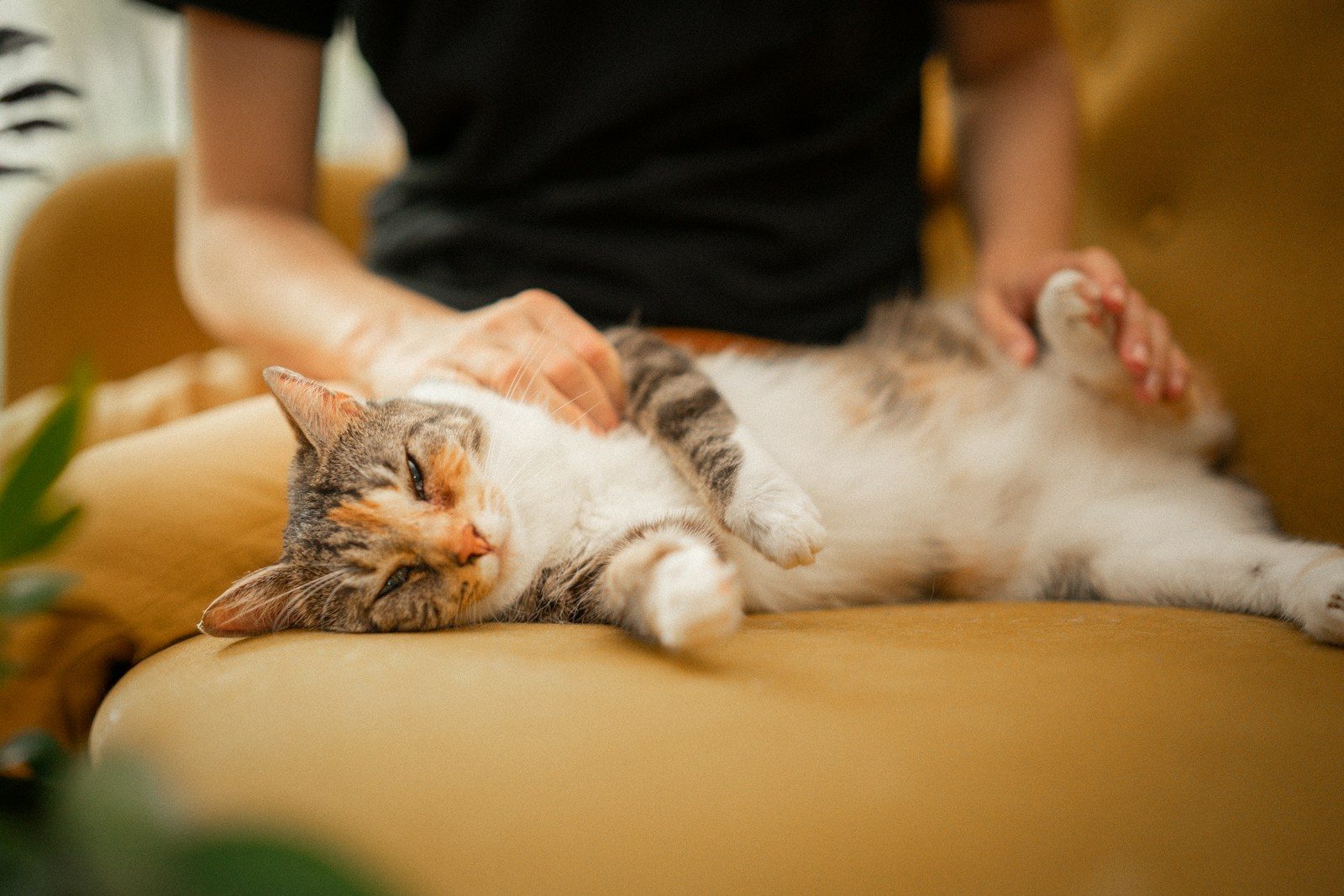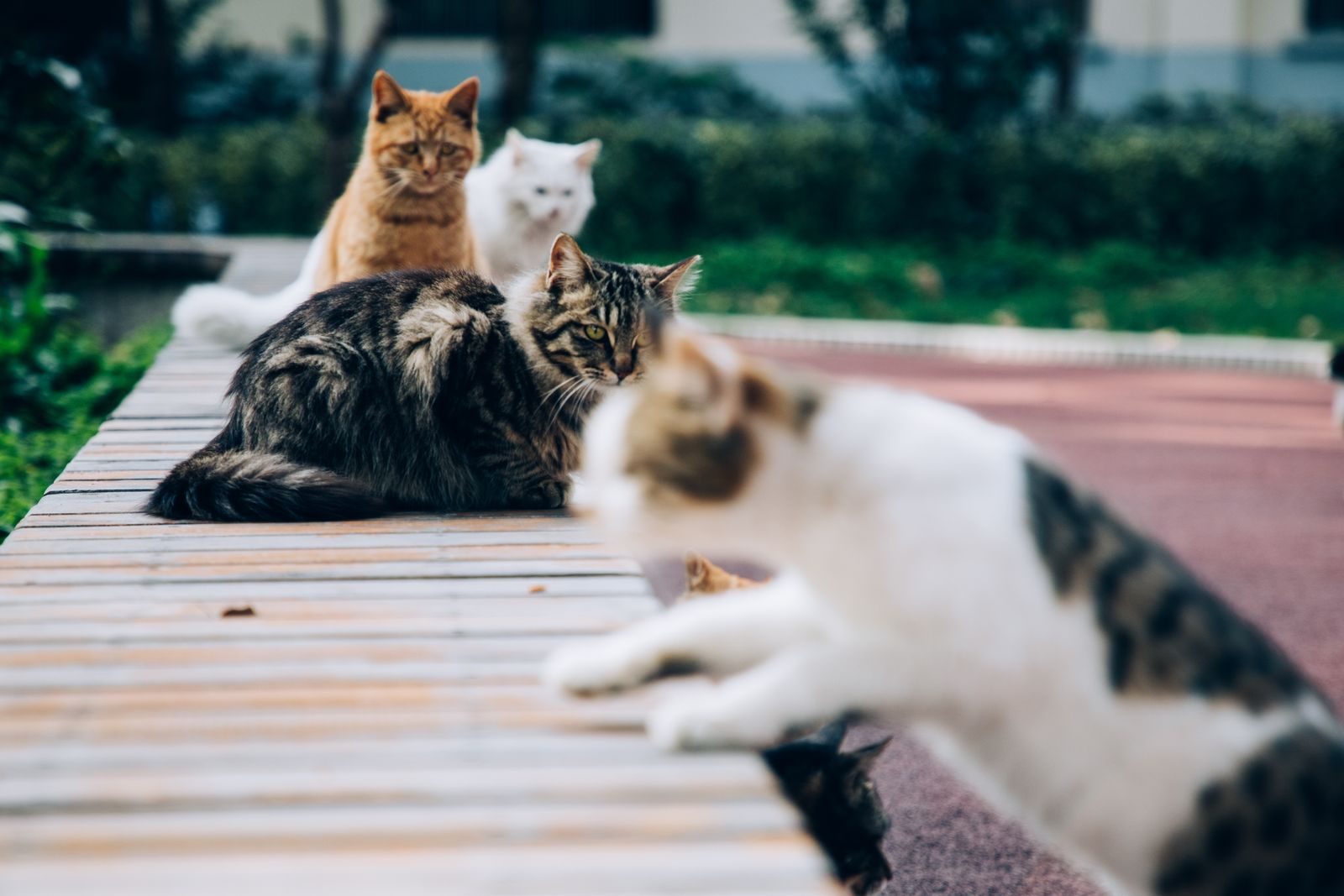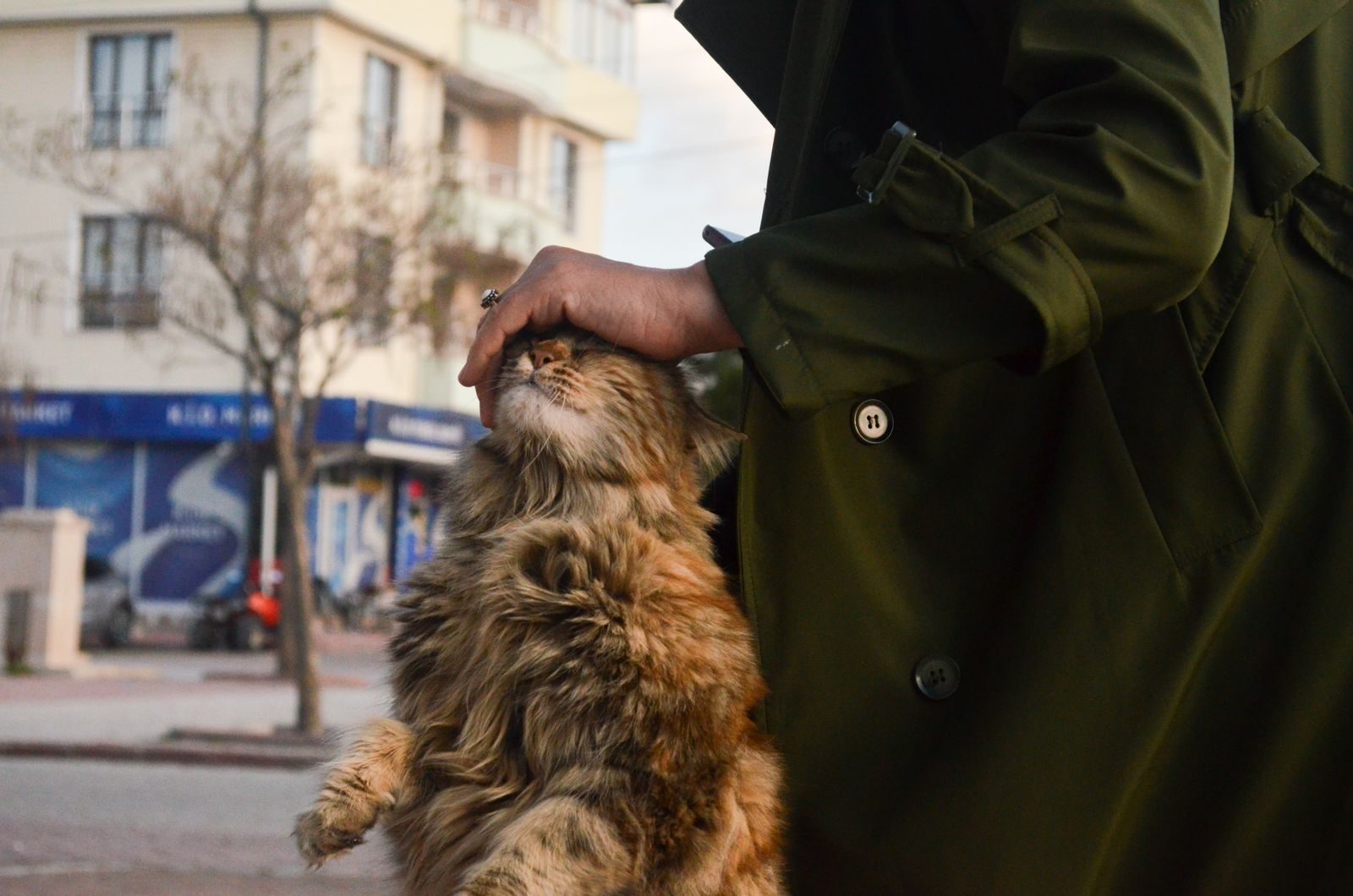
Cat owners often describe their pets as independent, intelligent, and full of personality. While many felines form strong bonds with their humans, new research suggests their willingness to help may depend more on personal motivation than selfless concern.
The findings add another layer to our understanding of feline behavior rather than proving cats are uncaring. Experts say cats are capable of social interactions, but their decisions are often influenced by whether they see a benefit for themselves.
Cats Show Affection in Their Own Unique Ways
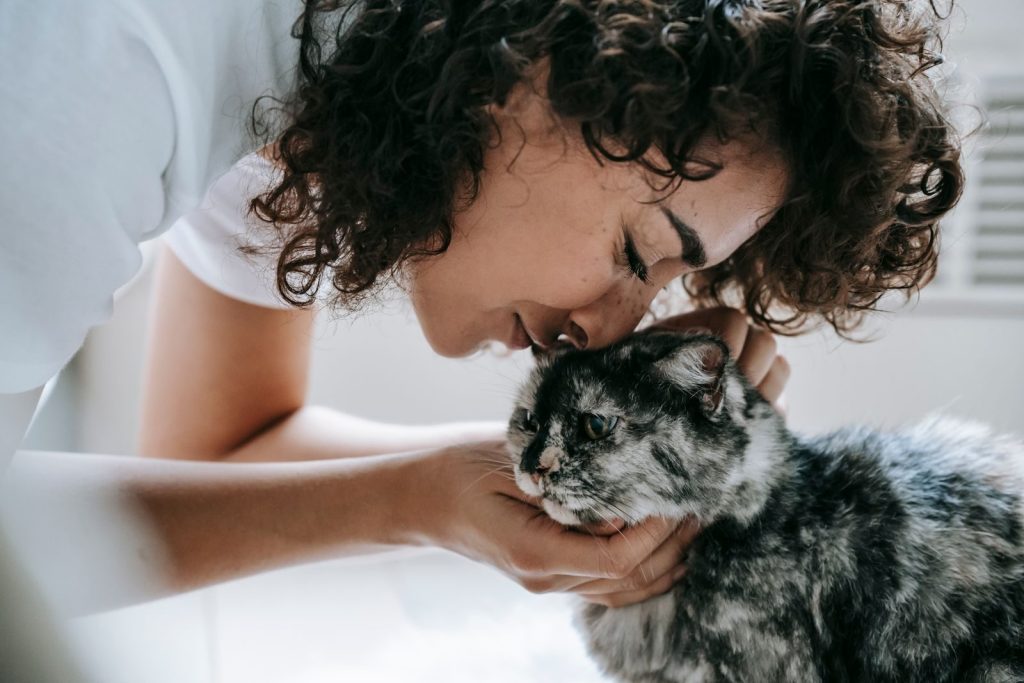
Unlike dogs, cats typically express affection through subtle behaviors rather than obvious displays. Slow blinking, head bunting, purring, and choosing to sit near their owners are all common signs of trust and comfort.
These quiet gestures can sometimes be misunderstood as indifference. In reality, cats often develop close relationships with their families while maintaining their naturally independent personalities.
Researchers Explored How Cats Respond to Human Needs
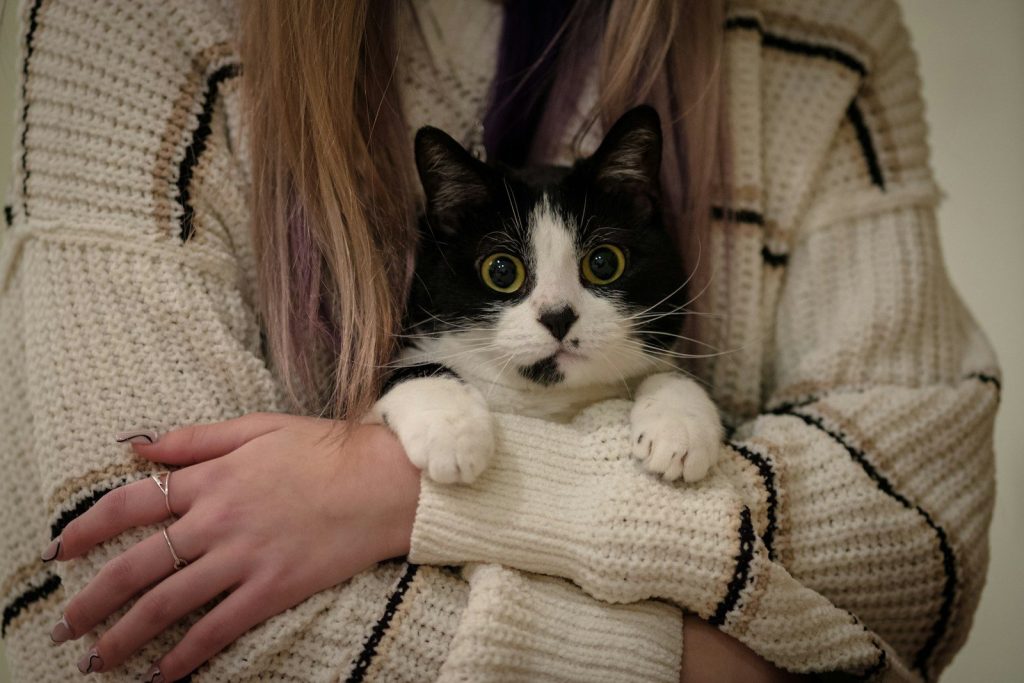
Scientists examined whether cats would assist people in situations where help appeared to be needed. The results indicated that cats were less likely to intervene unless there was something rewarding or personally interesting involved.
This behavior reflects how cats have evolved over thousands of years. Their responses are often guided by curiosity, comfort, or the possibility of receiving food, attention, or another benefit.
Independence Is Part of a Cat’s Natural Instinct
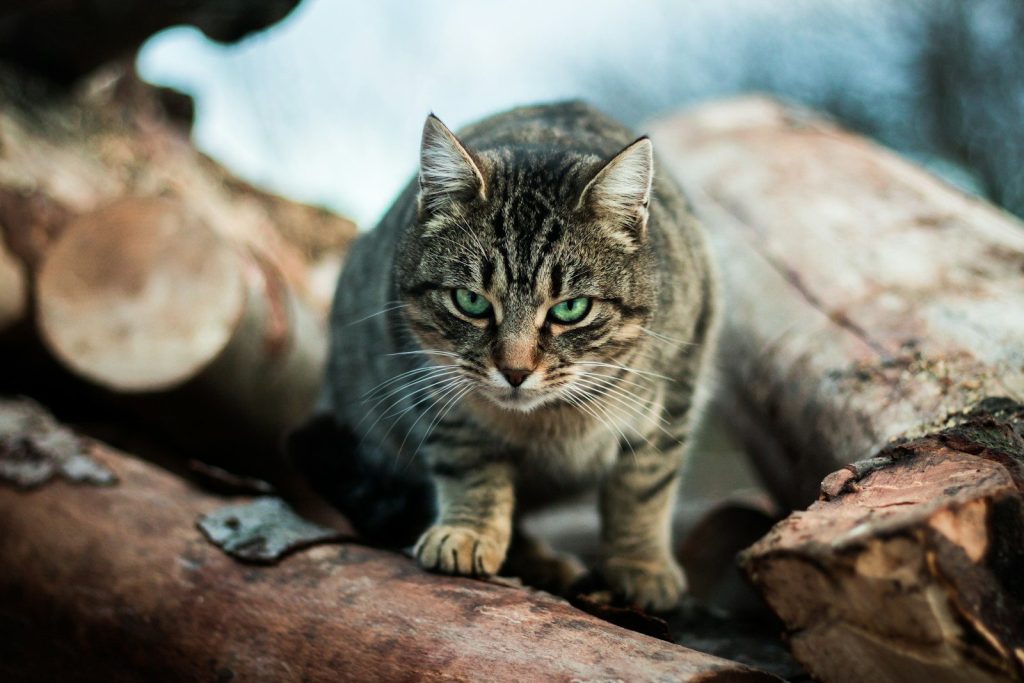
Domestic cats descended from largely solitary wild ancestors that relied on individual hunting skills. Unlike highly social pack animals, they developed behaviors that emphasized self reliance and careful decision making.
Although domestication strengthened their bond with humans, many of those ancestral instincts remain. This helps explain why cats often evaluate situations before deciding how to respond.
Dogs and Cats Have Different Social Behaviors
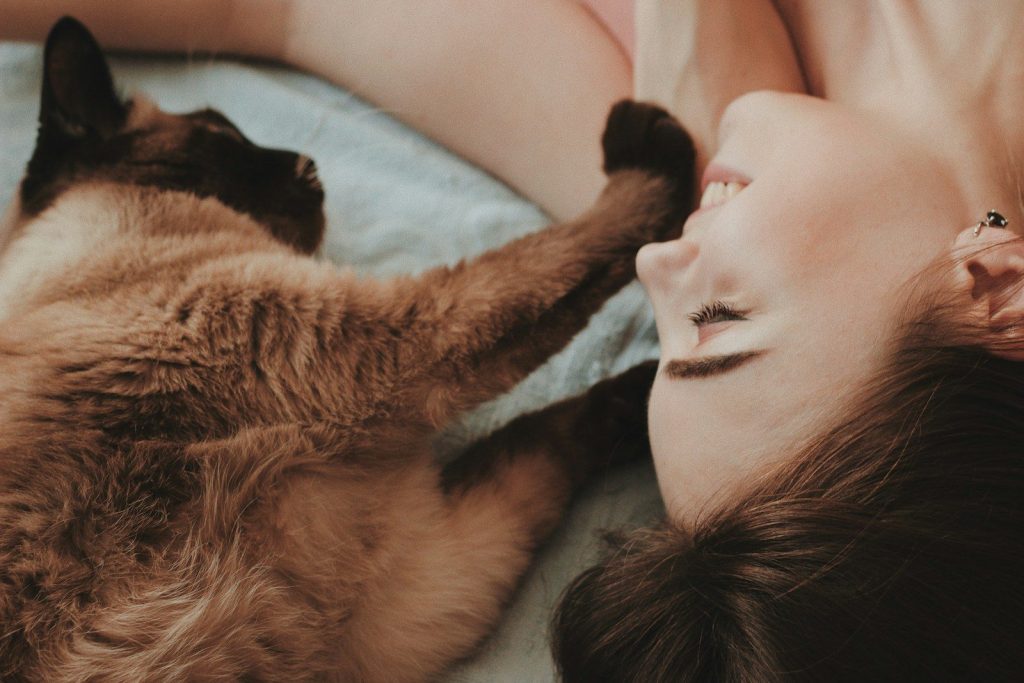
Dogs were domesticated to work alongside humans, making cooperation a central part of their behavior. Many breeds naturally look to people for guidance and are eager to assist during everyday activities.
Cats followed a different path toward domestication by living near human settlements where food was readily available. As a result, they tend to interact with people on their own terms rather than constantly seeking direction.
Helping Does Not Always Mean Immediate Action
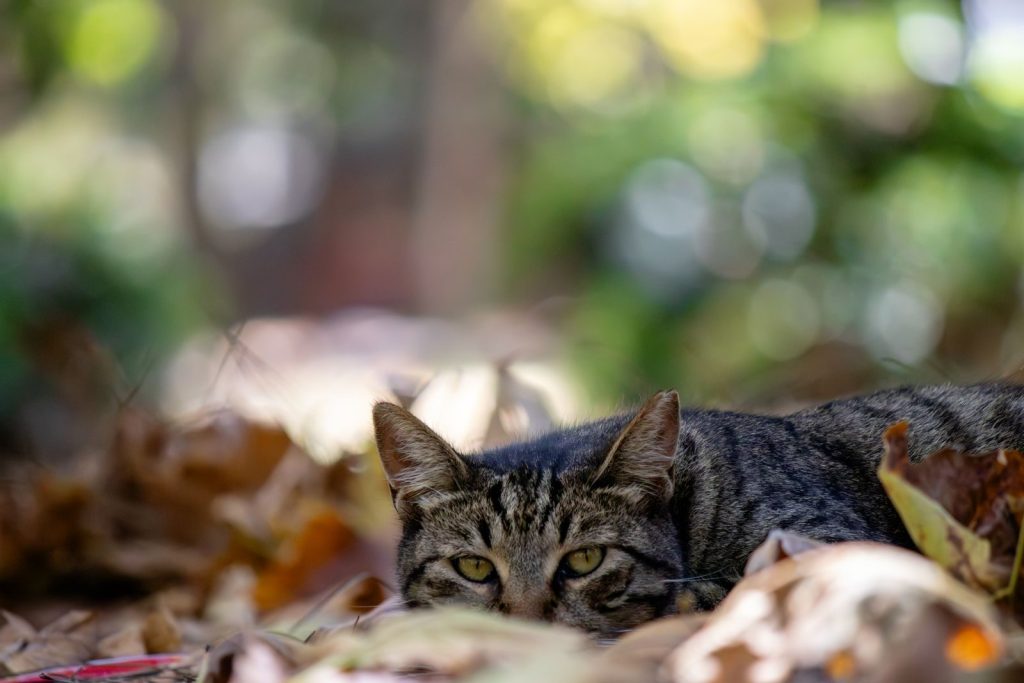
Experts caution that a cat’s hesitation should not be mistaken for a lack of attachment. Many cats observe situations carefully before reacting, and their responses may simply differ from human expectations.
Some felines provide comfort by quietly staying close to their owners during stressful moments. Others may respond only after determining that the situation is safe or beneficial.
Every Cat Has Its Own Personality
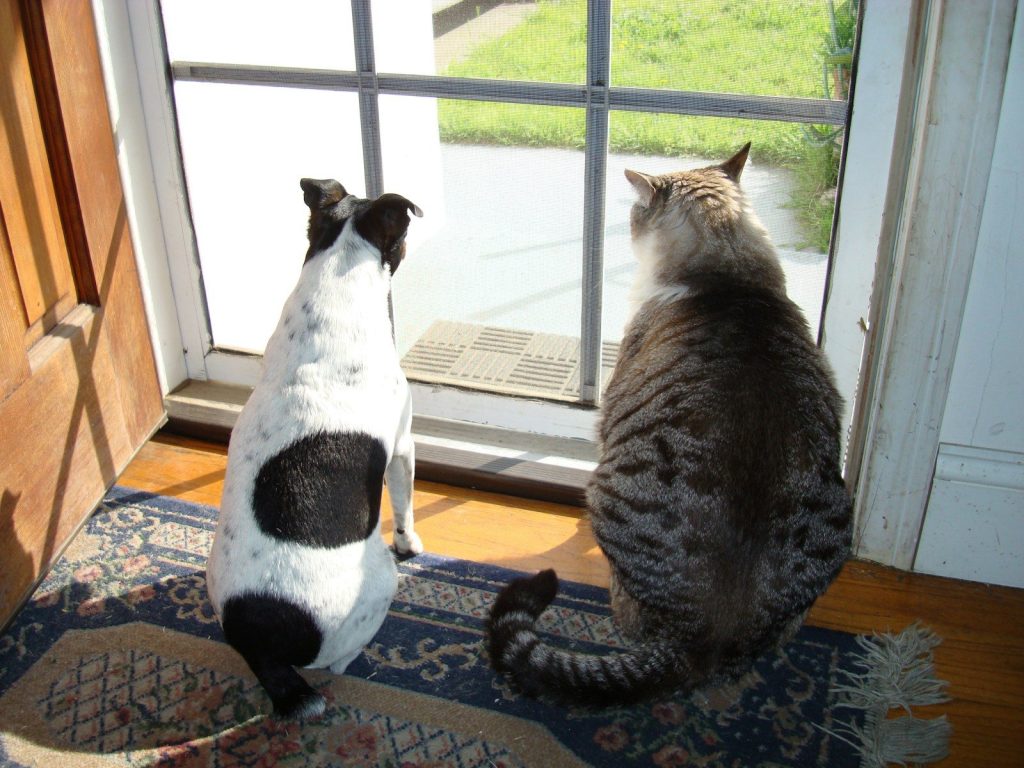
Just like people, individual cats display a wide range of temperaments. Some eagerly greet visitors and seek constant attention, while others prefer a quieter and more reserved lifestyle.
Experiences, early socialization, and breed characteristics all influence how a cat behaves. This means some cats may appear highly helpful and affectionate, while others remain more selective about their interactions.