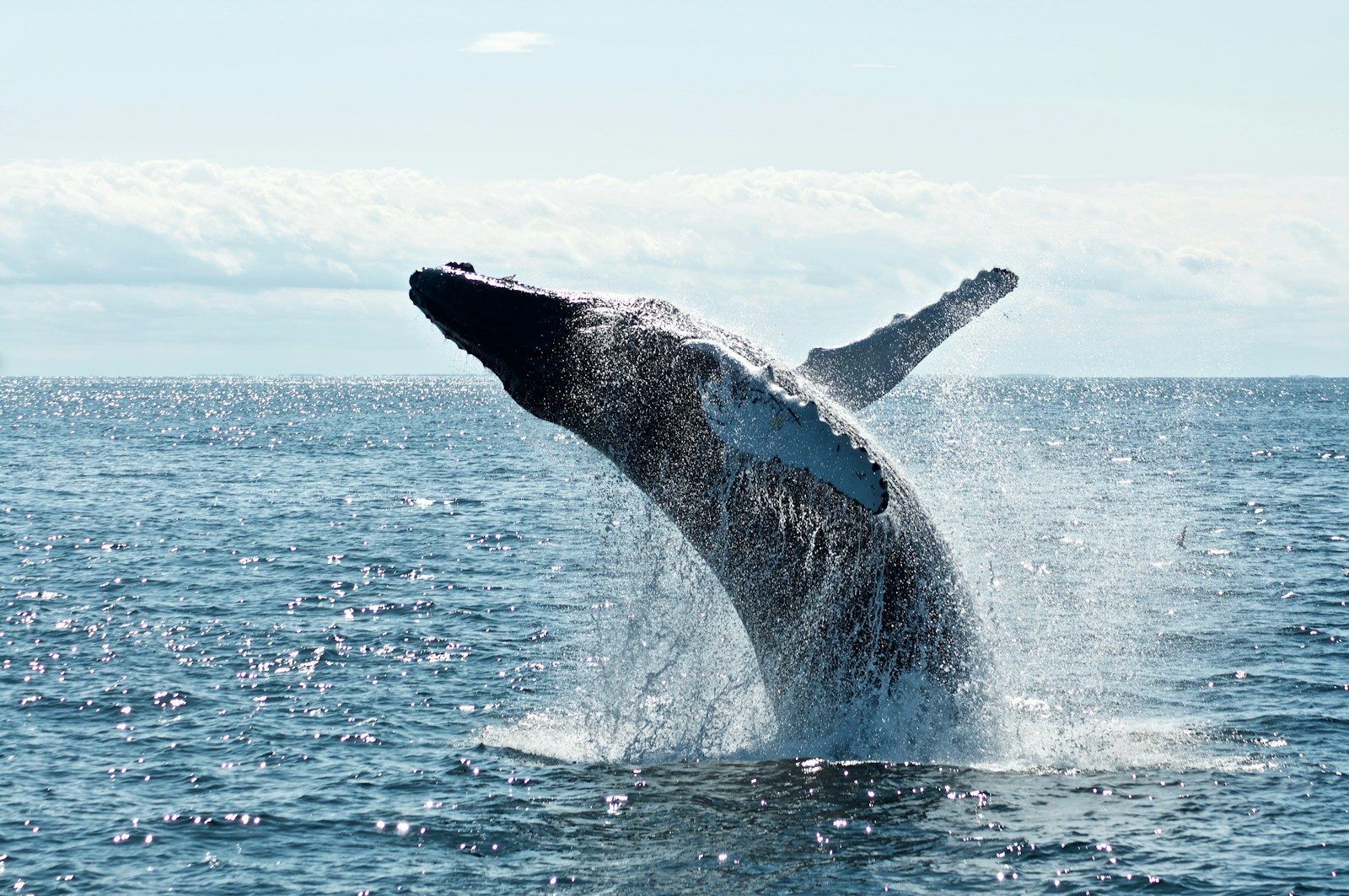
A new study from the University of St Andrews has revealed that humpback whales don’t just rely on instinct to survive—they also learn from one another. Researchers found that a remarkable hunting technique known as bubble-net feeding spreads through whale social networks, helping populations in the northeastern Pacific adapt and thrive. The findings offer new insight into the intelligence and social learning abilities of these iconic marine mammals.
What Is Bubble-Net Feeding?
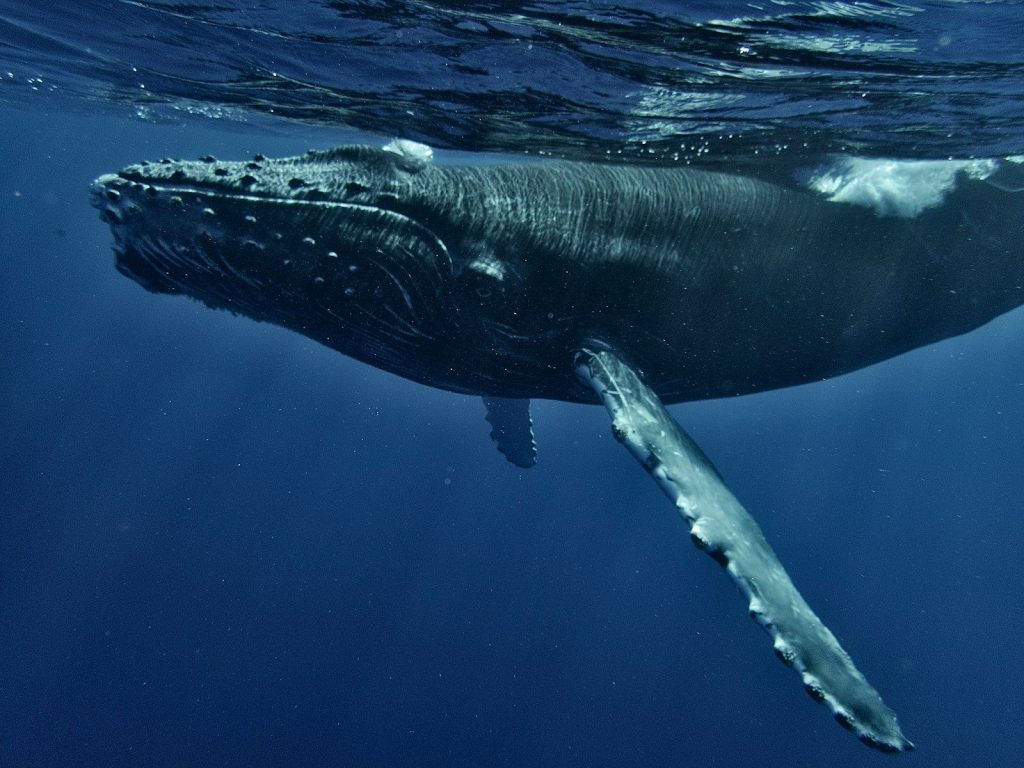
Bubble-net feeding is one of the most sophisticated hunting behaviors observed in the animal kingdom. During the process, groups of humpback whales work together to create curtains of bubbles beneath schools of fish, trapping their prey in a concentrated area before lunging upward to feed.
A Skill Learned From Other Whales
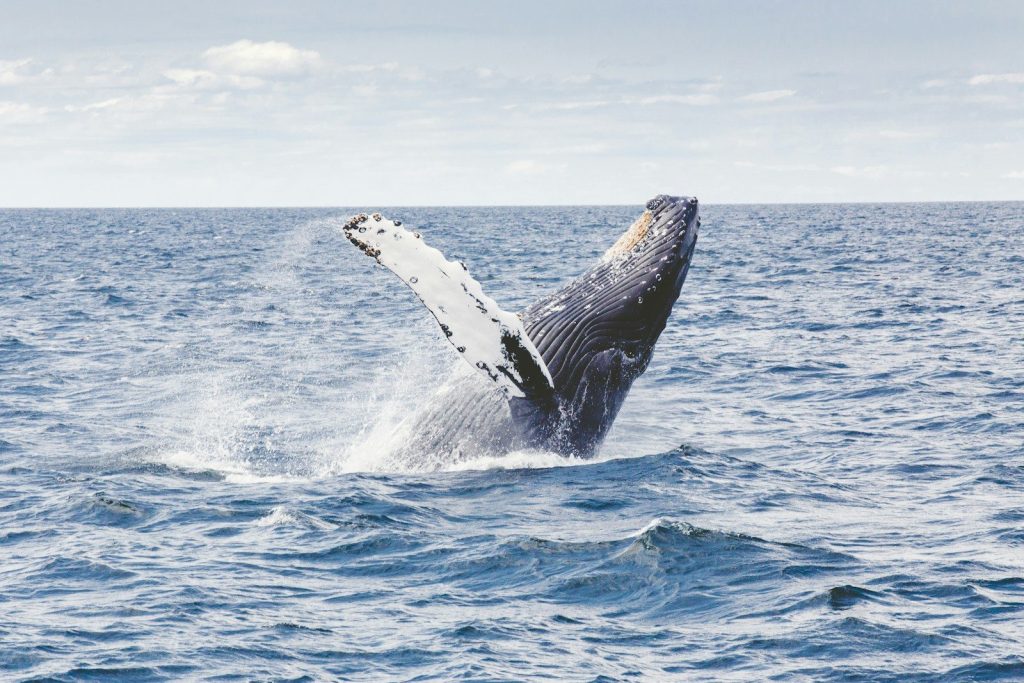
According to the study, published on January 21, this feeding technique is not simply instinctive. Researchers found strong evidence that whales learn the behavior from one another, with the skill spreading through social interactions within whale communities.
Social Networks Beneath the Surface
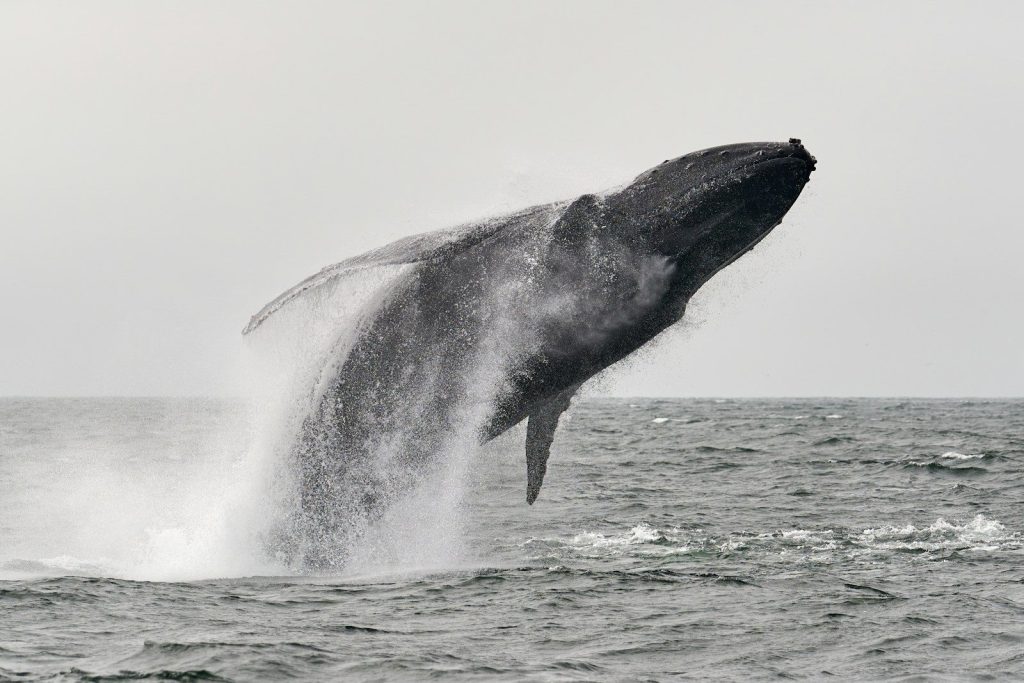
Just as information can spread through human social groups, humpback whales appear to share knowledge through their own social networks. The research suggests that whales observing experienced hunters can adopt the technique themselves, allowing the behavior to spread across populations over time.
Helping Populations Recover
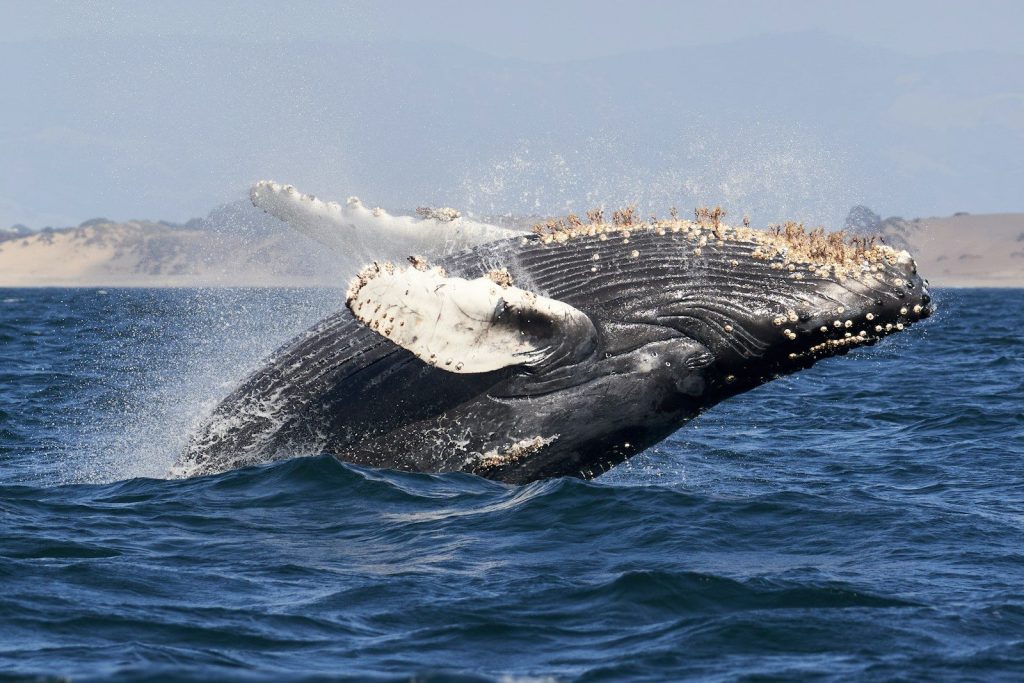
The study found that socially learned bubble-net feeding has played an important role in helping humpback whale populations in Canadian Pacific waters recover lost feeding behaviors. This ability to share knowledge may improve their chances of adapting to changing environmental conditions.
A New Look at Whale Intelligence
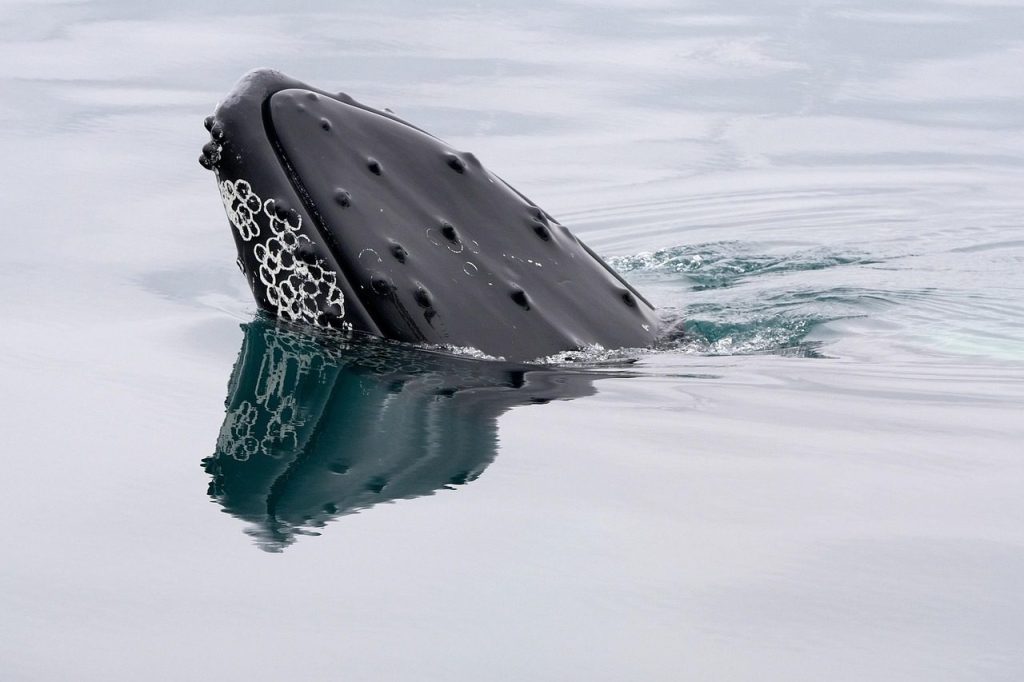
The findings highlight the complex social lives of humpback whales and add to growing evidence that many animal species pass knowledge between generations. Rather than relying solely on instinct, these whales appear capable of cultural learning—a trait once thought to be largely unique to humans.