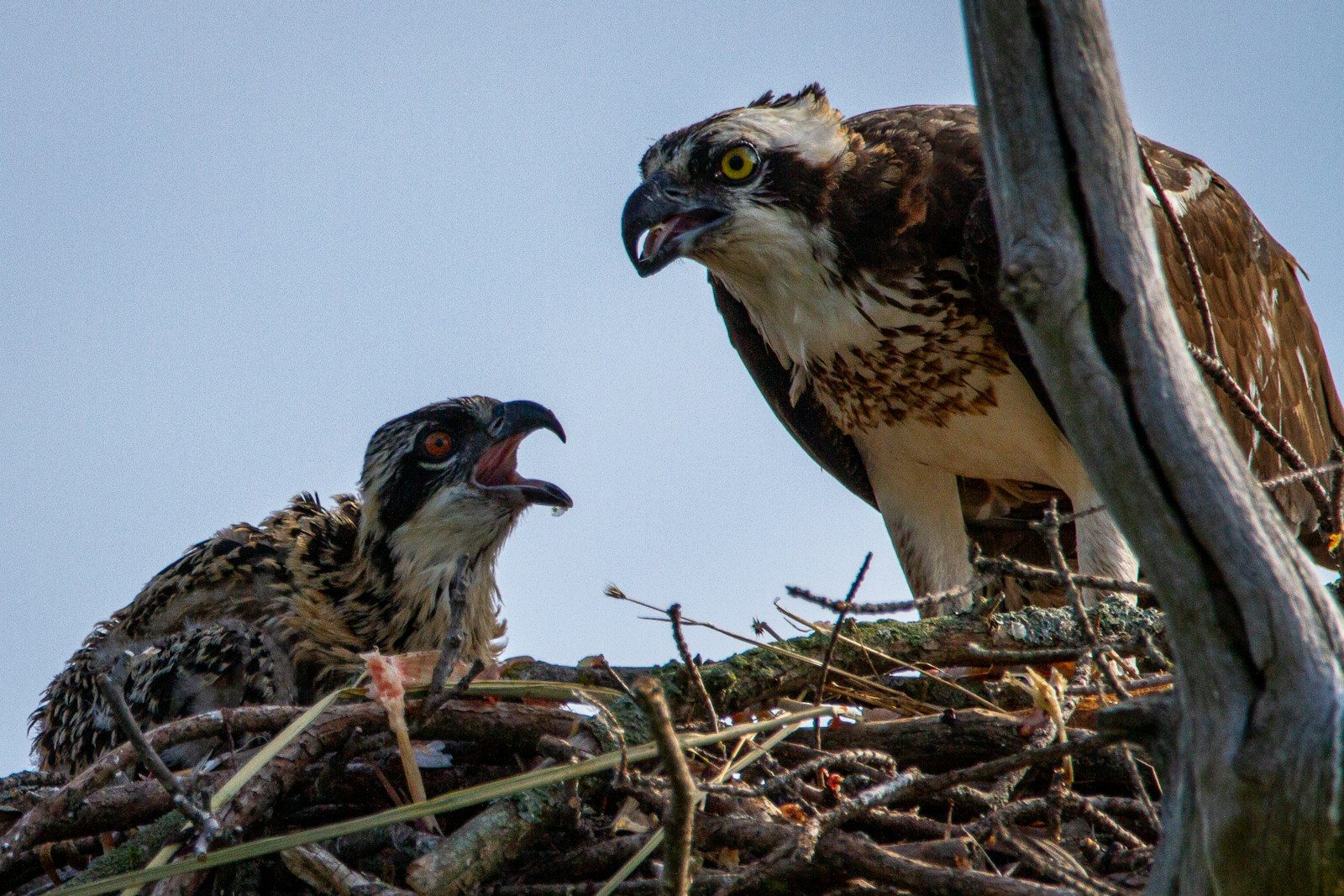
Ospreys are a familiar coastal indicator species.
For generations, osprey returning each spring to nests across Hampton Roads have been a reliable sign of Chesapeake Bay’s ecological health. The birds depend heavily on fish, making their breeding success closely tied to conditions in local waters.
A troubling rise in nest failures
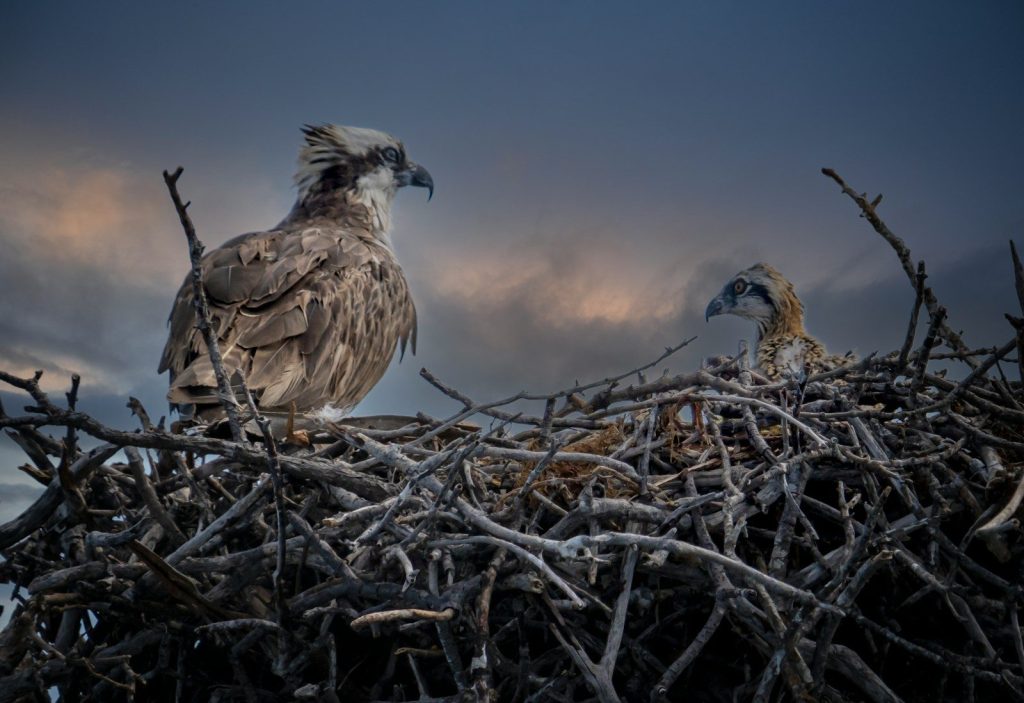
Researchers and conservation groups are now reporting unusually high rates of nest failure in parts of the Bay, especially in saltier regions. In many cases, chicks are not surviving long enough to fledge, raising concerns among scientists monitoring long term trends.
Chicks struggling to survive
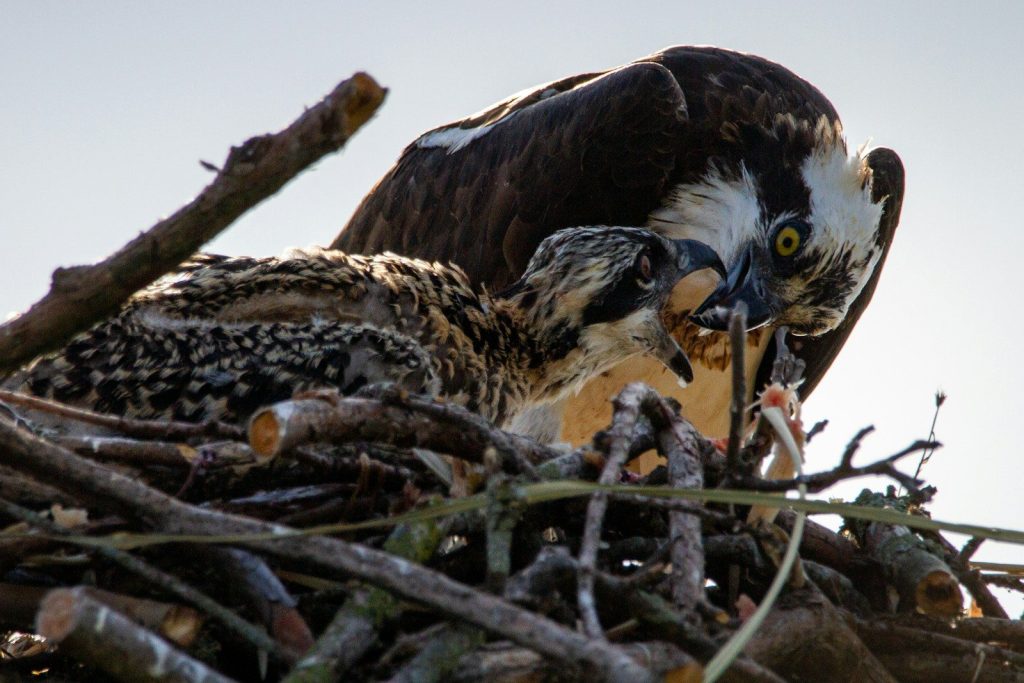
Experts say some osprey nests are showing uneven growth among chicks, while others are failing entirely. In the most severe cases, adult birds are unable to find enough food, leading to starvation in the nest.
Atlantic menhaden at the center of concern
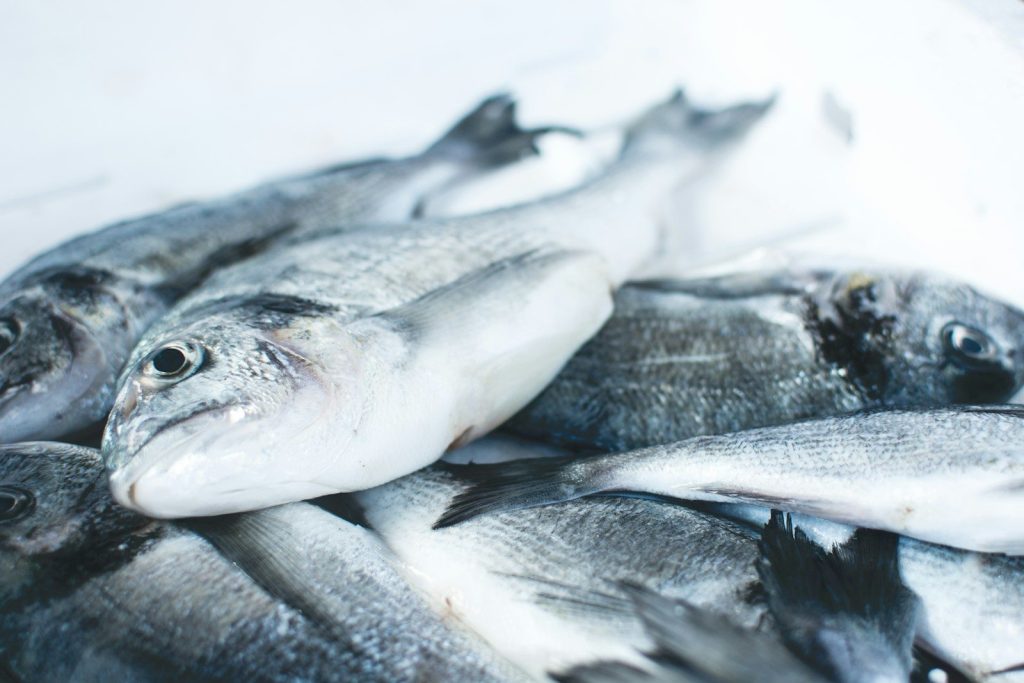
Attention is focusing on Atlantic menhaden, a small but crucial forage fish in the Chesapeake Bay food web. It supports a wide range of species including osprey, striped bass, dolphins, whales, and bluefish, making it a key indicator of ecosystem stability.
Scientists link decline to food shortages
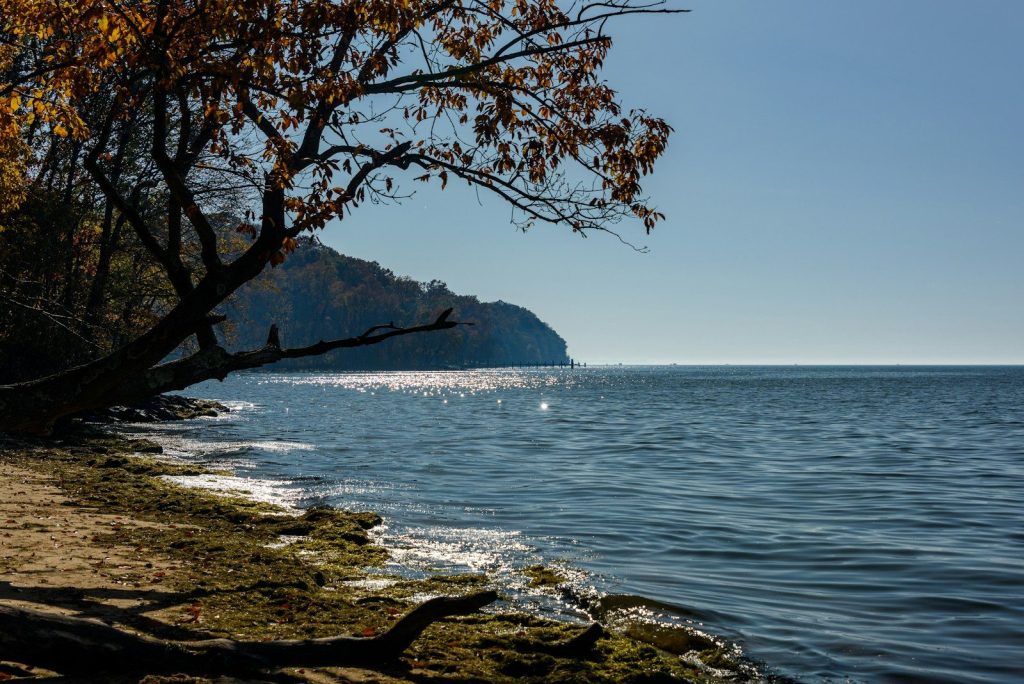
Researchers, including long time Chesapeake Bay studies teams, suggest that reduced food availability is driving the drop in osprey productivity. They argue that changes in menhaden abundance may be limiting the birds’ ability to successfully raise chicks.
Debate over industrial fishing pressures
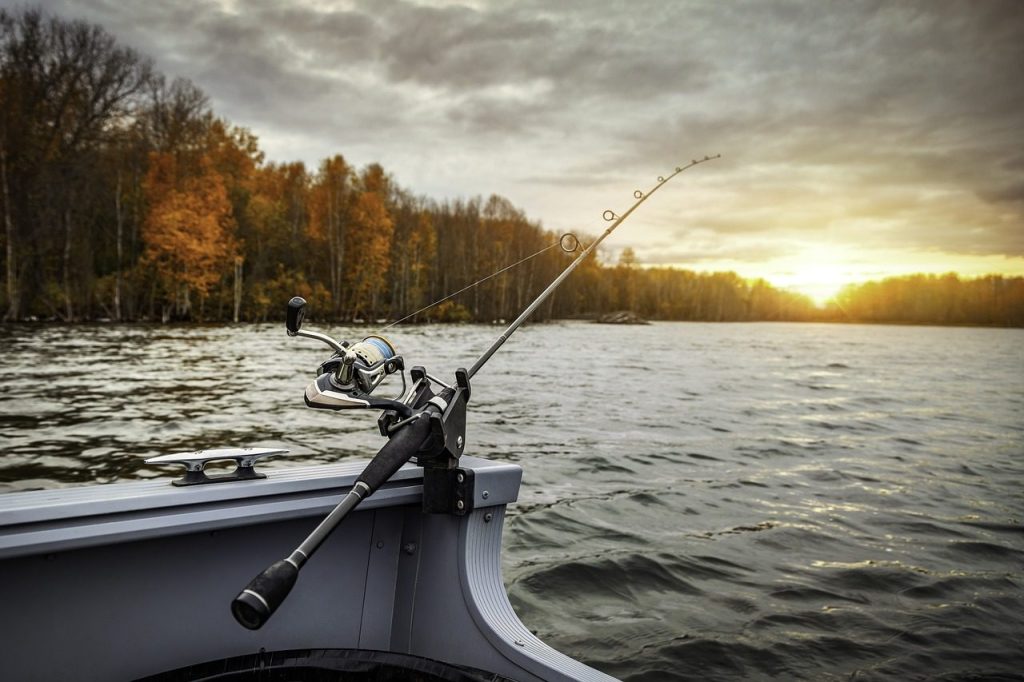
The issue has intensified discussion around industrial menhaden fishing in Virginia, which supports a large reduction fishery producing fish oil and animal feed products. Conservation groups are not calling for a shutdown but are urging more precautionary management within the Bay.
Policy uncertainty and ongoing concern
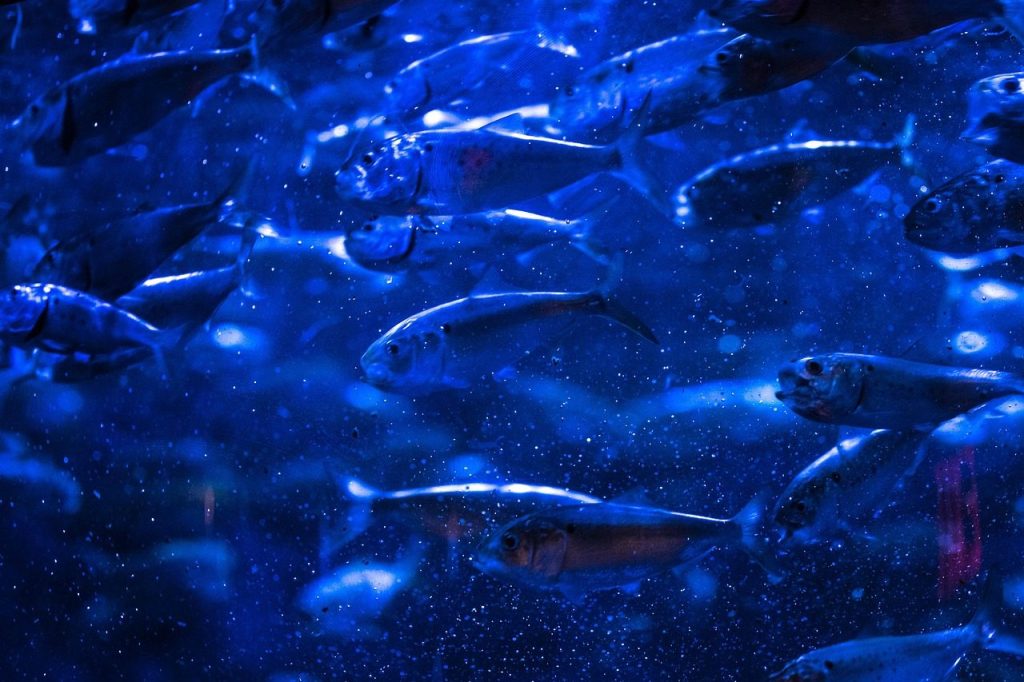
Recent regulatory discussions have delayed decisions on new protections for menhaden, with further review expected later in the year. Meanwhile, scientists warn that continued osprey declines may signal broader stress within the Chesapeake Bay ecosystem.