Spiders play an important role in ecosystems by controlling insect populations, and the vast majority are harmless to humans. However, a small number of species possess venom that can cause serious medical problems if they bite, making them some of the most dangerous arachnids on the planet.
Although encounters with these spiders are relatively uncommon, understanding where they live and how they behave can help people avoid unnecessary risks. Most bites occur when a spider feels threatened rather than because it is actively seeking out humans.
Sydney Funnel Web Spider Has a Powerful Venom
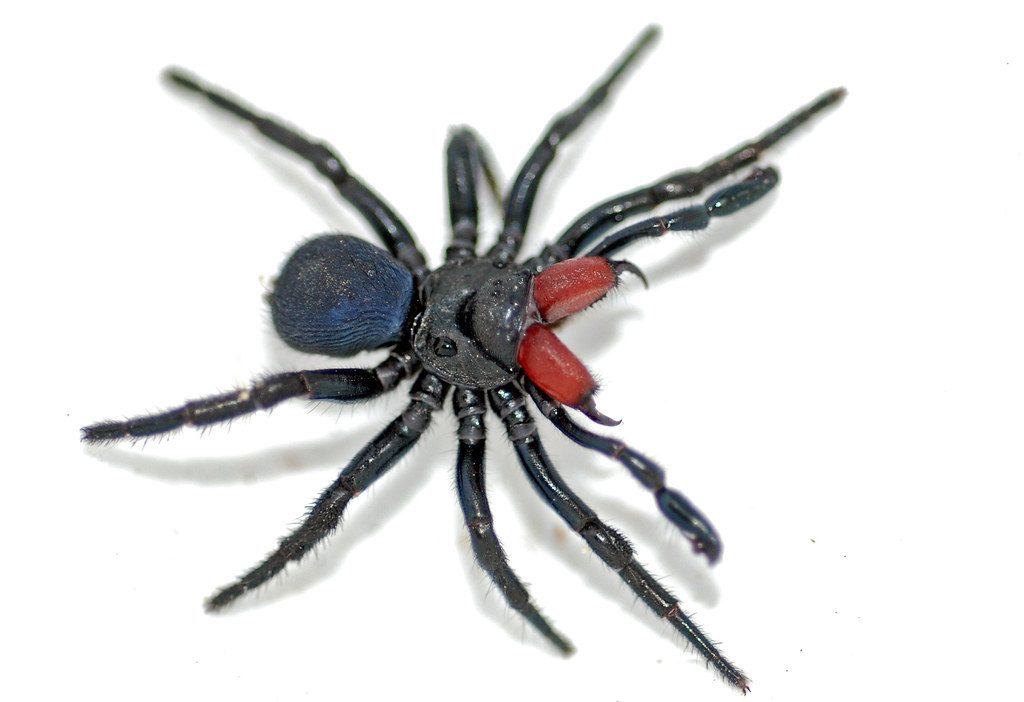
The Sydney funnel web spider is widely regarded as one of the world’s most dangerous spiders because of its highly potent venom. Found mainly in eastern Australia, this species can become defensive if disturbed and is capable of delivering multiple bites.
Thanks to the development of an effective antivenom and improved medical treatment, fatalities from confirmed bites have become extremely rare. Prompt medical attention remains essential whenever a bite is suspected.
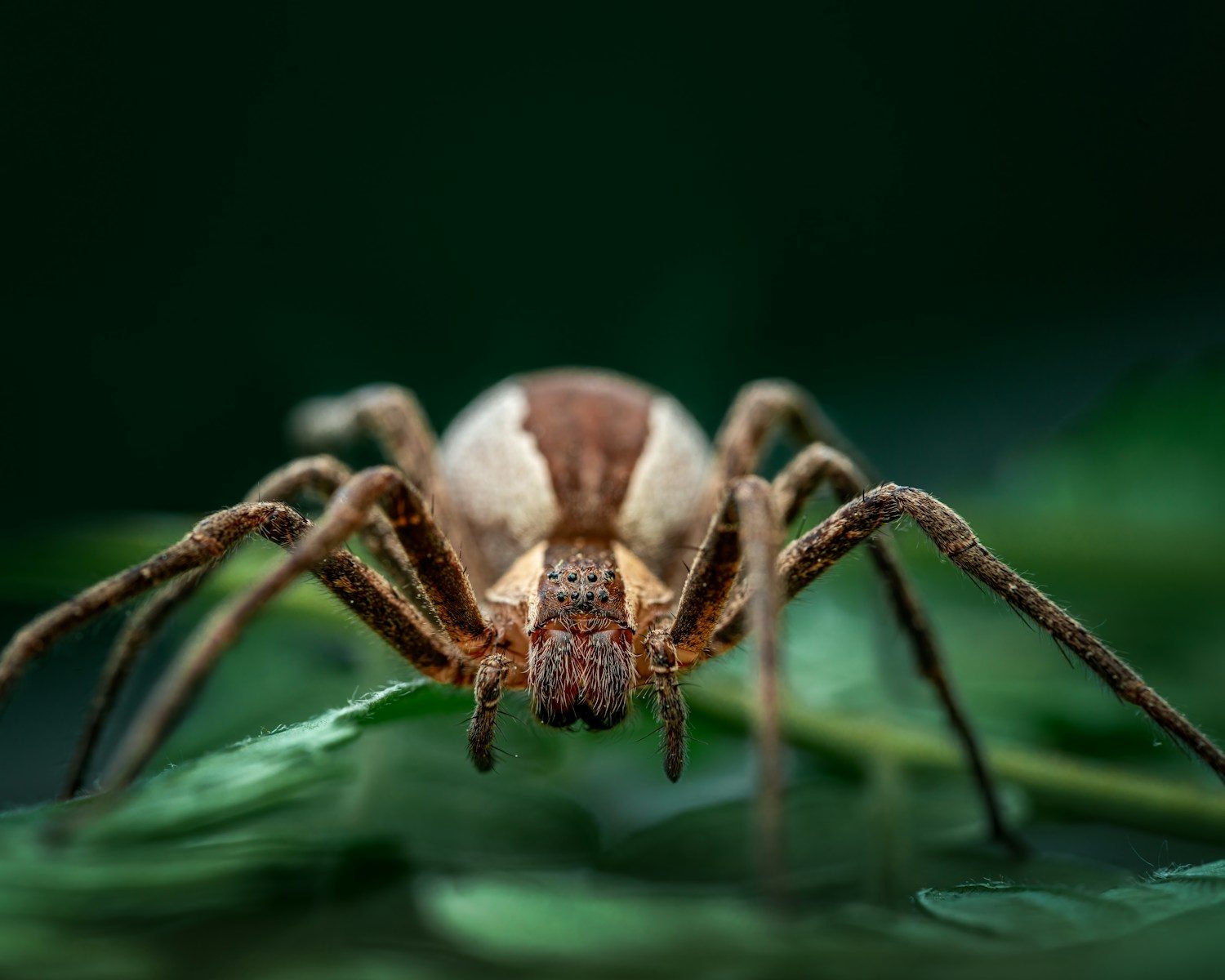
Brazilian Wandering Spider Is an Active Hunter
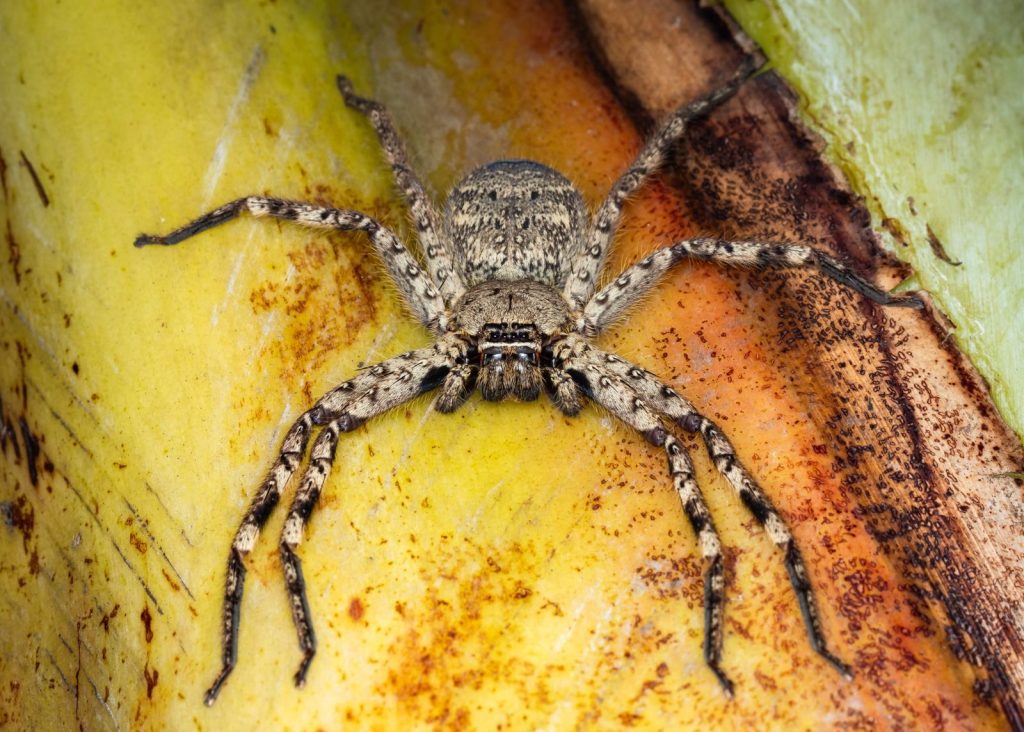
Unlike web building spiders, the Brazilian wandering spider actively searches for prey at night. It sometimes enters homes, shoes, and other sheltered spaces, increasing the likelihood of accidental encounters.
Its venom can produce severe symptoms that require urgent medical care. Despite its intimidating reputation, the spider usually bites only when it feels trapped or threatened.
Black Widow Spider Is Recognized by Its Distinctive Markings
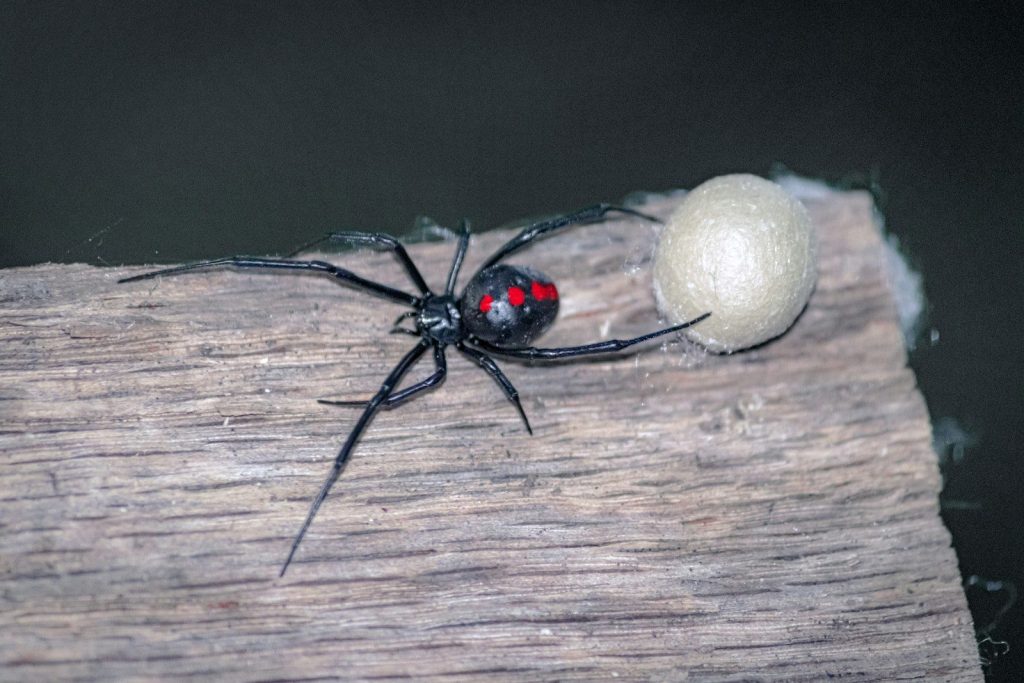
Female black widow spiders are well known for their glossy black bodies and the red hourglass marking on the underside of the abdomen. Their venom affects the nervous system and may cause intense pain, muscle cramps, and other symptoms.
Modern medical care has greatly reduced the risk of life threatening complications. Most people recover fully after receiving appropriate treatment.
Brown Recluse Spider Can Cause Tissue Damage
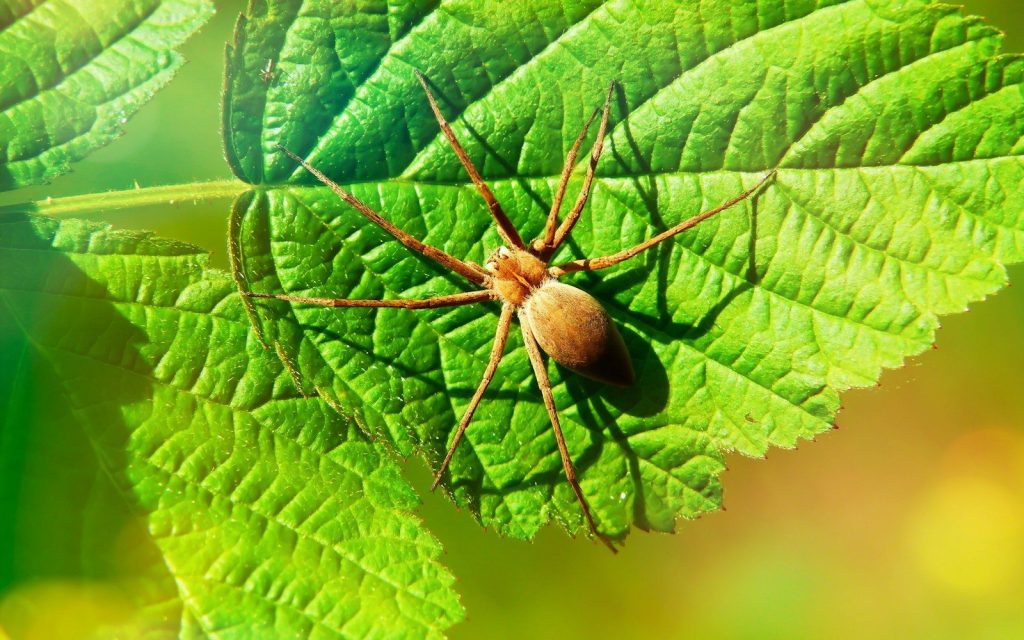
The brown recluse spider is known for venom that may damage skin and underlying tissue in some bite cases. However, many suspected brown recluse bites are later found to have other causes.
These shy spiders prefer hiding in undisturbed areas such as storage boxes, closets, and woodpiles. They usually bite only when accidentally pressed against the skin.
Six Eyed Sand Spider Relies on Camouflage
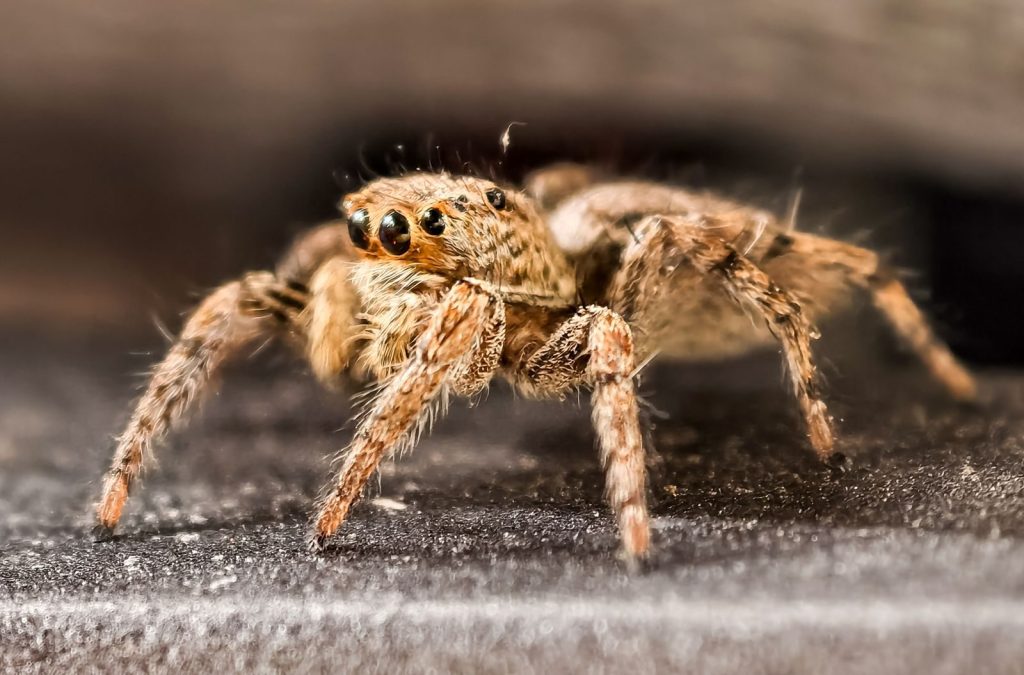
Native to parts of southern Africa, the six eyed sand spider spends much of its time buried beneath loose sand while waiting for prey. Its excellent camouflage makes it difficult to spot in its natural habitat.
Human encounters are extremely rare because of the spider’s remote environment and secretive behavior. Although its venom is considered highly potent, documented bites involving people are exceptionally uncommon.
Redback Spider Is Closely Related to the Black Widow
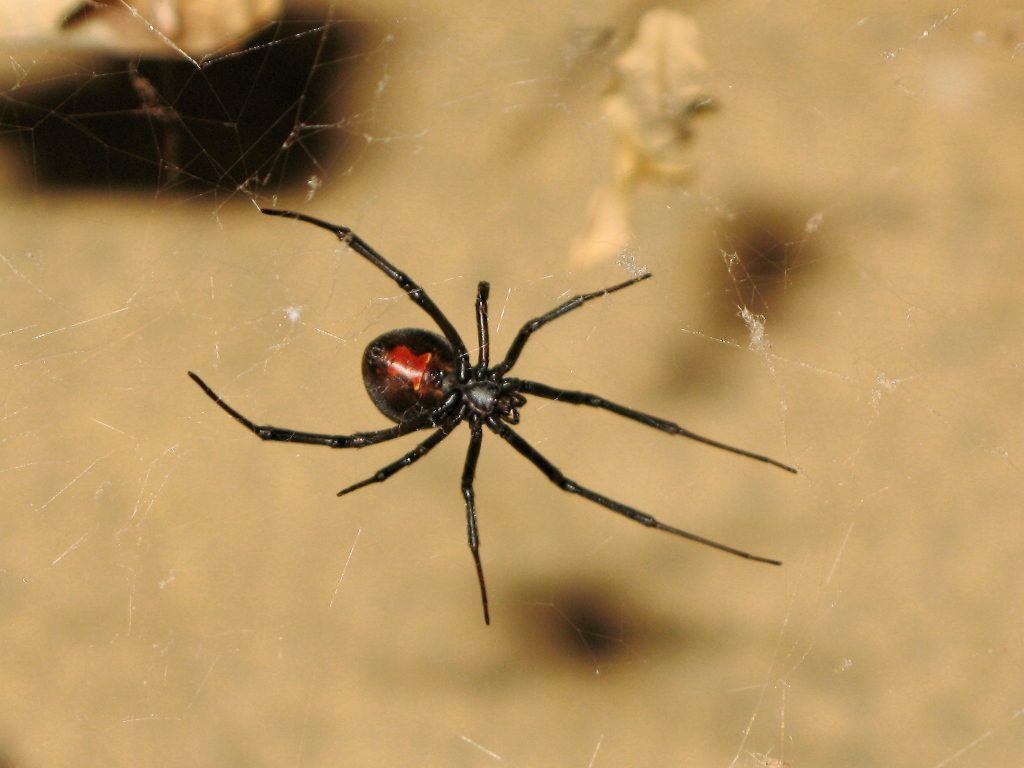
The redback spider is found mainly in Australia and is closely related to the black widow. Females are identified by the distinctive red stripe running along the upper side of the abdomen.
Antivenom and modern medical care have significantly improved outcomes for people who are bitten. Most bites occur when someone accidentally disturbs the spider in sheltered outdoor locations.