Most people visiting America’s national parks worry about things like steep trails, wildlife encounters, or sudden weather changes. But scientists are now warning about a hidden danger that cannot be seen at all: a rare microscopic organism capable of causing a deadly brain infection.
Researchers recently detected Naegleria fowleri, often called the “brain-eating amoeba,” in several recreational water sites across major U.S. national parks. The findings are raising fresh concerns about water safety, climate change, and the growing range of dangerous microorganisms in warming environments.
What Is the Brain-Eating Amoeba?
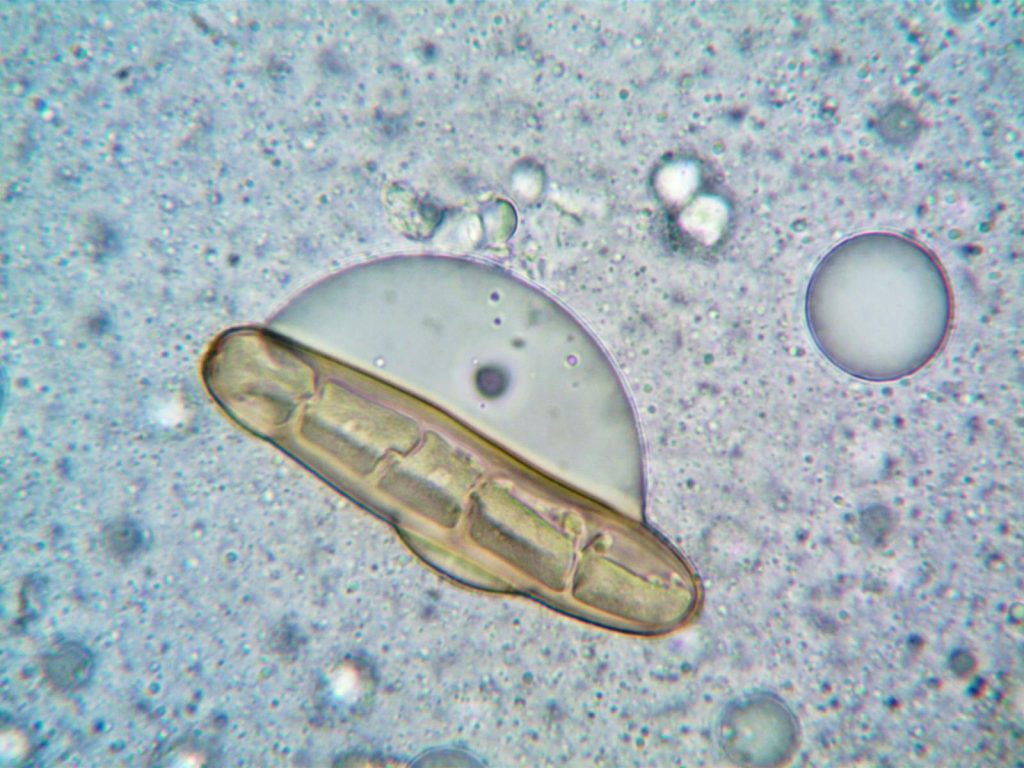
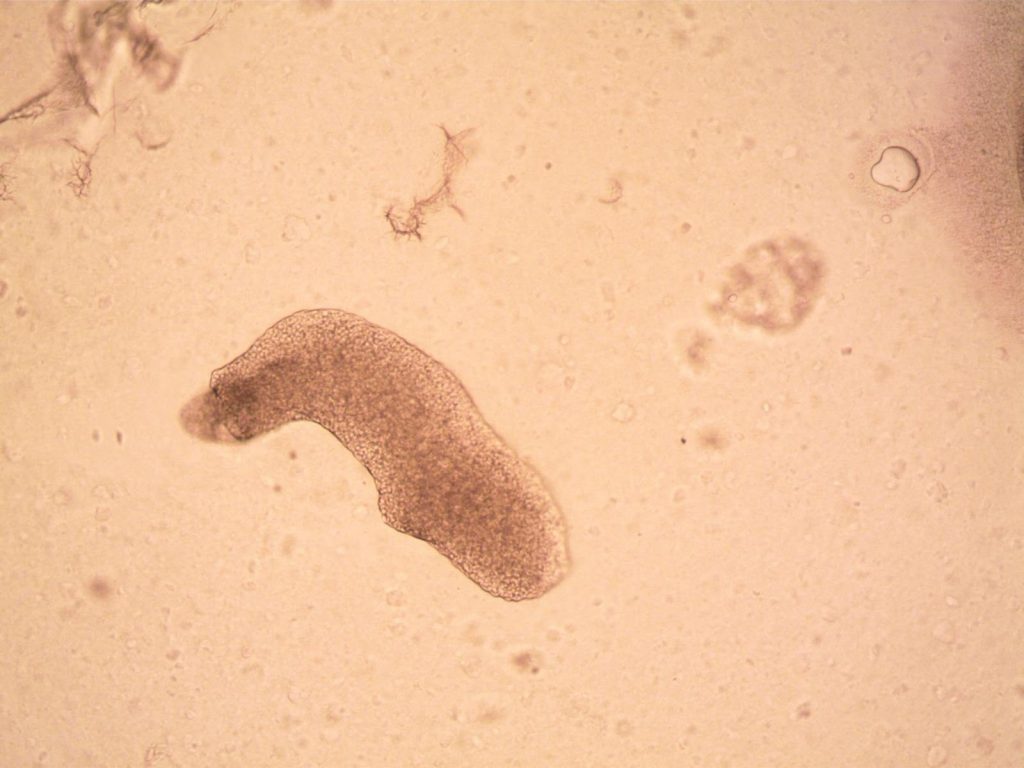
Naegleria fowleri is a tiny single-celled organism that naturally lives in warm freshwater and geothermal environments. It becomes dangerous when contaminated water enters the body through the nose, usually during swimming, diving, or underwater activities.
Once inside, the amoeba can travel to the brain and trigger a devastating infection called primary amoebic meningoencephalitis, or PAM. The disease attacks brain tissue rapidly, causing severe swelling and inflammation.
Although infections are extremely rare, they are almost always fatal. Health experts estimate the mortality rate at around 98%, with most patients dying within days after symptoms appear.
Researchers Tested Waters Across National Parks
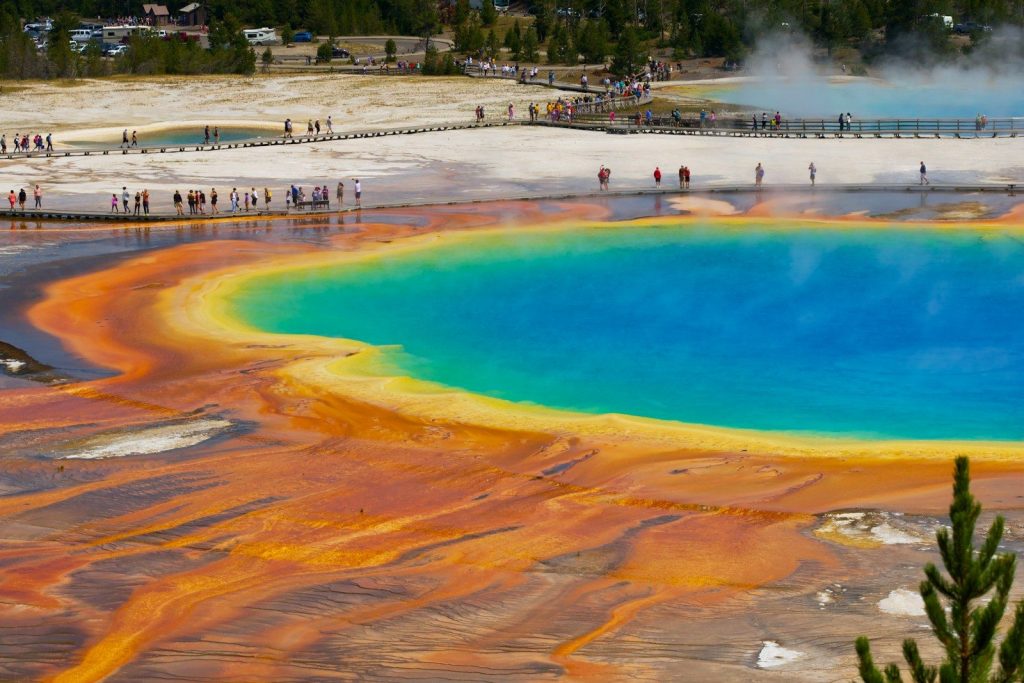
The study, published in ACS ES&T Water, analyzed 185 water samples collected between 2016 and 2024 from 40 recreational sites located in several U.S. National Park Service areas.
Researchers focused on locations in:
- Yellowstone National Park
- Grand Teton National Park
- Olympic National Park
- Newberry National Volcanic Monument
- Lake Mead National Recreation Area
Their goal was to understand how widespread the amoeba may already be in popular tourist destinations visited by millions every year.
The Results Were Concerning
Scientists found N. fowleri in 34% of all tested samples.
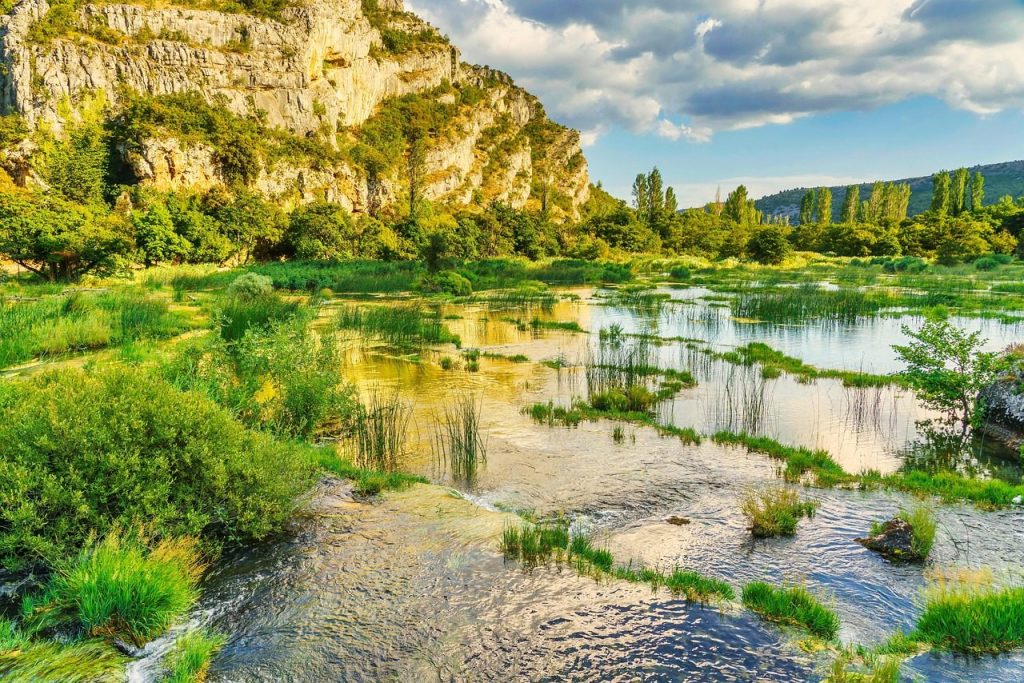
Several positive detections came from geothermal and warm-water areas in Yellowstone, including the Firehole River and Boiling River regions. Grand Teton also showed elevated concentrations in hot spring areas such as Polecat Springs.
At Lake Mead, the amoeba appeared in multiple warm spring locations that attract recreational visitors.
One water sample from Polecat Springs reportedly measured 115.7 amoeba cells per liter. Researchers noted this exceeded recreational safety references used in some other countries.
For comparison:
- France limits recreational waters to 100 cells per liter
- Australia’s drinking water guideline is only 2 cells per liter
The United States currently has no official federal safety limit for Naegleria fowleri in recreational water.
Why Scientists Think Climate Change Matters
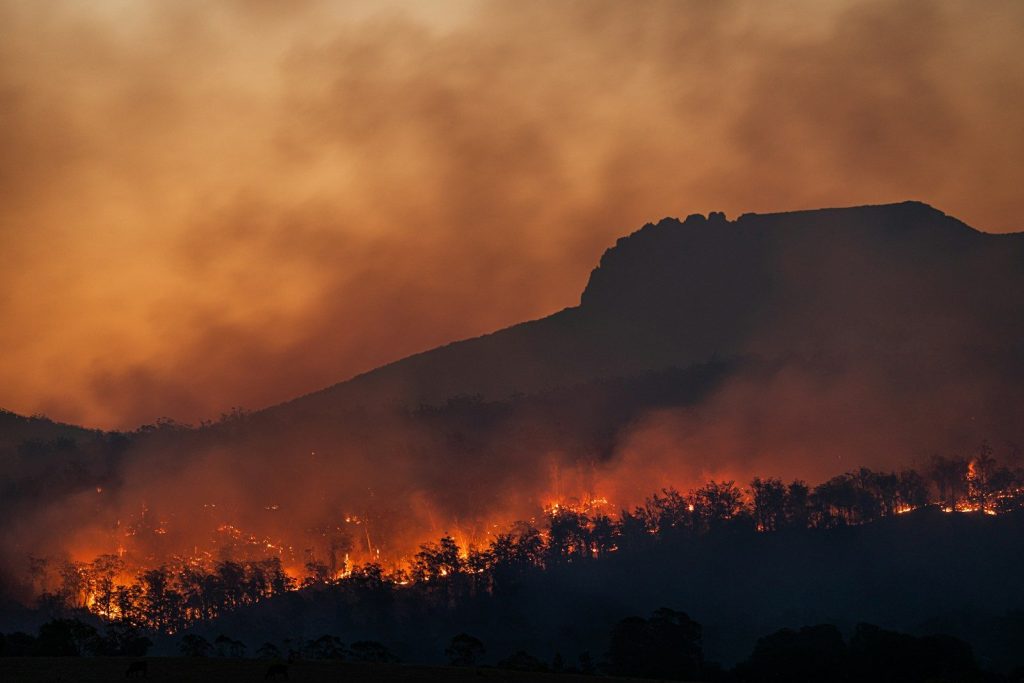
Historically, infections linked to the amoeba were mostly concentrated in warmer southern states. But researchers say rising temperatures may now be helping the organism survive farther north than before.
The amoeba thrives in water temperatures between roughly 60°F and 115°F, especially in hot springs, heated lakes, and geothermal systems.
As global temperatures increase, scientists believe more freshwater environments could become suitable habitats for the microorganism. That expansion may increase exposure risk in areas once considered too cold.
The Risk Is Still Extremely Low
Despite the alarming nickname, experts stress that infections remain exceptionally rare.
Between 1962 and 2024, the United States recorded 167 confirmed cases of PAM. Only four people survived.
Most recreational water users will never encounter the disease. Infection requires contaminated water to forcefully enter the nose, not simply swallowing water.
Still, researchers say awareness is important, especially in warm freshwater or geothermal environments.
Simple precautions can reduce risk significantly, including:
- Avoiding jumping or diving into warm freshwater
- Using nose clips in geothermal waters
- Keeping your head above water in hot springs
- Avoiding stirring sediment in shallow warm water
A Reminder That Nature Holds Hidden Risks

National parks remain among the safest and most extraordinary natural spaces in the world. But this study highlights how environmental changes may quietly reshape hidden biological threats over time.
Scientists say continued monitoring will be essential, especially as warming conditions alter freshwater ecosystems across North America.
For now, the message is not panic. It is awareness.
The danger may be microscopic, but researchers believe understanding where these organisms exist is the first step toward keeping visitors safe.