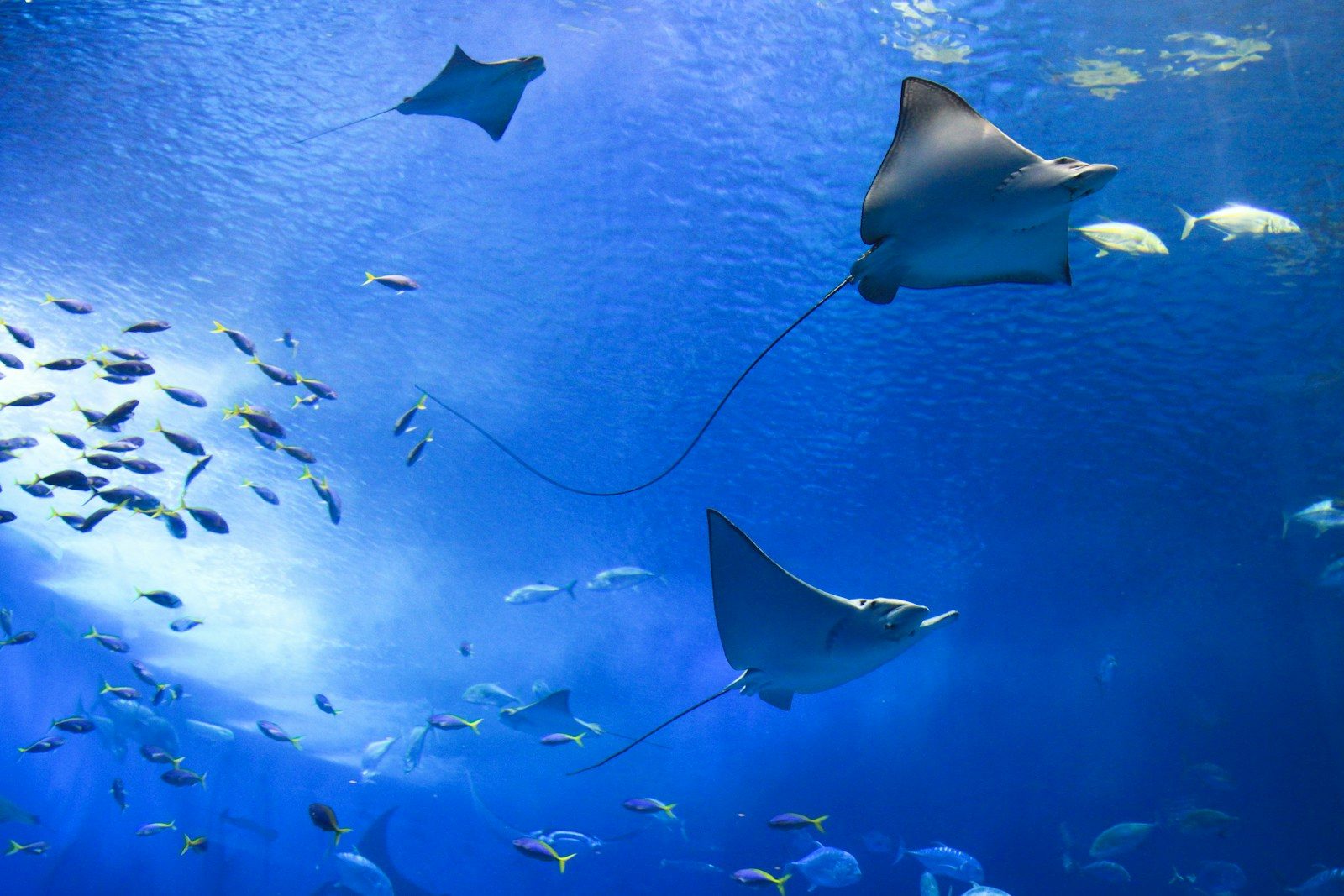
The animal kingdom is filled with extraordinary adaptations that help species survive in challenging environments. Among the most fascinating of these traits is the presence of multiple hearts, a feature that allows certain animals to efficiently circulate blood throughout their bodies.
While humans rely on a single heart, several marine creatures have evolved additional pumping organs to meet their unique biological needs. These animals demonstrate how nature develops innovative solutions for survival beneath the waves and beyond.
Octopuses Depend on Three Hearts for Survival
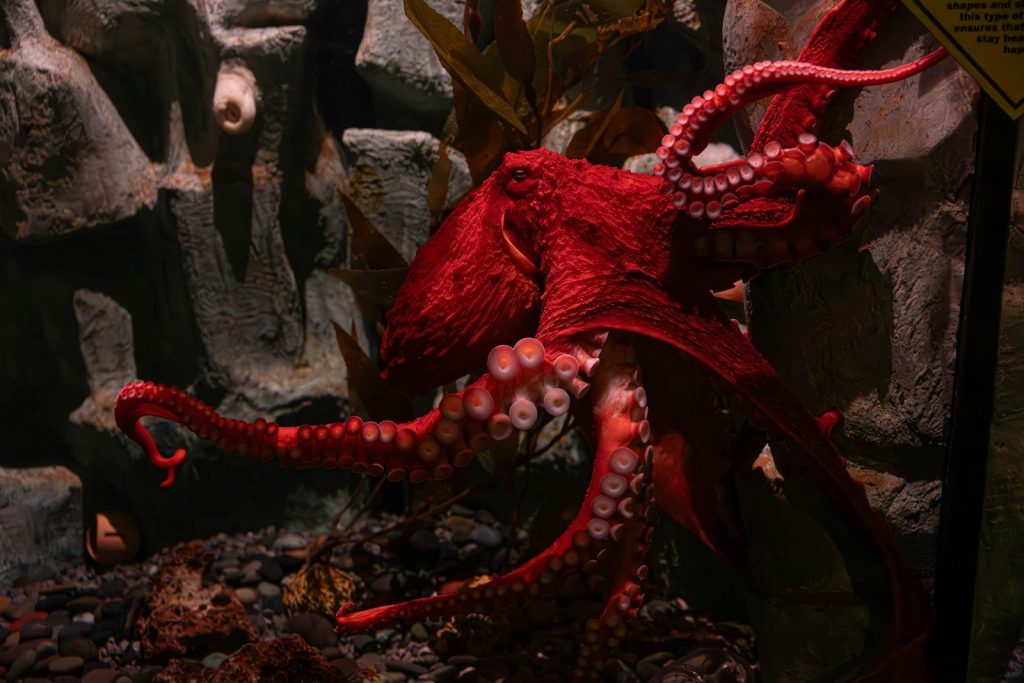
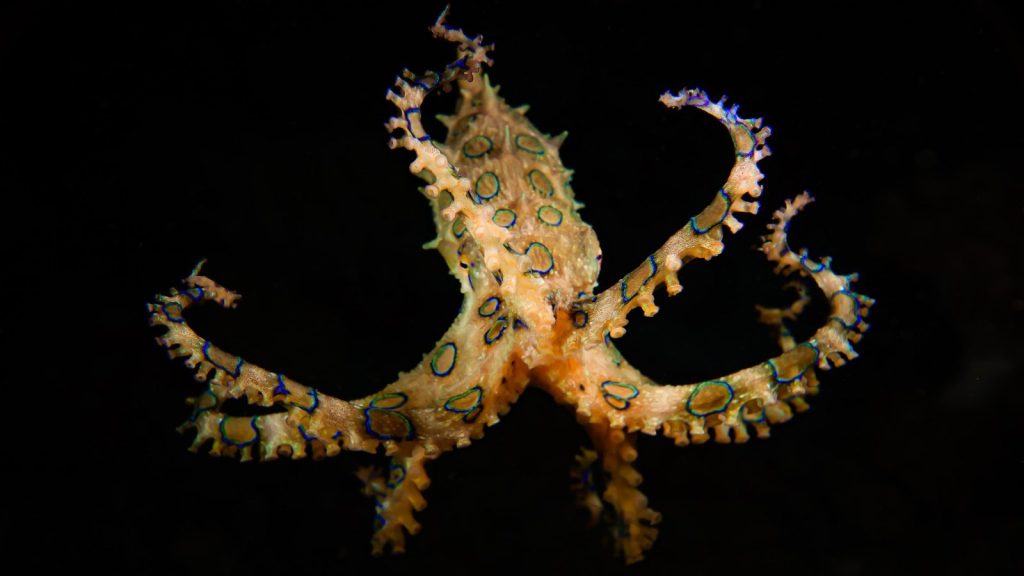
Octopuses possess three hearts that work together to transport oxygen throughout their bodies. Two hearts pump blood to the gills, while the third sends oxygenated blood to the rest of the body.
This system supports their active lifestyle and complex nervous system. Interestingly, the main heart temporarily stops beating when an octopus swims, which is one reason these animals often prefer crawling along the seafloor.
Squid Use Multiple Hearts to Power Their Movement
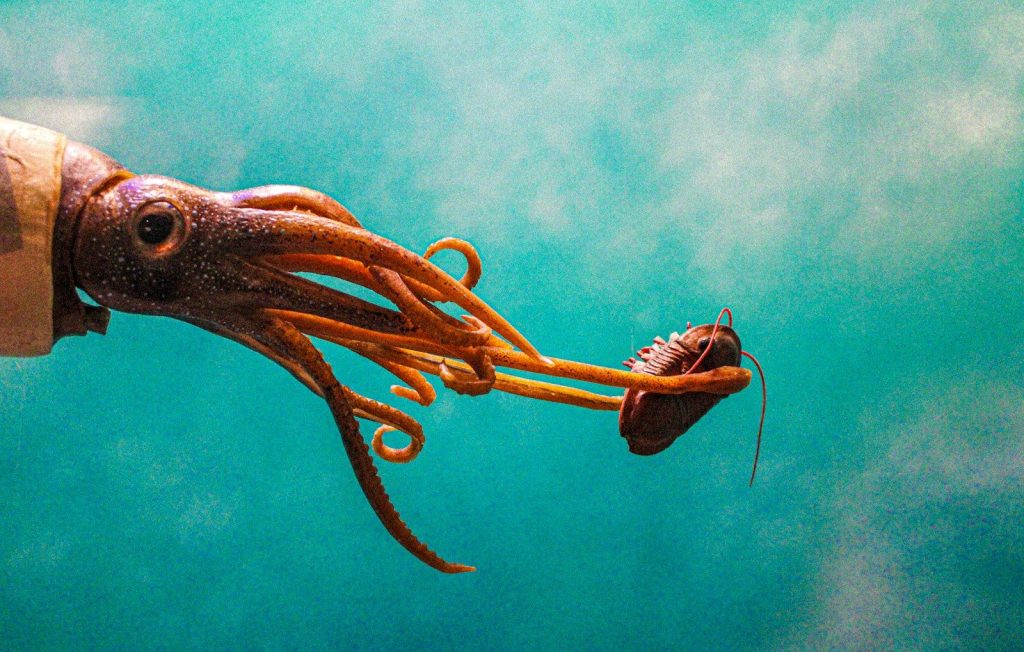
Squid also have three hearts that help sustain their fast paced lives in the ocean. Their additional branchial hearts ensure that blood reaches the gills efficiently for oxygen uptake.
These creatures require a reliable circulatory system because they are constantly moving in search of food and avoiding predators. Multiple hearts help provide the energy needed for their powerful jet propelled swimming.
Cuttlefish Share a Similar Circulatory Design
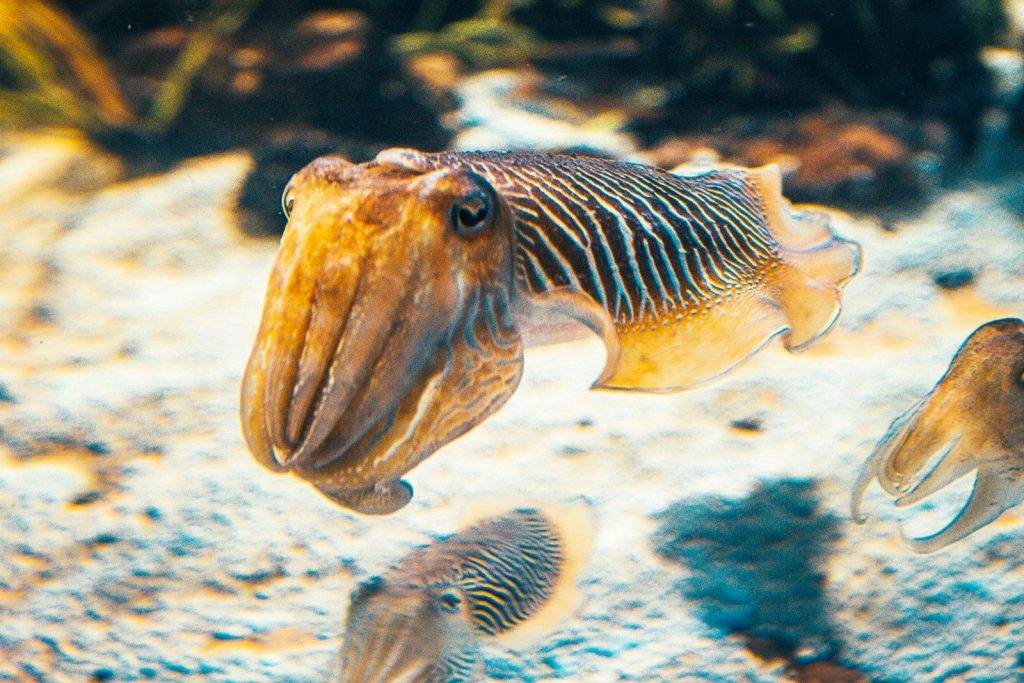
Cuttlefish belong to the same family as octopuses and squid, which explains their similar anatomy. They also have three hearts that work together to maintain blood circulation.
Their blue colored blood contains a copper based protein called hemocyanin. This adaptation allows them to transport oxygen effectively in cold and low oxygen marine environments.
Earthworms Feature Multiple Heart Like Structures
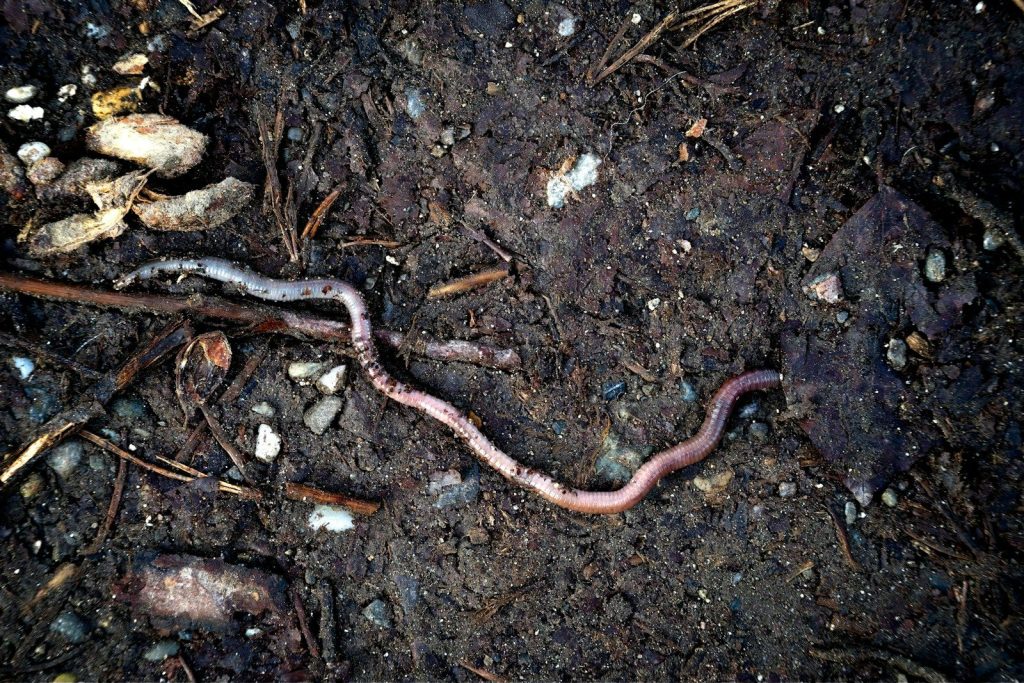
Earthworms do not have hearts in the same way mammals do. Instead, they possess several pairs of muscular aortic arches that function like hearts by pumping blood through the body.
These structures help circulate nutrients and oxygen efficiently. Their unique system supports the worm’s ability to burrow through soil and remain active underground.
Multiple Hearts Offer Important Evolutionary Advantages
Animals with more than one heart have developed specialized circulatory systems suited to their lifestyles. These additional pumping organs help maintain oxygen flow and support demanding biological functions.
Whether living in deep oceans or beneath the soil, these species showcase nature’s remarkable adaptability. Their unusual anatomy highlights the diverse ways animals have evolved to thrive in different environments.
The Diversity of Life Continues to Surprise Scientists
Studying animals with multiple hearts provides valuable insight into evolution and physiology. Researchers continue to learn how these unique circulatory systems contribute to survival and performance.
From intelligent octopuses to humble earthworms, each species demonstrates a different approach to life. These fascinating creatures remind us that nature often exceeds our expectations in the most surprising ways.