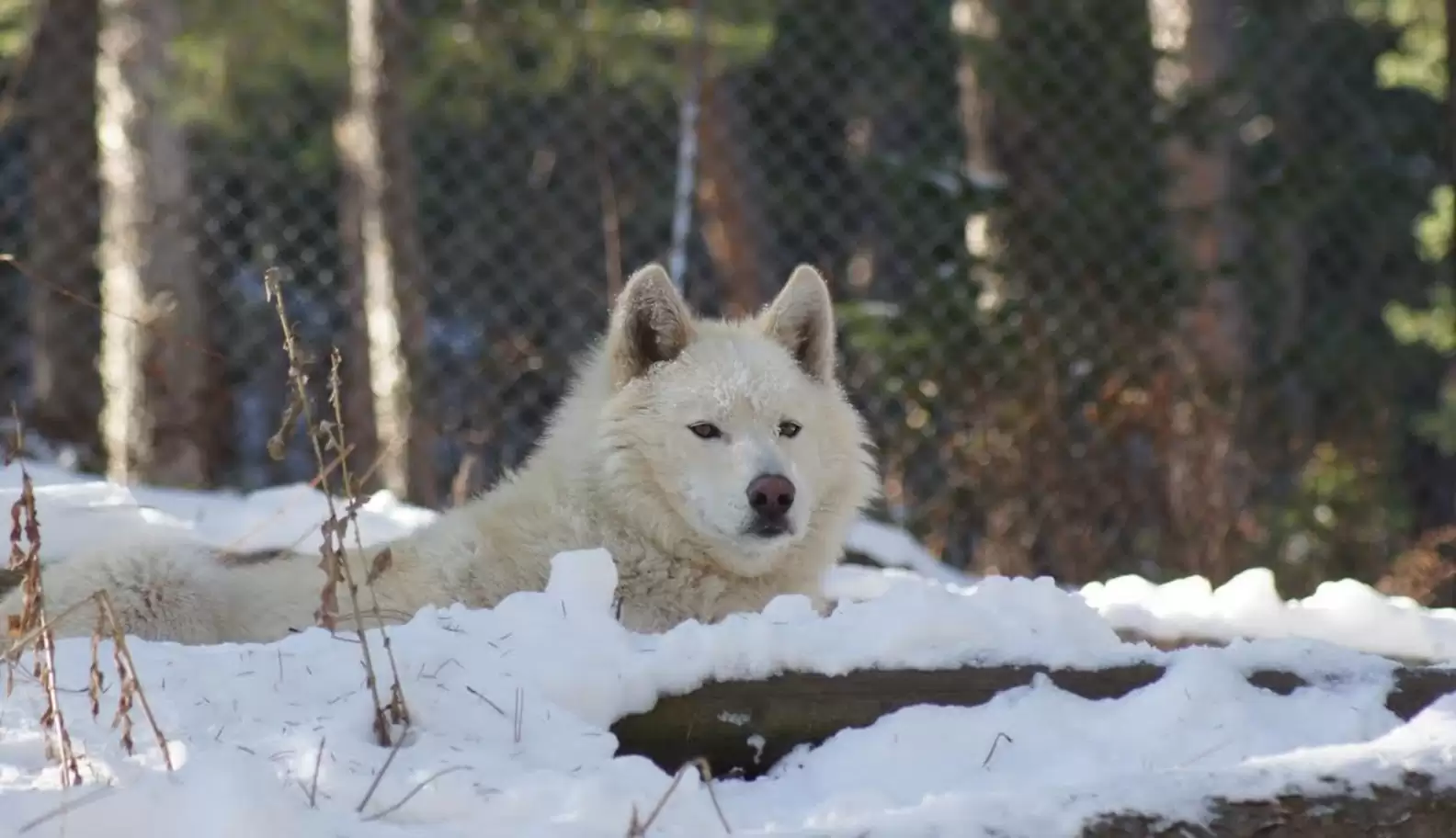
Most people know that humans tend to favor one hand over the other, but dogs can show a similar preference with their paws. Researchers call this trait laterality, and studies suggest that many dogs consistently rely more on either their left or right front paw during certain activities.
Not every dog has a clear dominant paw, however. Some are strongly right pawed or left pawed, while others use both paws almost equally depending on the task they are performing.
Paw Preference Is Similar to Human Handedness
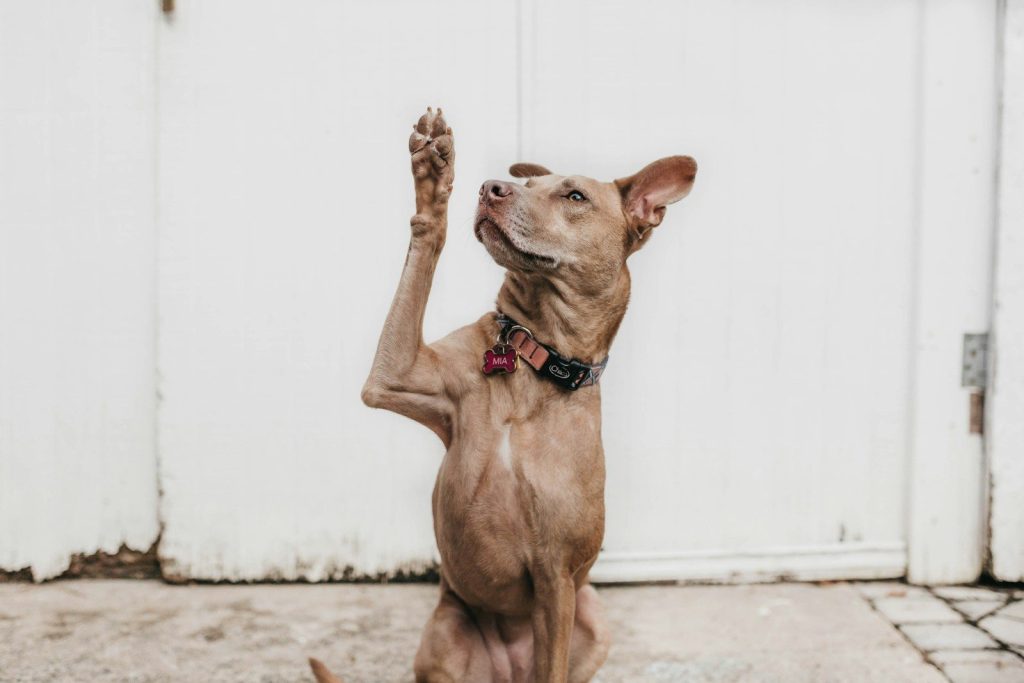
A dog’s brain, like a human’s, has two hemispheres that influence behavior and movement. This means many dogs naturally develop a preference for using one paw more frequently than the other.
Unlike humans, where most people are right handed, dogs are more evenly divided between right pawed, left pawed, and those with no strong preference. This makes canine laterality especially interesting to researchers.
A Simple Treat Test Can Reveal Your Dog’s Preference
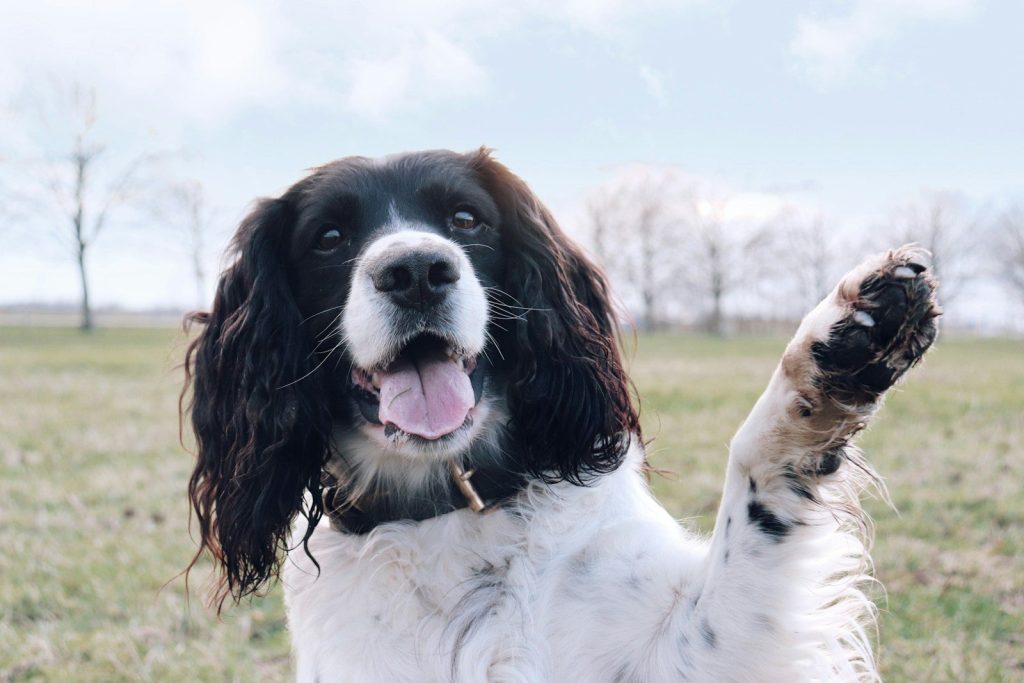
One easy way to identify your dog’s dominant paw is by placing a treat inside a puzzle toy or beneath furniture where it must reach with a paw. Observe which paw your pet uses first over multiple attempts rather than relying on a single trial.
Recording the results over several days provides a more reliable picture of your dog’s natural preference. A consistent pattern usually indicates which paw your pet favors.
Everyday Activities Can Offer Helpful Clues
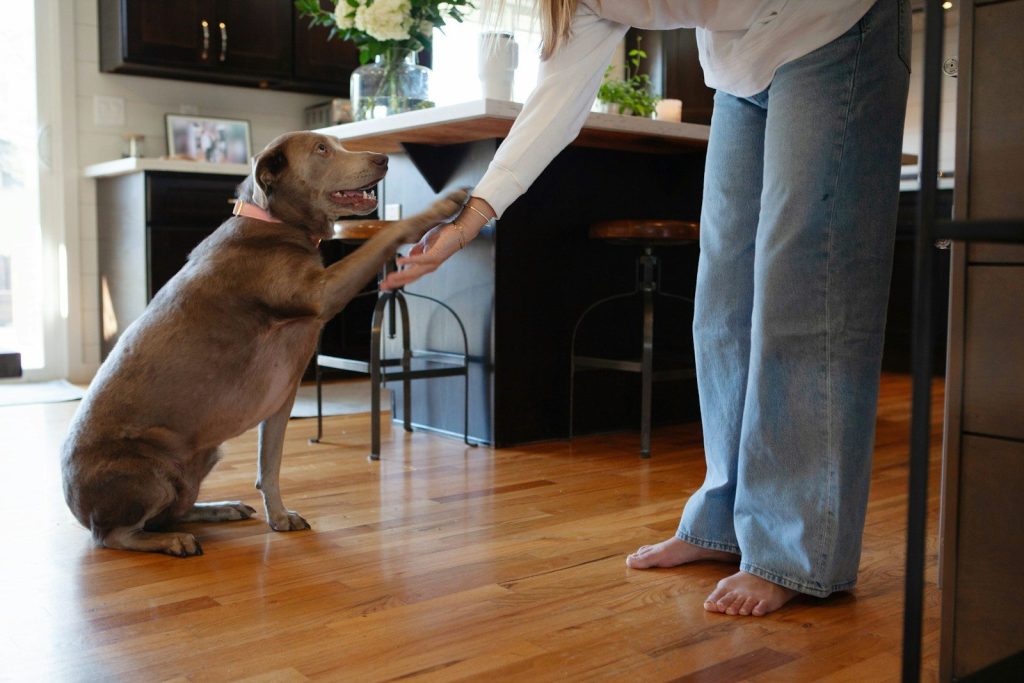
You may notice your dog consistently using one paw to stabilize a chew toy or hold a treat. Watching which paw it uses to step down stairs or reach for an object can also provide useful insights.
Repeating these observations in different situations helps eliminate chance. The more often the same paw is used first, the more likely it is to be the dominant one.
Researchers Have Found Some Interesting Patterns
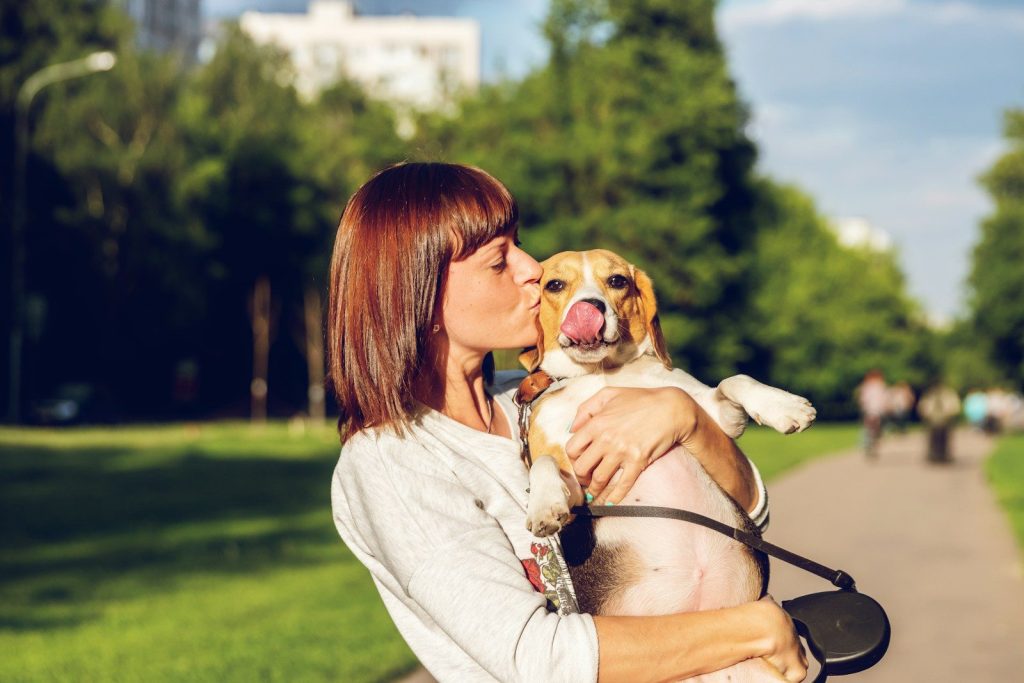
Several studies have explored whether factors such as age, sex, and even an owner’s handedness influence paw preference. Some findings suggest female dogs are more likely to show a right paw bias, while males may display a stronger tendency toward the left during certain life stages.
Research has also indicated that a dog’s preferred paw may sometimes mirror the dominant hand of its owner. Scientists continue to investigate how genetics and environment shape these behaviors.
Paw Dominance May Be Linked to Behavior
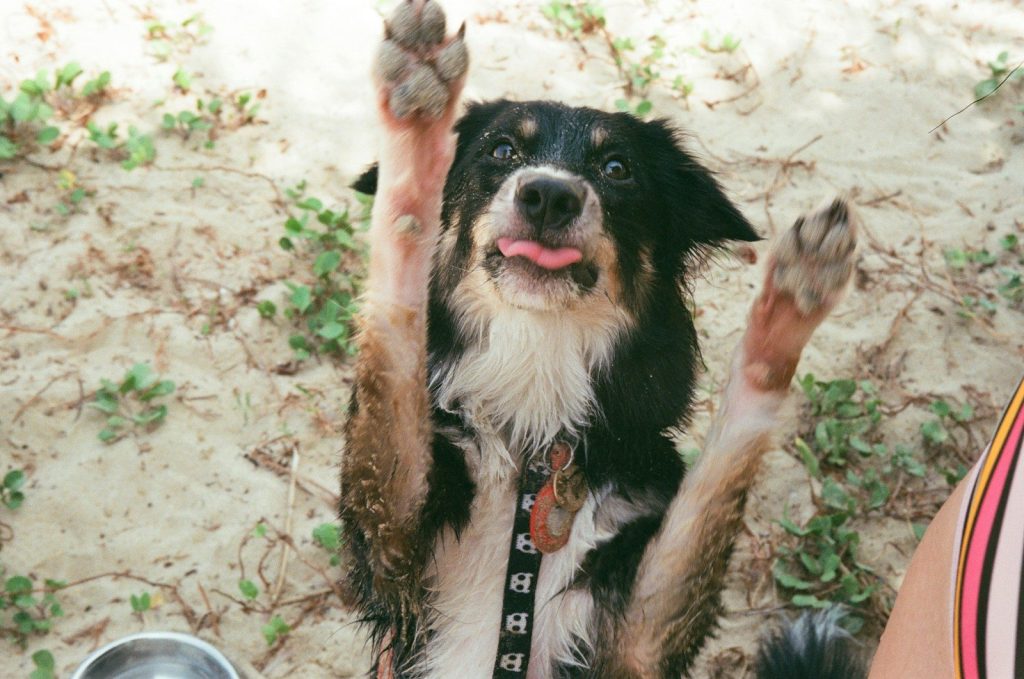
Scientists are studying whether paw preference is connected to confidence, emotional responses, and problem solving abilities. Although research is ongoing, some evidence suggests that dogs with a stronger paw preference may react differently in unfamiliar situations.
Understanding laterality could eventually help trainers and behavior specialists better assess working dogs and companion animals. More studies are needed before drawing firm conclusions about these relationships.
Every Dog Is Unique Regardless of Paw Preference
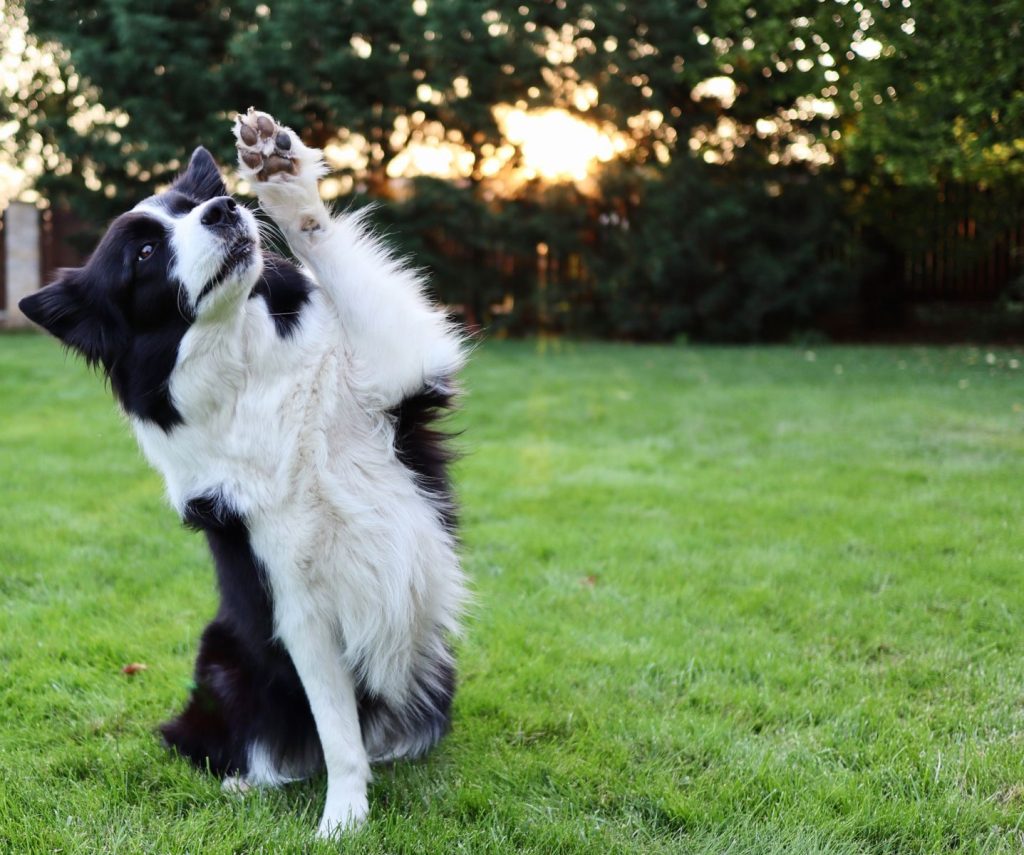
Whether your dog is right pawed, left pawed, or equally comfortable using both paws, none of these traits determines intelligence or personality. Paw preference is simply another fascinating characteristic that highlights the individuality of every dog.
Trying a few simple observation games at home can be a fun way to learn more about your pet. Along the way, you may discover that your canine companion has a dominant paw just like many people have a dominant hand.