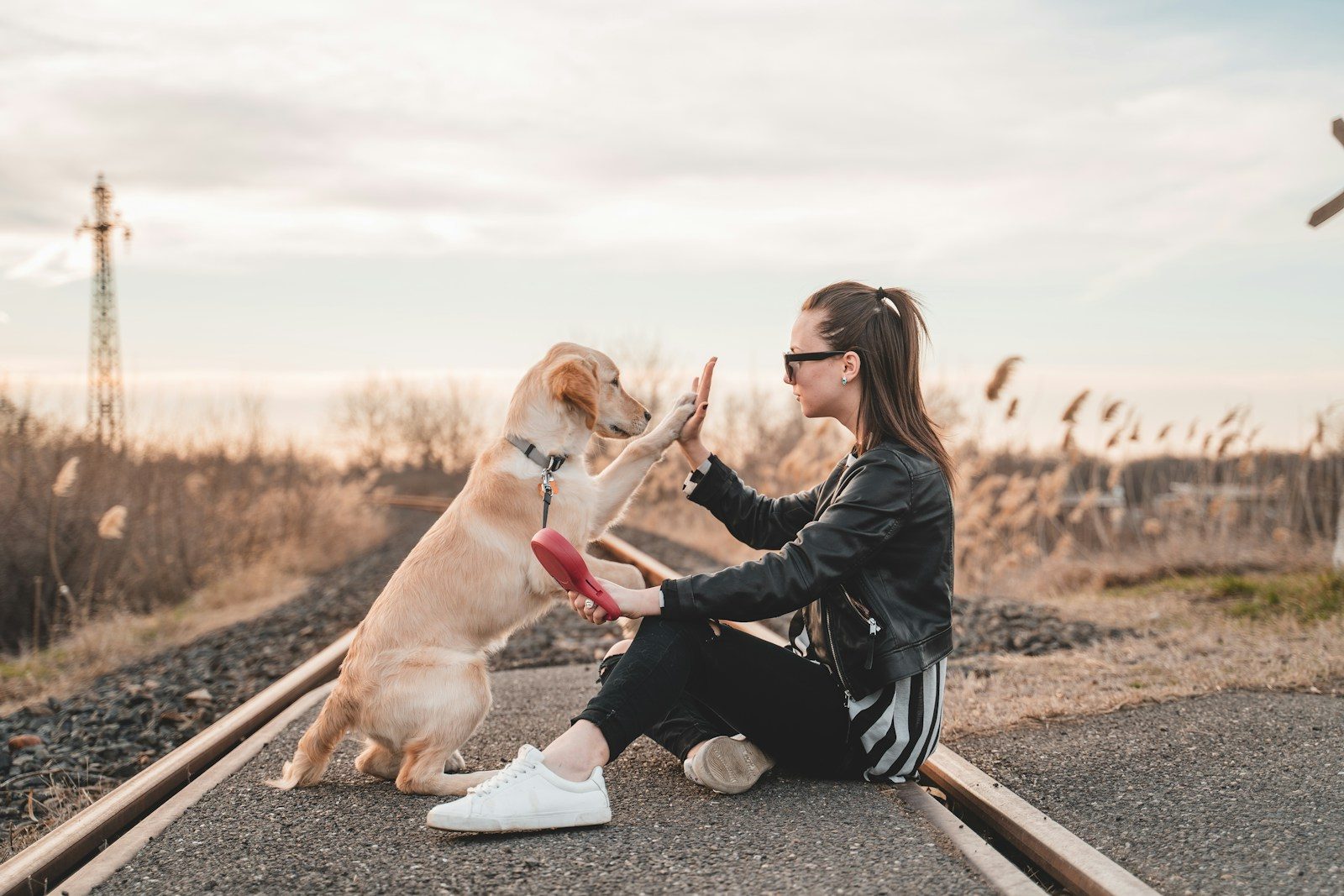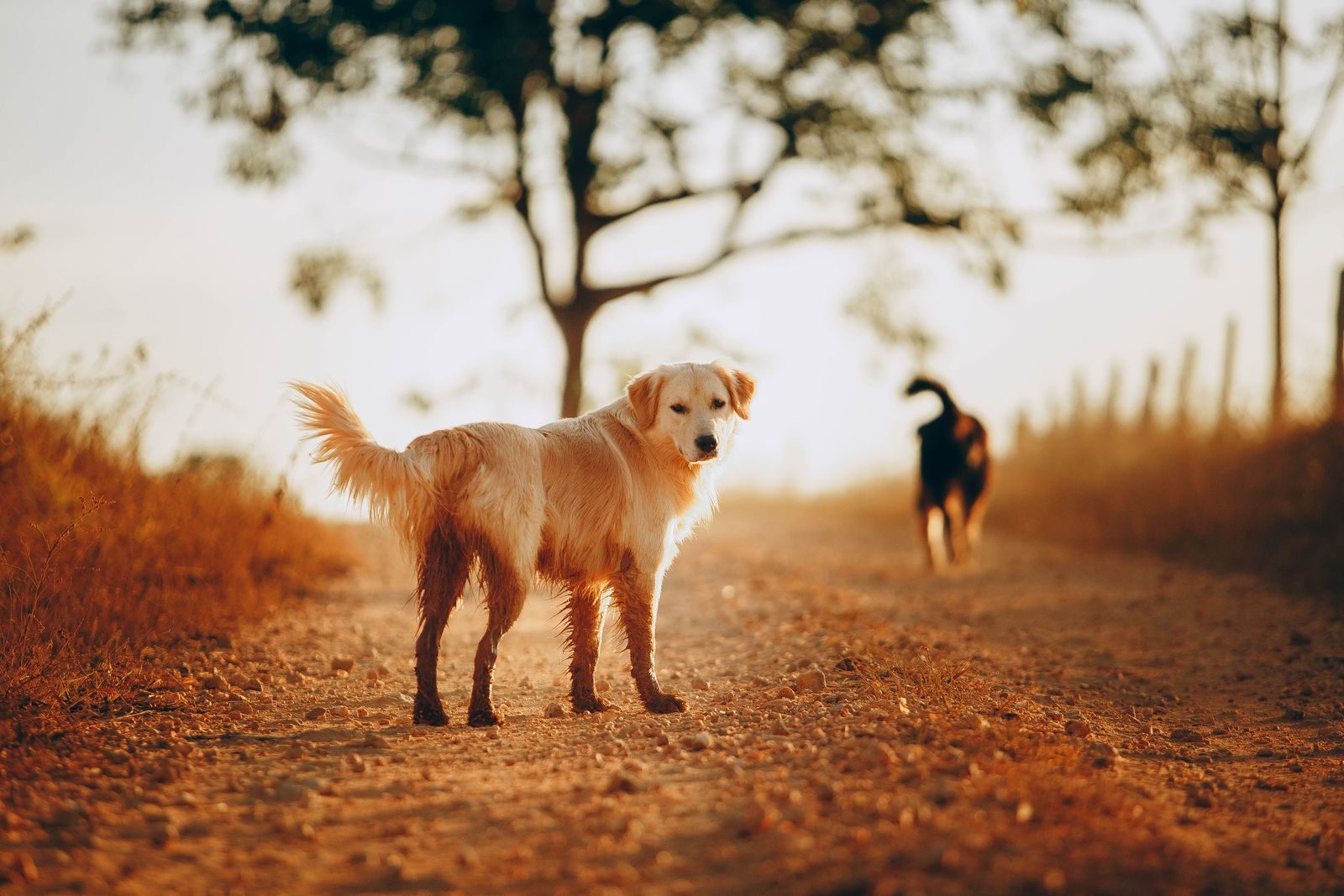
Heatwaves can be dangerous for pets, especially dogs that struggle to regulate their body temperature during extreme weather. Unlike humans, dogs rely primarily on panting to cool themselves down, making them more vulnerable to overheating and heatstroke.
Veterinary experts warn that heat related illnesses can develop quickly and become life threatening if left untreated. Knowing how to spot the symptoms and respond appropriately could make a critical difference in an emergency.
Why Dogs Are More Vulnerable During Hot Weather
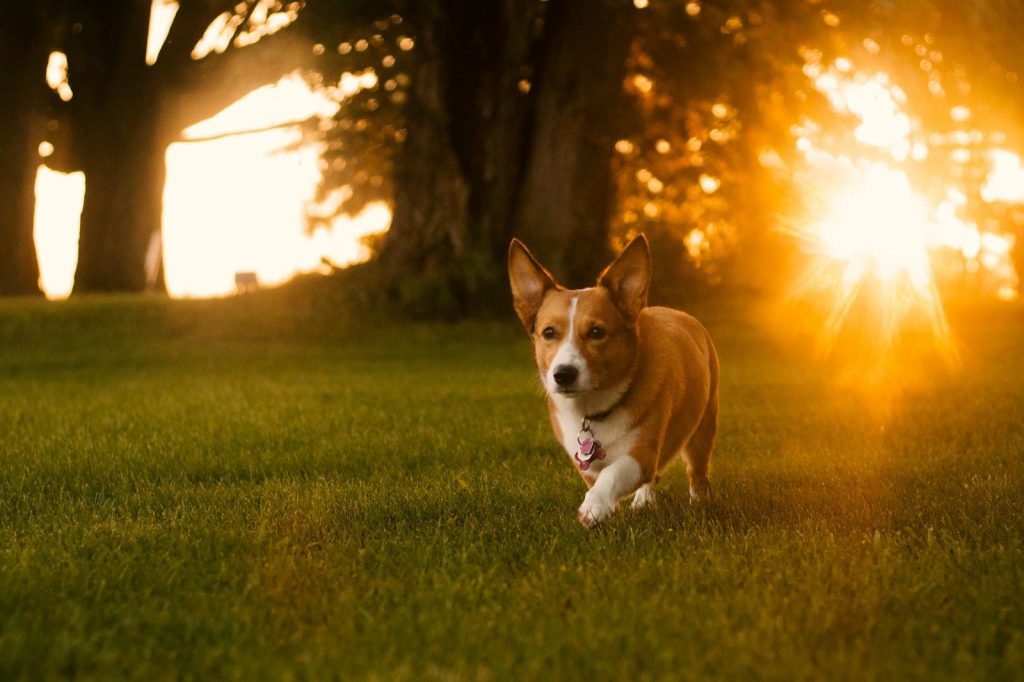
Dogs have limited ways to release excess body heat compared to people. During periods of extreme heat, panting alone may not be enough to keep their temperature within a safe range.
Certain breeds face an even greater risk when temperatures rise. Flat faced dogs, older pets, puppies, overweight animals, and those with existing health conditions are often more susceptible to heat related complications.
The Early Signs of Heatstroke Every Owner Should Know
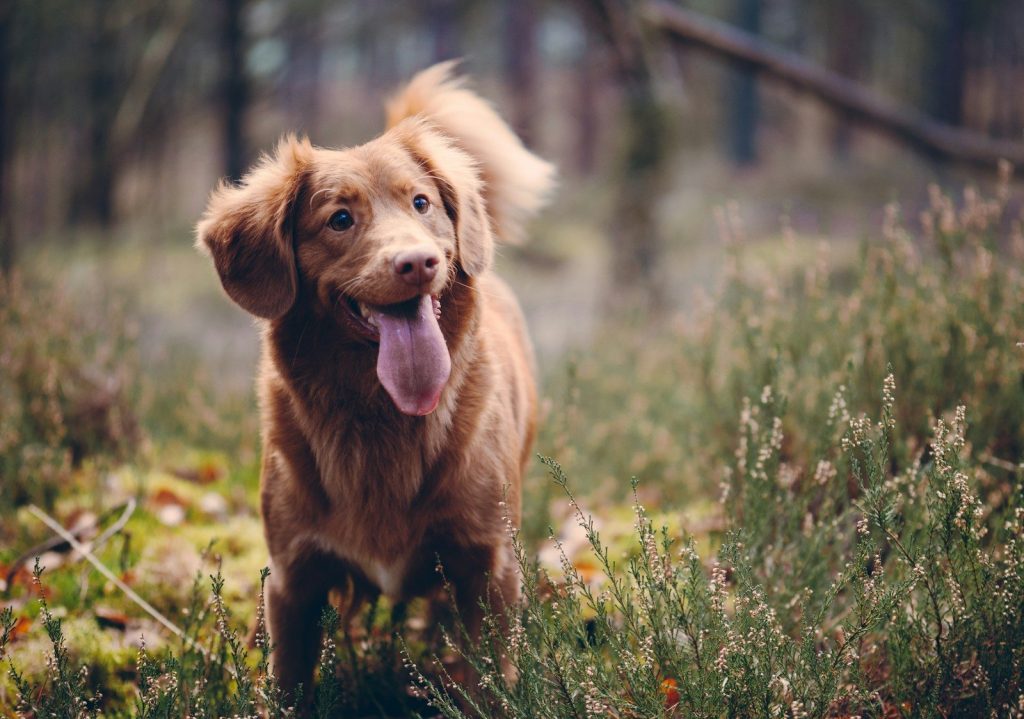
One of the first warning signs is excessive panting that continues even after the dog has rested. Owners may also notice drooling, bright red gums, restlessness, or unusual fatigue.
As the condition worsens, dogs may become wobbly, nauseous, disoriented, or unwilling to move. Severe heatstroke can eventually lead to organ failure, seizures, collapse, and even death if emergency treatment is delayed.
What Experts Mean by Giving Your Dog the Kiss of Life

In emergency situations where a dog has stopped breathing or becomes unresponsive, pet CPR may be necessary while veterinary help is being arranged. The technique can include rescue breathing, sometimes described as mouth to snout resuscitation, combined with chest compressions.
Experts stress that CPR should only be used when a dog is not breathing or has no detectable heartbeat. Immediate veterinary attention remains essential, even if the animal appears to recover.
How to Respond If Your Dog Shows Signs of Overheating
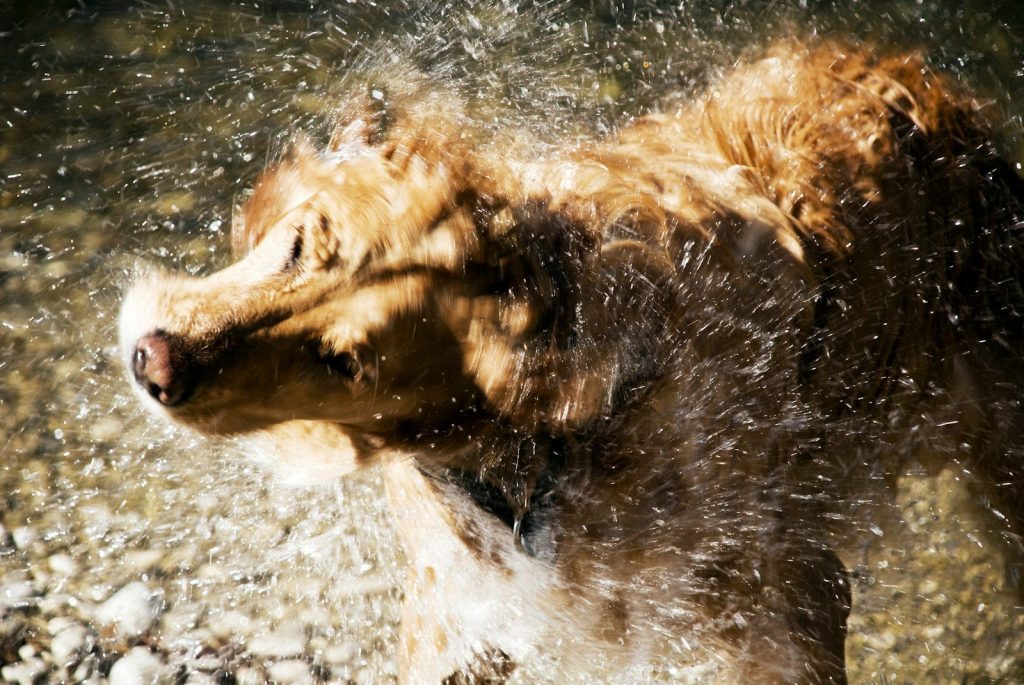
The first step is to move the dog into a shaded or cool environment as quickly as possible. Owners should begin gradual cooling using cool water, fans, and fresh drinking water while monitoring the animal’s condition.
Rapid action is important because heatstroke can progress very quickly. Veterinary professionals recommend seeking urgent medical care whenever symptoms of heatstroke are present.
Preventing Heatstroke Before It Happens
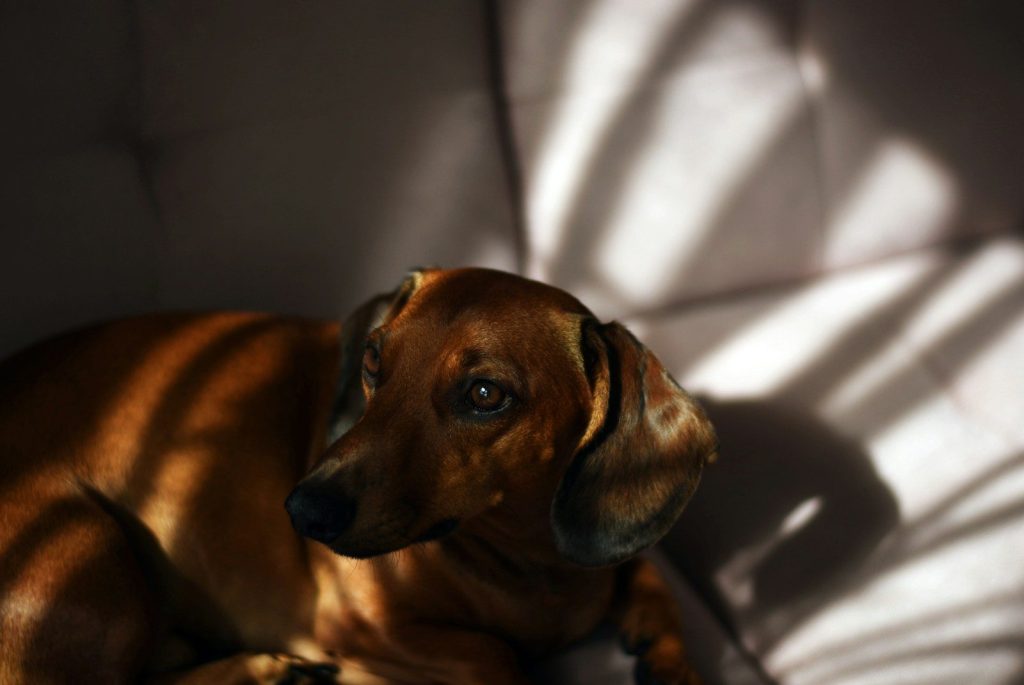
Walking dogs during the coolest parts of the day can significantly reduce the risk of overheating. Early morning and late evening outings are generally safer than midday exercise during a heatwave.
Providing constant access to clean water and cool resting areas is equally important. Many pet owners also use cooling mats, frozen treats, and shaded indoor spaces to help their dogs stay comfortable.
Simple Safety Habits Can Save Lives
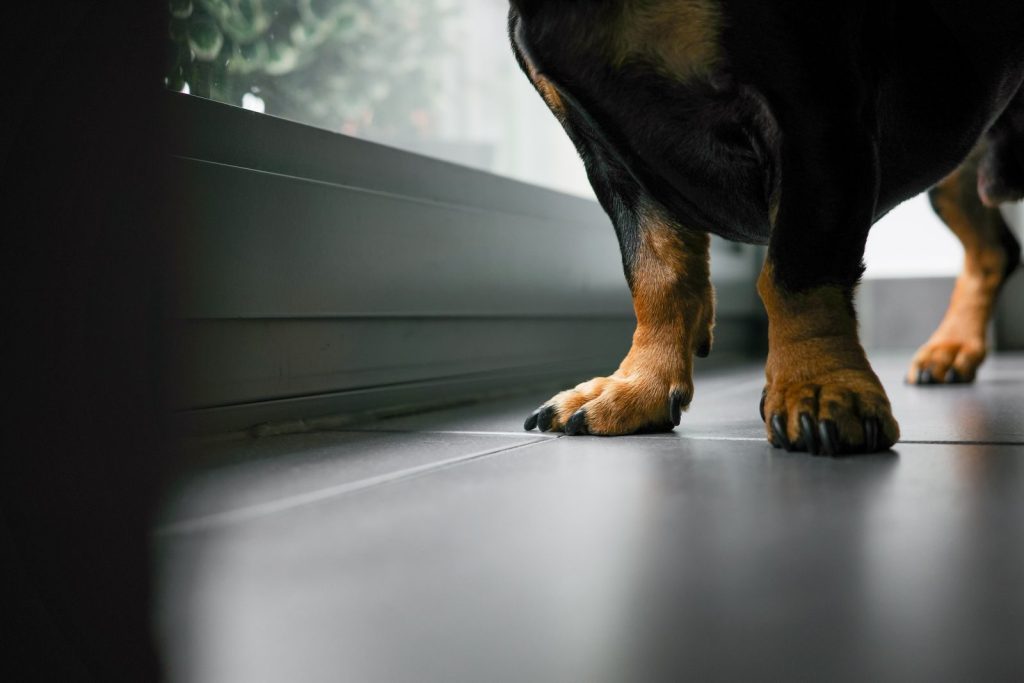
Hot pavement can burn a dog’s paws and contribute to heat stress during walks. Experts recommend checking surfaces before heading outside and limiting activity when temperatures become extreme.
Awareness and preparation are the best defenses against heat related emergencies. By recognizing symptoms early and acting quickly, owners can help ensure their dogs remain safe and healthy throughout the hottest days of the year.